Vous n'avez toujours pas trouvé la bonne solution d'emballage ? Parlez-en à notre patron.
Si vous avez consulté notre site web ou discuté avec le service des ventes et que vous ne voyez toujours pas la voie à suivre, envoyez votre demande ici. Votre message sera transmis directement à notre directeur général, qui examinera la faisabilité, le coût et le délai de mise en œuvre. Vous obtiendrez une étape suivante claire - ce que nous pouvons faire, ce que nous attendons de vous, et la voie la plus rapide pour obtenir un devis.
Examen direct par GM de vos spécifications, cas d'utilisation et contraintes
Vérification de la taille et de la structure : diamètre, hauteur, résistance des parois, inserts
Recommandations en matière d'impression et de finition en fonction de la marque et du budget
Possibilités de réduction des coûts et d'amélioration des délais
Clarté du cheminement du devis : MOQ, plan d'échantillonnage et étapes suivantes
Parler à notre patron
Obtenir un devis rapide pour l'emballage de tubes en papier sur mesure
Conçu pour les responsables de l'emballage, de l'approvisionnement et les ingénieurs de l'emballage. Spécifiez la taille, la quantité et la finition pour obtenir un devis, un délai de livraison et des conseils sur les spécifications pour les programmes américains/européens.
Personnalisation prête à l'emploi : diamètre, hauteur, épaisseur de paroi, inserts, doublures et fermetures
Finitions haut de gamme : CMYK/Pantone, film, gaufrage, UV
Clarté de l'approvisionnement : spécifications claires + conseils en matière de contrôle de la qualité et de gestion des défauts de fabrication
Durable : Papier FSC® disponible sur demande
Sécurité enfants : conforme à la norme ISO 8317 / PPPA
Le guide des solutions d'emballage en tubes de carton personnalisés
Table des matières
Si vous vendez un produit qui nécessite protection réelle, L'image de marque de l'entreprise est claire, et l'impression de qualité supérieure, emballage de tubes en carton sur mesure mérite un examen approfondi. Les tubes ne se contentent pas de “contenir” un produit. Ils réduisent les bosses, diminuent les emballages désordonnés et donnent à votre UGS un aspect intentionnel sur une étagère.
En tant que Boîtes en papier tubulaire fabriquées sur mesure, nous soutenons personnalisation, vente en gros et OEM/ODM pour les détaillants, les propriétaires de marques, les usines, les vendeurs transfrontaliers de commerce électronique, les distributeurs, les agences et les startups en pleine croissance. Nous gérons un atelier sur la purification des emballages alimentaires et un 12 300m² d'entrepôt 3D, avec une capacité journalière moyenne de 300 000+ pièces-afin que vous puissiez vous adapter lorsque vos commandes commencent à se succéder rapidement.
Un tube en carton est un cylindre de carton rigide (souvent enroulé en spirale) qui protège mieux les produits que de nombreuses boîtes pliantes. Vous pouvez spécifier le le diamètre, la hauteur, l'épaisseur de la paroi, le type de fermeture et l'insert. pour que le tube s'adapte à votre produit comme un gant.
Vous verrez des tubes utilisés pour :
des emballages prêts à être vendus au détail impact sur les étagères
les emballages d'expédition pour lesquels vous souhaitez moins de coins écrasés
un emballage cadeau où le déballage est important
les produits que les clients ouvrent et ferment à plusieurs reprises
Emballage économique et recyclable avec rembourrage
Les tubes sont utiles lorsque vous avez besoin structure + absorption des chocs sans s'appesantir sur les matériaux. Le carton amortit naturellement les petits chocs et la forme cylindrique permet à l'emballage de rester rigide.
Ce qu'il résout dans le monde réel
diminution des réclamations “arrivé endommagé” pour les articles fragiles
moins de retours de bords écrasés
un meilleur comportement d'empilage dans les cartons lors de l'exécution des commandes
Exemple de scénario Une marque de soins de la peau expédie des compte-gouttes en verre. Un tube muni d'un insert bien ajusté maintient le flacon centré, réduit le cliquetis et protège la zone de l'épaule qui se brise généralement en premier.
La forme cylindrique améliore la protection contre les chocs
Un corps rond répartit la pression. C'est pourquoi les tubes donnent souvent de bons résultats lorsque les cartons sont écrasés pendant le transport. Si vous avez déjà vu un carton se faire écraser dans un coin, vous comprenez déjà.
La sténographie de l'équipe d'emballage : vous gérez risque de chute, compression, et vibration. Les tubes sont utiles dans les trois cas lorsqu'ils sont associés à l'insert adéquat.
Là où c'est le plus important
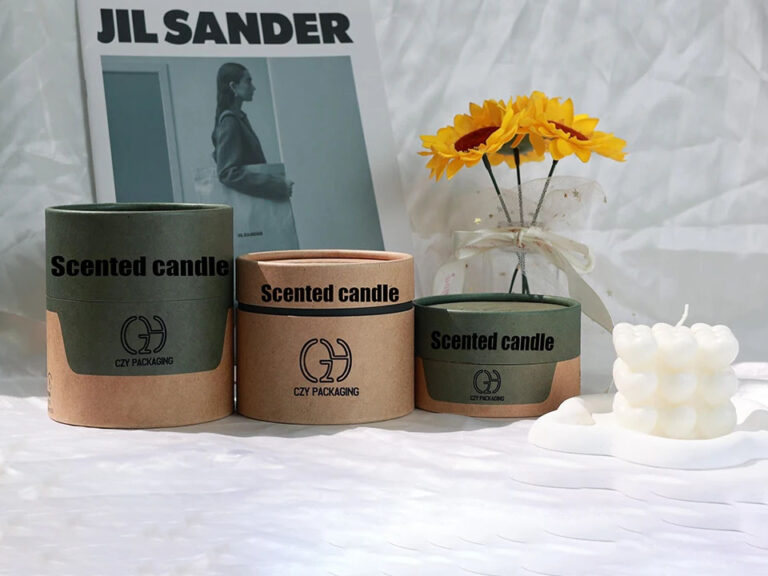
bouteilles, bougies, bocaux et flacons en verre
des accessoires haut de gamme qui se rayent facilement
produits expédiés dans des cartons mixtes avec d'autres UGS
Espace de marquage à 360° pour une présence en rayon
Un tube permet d'obtenir une toile entièrement enveloppante. Cela est utile lorsque vous souhaitez rappel de la marque dans une allée bondée, ou vous voulez que les clients lisent l'histoire sans avoir à tourner une boîte plusieurs fois.
Des gains faciles qui ne semblent pas “supplémentaires”.”
imprime un panneau d'ingrédients propre qui s'enroule en douceur
ajouter un code QR pour des informations sur le lot, des conseils d'utilisation ou des contrôles d'authenticité
créer une image cohérente pour plusieurs UGS en attribuant un code couleur aux bouchons ou aux étiquettes
Modèles monoblocs et multiblocs, bouchons, capuchons et tubes télescopiques
Vous pouvez construire des tubes dans quelques structures courantes :
Tubes en carton d'une seule pièce
Corps simple + capuchon. Permet un emballage plus rapide et une expédition stable.
Tubes en carton à deux ou trois pièces
Souvent utilisé pour une expérience d'ouverture/fermeture de qualité supérieure. Pensez à un “emballage de présentation” que les clients conservent.
Options de bouchon et de capuchon
Votre fermeture entraîne à la fois expérience utilisateur et protection des produits:
Fermetures étanches de type bouchon pour une meilleure rétention
options de couvercles métal-étain pour une sensation d'étanchéité plus forte
systèmes de fermeture spéciaux pour les catégories sensibles à la conformité
Pour le thé et les produits alimentaires, une fermeture plus serrée peut renforcer les indices de fraîcheur. Voir aussi emballage de thé boîtes en papier.
Pour les catégories réglementées, le choix de la fermeture est encore plus important. Si vous avez besoin d'une conception d'ouverture plus sûre, regardez du côté de emballage en tube de papier à l'épreuve des enfants.
Sélection du diamètre et de la longueur et inserts
La plupart des projets de tubes échouent pour une raison ennuyeuse : les spécifications ne correspondent pas au comportement du produit. Le produit se déplace, l'étiquette est éraflée ou l'emballage est mal fixé.
Diamètre et hauteur
Le diamètre intérieur du tube doit correspondre au point le plus large du produit.
Laissez suffisamment d'espace pour les inserts et pour pouvoir les retirer facilement.
Évitez les conceptions “trop serrées” qui ralentissent la vitesse de la ligne d'emballage.
Inserts
Les inserts réduisent les mouvements et protègent les surfaces. Ils donnent également l'impression que le déballage est propre et “conçu”, et non aléatoire.
Utilisez des inserts lorsque vous en avez besoin :
contrôle anti-cliquetis pour le verre, le métal ou les pièces délicates
un positionnement cohérent pour l'affichage et les photos
protection pour les finitions haut de gamme
Solutions d'emballage de tubes en carton sur mesure par catégorie de produits
Voici comment l'emballage des tubes se présente dans les cas d'utilisation les plus courants, avec des exemples sur lesquels vous pouvez cliquer.
Emballage de tubes de cosmétiques
Les marques de soins et de cosmétiques utilisent des tubes pour présentation de la prime, Les produits sont plus faciles à manipuler, mieux protégés et plus faciles à mettre en valeur dans les rayons. Commencez par tubes en carton pour cosmétiques.
Emballage du thé
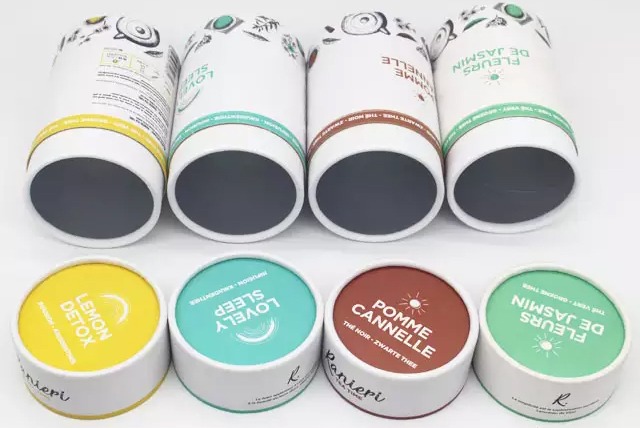
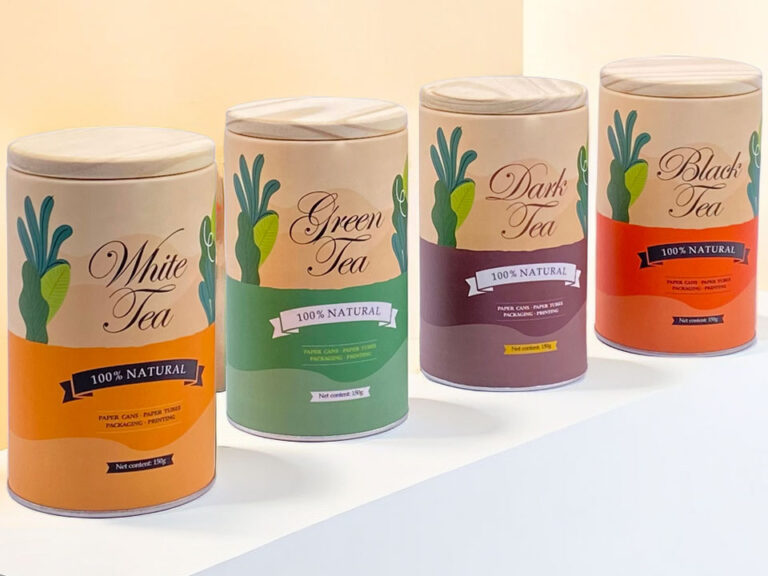
Les acheteurs de thé se soucient de la fraîcheur et de la possibilité de l'offrir. Un tube peut avoir l'air de première qualité et être solide dans la main. Explorer emballage de thé boîtes en papier.
Emballage de protéines en poudre
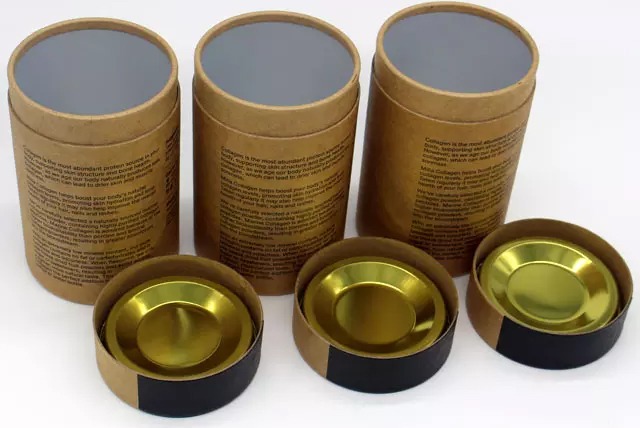
Cette catégorie a besoin de l'image d'un “conteneur solide”. Les tubes permettent également de réduire les bosses lors de l'expédition sur de longues distances. Voir aussi tube d'emballage de protéines en poudre.
Bijoux et accessoires
Les petits objets s'abîment principalement à cause des frottements et des mouvements. Un insert + un tube ajustés réduisent les éraflures et améliorent le moment du cadeau. Vérifier boîtes à bijoux et à bracelets en tube de papier.
Il s'agit généralement d'environ protection, ajustement serré et confiance dans la marque. Les tubes permettent également d'éviter les dommages dus à l'écrasement dans les commandes mixtes. Voir aussi Boîtes de tubes en papier pour cartouches CBD.
Emballage à l'épreuve des enfants
Si vous travaillez dans une catégorie où la conformité est importante, vous aurez besoin d'un système de fermeture qui favorise une manipulation plus sûre. Commencez ici : emballage en tube de papier à l'épreuve des enfants.
Déclarations de recyclage et conformité : Guides verts de la FTC et ISO 18604
Le développement durable fait vendre, mais des affirmations peu convaincantes peuvent se retourner contre vous.
Si vous dites “recyclable”, vous devez vérifier dans quelle mesure le recyclage est réaliste pour votre structure et votre région.
Si vous commercialisez vos produits aux États-Unis, les Guides verts de la FTC influencent la manière dont les marques doivent formuler les déclarations environnementales.
Si vous souhaitez un langage normalisé pour l'évaluation de la recyclabilité, ISO 18604 couvre les emballages récupérables par le biais du recyclage des matériaux.
Le message doit rester simple : expliquez de quoi est fait l'emballage, comment le jeter et quelles sont les pièces (comme les doublures ou les bouchons) qui peuvent varier.
Flux de travail pour l'emballage des produits OEM/ODM et des produits en gros
Si vous achetez pour une marque, une usine ou une entreprise de distribution, vous vous souciez généralement de trois choses : Précision des spécifications, qualité stable et production reproductible.
Voici une méthode de travail qui empêche les projets de dériver :
Verrouiller les dimensions de l'UGS (produit, insert, cap fit).
Confirmer la fermeture (une pièce ou plusieurs pièces, bouchon ou capuchon).
Choisir le sens d'impression (côté marque, emplacement du code-barres, copie réglementaire).
Échantillon et test de résistance (test de secousses, test de chute, contrôle des éraflures).
Passer au vrac une fois que vous avez maîtrisé les étapes de l'emballage.
Cette approche fonctionne bien pour les OEM/ODM parce qu'elle réduit les retouches et permet d'obtenir des approbations en bonne et due forme.
Principales affirmations et sources à l'appui
Réclamation que vous pouvez utiliser dans votre article
Ce qu'il soutient
Preuve pratique
Type de source
Emballage économique et recyclable avec rembourrage
Positionnement + histoire de la protection
Moins de bosses et moins de coins écrasés par rapport à de nombreuses boîtes pliantes
Pratiques de l'industrie + comportement des matériaux
La forme cylindrique améliore la protection contre les chocs
Performance en matière d'expédition et de traitement des commandes
Meilleur comportement de la compression, moins de risques d'écrasement des coins
Principe de l'ingénierie de l'emballage
Espace de marquage à 360° pour une présence en rayon
Valeur de la vente au détail et de la marque
Conception enveloppante, narration plus facile, système d'UGS plus solide
Pratique du merchandising
Modèles monoblocs et multiblocs, bouchons, capuchons et tubes télescopiques
Meilleure adaptation au cas d'utilisation
Choisir la fermeture en fonction de la fréquence d'ouverture et des besoins de protection
Options de structure d'emballage
Sélection du diamètre et de la longueur et inserts
Un meilleur emballage et des rendements plus faibles
Les inserts arrêtent les mouvements et réduisent les éraflures
Pratique d'exécution
Déclarations de recyclage et conformité : Guides verts de la FTC et ISO 18604
Crédibilité et contrôle des risques
Des messages plus précis sur le développement durable
Cadres réglementaires et normatifs
Flux de travail pour l'emballage des produits OEM/ODM et des produits en gros
Échelle et répétabilité
Moins de changements de spécifications, des approbations plus aisées
Discipline du flux de production
Un entrepôt de 12 300 m² et une capacité de plus de 300 000 tonnes par jour
Assurance de l'approvisionnement
Prise en charge des commandes en gros et du réapprovisionnement continu
Déclaration de capacité du fabricant
Liste de contrôle des spécifications pour l'emballage de tubes en carton sur mesure
Article spécial
Ce qu'il faut décider
Pourquoi c'est important pour les commandes en gros
Diamètre intérieur
ajustement du produit + espace d'insertion
empêche les cliquetis et les éraflures
Hauteur du tube
hauteur libre + extraction facile
améliore la vitesse de déballage et d'emballage
Epaisseur de la paroi
niveau de protection
prend en charge la compression et le traitement du transit
Style de fermeture
capuchon/bouchon/multi-pièces
favorise le sentiment d'appartenance et la sécurité de l'utilisateur
Type d'insertion
carton, moulé, sur mesure
maintient le produit stable dans le carton
Finition de l'impression
options mat/brillant/texture
affecte l'aspect du rayon et la résistance aux salissures