Vous n'avez toujours pas trouvé la bonne solution d'emballage ? Parlez-en à notre patron.
Si vous avez consulté notre site web ou discuté avec le service des ventes et que vous ne voyez toujours pas la voie à suivre, envoyez votre demande ici. Votre message sera transmis directement à notre directeur général, qui examinera la faisabilité, le coût et le délai de mise en œuvre. Vous obtiendrez une étape suivante claire - ce que nous pouvons faire, ce que nous attendons de vous, et la voie la plus rapide pour obtenir un devis.
Examen direct par GM de vos spécifications, cas d'utilisation et contraintes
Vérification de la taille et de la structure : diamètre, hauteur, résistance des parois, inserts
Recommandations en matière d'impression et de finition en fonction de la marque et du budget
Possibilités de réduction des coûts et d'amélioration des délais
Clarté du cheminement du devis : MOQ, plan d'échantillonnage et étapes suivantes
Parler à notre patron
Obtenir un devis rapide pour l'emballage de tubes en papier sur mesure
Conçu pour les responsables de l'emballage, de l'approvisionnement et les ingénieurs de l'emballage. Spécifiez la taille, la quantité et la finition pour obtenir un devis, un délai de livraison et des conseils sur les spécifications pour les programmes américains/européens.
Personnalisation prête à l'emploi : diamètre, hauteur, épaisseur de paroi, inserts, doublures et fermetures
Finitions haut de gamme : CMYK/Pantone, film, gaufrage, UV
Clarté de l'approvisionnement : spécifications claires + conseils en matière de contrôle de la qualité et de gestion des défauts de fabrication
Durable : Papier FSC® disponible sur demande
Sécurité enfants : conforme à la norme ISO 8317 / PPPA
Les six commandements du design d'emballage minimaliste
Table des matières
Les emballages minimalistes paraissent simples. En production, c'est loin d'être le cas.
Lorsque l'on supprime les motifs, les dégradés et les graphiques criards, chaque décision est visible. La dérive des couleurs devient évidente. Un logo légèrement décentré donne soudain l'impression d'être “bon marché”. Les contours flous d'une police de caractères témoignent d'un faible niveau d'assurance qualité. C'est pourquoi l'emballage minimaliste n'est pas un “style de conception”. C'est un discipline qui oblige à une création propre, à un prépresse serré et à une fabrication prévisible.
Si vous vendez en ligne, il a également une autre mission : il doit être bien photographié, survivre à l'expédition et donner l'impression d'être de première qualité lors du déballage.
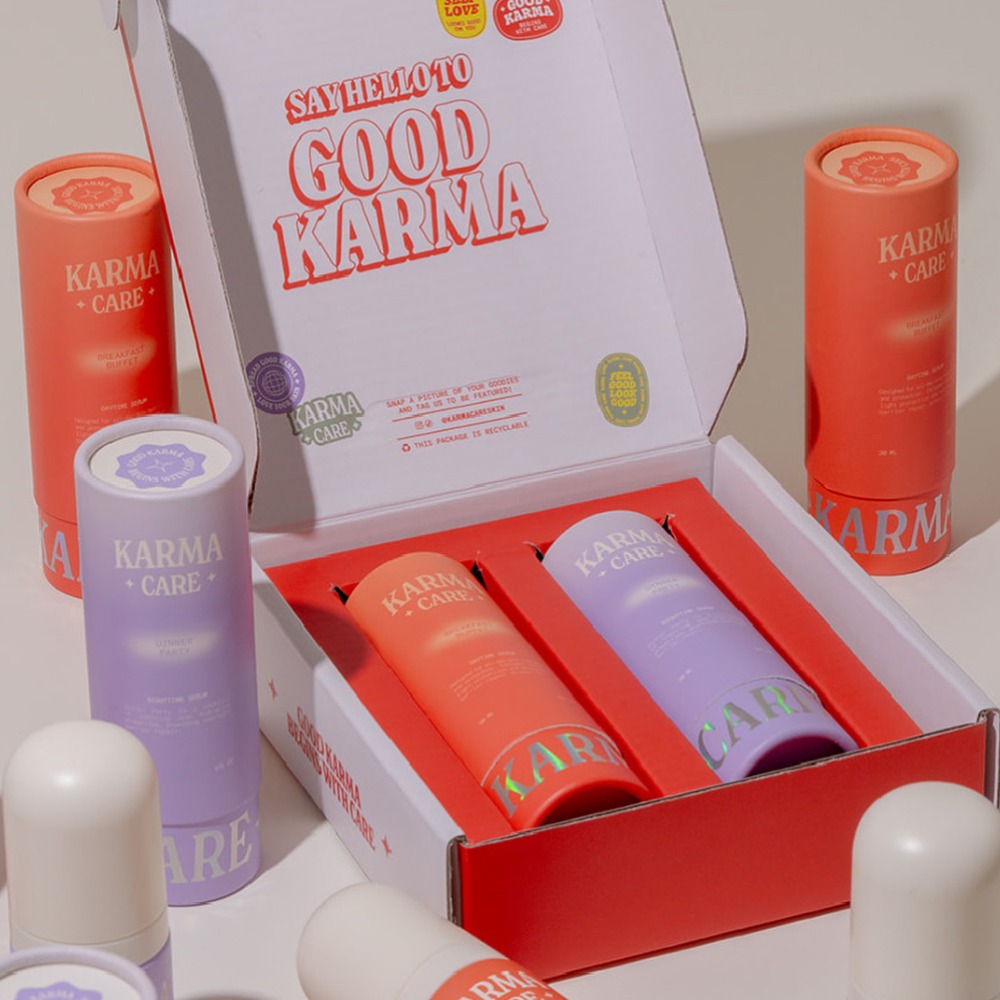
Si vous fabriquez des emballages avec une structure en tube de papier, le design minimaliste s'impose naturellement. Les cylindres ont déjà un air de modernité et de cadeau. Vous pouvez garder l'extérieur propre tout en résolvant la fonction à l'intérieur du tube avec des inserts, des doublures et des fermetures.
Commencez ici si vous voulez un emballage minimaliste qui se vend, s'expédie et s'adapte.
Design d'emballage minimaliste
Le minimalisme fonctionne lorsque vous contrôlez trois choses :
Rapport signal/bruitLes clients comprennent immédiatement de quoi il s'agit.
Rappel de la marqueIls se souviennent de vous sans avoir besoin d'être encombrés.
Cohérence de la production: chaque lot ressemble au précédent.
Utilisez cet aide-mémoire pour garder le design propre et sécurité de la production.
Commandement
Que faire sur une ligne de démarcation ?
Les erreurs des marques
Ce que vous gagnez sur le plan commercial
Palette de couleurs limitée
1 couleur de héros + neutres, règles strictes en matière de couleurs
Trop de tons “presque noirs
Un impact plus net sur les rayons, un système de marque plus simple
Espace blanc
Laisser de l'espace autour de l'information sur le héros
Remplir des copies partout “au cas où”.”
Une lecture plus rapide, de meilleures photos, moins de retouches
Typographie
Une seule famille de polices, une hiérarchie claire
Des polices fantaisistes qui s'impriment mal
Sensation de qualité supérieure, moins de problèmes de lisibilité
Texture
Laisser parler le matériau et la finition
Des arrivées aléatoires sans stratégie
“Valeur tactile”, qualité perçue plus forte
Placement du logo
Une position confiante du logo
Logo combat le nom du produit
Meilleure mémorisation, moins de désordre visuel
Conception fonctionnelle
Ouverture/fermeture, protection, conformité
Joli à l'extérieur, mais difficile à utiliser
Taux d'endommagement plus faible, meilleures critiques
Palette de couleurs limitée
Un emballage minimaliste commence par de la retenue. Une palette limitée permet à votre tube de paraître intentionnel et non surchargé.
Réalité de la production : chaque couleur supplémentaire ajoute un risque. Plus de plaques. Plus de risques de banding. Plus de conversations “pourquoi le lot B semble-t-il plus chaud que le lot A ?.
Liste de contrôle de la palette de couleurs limitée
Choisir une couleur de héros pour la reconnaissance de la marque.
Utilisation un neutre pour la base (blanc, kraft, gris doux, noir profond).
Réserver un accent unique pour les informations essentielles uniquement (force, saveur, variante).
Définissez des règles telles que “la couleur du héros n'apparaît que sur le bouchon” ou “l'accent n'apparaît que dans le nom du produit”.”
Scénario : cosmétiques Un tube de soin peut être blanc mat avec des caractères noirs, puis utiliser un accent calme pour “Vitamine C” ou “Rétinol”. C'est tout. Vous obtiendrez des photos de produits nettes et une grille de marque cohérente sur votre PDP.
Si vous voulez des exemples qui s'appuient déjà sur des systèmes de couleurs propres, parcourez la rubrique Produits cataloguer et extraire des références pour votre tableau d'humeur.
Espace blanc
L'espace blanc n'est pas “vide”. C'est un outil de mise en page qui permet à votre message d'aboutir rapidement.
Lorsqu'un acheteur parcourt une annonce sur une place de marché ou se trouve devant une étagère, il ne lit pas de paragraphes. Il scrute. L'espace blanc lui donne un endroit où regarder.
Des espaces blancs pour une meilleure lisibilité des étagères
Essayez cette règle simple : un tube, un message de héros.
Mettez-les dans l'ordre :
Marque
Nom du produit
Un point de preuve (et non cinq)
Tout le reste peut être transféré sur la contre-étiquette, une carte d'insertion ou l'impression de la paroi intérieure.
Scénario : thé Les acheteurs de thé aiment les détails, mais l'avant du paquet a encore besoin de calme. Gardez la face du tube propre. Mettez l'histoire de l'origine, les notes d'infusion et les informations QR sur un panneau arrière ou un encart. Si vous avez besoin d'une structure de qualité alimentaire, un format de tube conçu pour le thé permet de minimiser l'extérieur et de protéger l'intérieur, comme ceci tube en papier kraft pour l'emballage du thé.
Typographie
Dans emballage minimaliste, typographie est votre conception graphique.
Cela signifie que vous ne pouvez pas vous cacher derrière des illustrations. Vous avez besoin de caractères qui s'impriment proprement, qui se lisent rapidement et qui respectent le ton de la marque.
Hiérarchie de la typographie
Utiliser la typographie comme une interface utilisateur :
Ligne primaireNom du produit (le plus grand)
Ligne secondaire: ce qu'il est / à qui il s'adresse
Ligne tertiaireun point de preuve ou une spécification
Le système de polices de caractères doit être simple. Une famille, deux graisses et un espacement cohérent. Vous vous en féliciterez lorsque vous localiserez, élargirez les UGS ou ajouterez des éditions saisonnières.
Scénario : accessoires de coiffure/beauté Lorsque le produit est petit, votre tube devient le panneau d'affichage. Des caractères épurés et une petite fenêtre de visualisation permettent d'équilibrer clarté et minimalisme. Une structure comme celle-ci tube en papier avec fenêtre transparente et poignée fonctionne bien lorsque vous voulez “voir le produit” sans encombrer le design.
Texture
Un emballage minimaliste peut sembler plat si vous le traitez comme une simple étiquette sur une surface ordinaire.
La texture résout ce problème. Elle ajoute un signal de qualité supérieure sans ajouter de bruit visuel.
Finitions texturées
Choisissez une “finition de héros” et engagez-vous :
Pelliculage doux au toucher / mat pour un toucher lisse et de qualité supérieure
Gaufrage/débossage pour des marques palpables
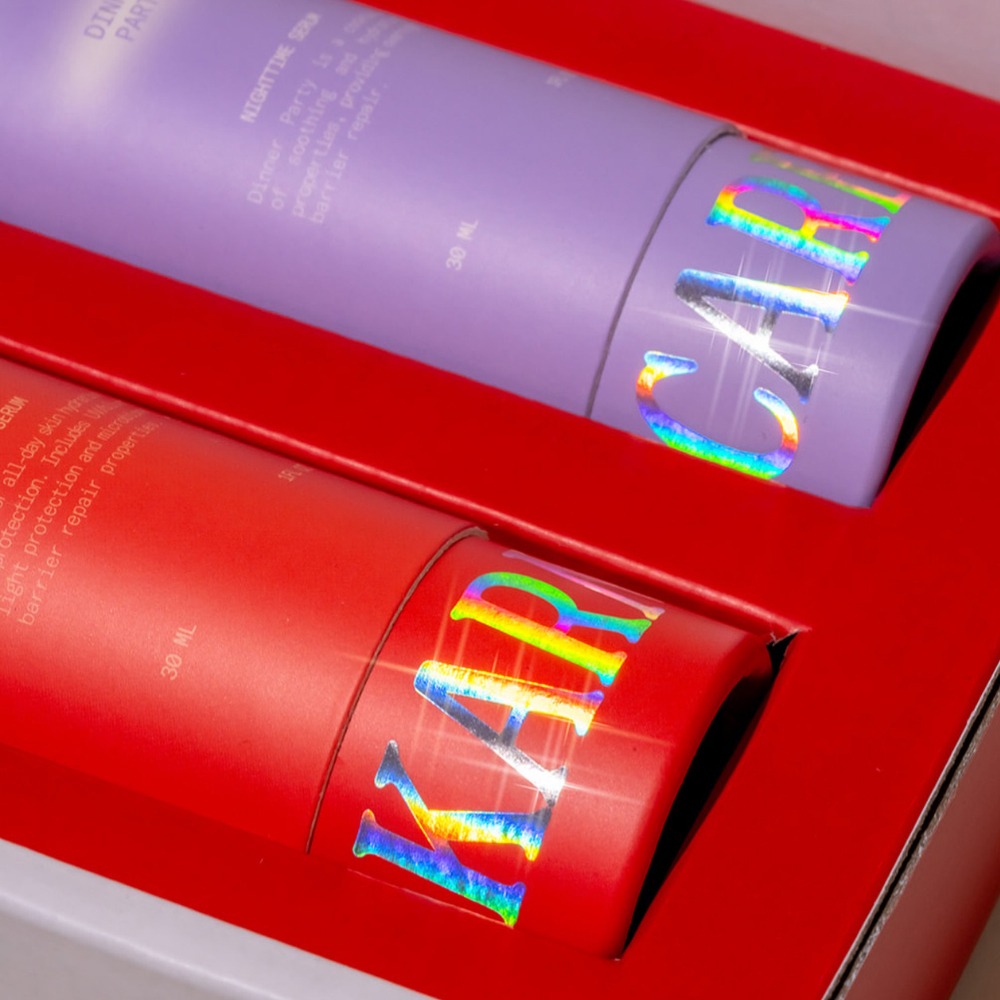
Brillance ponctuelle pour un contraste contrôlé
Texture kraft naturelle pour une ambiance honnête et écologique
Scénario : bijoux L'emballage d'un bijou n'a pas besoin d'un graphisme tapageur. Il a besoin d'une sensation de cadeau et d'un moment tactile lorsque le client le prend en main. Un tube épuré avec une finition douce et un simple nœud peut donner cette impression de “souvenir” sans encombrement. Voici une bonne référence pour ce style : boîtes en papier blanc mat pour bijoux.
Placement du logo
L'emplacement du logo semble élémentaire, mais c'est là que les marques minimalistes gagnent ou perdent.
Si vous placez le logo partout, vous n'avez pas l'air sûr de vous. Si vous le cachez, vous perdez la mémoire.
Placement du logo pour l'Unboxing
Utiliser un seul placement principal :
Dessus centré (classique)
Dernier tiers (moderne)
Verrouillage vertical (sensation de mode premium)
Veillez ensuite à ce qu'il soit cohérent pour l'ensemble de votre gamme de produits. La cohérence favorise la reconnaissance, en particulier pour le commerce électronique transfrontalier, où les clients risquent de vous voir d'abord dans les vignettes.
Scénario : marque multi-SKU Si vous avez 20 UGS, votre système de logo doit rester fixe. Ne changez que l'indice de la variante (une petite bande de couleur, un bref descripteur ou un simple ensemble d'icônes). Cela facilite le merchandising pour les détaillants et simplifie la gestion de l'impression.
Conception fonctionnelle
L'emballage minimaliste doit encore fonctionner dans la vie réelle. Les clients jugent la fonction plus rapidement que l'esthétique. Si le couvercle colle, ils s'en souviennent. Si le tube est bosselé lors de l'expédition, ils se plaignent.
La conception fonctionnelle est également un moyen de protéger votre marge. Vous réduisez les dommages, les retours et les reprises.
Conception fonctionnelle pour le transport maritime et la conformité
Concentrez-vous sur ces vérifications qui concernent d'abord la production :
Expérience d'ouverture/fermeture: frottement doux et constant, pas de déchirure.
Protection de l'environnementLa résistance de la paroi du tube + l'ajustement intérieur qui empêche le cliquetis.
Preuve de falsification: des solutions propres qui n'abîment pas l'aspect de l'objet.
ConformitéLa sécurité des enfants nécessite une véritable ingénierie, et non un “couvercle hermétique et de l'espoir”.”
Scénario : cannabis et CBD Les emballages minimalistes sont courants dans le secteur du cannabis, car ils sont synonymes de “propreté” et de “qualité supérieure”. En même temps, la conformité et la protection des enfants ne peuvent pas être optionnelles. Si vous avez besoin d'une structure conforme, vous pouvez vous tourner vers des formats tels que emballage en tube de papier à l'épreuve des enfants et des options axées sur le CBD comme boîtes en papier pour cartouches CBD. Garder l'extérieur calme, puis résoudre la question de la sécurité avec le système de fermeture et les composants internes.
Scénario : poudre de protéines Les poudres ont besoin d'une réflexion sur les barrières, d'un étiquetage propre et d'une résistance à l'expédition. Un tube peut offrir un aspect haut de gamme et protéger le produit, en particulier lorsque vous spécifiez le revêtement intérieur et le bouchon adéquats. Vous trouverez ici un format de référence : tube en papier pour l'emballage de protéines en poudre.
Boîtes en papier tubulaire personnalisées
Un emballage minimaliste est plus facile à réaliser lorsque votre fabricant comprend les réalités de la production en vrac.
Vous n'avez pas seulement besoin d'un joli rendu. Vous avez besoin d'un fournisseur capable d'exécuter des programmes OEM/ODM, d'assurer la cohérence de l'impression dans les commandes en gros et de maintenir des délais de livraison prévisibles en cas d'augmentation de la production.
Si vous voulez voir comment un format de tube permet une stratégie de marque minimaliste dans toutes les catégories, commencez par la page d'accueil : Boîtes en papier tubulaire fabriquées sur mesure.
Voici comment différents acheteurs utilisent généralement les tubes minimalistes :
Type d'acheteur
Ce qui les intéresse
Ce qu'il faut spécifier à l'avance
Propriétaires de marques
Cohérence de la marque, sensation de qualité supérieure
Règles de couleur, verrouillage des logos, sélection des finitions
Vendeurs transfrontaliers de produits électroniques
Photos, unboxing, damage control
Espace blanc, protection du transit, ouverture facile
Distributeurs / grossistes
Répétabilité entre les lots
Spécifications stables, points de contrôle AQ clairs, moins de variations
Agences de design
Lignes directrices, finitions, faisabilité
Tolérances d'impression, échantillons de matériaux, plan d'échantillonnage
Emballeurs sous contrat
Efficacité de la ligne
Assemblage facile, ajustement constant de la fermeture, étiquettes scannables
Le minimalisme ne signifie pas “moins de travail”. Il signifie moins de tolérance. En revanche, si vous le construisez correctement, vous obtiendrez un emballage de qualité supérieure, qui s'adaptera à toutes les UGS et restera fidèle à la marque dans tous les canaux.