Vous n'avez toujours pas trouvé la bonne solution d'emballage ? Parlez-en à notre patron.
Si vous avez consulté notre site web ou discuté avec le service des ventes et que vous ne voyez toujours pas la voie à suivre, envoyez votre demande ici. Votre message sera transmis directement à notre directeur général, qui examinera la faisabilité, le coût et le délai de mise en œuvre. Vous obtiendrez une étape suivante claire - ce que nous pouvons faire, ce que nous attendons de vous, et la voie la plus rapide pour obtenir un devis.
Examen direct par GM de vos spécifications, cas d'utilisation et contraintes
Vérification de la taille et de la structure : diamètre, hauteur, résistance des parois, inserts
Recommandations en matière d'impression et de finition en fonction de la marque et du budget
Possibilités de réduction des coûts et d'amélioration des délais
Clarté du cheminement du devis : MOQ, plan d'échantillonnage et étapes suivantes
Parler à notre patron
Obtenir un devis rapide pour l'emballage de tubes en papier sur mesure
Conçu pour les responsables de l'emballage, de l'approvisionnement et les ingénieurs de l'emballage. Spécifiez la taille, la quantité et la finition pour obtenir un devis, un délai de livraison et des conseils sur les spécifications pour les programmes américains/européens.
Personnalisation prête à l'emploi : diamètre, hauteur, épaisseur de paroi, inserts, doublures et fermetures
Finitions haut de gamme : CMYK/Pantone, film, gaufrage, UV
Clarté de l'approvisionnement : spécifications claires + conseils en matière de contrôle de la qualité et de gestion des défauts de fabrication
Durable : Papier FSC® disponible sur demande
Sécurité enfants : conforme à la norme ISO 8317 / PPPA
Les boîtes en papier ont le vent en poupe. Elles sont utilisées pour les protéines en poudre, le thé, les soins de la peau, le CBD et même les accessoires. Les marques ne les choisissent pas seulement parce qu'elles ont l'air “vertes”. Elles les choisissent parce que ils se vendent bien, bien embarquer, et sensation de qualité supérieure sans se transformer en bousillage dans le courrier.
Cependant, “boîte en papier” ne signifie pas automatiquement “facile à recycler”. La paquebot, revêtement barrière, adhésif, et système de couvercle décider si l'emballage se comporte comme du papier dans le monde réel. Si vous vous approvisionnez en vrac, en OEM/ODM ou en distribution en gros, vous avez besoin d'une conception qui fonctionne en rayon et dans les services de traitement des commandes.
Ce guide explique ce qui est vrai, ce qui est risqué et comment spécifier des boîtes en papier qui protègent votre produit et vos marges.
Emballage des boîtes de conserve en papier ou en plastique
Si vous vendez au détail ou expédiez des commandes directes, vous avez déjà entendu ces questions :
Peut-on réduire le plastique sans réduire la durée de conservation ?
Le produit arrivera-t-il sans éraflures, bosses ou coins écrasés ?
Peut-il avoir l'air premium tout en fonctionnant à l'échelle ?
Les boîtes en papier sont souvent très appréciées parce qu'elles vous permettent d'avoir une vue d'ensemble de la situation :
Structure rigide pour l'empilage et le transport
Grande surface imprimable pour l'image de marque et le texte de conformité
Finitions haut de gamme comme le film, le pelliculage mat et les enveloppes texturées
Meilleure sensation de déballage qu'une fine boîte pliante
La fibre de papier peut être recyclée plusieurs fois, mais pas éternellement. Les fibres deviennent plus courtes à chaque cycle, et le système a donc besoin de fibres fraîches pour rester en bonne santé. Les directives de l'industrie expliquent généralement que les fibres de papier recyclées passent par les étapes suivantes environ 5-7 utilisations avant qu'ils ne s'affaiblissent trop.
Ce détail est important parce qu'il permet à vos demandes d'indemnisation de rester propres. Vous pouvez dire que le papier a souvent plus d'une vie. Vous ne devez pas laisser entendre qu'il s'agit d'un “recyclage infini”.”
La recyclabilité dépend de la conception de l'emballage
Voici la partie que de nombreuses marques apprennent à leurs dépens : une boîte en papier est un composite en papier, et non une feuille de papier.
La plupart des boîtes en papier contiennent un mélange de :
Couches barrières pour bloquer l'humidité ou l'oxygène
Adhésifs qui collent l'enveloppe à l'âme
Encres d'imprimerie et vernis
Couvercles en métal, en plastique ou hybrides
Inserts pour éviter les cliquetis
Ces éléments non papetiers peuvent compliquer le recyclage s'ils ne se séparent pas bien lors de la fabrication de la pâte à papier. C'est pourquoi vous devez considérer le terme “recyclable” comme un "produit". résultat de la conception, Il ne s'agit pas d'une étiquette matérielle.
Couches et revêtements barrière dans les emballages en papier
La barrière est l'endroit où la véritable ingénierie se produit. Votre produit ne se soucie pas du marketing. Il se soucie de l'air, de l'humidité, de la lumière et des odeurs.
Les protéines en poudre détestent l'humidité
Le thé déteste l'humidité et les odeurs
Les soins de la peau détestent les fuites et la contamination
Les cartouches CBD détestent les éraflures et les chocs
Pour que la qualité du produit reste stable, de nombreuses boîtes en papier sont recouvertes d'une fine couche ou d'un revêtement barrière. Certains formats de papier à haute barrière peuvent contenir une part significative de matériaux autres que le papier. Cela ne les rend pas “mauvais”. Cela signifie que vous devez spec smart et message clair sur les orientations en matière d'élimination.
Arguments fondés sur des données probantes en faveur de l'emballage des boîtes en papier
Mot-clé de l'argument
Ce que vous pouvez demander en toute sécurité
Point de données que vous pouvez utiliser
Type de source pour la crédibilité
Boucles de recyclage du papier
La fibre de papier peut effectuer plusieurs cycles avant de se décomposer.
Gamme typique de réutilisation des fibres : 5-7 cycles
Orientations de l'association de l'industrie du papier
La recyclabilité dépend de la conception
Les revêtements, les adhésifs et les doublures peuvent réduire les performances de recyclage
Les composants non fibreux peuvent poser des problèmes de traitement des broyeurs
Conseils sur la conception pour le recyclage
Couches de barrières
La barrière améliore la stabilité des rayons mais ajoute de la complexité
Le papier à haute barrière peut inclure une part notable de non-papier
Guide technique sur le papier barrière
Taux de recyclage dans le monde réel
“Le ”papier" ne garantit pas un taux de récupération élevé
Certaines catégories d'emballages en papier sont beaucoup moins recyclées qu'on ne le pense
Statistiques gouvernementales sur les déchets et le recyclage
Essais et vérification
Pour les allégations sur l'emballage, la preuve l'emporte sur les hypothèses
Utiliser des méthodes d'évaluation et de validation de la recyclabilité
Lignes directrices de l'industrie en matière de recyclabilité
Utilisez ce tableau comme point d'ancrage lorsque vous vous adressez à des détaillants, des distributeurs et des acheteurs de plates-formes. Cela rend l'histoire professionnelle et vous protège contre les affirmations peu convaincantes.
Tube en papier pour l'emballage des protéines en poudre
Les protéines en poudre sont l'un des produits les mieux adaptés aux boîtes en papier : produit sec, grande surface de marquage et forte présence en rayon. Le bon tube conserve également sa forme lors de l'expédition, ce qui permet de réduire le nombre de tickets “arrivé endommagé”.
Point de douleur de l'acheteur qu'il résout : des cartons souples qui s'effondrent lors de l'expédition de paquets multiples. Les boîtes en papier conservent mieux leur géométrie, de sorte que les photos d'étagères et les déballages des clients restent cohérents.
Tube en papier avec couvercle en fer blanc pour l'emballage du thé
Le thé a deux ennemis : l'humidité et l'odeur. Un système de couvercle étanche permet de protéger l'arôme et de conserver la fraîcheur du paquet même après plusieurs ouvertures.
Discussion sur l'industrie : il s'agit de préserver l'arôme et de contrôler l'humidité. Si vous vendez du thé de qualité supérieure, c'est ce qui fait la différence entre “le goût est bon” et “les clients reviennent”.”
Emballage de tubes de cosmétiques
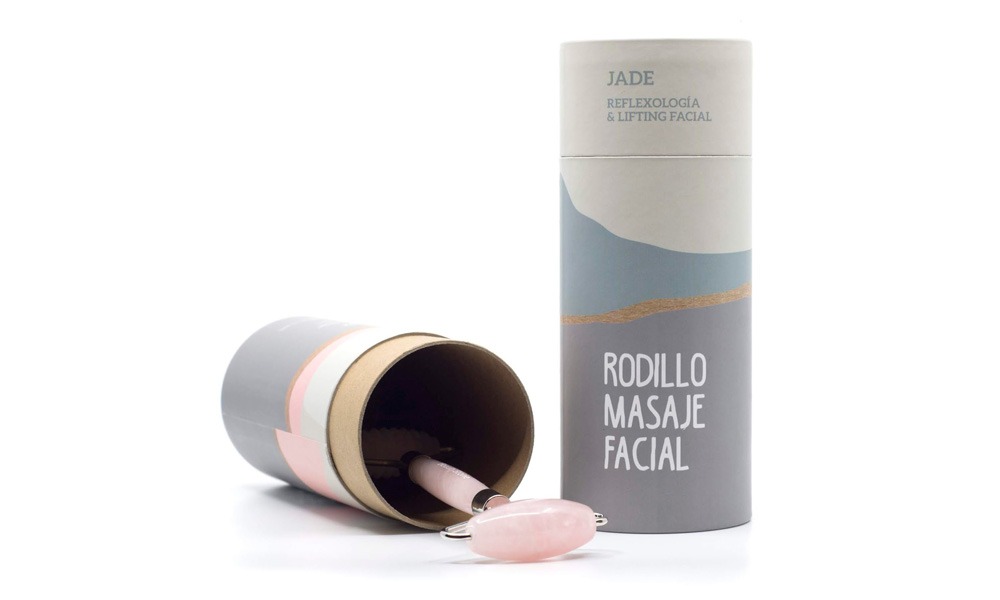
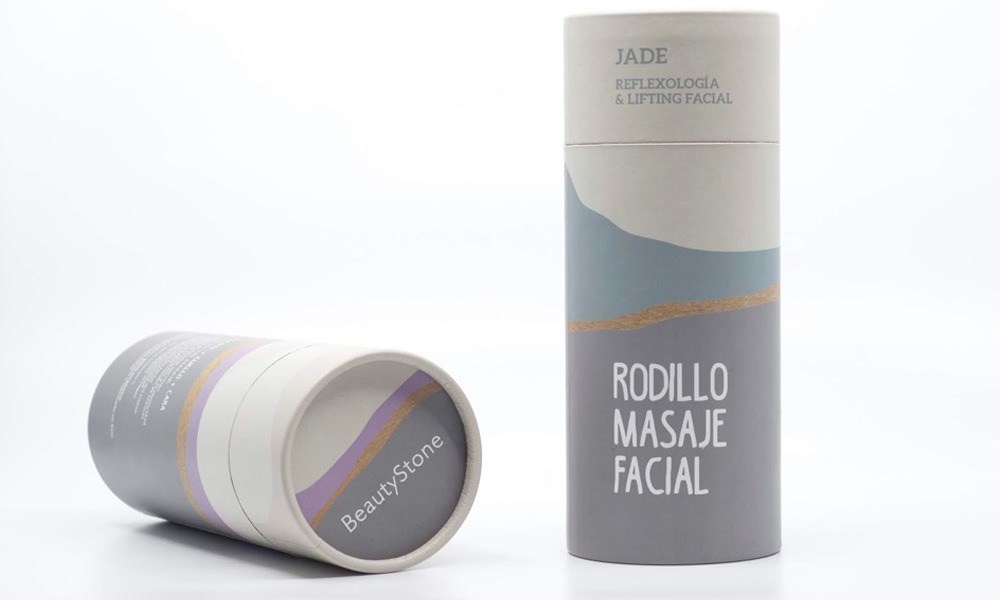
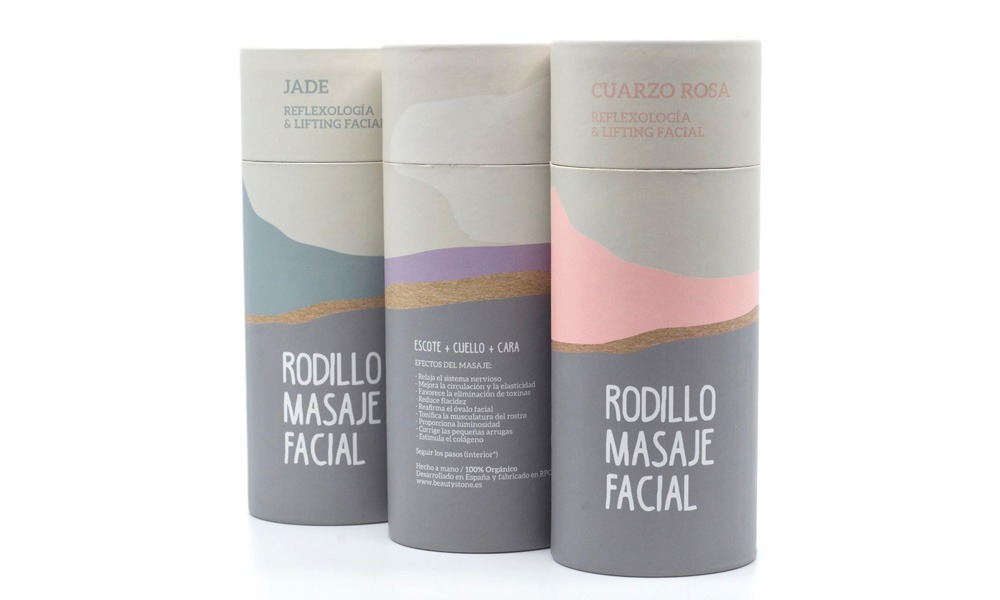
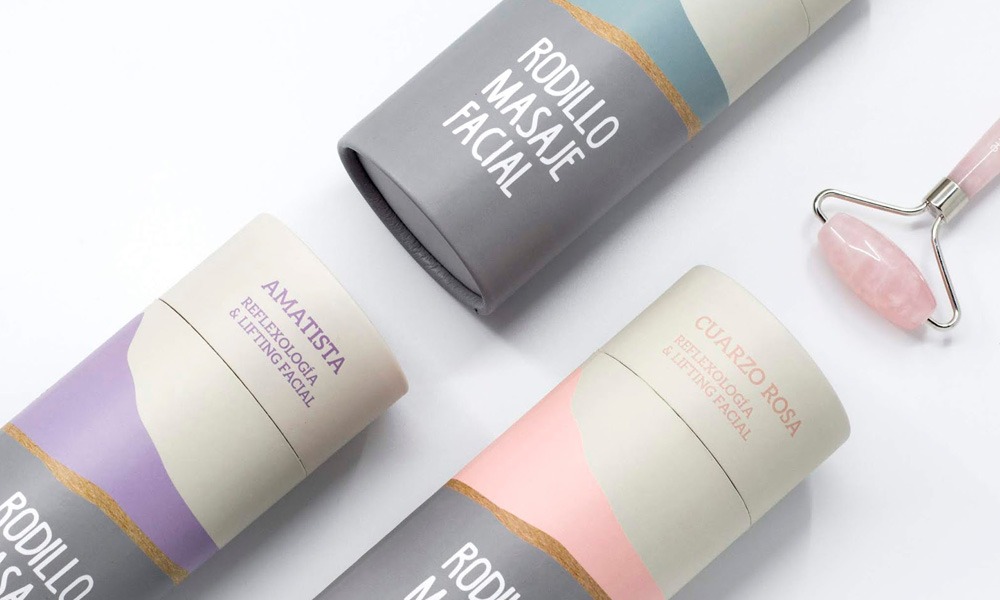
Les acheteurs de produits de beauté jugent avec leurs yeux et leurs mains. Un tube en papier offre une surface rigide et propre pour une finition de qualité supérieure, et il se prête bien à la photographie pour les pages de produits et les publicités.
Point de douleur de l'acheteur qu'il résout : les cartons fragiles qui se froissent dans les bacs de vente au détail ou qui s'écrasent dans les sacs à main. Les tubes rigides permettent à votre marque de conserver son aspect intentionnel.
Emballage en tube de papier à l'épreuve des enfants
L'emballage du cannabis obéit à des règles plus strictes. Il faut à la fois assurer la protection des enfants, la valeur d'affichage et la protection pendant le transport. Les formats de tubes en papier peuvent répondre à ces exigences avec la structure et les inserts appropriés.
Valeur des opérations : réduisent les cliquetis et les éraflures et diminuent le risque de retour. Il s'agit là d'un véritable avantage lorsque vous expédiez des milliers d'unités par l'intermédiaire de transporteurs mixtes.
Tubes d'emballage de cartouches de CBD
Les cartouches se rayent facilement et les clients le remarquent. Un tube ajusté et un insert maintiennent l'unité centrée et réduisent les dommages causés par les chocs lors de la livraison sur le dernier kilomètre.
Valeur des ventes : un déballage plus propre, moins de plaintes “arrivé rayé”, et de meilleures photos d'évaluation.
Tube d'emballage pour bandeau de cheveux avec fenêtre transparente
Les tubes en papier ne sont pas réservés aux produits consommables. Les accessoires bénéficient de l'aspect “cadeau” et d'une meilleure résistance à l'écrasement qu'un carton fin.
Angle de vente au détail : les acheteurs peuvent voir l'article rapidement. Cela réduit le temps de décision et favorise la conversion.
Emballage pour cheveux, peau, ongles, boîtes en carton
Les emballages de compléments alimentaires et de produits de bien-être ont souvent besoin d'une forte identité en rayon pour toute une gamme d'UGS. Une ligne de tubes en papier permet de conserver plus facilement une image de marque cohérente tout en changeant d'arôme ou de formule.
Valeur de la construction de la marque : Une structure cohérente entre les UGS donne à votre rayon un aspect plus serré et plus “véritable marque”, et non pas des produits uniques dispersés.
Emballage de tubes en papier pour bijoux
Pour les bijoux, l'emballage fait partie du produit. Un tube rigide donne l'impression d'être un souvenir et protège les articles lors de l'expédition sans remplissage supplémentaire.
Valeur pour le client : il donne l'impression d'être un cadeau, même s'il s'agit d'un achat personnel. C'est ainsi que l'on obtient un meilleur contenu d'unboxing.
Guide pour l'élimination des emballages en papier par les consommateurs
Même la meilleure conception est vouée à l'échec si les clients ne savent pas quoi en faire. Si votre emballage est composite, des conseils simples sur l'emballage permettent de réduire la confusion et d'améliorer les résultats dans le monde réel.
Restez direct :
Utiliser un texte d'élimination clair que les gens peuvent suivre d'un seul coup d'œil
Éviter les affirmations vagues qui ne peuvent être vérifiées
Alignez votre message sur la structure réelle de votre tube et de votre couvercle.
Cela permet de protéger votre marque et de réduire les frictions avec le service client.
Emballage en tube de papier OEM/ODM pour les commandes en gros et en masse
Lorsque vous dépassez le stade de l'échantillonnage, l'échelle devient l'enjeu principal. Vous avez besoin de matériaux cohérents, d'une impression stable et d'une production prévisible. C'est pourquoi les acheteurs préfèrent un fabricant capable de produire en masse et de maintenir un contrôle de qualité constant sur de longs cycles de production.
Si vous souhaitez renforcer la crédibilité de votre fournisseur, indiquez que la page d'accueil de votre catégorie principale est votre page d'entrée principale : Boîtes en papier tubulaire fabriquées sur mesure.
Si vous considérez cette page comme votre “base de départ” pour la navigation interne, elle aide également les acheteurs à passer d'un scénario à l'autre sans perdre le contexte.
Liste de contrôle de l'emballage des boîtes en papier pour une spécification prête à la production
Utilisez cette liste de contrôle pour réduire les allers-retours et accélérer l'échantillonnage :
Type de produit : poudre, thé, soin, cartouche, accessoire
Barrière contre l'humidité, l'oxygène, les odeurs et les graisses
Type de fermeture : couvercle en papier, couvercle en métal, mécanisme de sécurité pour les enfants
Plan d'insertion : mousse ou support structuré pour éviter les cliquetis
L'état d'esprit du transport en commun : anti-scuff, anti-crush, no rattle
Texte de conformité : déclarations et étiquettes obligatoires que vous prévoyez d'imprimer
Si vous donnez ce briefing à votre fournisseur dès le départ, vous réduirez les boucles de révision et atteindrez plus rapidement la production de masse.