Vous n'avez toujours pas trouvé la bonne solution d'emballage ? Parlez-en à notre patron.
Si vous avez consulté notre site web ou discuté avec le service des ventes et que vous ne voyez toujours pas la voie à suivre, envoyez votre demande ici. Votre message sera transmis directement à notre directeur général, qui examinera la faisabilité, le coût et le délai de mise en œuvre. Vous obtiendrez une étape suivante claire - ce que nous pouvons faire, ce que nous attendons de vous, et la voie la plus rapide pour obtenir un devis.
Examen direct par GM de vos spécifications, cas d'utilisation et contraintes
Vérification de la taille et de la structure : diamètre, hauteur, résistance des parois, inserts
Recommandations en matière d'impression et de finition en fonction de la marque et du budget
Possibilités de réduction des coûts et d'amélioration des délais
Clarté du cheminement du devis : MOQ, plan d'échantillonnage et étapes suivantes
Parler à notre patron
Obtenir un devis rapide pour l'emballage de tubes en papier sur mesure
Conçu pour les responsables de l'emballage, de l'approvisionnement et les ingénieurs de l'emballage. Spécifiez la taille, la quantité et la finition pour obtenir un devis, un délai de livraison et des conseils sur les spécifications pour les programmes américains/européens.
Personnalisation prête à l'emploi : diamètre, hauteur, épaisseur de paroi, inserts, doublures et fermetures
Finitions haut de gamme : CMYK/Pantone, film, gaufrage, UV
Clarté de l'approvisionnement : spécifications claires + conseils en matière de contrôle de la qualité et de gestion des défauts de fabrication
Durable : Papier FSC® disponible sur demande
Sécurité enfants : conforme à la norme ISO 8317 / PPPA
Dévoiler un emballage durable qui respire l'innovation
Table des matières
La plupart des marques ne perdent pas leurs clients parce que le produit est mauvais. Elles les perdent parce que l'emballage crée des frictions - unités endommagées, présence désordonnée en rayon, informations peu claires, ou un “beau design” qui ne peut survivre à la production de masse.
C'est pourquoi l'idée d'un “bourdonnement d'innovation” est importante. Il ne s'agit pas d'un graphisme à la mode. Il s'agit de construire un système d'emballage qui accomplit trois tâches à la fois : Durable, Informatif, et Visuellement attrayant. Lorsque ces trois éléments sont équilibrés, vous obtenez des emballages qui se vendent en rayon, qui sont expédiés proprement et qui s'échelonnent sans problème.
Si vous recherchez des boîtes en papier personnalisées pour des commandes en gros, des commandes OEM/ODM ou des commandes groupées, cet article transforme ces idées en scénarios réels que vous pouvez utiliser immédiatement.
Emballage durable
La durabilité commence par des décisions que vous pouvez ressentir dans votre chaîne d'approvisionnement, et pas seulement par une ligne sur la boîte.
Voici à quoi ressemble le terme “durable” lorsque vous expédiez des milliers d'unités :
Une structure adaptée vous ne payez donc pas pour expédier de l'espace vide.
Paroi tubulaire durable + fermeture stable afin de ne pas perdre de marge à cause des dégâts et des renouvellements.
Stratégie matérielle qui soutient le message de la marque sans compliquer la production.
Où cela apparaît de manière évidente
Suppléments et nutrition: Les tubes protègent bien les poudres et les gélules, en particulier lorsque vous souhaitez un déballage de qualité sans carton fragile. Voici une bonne référence emballage en tube de papier pour protéines en poudre.
La durabilité, en termes de fabrication en vrac, signifie moins de maux de tête : moins de boîtes écrasées, moins de retours, moins de plaintes “pourquoi mon emballage a-t-il changé”.
Emballage informatif
Si les clients ne peuvent pas trouver les détails essentiels en cinq secondes, vous leur demandez trop d'efforts. C'est alors qu'ils hésitent, rebondissent ou achètent le produit du concurrent qui se trouve à côté du vôtre.
Un emballage informatif est un problème de mise en page. En corrigeant la hiérarchie, le produit devient plus facile à acheter.
Une pile d'informations simple et efficace
FrontLe nom du produit + une promesse claire (pas un paragraphe).
Côté: utilisation, ingrédients, notes de conformité, code-barres, QR.
Retour: histoire de la marque, origine, certifications, service à la clientèle.
Scénarios réels
Accessoires pour cheveux ont souvent besoin d'informations sur les tailles, les matériaux et l'entretien. Un tube peut contenir toutes ces informations sans paraître surchargé, en particulier avec une fenêtre comme celle-ci emballage en tube de papier avec fenêtre transparente et poignée en soie.
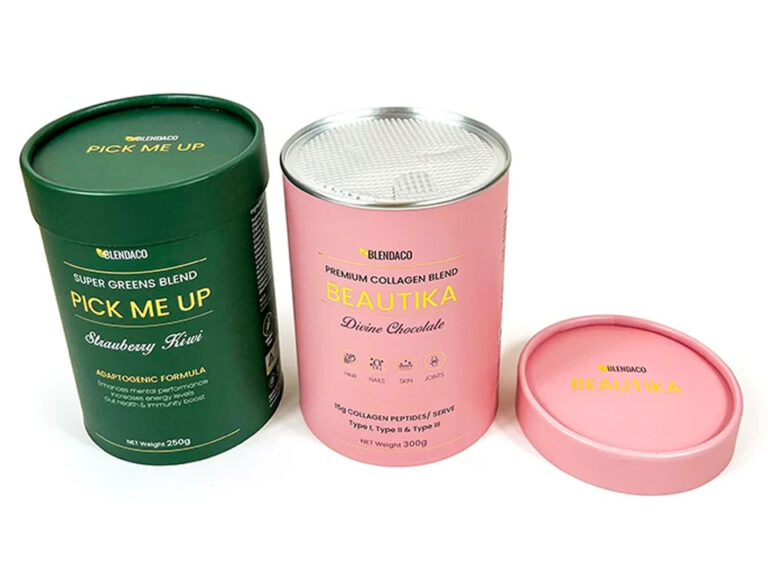
Compléments de beauté ont généralement besoin de plus de contenu sur l'emballage. Vous pouvez conserver une face avant épurée et déplacer les informations les plus denses vers les panneaux latéraux, comme dans la structure présentée ici. emballage en tube de papier pour les cheveux, la peau et les ongles.
Informatif ne signifie pas “plus de texte”. Cela signifie que le bon texte apparaît au bon endroit.
Un emballage visuellement attrayant
L'apparence n'est pas facultative. Votre emballage est votre vendeur silencieux.
Mais le but n'est pas d'être “joli”. Vous voulez lisibilité en rayon et rappel de la marque:
Quelqu'un peut-il reconnaître votre UGS à deux mètres de distance ?
Vos variantes ressemblent-elles à une famille, et non à des produits aléatoires ?
La finition est-elle en adéquation avec le niveau de prix ?
Un moyen pratique de créer une image cohérente
Utiliser un seul système de couleurs de base pour l'ensemble de la ligne.
Attribuez une seule couleur d'accent par UGS.
Veillez à la cohérence de la typographie. Modifiez l'imagerie, mais pas l'ensemble du langage graphique.
Ce qui est payant
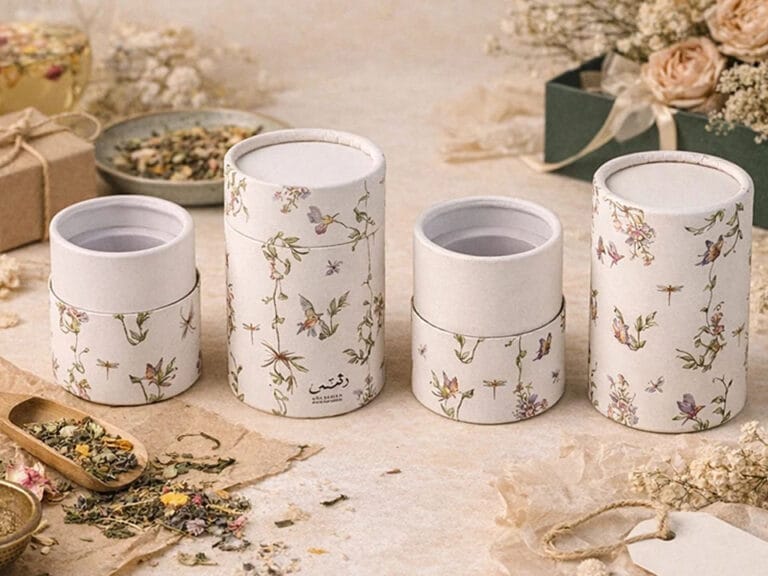
Cosmétiques: Un tube de papier peut rapidement prendre une allure haut de gamme grâce à une impression propre et à des finitions contrôlées. Commencez par une structure comme emballage de tubes en carton pour cosmétiques.
Produits cadeaux: Si l'emballage fait partie du cadeau, la forme du tube joue un rôle important. Cette forme de tube fait beaucoup d'efforts. emballage en tube de papier pour bijoux et bracelets montre qu'une silhouette simple peut rester haut de gamme.
Un système visuel solide facilite également la diffusion de vos annonces. Les photos de vos produits sont plus cohérentes et la vitrine de votre magasin ressemble davantage à une véritable marque qu'à une liste aléatoire.“
Design minimaliste
La conception minimaliste n'est pas une tendance de style. C'est un raccourci de conversion.
Lorsque la mise en page reste propre :
les clients comprennent plus rapidement le produit
votre copie de conformité reste lisible
votre marque paraît plus sûre d'elle
Une règle rapide qui permet d'éviter les “emballages chargés”
Message d'un héros sur le devant.
Deux éléments d'appui au maximum (badge, icône, bref descripteur).
Tout le reste est déplacé sur le côté ou à l'arrière.
Le minimalisme vous protège également en cas de production de masse. Il réduit le risque que de petits problèmes d'alignement deviennent évidents sur un site très fréquenté.
Découpage et collage
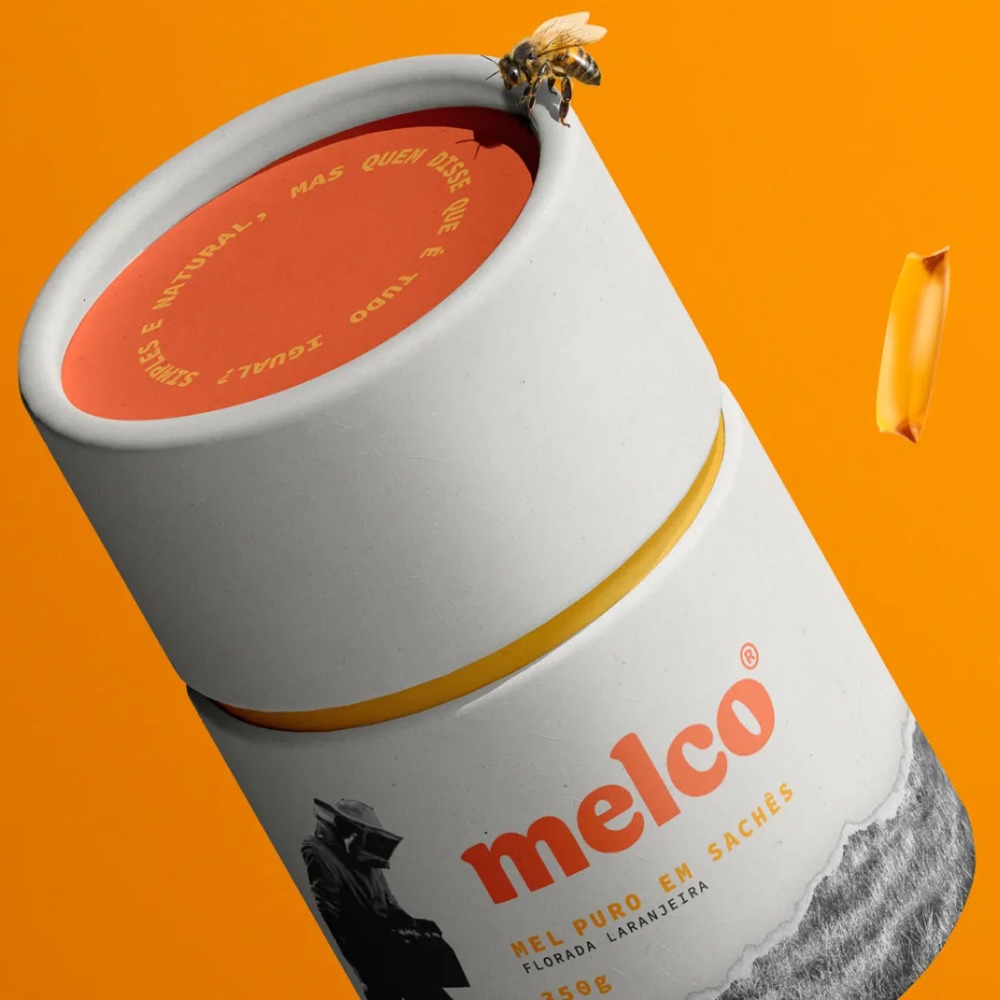
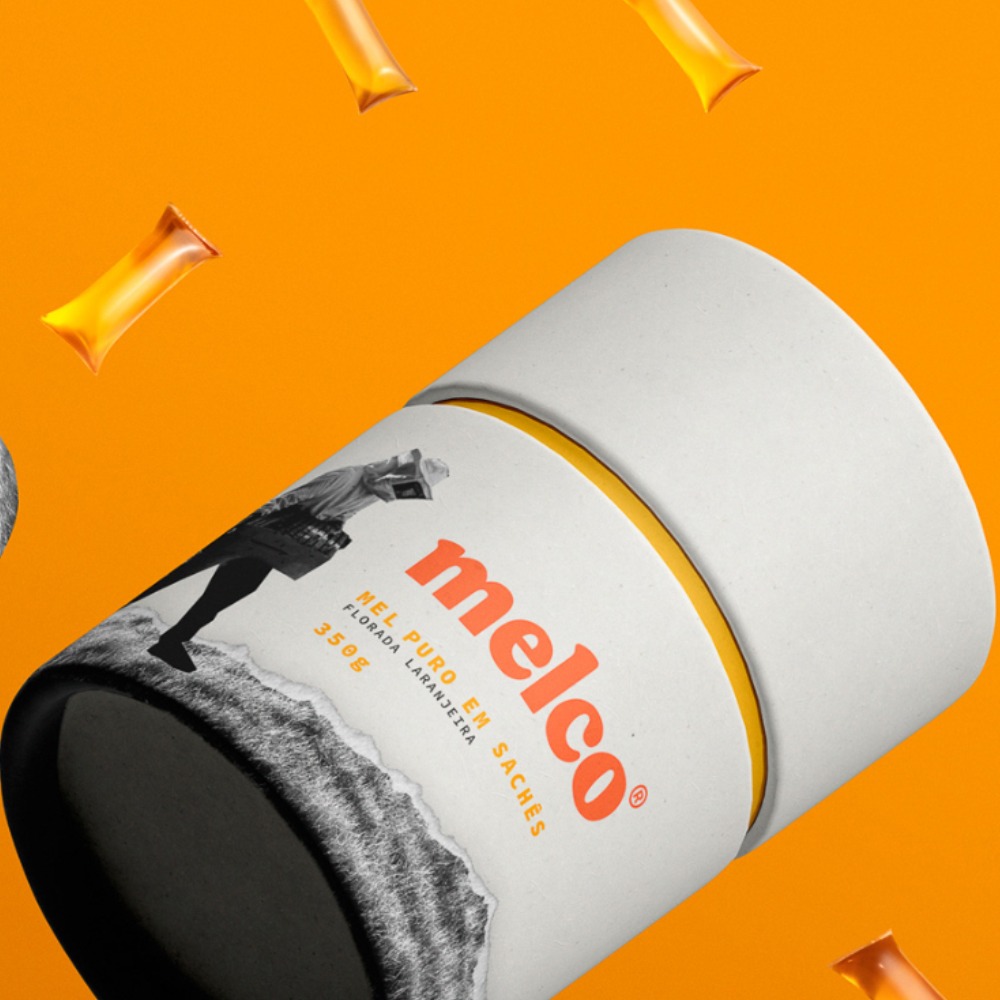
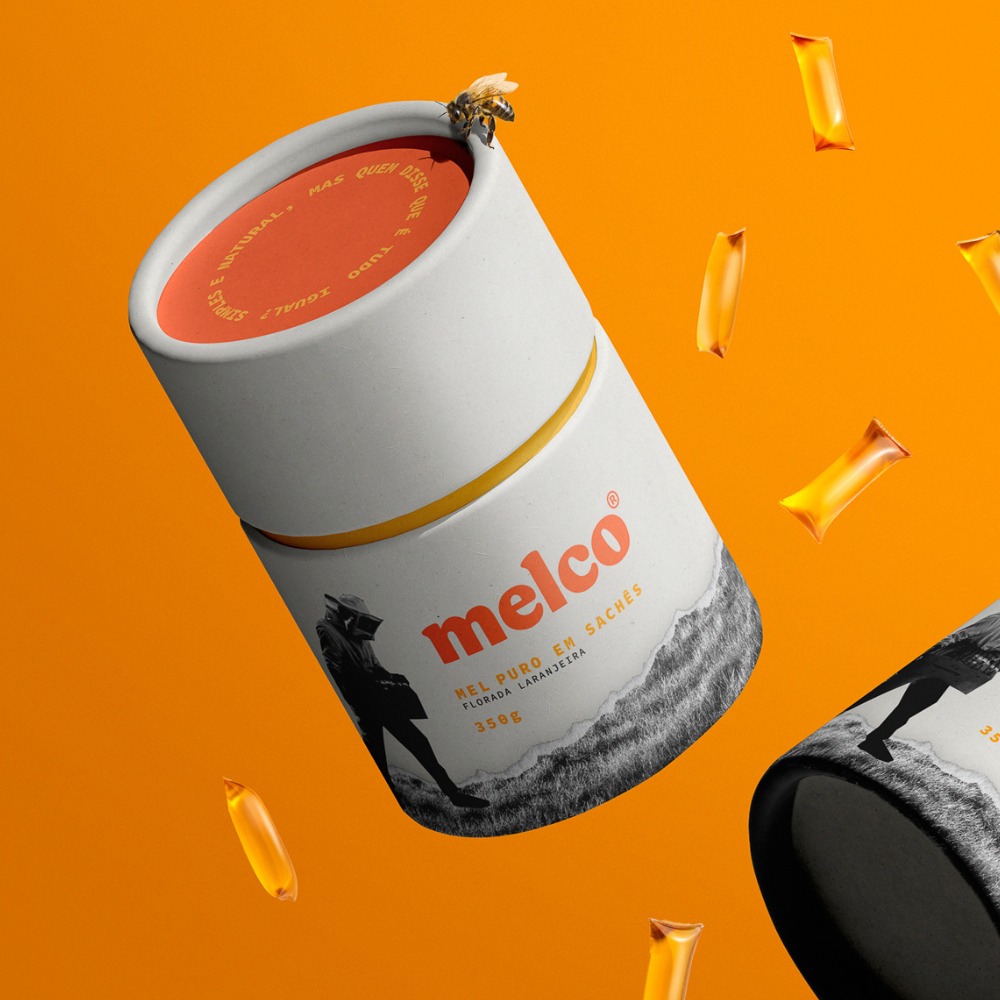
“Le ”découpage et collage" est une technique intelligente lorsque l'on veut de la personnalité sans encombrement.
Il s'agit d'un chaos contrôlé :
Vous pouvez présenter les ingrédients, les indices d'origine et l'ambiance du produit dans un seul visuel.
Votre design reste flexible pour les produits saisonniers et les éditions limitées.
Vous obtenez une présence distincte en rayon qui ne repose pas sur des couleurs criardes.
Catégories les mieux adaptées
Collaborations avec les marques: Les visuels de collage créent un nouveau look sans avoir à reconstruire le système dans son intégralité.
Produits réglementés: Vous pouvez garder le texte de conformité propre tout en lui donnant du style.
Pour les structures d'emballage réglementées, ces deux documents sont des références pratiques :
Le collage est également très utile pour le marketing. Il vous donne des actifs que vous pouvez réutiliser sur les pages de produits, les encarts et les réseaux sociaux sans que cela ne paraisse répétitif.
Matériaux écologiques
Les matériaux respectueux de l'environnement sont importants, mais le véritable test est de savoir si l'emballage complet fonctionne :
Protège-t-il le produit tout au long du processus d'exécution ?
Garde-t-il sa forme après un transport sur de longues distances ?
Est-ce qu'il a toujours l'air de qualité supérieure après avoir été manipulé ?
C'est là que les tubes en papier brillent. Ils sont rigides, s'empilent bien et se tiennent bien en main. Si vous construisez la structure correctement, vous éviterez les problèmes classiques : coins écrasés, cartons pliés et désordre au moment du déballage.
Boîtes en papier tubulaire fabriquées sur mesure
Si vous achetez en vrac, vous n'achetez pas seulement une boîte. Vous achetez une stabilité de production.
Votre site vous positionne en tant que Boîtes en papier tubulaire fabriquées sur mesure, L'entreprise dispose d'un atelier moderne de purification des emballages alimentaires, d'un vaste entrepôt et d'une capacité de production quotidienne élevée. C'est important pour les acheteurs qui ont besoin :
une impression et des couleurs cohérentes pour toutes les commandes
des délais de livraison stables pendant les saisons de pointe
un rendement fiable pour le commerce de gros et la distribution
C'est également à ce niveau que l'OEM/ODM prend toute sa valeur. Vous pouvez aligner les exigences en matière de structure, d'impression, de finition et d'emballage sous un même toit au lieu de jongler avec les fournisseurs.
Pour une navigation rapide par catégorie, dirigez votre équipe vers la page Catalogue des produits. Et si quelqu'un a besoin d'une vue d'ensemble des capacités, envoyez-le à votre site web. page d'accueil.
Scénarios d'emballage OEM/ODM et de gros
Voici comment le cadre “durable / informatif / visuellement attrayant” se traduit par des besoins réels des acheteurs, sans tomber dans la théorie.
Titre de l'argument
Ce qu'il faut décider en premier lieu
Point de douleur typique de l'acheteur qu'il résout
Source
Emballage durable
Dimensionnement de la structure + niveau de protection
Taux d'avarie, retours, plaintes concernant les suremballages
Ce tableau est votre “colonne vertébrale professionnelle”. Vous pouvez l'insérer dans un article de blog, un pitch deck ou un e-mail de sourcing. Il oriente également les acheteurs vers des structures de produits spécifiques, ce qui améliore la qualité des demandes.
Ingénieurs en emballage
Si vous voulez que l'emballage soit évolutif, traitez-le comme un flux de travail, et non comme une tâche de conception ponctuelle.
Un flux OEM/ODM propre ressemble généralement à ceci :
Verrouiller le taille du tube + fermeture + insert d'abord.
Approuver un échantillon physique avec la vraie finition.
Congeler l'œuvre d'art une fois que la structure est stable.
Diriger la production avec des points de contrôle de qualité clairs (couleur, forme, sensation de fermeture).
C'est ainsi que vous protégez la cohérence de la marque entre les lots et les marchés, en particulier pour les vendeurs transfrontaliers qui ne peuvent pas se permettre d'avoir des “surprises” après l'arrivée de la cargaison.
Si vous souhaitez explorer rapidement les structures, commencez par la rubrique page d'accueil pour une vue d'ensemble des capacités, puis sautez dans le Catalogue des produits pour présélectionner ce qui correspond à votre catégorie.