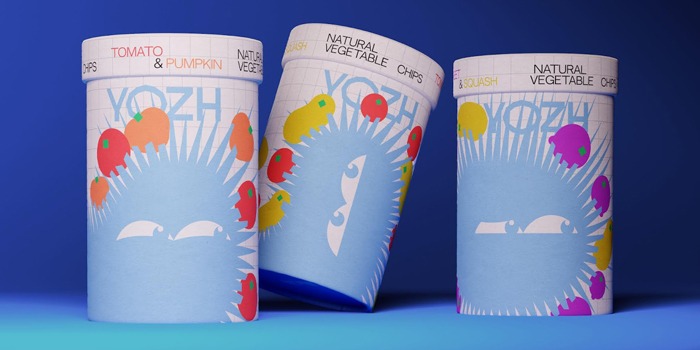
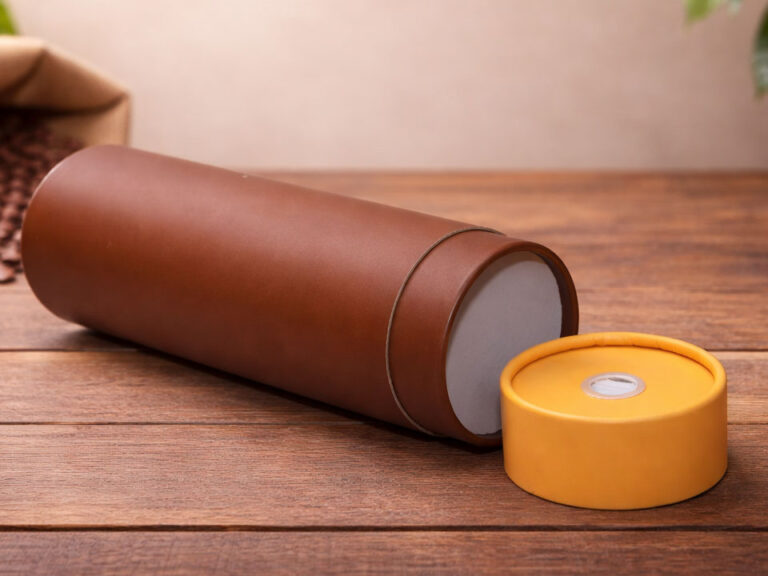
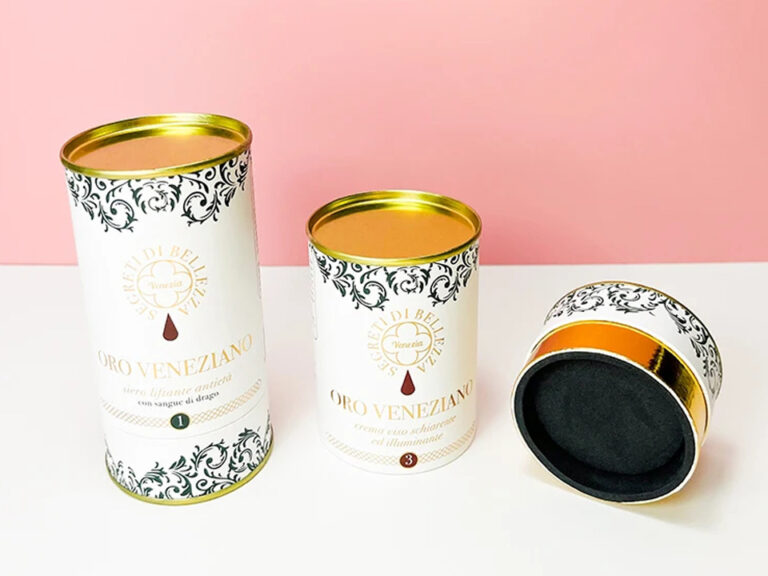
Vous n'avez toujours pas trouvé la bonne solution d'emballage ? Parlez-en à notre patron.
Si vous avez consulté notre site web ou discuté avec le service des ventes et que vous ne voyez toujours pas la voie à suivre, envoyez votre demande ici. Votre message sera transmis directement à notre directeur général, qui examinera la faisabilité, le coût et le délai de mise en œuvre. Vous obtiendrez une étape suivante claire - ce que nous pouvons faire, ce que nous attendons de vous, et la voie la plus rapide pour obtenir un devis.
Examen direct par GM de vos spécifications, cas d'utilisation et contraintes
Vérification de la taille et de la structure : diamètre, hauteur, résistance des parois, inserts
Recommandations en matière d'impression et de finition en fonction de la marque et du budget
Possibilités de réduction des coûts et d'amélioration des délais
Clarté du cheminement du devis : MOQ, plan d'échantillonnage et étapes suivantes
Parler à notre patron
Obtenir un devis rapide pour l'emballage de tubes en papier sur mesure
Conçu pour les responsables de l'emballage, de l'approvisionnement et les ingénieurs de l'emballage. Spécifiez la taille, la quantité et la finition pour obtenir un devis, un délai de livraison et des conseils sur les spécifications pour les programmes américains/européens.
Personnalisation prête à l'emploi : diamètre, hauteur, épaisseur de paroi, inserts, doublures et fermetures
Finitions haut de gamme : CMYK/Pantone, film, gaufrage, UV
Clarté de l'approvisionnement : spécifications claires + conseils en matière de contrôle de la qualité et de gestion des défauts de fabrication
Durable : Papier FSC® disponible sur demande
Sécurité enfants : conforme à la norme ISO 8317 / PPPA
Quels sont les types et les applications des tubes en papier ?
Table des matières
Les tubes en papier sont présents dans plus d'endroits que la plupart des gens ne le remarquent. Vous les verrez comme boîtes en papier prêtes pour la vente au détail sur une étagère, comme tubes d'expédition qui protègent les affiches, et en tant que mandrins de papier industriel qui assurent le bon fonctionnement des rouleaux sur une ligne. Le plus difficile n'est pas de savoir si l'on a besoin d'un tube de papier. C'est quel type de construction et quelles spécifications Les produits de la catégorie "B" ne présentent pas de bosses, réduisent les demandes d'indemnisation et conservent un aspect soigné sur les photos.
Si vous vous approvisionnez en vrac, en OEM/ODM ou en gros, il est également utile de travailler avec un fabricant capable de s'adapter. À l'adresse Boîtes en papier tubulaire personnalisées, Nous disposons d'un atelier moderne de purification des emballages alimentaires et d'un entrepôt de 12 300 m², avec une production quotidienne moyenne de plus de 300 000 pièces, ce qui vous permet de passer de l'échantillon à la production de masse sans encombre.
Types de tubes en papier : spiralé ou convoluté (enroulé en parallèle)
Les deux principaux types de construction : l'enroulement en spirale et l'enroulement convoluté/parallèle.
La plupart des tubes en papier entrent dans la catégorie deux structures:
Tubes en papier enroulés en spiraleLes couches s'enroulent en biais autour du tube, créant ainsi une couture en spirale visible.
Tubes en papier à enroulement parallèleLes couches de type “wrap” sont plus "droites", ce qui permet souvent d'obtenir une paroi plus nette et plus uniforme et une couture qui s'étend sur toute la longueur de la paroi.
Il ne s'agit pas de simples choix d'usine. Ils modifient le comportement du tube sous pression, la netteté de la coupe et la capacité du tube à conserver sa forme pendant le transport.
Tubes en papier enroulés en spirale pour l'emballage et l'expédition au quotidien
Les tubes à enroulement spiralé sont le “cheval de bataille”. Ils conviennent parfaitement lorsque vous avez besoin d'un tube homogène pour l'emballage général et l'expédition.
Scénarios du monde réel :
Expédition d'affiches, d'œuvres d'art et de documents lorsque la résistance à l'écrasement est plus importante que la douceur parfaite de la paroi intérieure
Boîtes en papier pour la vente au détail pour les produits de poids moyen qui nécessitent une présence en rayon et des parois solides
Emballage tubulaire de type cadeau où l'impression et les finitions font le gros du travail
Si vous vendez plusieurs UGS, l'enroulement en spirale facilite également la standardisation des tailles et la cohérence de l'emballage pour l'ensemble de votre gamme de produits.
Tubes en papier à enroulement parallèle pour des performances élevées
Lorsque les marques parlent de “sensation de qualité supérieure” ou de “force industrielle”, elles veulent généralement ce que l'enroulement convoluté/parallèle fait bien : une structure plus serrée et une plus grande résistance à la charge.
Scénarios du monde réel :
Remplissage plus lourd (poudres denses, kits de matériel ou ensembles de plusieurs pièces) où l'emballage doit rester rond et serré
Logistique à haut niveau de stress (expédition sur de longues distances, empilage en hauteur, manipulation brutale) où un tube faible se transforme en retour.
Emballage de précision si vous ne supportez pas les tubes ondulés, cliquetants ou de forme ovale
Si vous avez déjà vu un tube arriver légèrement “en forme d'œuf”, vous savez déjà pourquoi la structure est importante.
Tubes en papier et mandrins en papier : ne pas les confondre
Tube en papier ou âme en papier : épaisseur de la paroi et objectifs de charge
On dit “tube en papier” pour tout. Dans le domaine de la fabrication, mandrins en papier signifie généralement des tubes plus épais et porteurs utilisé pour enrouler des matériaux (films, étiquettes, textiles, etc.). Tubes en papier penchent souvent vers l'emballage, Le tube doit protéger et présenter le produit.
Voici la façon la plus simple d'y penser :
Choisir emballage de tubes en papier lorsque vous vous souciez de l'image de marque, de l'unboxing et de l'adaptation à la vente au détail.
Choisir mandrins en papier lorsque vous vous souciez de la vitesse de la ligne, du contrôle de la tension et de la reproductibilité des performances mécaniques.
Si votre produit se trouve à l'intérieur d'un tube et est vendu au détail, vous êtes généralement dans le domaine de l'emballage. Si votre matériau s'enroule autour d'un tube sur une machine, vous êtes dans le territoire de l'emballage.
Identification visuelle : couture en spirale ou couture droite
Vous n'avez pas besoin d'outils de laboratoire pour repérer les éléments de base :
Les tubes à enroulement spiralé présentent généralement une ligne en spirale autour du corps.
Les tubes convexes présentent souvent une couture droite sur la longueur (parfois cachés sous du papier d'emballage).
Cela est utile lors des audits de fournisseurs, des inspections à la réception et des examens d'échantillons. Les conversations sont également plus rapides : personne ne veut d'un fil de 20 courriels juste pour confirmer la structure.
Applications industrielles des tubes en papier
Bobinage et transformation industriels : le cas d'utilisation de la “dorsale silencieuse
Les noyaux industriels ne font pas l'objet de posts Instagram, mais ils permettent à la production d'avancer. Si le cœur tombe en panne, vous le verrez :
dommages au bord du rouleau
télescopique
problèmes de tension
arrêts de ligne et déchets
C'est pourquoi les acheteurs industriels se concentrent sur Tolérance ID, résistance à l'écrasement et qualité des arêtes plus que des finitions de surface.
Bobinage de textiles et de fils : tolérance serrée et coupes nettes
Les entreprises de textile et de fil ont tendance à se préoccuper de ces questions :
contrôle étroit de l'ID/OD
bords coupés nets (pas de flou, pas de sensation de bavure)
murs stables qui ne s'effondrent pas sous la pression du vent
Si votre client est un fournisseur de fils ou de tissus, ne le traitez pas comme un simple “tube”. Traitez-le comme une pièce performante.
Emballages pour la vente au détail de produits cosmétiques, de thé, de protéines en poudre, etc.
C'est là que les tubes en papier se révèlent vraiment intéressants pour les marques : ils sont robustes, ils ont un aspect haut de gamme et ils peuvent être construits pour une présentation propre sur les étagères.
Voici des scénarios d'emballage courants (avec des exemples internes) :
Emballage de bijoux et de bracelets où l'aspect “prêt à offrir” est le produit : voir boîtes en papier pour bijoux.
Emballage des cartouches de CBD et d'autres catégories réglementées pour lesquelles l'adéquation et la protection ne sont pas négociables : voir boîtes en papier pour cartouches CBD.
Si vous souhaitez parcourir rapidement d'autres formats, commencez par la rubrique Catalogue des produits. C'est un moyen rapide de s'aligner sur la structure, le style et l'orientation de la catégorie.
Bouchons et fermetures : ils évitent les dommages et favorisent la réutilisation
Les capuchons d'extrémité réduisent les dommages causés par le transport et permettent aux tubes de conserver leur aspect neuf.
Un tube en papier se détériore souvent d'abord aux extrémités. C'est là que les impacts se produisent et c'est là que les clients jugent la qualité en deux secondes.
Les embouts vous aident :
réduire l'écrasement des bords et les bosses
empêcher la poussière de pénétrer
empêchent le “roulement” pendant le transport
créer un moment de déballage plus propre
Pour les tubes d'expédition, les bouchons sont presque obligatoires. Pour les boîtes tubulaires destinées à la vente au détail, le style de fermeture fait également partie de l'image de marque.
Tubes en papier VCI pour la prévention de la rouille et la protection des pièces métalliques
Emballage en tube papier VCI pour le stockage et l'expédition de pièces métalliques
Si vous expédiez des pièces métalliques, le risque de rouille peut rapidement se transformer en retours, en particulier dans le cas d'un transport maritime ou d'un entreposage de longue durée. Papier VCI peuvent libérer des inhibiteurs de corrosion qui protègent les surfaces métalliques dans les espaces clos.
Cas d'utilisation typiques :
kits de pièces détachées
fixations et accessoires d'outils
les composants de précision qui ne supportent pas l'oxydation de surface
Si vous faites partie de cette catégorie, vous spécifierez généralement la chambre à air comme un système : chambre à air + enveloppe intérieure/doublure + fermeture.
La personnalisation est la norme : taille, impression, encarts et finitions.
Boîtes en papier tubulaire personnalisées pour OEM/ODM et vente en gros
La plupart des marques ne veulent pas d'un “tube”. Elles veulent leur tube:
hauteur exacte pour s'adapter au produit
diamètre intérieur étroit pour réduire le cliquetis
des inserts qui bloquent le produit en place
des finitions imprimées qui ressortent sous l'éclairage du magasin
des codes-barres et des informations sur les lots qui se scannent proprement
C'est là qu'un flux de travail unique est important. Sur le site Page d'accueil des boîtes en papier tubulaire personnalisées, Dans le cas de l'étiquette, vous pouvez voir le positionnement du fabricant et l'échelle de production. Pour les grossistes, les distributeurs et les vendeurs de marques privées, l'objectif est simple : conserver un emballage cohérent d'un lot à l'autre, réduire les problèmes de contrôle qualité et respecter les délais.
Processus de fabrication et contrôle de la qualité : d'où vient la fiabilité ?
Étapes de fabrication : enroulement, collage, coupe, durcissement, finition
Un bon tube est ennuyeux dans le meilleur sens du terme. Il reste rond. Il coupe proprement. Il n'a pas d'odeur bizarre. Il ne présente pas de taches de colle. Pour obtenir cette consistance, il faut maîtriser le processus, et non pas avoir de la chance.
La plupart des processus de fabrication se déroulent de la sorte :
sélectionner les qualités de papier et les adhésifs
couches de vent jusqu'à l'épaisseur cible de la paroi
durcir et stabiliser
couper à la longueur voulue avec des bords nets
ajouter du papier d'emballage, de l'impression, des revêtements, des inserts et des fermetures
effectuer les derniers contrôles avant l'emballage
Mesures de contrôle de la qualité : compression, dimensions et finition des bords
Si vous achetez en vrac, vous devez vous préoccuper de.. :
résistance à la compression (facilite l'empilage et le transport)
Cohérence ID/OD (aide à l'ajustement et aux inserts)
qualité des bords (contribue à la sécurité et à la qualité perçue)
stabilité de l'état de surface (permet d'éviter les éraflures et les changements de couleur)
Si vous avez déjà été confronté au problème “même dessin, lot différent, couleur différente”, vous savez déjà pourquoi les points de contrôle du contrôle qualité sont importants.
Tableau de comparaison rapide : types, points forts et scénarios optimaux
Type de tube en papier
Ce qu'il sait faire
Où il s'adapte le mieux
Ce que les acheteurs regardent habituellement
Tube en papier enroulé en spirale
structure fiable, dimensions flexibles, robustesse pour un usage général
boîtes tubulaires pour la vente au détail, tubes pour affiches et courrier, nombreux biens de consommation
résistance globale à l'écrasement, emballage propre, alignement de l'impression
Tube en papier à enroulement parallèle
performance de charge plus élevée, paroi stable, plus résistante sous la contrainte
produits lourds, emballages de précision, logistique plus difficile
contrôle plus étroit du diamètre, uniformité de la paroi, meilleure performance d'empilage
Noyau de papier (industriel)
stabilité du rouleau, performance de la ligne, enroulement répétitif
bobinage et transformation de films/étiquettes/textiles
Tolérance ID, finition des bords, compression, faux-rond
Sources utilisées pour ces points : des documents de référence de l'industrie sur la construction des tubes en papier (spirale vs convolute/parallèle), ainsi que des pratiques de contrôle de qualité côté fabrication couramment utilisées dans la production de tubes.
Comment choisir le tube en papier adapté à votre produit ?
Si vous souhaitez prendre une décision rapide, posez les questions suivantes :
S'agit-il d'un emballage de vente au détail ou d'un enroulement industriel ? C'est ce qui fait la différence entre “tube” et “noyau”.”
Quel est votre mode d'échec aujourd'hui ? Les bosses, le manque d'ajustement, les éraflures ou les retours de casse indiquent tous des spécifications différentes.
Avez-vous besoin de fonctions de mise en conformité ? Une preuve d'effraction, une structure de sécurité pour les enfants ou un étiquetage réglementé modifient la construction.
Où le produit se vendra-t-il ? Le commerce électronique a besoin d'une résistance aux dommages. Le commerce de détail a besoin d'un impact en rayon. De nombreuses marques ont besoin des deux.
Si vous construisez une ligne d'emballage pour plusieurs canaux, le plus judicieux est de vous aligner d'abord sur une structure tubulaire, puis de régler les détails - qualité du papier, épaisseur de la paroi, fermeture, inserts et finitions d'impression - afin que votre emballage soit performant tout en conservant un aspect haut de gamme.
Si vous êtes prêt à faire correspondre votre UGS à une spécification de tube, commencez par parcourir la section produits d'emballage en tube de papier et choisissez la catégorie la plus proche. Cela permet généralement de trouver la bonne structure en quelques minutes, et non en quelques semaines.