Vous n'avez toujours pas trouvé la bonne solution d'emballage ? Parlez-en à notre patron.
Si vous avez consulté notre site web ou discuté avec le service des ventes et que vous ne voyez toujours pas la voie à suivre, envoyez votre demande ici. Votre message sera transmis directement à notre directeur général, qui examinera la faisabilité, le coût et le délai de mise en œuvre. Vous obtiendrez une étape suivante claire - ce que nous pouvons faire, ce que nous attendons de vous, et la voie la plus rapide pour obtenir un devis.
Examen direct par GM de vos spécifications, cas d'utilisation et contraintes
Vérification de la taille et de la structure : diamètre, hauteur, résistance des parois, inserts
Recommandations en matière d'impression et de finition en fonction de la marque et du budget
Possibilités de réduction des coûts et d'amélioration des délais
Clarté du cheminement du devis : MOQ, plan d'échantillonnage et étapes suivantes
Parler à notre patron
Obtenir un devis rapide pour l'emballage de tubes en papier sur mesure
Conçu pour les responsables de l'emballage, de l'approvisionnement et les ingénieurs de l'emballage. Spécifiez la taille, la quantité et la finition pour obtenir un devis, un délai de livraison et des conseils sur les spécifications pour les programmes américains/européens.
Personnalisation prête à l'emploi : diamètre, hauteur, épaisseur de paroi, inserts, doublures et fermetures
Finitions haut de gamme : CMYK/Pantone, film, gaufrage, UV
Clarté de l'approvisionnement : spécifications claires + conseils en matière de contrôle de la qualité et de gestion des défauts de fabrication
Durable : Papier FSC® disponible sur demande
Sécurité enfants : conforme à la norme ISO 8317 / PPPA
Pourquoi opter pour un emballage en tube de papier pour les chemises ou les sous-vêtements ?
Table des matières
Si vous vendez des chemises ou des sous-vêtements, vous avez probablement constaté que les mêmes problèmes se posent encore et encore : des plis dus à des pliages difficiles, un emballage qui a l'air d'un “budget” sur une caméra, des boîtes qui s'écrasent pendant le transport et une ligne d'exécution qui ralentit parce que l'emballage comporte trop d'étapes.
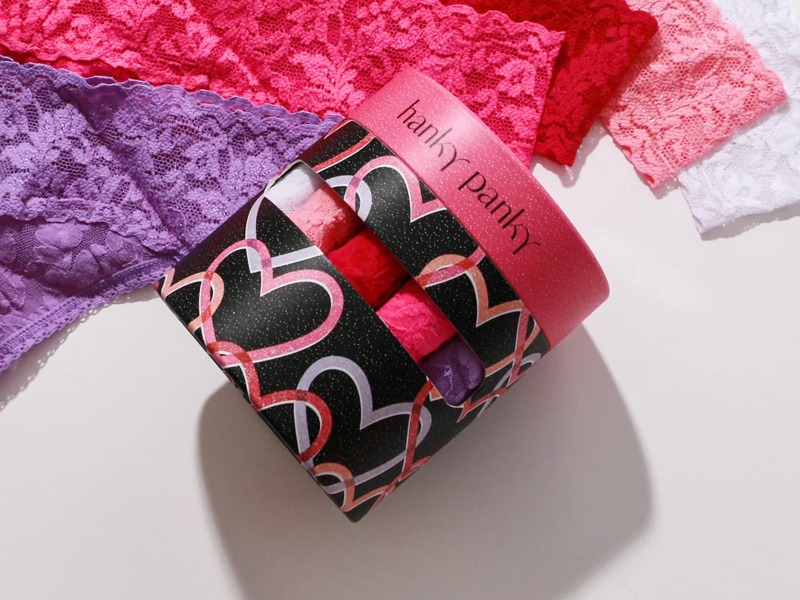
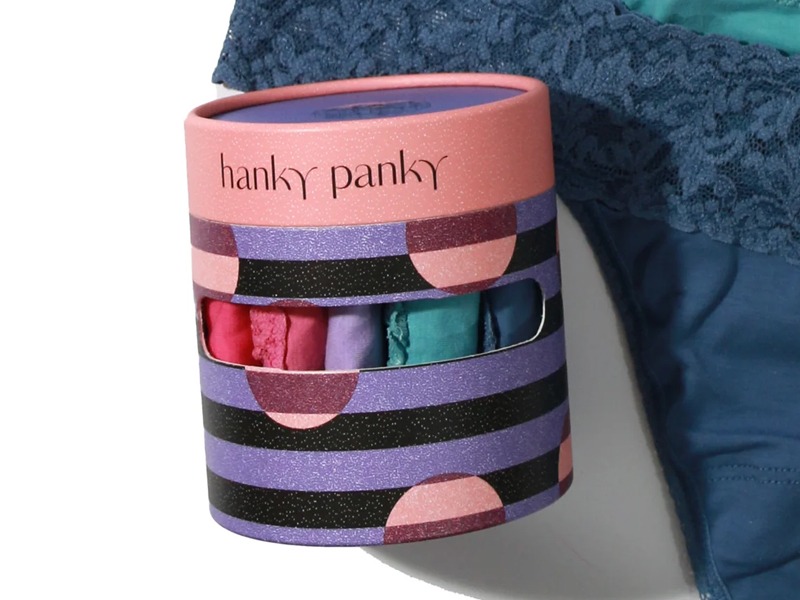
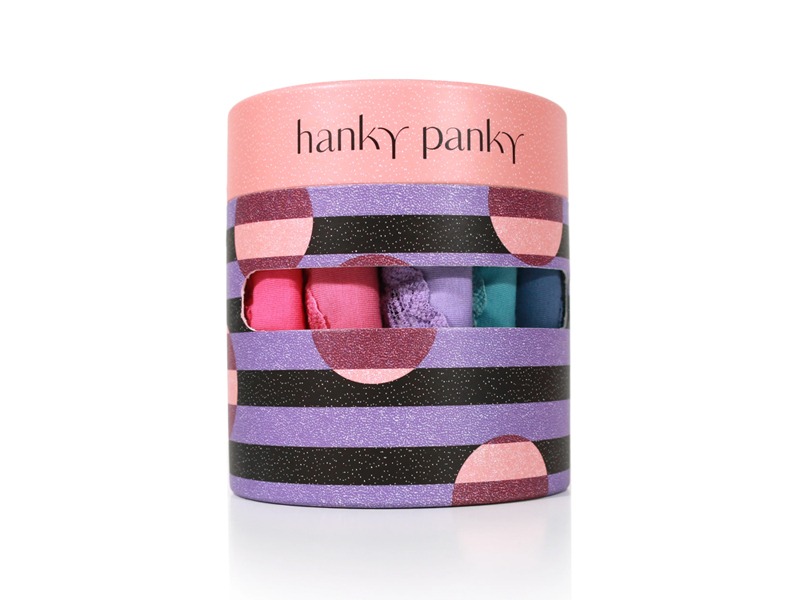
C'est pourquoi de plus en plus de marques de vêtements adoptent l'emballage en tube de papier. Il est facile à mettre en rayon, à expédier et à adapter à la vente en gros, aux commandes groupées et aux séries OEM/ODM.
Tableau de décision rapide pour les emballages en tube de papier pour chemises et sous-vêtements
Objectif d'achat
Ce que l'emballage en tube de papier prend en charge
Pourquoi c'est important dans le monde réel
Une présentation soignée
Les vêtements roulés conservent mieux leur forme que les plis durs.
Moins de “rides de déballage” et des photos de produits plus nettes
Une exécution plus rapide
Processus simple d'ouverture, d'emballage et de fermeture
Un pick-and-pack plus fluide et moins d'erreurs d'emballage
Meilleur impact en rayon
Les tubes tiennent debout et sont prêts à être offerts
Faciliter le placement dans le planogramme et renforcer la présence sur le lieu de vente
Protection de l'expédition
La structure du cylindre supporte bien la pression
Moins de coins écrasés et moins de messages “arrivé endommagé”.
Histoire de la marque
La surface d'impression entoure tout le tube
Une meilleure mémorisation de la marque et une différenciation plus facile
Réduire les plis dans l'emballage des chemises et des sous-vêtements
Un tee-shirt plié peut avoir fière allure dans le studio, puis présenter un pli dur dès qu'il repose dans un carton pendant une semaine. Les ensembles de sous-vêtements sont encore plus malmenés lorsque la dentelle ou les bordures sont repassées à plat.
Les tubes en papier sont utiles parce qu'ils permettent rouleau le vêtement au lieu de forcer les plis. Vous n'avez pas besoin d'astuces sophistiquées. Il suffit d'avoir un style de paquetage adapté aux articles souples.
Des scénarios pratiques que vous reconnaîtrez
Les bases du DTC : Vous voulez que le premier contact soit une sensation de qualité supérieure, et non un polybag.
Commandes transfrontalières : Un long temps de transit rend les lignes de pliage plus évidentes.
Ensembles de vente au détail : Le roulage permet au produit d'être bien rangé lorsque les clients le prennent et le reposent.
Si vous aimez un look épuré et minimal qui se prête bien à la photographie, les finitions comme le boîtes en papier blanc mat pour l'emballage peut correspondre à cette ambiance “simple mais intentionnelle”.
Des emballages peu encombrants pour les commandes de vêtements
L'espace disponible dans les entrepôts disparaît rapidement lorsque vous expédiez un grand nombre d'unités de stock. Les boîtes encombrantes créent un espace mort, ce qui rend la cartonnisation difficile et ralentit la chaîne de production.
Les tubes en papier conviennent généralement aux chemises et aux sous-vêtements roulés, avec moins de volume perdu. Cela permet de garder les bacs de stockage plus propres et les cartons de base plus cohérents.
Des avantages en termes d'exécution qui se manifestent rapidement
Meilleur empilage des palettes entrantes et des cartons sortants
Un rainurage plus propre pour les UGS les plus courantes
Moins de temps passé à lutter contre les emballages surdimensionnés lors de l'emballage
Pour un aperçu des constructions en tubes plus robustes, consultez des formats comme le boîte en papier écologique qui montre comment un design cylindrique peut rester rigide et prêt pour la vente au détail.
Emballage en tube de papier réutilisable
Beaucoup d'emballages de vêtements sont jetés immédiatement. C'est une occasion manquée, car votre emballage peut continuer à fonctionner après la vente.
Un tube en papier est naturellement réutilisable. Les clients le conservent parce qu'il est solide et qu'il a fière allure sur une étagère. Cette “seconde vie” permet à votre marque de rester dans leur espace sans que vous ayez à dépenser davantage en publicité.
Idées de réutilisation courantes que les clients mettent en pratique
Étui de voyage pour les tees roulés
Organisateur de tiroirs pour les chaussettes et les sous-vêtements
Rangement pour les câbles, la papeterie ou les petits accessoires
Il s'agit également d'une démarche intelligente pour les marques d'abonnement. Lorsque l'emballage vaut la peine d'être conservé, l'ouverture de la boîte fait partie de la routine et n'est plus une simple étape de livraison.
Emballages recyclables et tubes en papier
Si vous voulez un message écologique qui ne soit pas vague, restez simple : les tubes en papier sont à base de papier et les systèmes de recyclage du papier sont largement disponibles sur de nombreux marchés.
Vous pouvez également étayer ce message par un tableau de données clair. En voici une version simple, basée sur des rapports de gestion des matériaux largement cités aux États-Unis pour le recyclage du papier et du carton.
Tableau de données que vous pouvez citer dans votre contenu
Catégorie
Exemple
Taux de recyclage déclaré (arrondi)
Label source à utiliser dans votre article
Papier et carton
Produits en papier mélangé
~68%
Rapports sur la gestion des matériaux aux États-Unis (tableaux 2018)
Boîtes en carton ondulé
Cartons d'expédition
~96%
Rapports sur la gestion des matériaux aux États-Unis (tableaux 2018)
Autre chose : les déclarations de durabilité dépendent des matériaux exacts que vous choisissez. Poursuivez votre lecture, car les revêtements et les doublures sont importants.
Emballage en tube de papier imprimé pour l'image de marque et la présence en rayon
L'habillement est visuel. Si vos photos de produits sont de qualité supérieure, le taux de conversion augmente. L'emballage joue un rôle plus important que ne le pensent la plupart des marques, car il apparaît dans les images des listes, les vidéos de déballage et les commentaires des clients.
Les tubes en papier offrent une surface d'emballage complète pour le marquage :
Emballages de dessins et de motifs à 360
Finitions mates ou brillantes
Marquage à la feuille, gaufrage, débossage, UV ponctuel
Contrôle étroit des couleurs pour la cohérence de la marque
Emballage durable pour la protection de l'expédition
Les produits souples se sentent “en sécurité”, mais les dommages causés par l'emballage nuisent encore aux ventes. Une boîte écrasée n'a pas seulement une mauvaise apparence. Elle provoque des retours, des tickets d'assistance et de mauvaises critiques.
La forme cylindrique est utile parce qu'elle gère la pression différemment des panneaux plats. En clair, il est plus difficile d'écraser un tube qu'un carton à parois minces avec de grands coins.
Scénarios d'expédition et de manutention
Livraison du dernier kilomètre : Les colis sont empilés, glissés et déposés.
Réalisation sur le marché : La manipulation standard peut être brutale, même si le produit n'est pas “fragile”.”
Réapprovisionnement du commerce de gros : Les cartons sont ouverts et réemballés plusieurs fois.
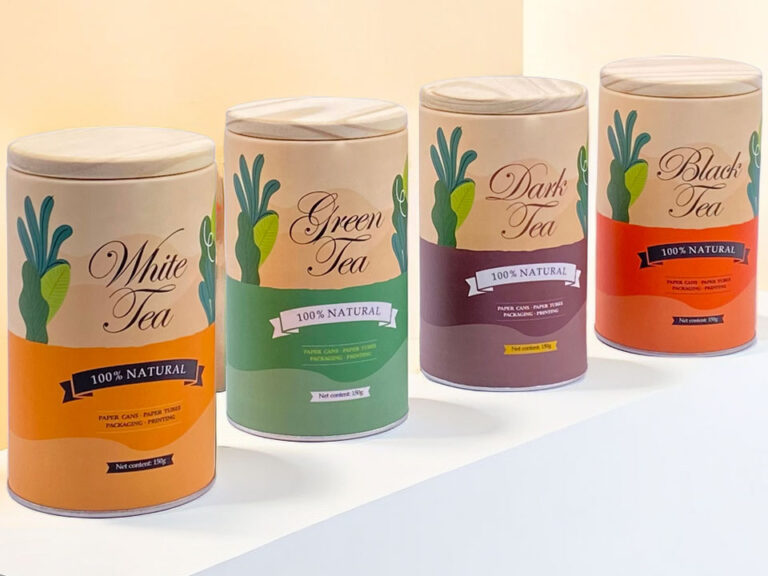
Si vous voulez des exemples de fermetures rigides et de constructions protectrices, regardez des styles comme le boîtes en papier kraft pour l'emballage du thé. La catégorie de produits est différente, mais la structure montre comment un tube peut être solide dans la main.
Revêtement, doublage et recyclage pour l'emballage des tubes en papier
C'est là que les marques peuvent accidentellement surpromettre.
Si vous ajoutez un pelliculage lourd, un film plastique ou des doublures spéciales, le recyclage peut devenir plus complexe en fonction des installations locales. Ces améliorations peuvent toujours être une bonne décision. Il suffit de faire correspondre la fabrication du matériau à vos besoins réels.
Une façon pratique de choisir les matériaux
Commencez par les risques réels du vêtement : poussière, éraflures, légère humidité ou aucun risque.
Utilisez le revêtement minimum qui protège encore le produit et l'impression.
Soyez précis dans vos déclarations sur le développement durable : “à base de papier” et “recyclable là où il y a des installations”.”
Cela permet d'assurer l'honnêteté de votre message et d'éviter les réactions négatives de la part des clients.
Cas pratiques d'emballage en tube de papier pour les chemises et les sous-vêtements
Traitement des commandes e-commerce pour l'habillement
Si votre équipe effectue des prélèvements et des emballages en grande quantité, vous voulez un emballage rapide et reproductible. Les tubes simplifient le flux de travail. Ils réduisent également le risque d'emballer le mauvais insert ou d'endommager le vêtement lors du pliage.
Présentoir de vente au détail pour ensembles de sous-vêtements
Les tubes se tiennent debout et restent propres après que les clients les ont pris. C'est important dans le monde réel, car l'entretien des étagères coûte du temps. Un format de présentation stable permet au planogramme de rester “frais” avec moins d'efforts de la part du personnel.
Emballage d'abonnement pour les produits de base
Les marques d'abonnement gagnent en cohérence. Un tube donne l'impression que la livraison est une expérience planifiée plutôt qu'un moment de courrier générique. Il est également plus facile de conserver un aspect cohérent entre les différentes UGS.
OEM/ODM et commandes en gros
Si vous achetez pour le commerce de gros, les marques de distributeurs ou les OEM/ODM, vous vous souciez de la répétabilité : impression stable, dimensionnement cohérent et délais de livraison prévisibles. Vous voulez également des emballages qui s'adaptent sans problème à l'ajout de nouvelles couleurs ou de nouvelles unités de stock.
Pour un exemple de positionnement “recyclable”, vous pouvez citer des formats de produits tels que tubes d'emballage en carton recyclable personnalisé. Pour une inspiration plus large en matière de catégories et une plus grande variété de structures, retournez à la rubrique catalogue de produits.
Tableau récapitulatif des principaux arguments en faveur de l'emballage en tube papier pour les chemises et les sous-vêtements
Titre de l'argument
Ce qu'il résout
Ce qu'il faut mettre en évidence comme preuve
Réduire les plis dans l'emballage des chemises et des sous-vêtements
Plis dus à des plis durs
La présentation enroulée permet de garder le tissu plus propre
Des emballages peu encombrants pour les commandes de vêtements
Gaspillage de l'espace de stockage et de l'espace carton
Meilleur empilage et emballage plus lisse
Emballage en tube de papier réutilisable
L'emballage est immédiatement jeté
Les clients réutilisent les tubes pour le stockage et les déplacements
Emballages recyclables et tubes en papier
Des revendications écologiques faibles ou vagues
Utiliser un tableau de données simple et une formulation claire
Emballage en tube de papier imprimé pour l'image de marque et la présence en rayon
Faible impact en rayon et photos peu convaincantes
Zone d'impression à 360° et finitions haut de gamme
Emballage durable pour la protection de l'expédition
Dommages en cours de transport et retours
La structure du cylindre résiste à l'écrasement
Revêtement, doublage et recyclage pour l'emballage des tubes en papier
Promesse de recyclabilité exagérée
Les choix de construction des matériaux influencent les résultats du recyclage
Dernière remarque concernant les commandes de boîtes en papier personnalisées
Si vous passez à l'emballage en tube de papier pour les chemises ou les sous-vêtements, concentrez-vous d'abord sur trois points : taille du tube, finition imprimée, et flux d'exécution. Il suffit de les clouer pour que le reste devienne une simple conversation sur la production.