Popup Form

Still Not Seeing The Right Packaging Solution? Talk to Our Boss.

If you’ve reviewed our website or spoken with sales and still don’t see a clear path, send your request here. Your message goes directly to our General Manager for an executive review of feasibility, cost, and lead time. You’ll get a clear next step—what we can do, what we need from you, and the fastest route to a quote.

  • Direct GM review of your specs, use case, and constraints
  • Size + structure check: diameter, height, wall strength, inserts
  • Print/finish recommendations to match brand + budget
  • Cost-down alternatives and lead-time improvement options
  • Quote path clarity: MOQ, sampling plan, and what to next
Reese Peng
Talk to Our Boss
Popup Form

Get a Fast Quote for Custom Paper Tube Packaging

Built for packaging managers, procurement, and packaging engineers. Specify size, quantity, and finish to receive moq, lead time, and spec guidance for us/eu programs.

  • Quote-ready customization: diameter, height, wall thickness, inserts, liners, and closures
  • Premium finishes: CMYK/Pantone, foil, emboss, UV
  • Sourcing clarity: clear specs + QC + DFM guidance
  • Sustainable: FSC® paper available on request
  • Child-resistant: engineered to ISO 8317 / PPPA
Reese Peng
Talk to Our Packaging Engineers

Guide to Mitigating Damages with Paper Tube Packaging

If you ship products, you already know the pain: dents, scuffs, crushed corners, loose lids, and “it arrived broken” emails that eat your day.

Paper tube packaging can cut those issues fast—if you design it around real shipping stress (not just how it looks on a shelf). This guide walks you through the same practical checkpoints packaging teams use to reduce damage across warehousing, line-haul, and last-mile delivery.

Want examples while you read? Start at our homepage and browse the Products catalog.

Mitigating Damages with Paper Tube Packaging

Identify damage touchpoints

Damage doesn’t “just happen.” It shows up at specific touchpoints. When you find those, you can fix the packaging like a mechanic fixes a rattle—right where it starts.

Map your shipping lane (warehouse → line-haul → last-mile)

Here’s a simple way to map risk:

  • Warehouse pick/pack: drops from waist height, box cutters, sharp corners on conveyors
  • Line-haul: long vibration, carton compression, pallet stretch wrap pressure
  • Last-mile: rough handling, door-step drops, weather exposure

If your product sells on marketplaces or cross-border, assume more touches, more transfers, and more vibration hours. That’s where sturdy tube structure pays off.

Match the failure mode to the product

A glass cosmetic jar fails differently than tea leaves or a CBD cartridge. So don’t start with “thicker is better.” Start with:

  • Does it crack?
  • Does it leak?
  • Does it scuff or dent and look used?
  • Does it rattle and damage itself?

For cosmetics, check a tube style like cosmetics tube packaging when you plan the insert and closure strategy.

Use sturdy materials and reinforce weak spots

Paper tubes are strong in compression, but weak spots still exist. You’ll see them at the rim, lid edge, and tube ends.

Reinforce the “crush zones”

Most shipping damage on tubes shows up as:

  • Edge crush near the top rim
  • Ovaling (tube turns slightly out-of-round)
  • Bottom impacts from drops

Design moves that help:

  • Add stronger end structures (thicker base + tighter tolerances)
  • Reinforce rims if the lid sees repeated friction
  • Use higher stiffness board when cartons stack high (pallet + warehouse)

Don’t ignore the outer wrap

Scuffing creates “damage complaints” even when the product inside is fine. A tougher outer paper, matte lamination, or protective varnish can keep the tube looking new through the delivery chain.

Optimize packaging size to reduce movement

If your product moves inside the tube, you’re basically letting shipping do drop tests on repeat.

Right-size the cavity (and control headspace)

Common problem: the tube is “close enough,” but there’s still headspace. Then the item slides, hits the lid, and scuffs labels or breaks caps.

Fix it with:

  • Tighter inner diameter and controlled clearance
  • Top/bottom pads (paperboard, molded pulp, or foam—depending on the product)
  • A snug inner tray so the product can’t rotate

A good example of a larger-format tube concept is protein powder packaging. Bigger tubes need even better movement control because the “lever effect” during drops gets worse as size grows.

Master carton packing pattern matters

Even a perfect retail tube can get destroyed in a weak master carton layout.

Best practice:

  • Pack tubes in a tight grid
  • Avoid “one tube rolling around in a big shipper”
  • Use partition boards when mixing SKUs in one carton
Mitigating Damages with Paper Tube Packaging

Use dividers and inserts to separate products

If you ship multi-packs or fragile items, inserts do most of the real damage prevention work.

Pick inserts based on failure mode

  • Paperboard insert: great for preventing rattle and keeping alignment

  • Molded pulp: strong cushioning + eco-friendly feel
  • Foam: best shock control, but not always brand-aligned for eco claims

Insert selection matrix

Insert typeStops rattleHandles dropsControls scuffsBest for
Paperboard tray✅✅✅✅cosmetics, small electronics, accessories
Molded pulp✅✅✅✅glass jars, heavier items
Foam (custom)✅✅✅✅✅✅✅✅high-fragility, premium sets

Ensure proper sealing and closure systems

Closures cause a surprising number of “damage” tickets. A lid that loosens in transit looks like tampering, even if nothing broke.

Choose a closure that fits your channel

  • Friction-fit lids: clean look, fast packing, but need tight tolerance control
  • Metal or rigid covers: better sealing feel, better for premium and food use
  • Tamper evidence: helps marketplaces and cross-border trust

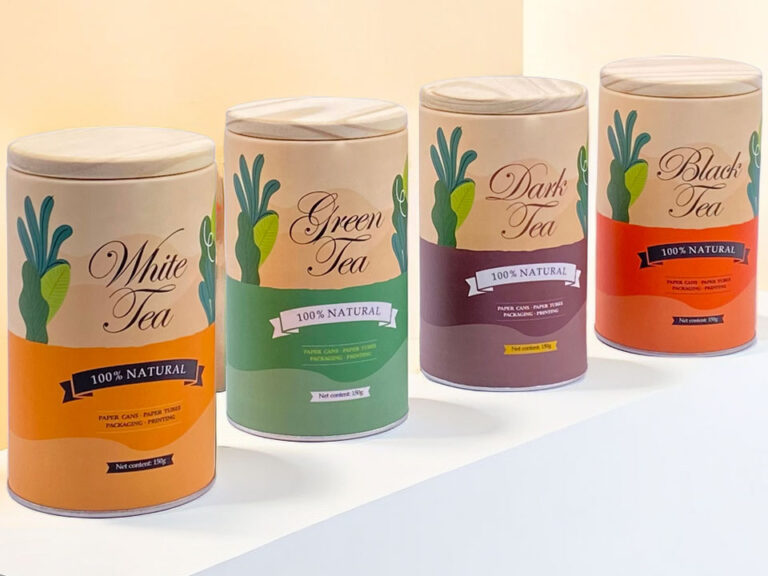
For food-style sealing direction, see a tube concept like tea packaging with tinplate cover.

Child-resistant closure scenarios

If you ship regulated categories, closure performance isn’t optional. A child-resistant structure also reduces accidental opening during shipping.

See an example path here: cannabis child-resistant paper tube packaging.

Use protective coatings for moisture resistance

Humidity can soften board and weaken structure. It can also cause label lift, warp, and bad-looking edges.

Where moisture hits hardest

  • Ocean freight and container humidity
  • Rainy last-mile deliveries
  • Cold-to-warm transitions (condensation)

Mitigation options:

  • Lamination or varnish on the outer wrap
  • Moisture-resistant inner liner
  • Bagging for moisture-sensitive goods (tea, powders, hygroscopic products)

Consider environmental conditions during storage/transport

Shipping damage often starts before the truck even moves.

Storage and pallet handling

  • Avoid over-tight stretch wrap that crushes outer tubes
  • Use corner boards for pallets when you stack high
  • Keep tubes away from damp floors and container walls

High-friction products need scuff control

If your product sits in a tube with a clear window, handles, or hardware, the inside can scuff fast unless you lock it down.

An example where internal movement control really matters: hair band tube packaging with clear window and silk handle.

Use clear labeling and handling instructions

Labels won’t stop a drop, but they can reduce dumb handling mistakes.

Keep it simple

Use icons and short text like:

  • “Fragile”
  • “This side up”
  • “Keep dry”

Place them on the master carton, not just the retail tube. That’s the box handlers actually see.

Conduct testing and quality checks

Testing doesn’t need to be fancy. It needs to match your real lane.

A practical test bundle

Run a small validation set before bulk production:

  • Drop checks (multiple orientations)
  • Vibration exposure (simulates long trucking)
  • Compression checks (stacking + warehouse pressure)
  • Open/close cycling (lid stays tight after repeated use)

Quality control that prevents repeat issues

If you buy in bulk or run OEM/ODM, lock down:

  • critical dimensions (ID/OD, lid fit)
  • edge finish standards (to reduce scuffs and splits)
  • incoming checks for inserts and liners

Balance cost and quality

You don’t need to “overbuild” everything. You need to spend effort where it kills the most claims.

Where upgrades pay off fastest

  • Movement control (right-sizing + inserts)
  • Lid security (tight tolerance + better closure)
  • Scuff protection (outer wrap durability)
  • Moisture plan (liner/coating for sensitive items)

Commercial value that customers notice

When packaging arrives clean and intact:

  • returns drop
  • reviews improve
  • your brand looks premium even on a basic unboxing video
  • wholesale buyers trust you with larger POs

For high-visual products where dents ruin perceived value, look at a premium-style example like jewelry paper tube packaging.

Mitigating Damages with Paper Tube Packaging

Quick reference table: damage risk → paper tube fix → example scenario

Damage riskTypical causePaper tube packaging fixExample scenario
Cracks/breaksdrops + hard contactmolded pulp or foam insert + reinforced endsglass jar cosmetics
Dents/oval tubecompression + weak rimsstronger board + rim reinforcement + tighter master carton gridpremium gift tubes
Scuffs/dirty lookfriction + handlingtougher wrap + lamination/varnish + snug shipper fitjewelry, retail display
Loose lidsvibration + tolerance drifttighter fit + better closure style + tamper optioncross-border DTC
Moisture warphumidity + condensationcoating + liner + baggingtea, powders

Where our on-site examples support the arguments

Below are internal examples you can point to when you explain packaging choices to buyers or your own ops team:

Argument keywordWhat it supportsOn-site example
Right-sizing + movement controlreduces rattle and impact damageProtein powder packaging
Moisture + sealing focusimproves freshness perception + reduces humidity issuesTea packaging with tinplate cover
Child-resistant closurereduces accidental opening + supports regulated lanesCannabis child-resistant tube
Small fragile SKU protectioninsert + fit strategy for “breakable smalls”CBD cartridge tube
Premium scuff controlprotects shelf look during shippingJewelry tube packaging
Retail-ready structuretube format for branding + protectionCosmetics tube packaging
Browse more structureshelps buyers compare tube styles quicklyProducts catalog
Comments
Share your love