Non vedete ancora la soluzione di imballaggio giusta? Parlate con il nostro capo.
Se avete consultato il nostro sito web o parlato con le vendite e non vedete ancora un percorso chiaro, inviate la vostra richiesta qui. Il vostro messaggio sarà inviato direttamente al nostro Direttore Generale per una revisione esecutiva della fattibilità, dei costi e dei tempi di realizzazione. Riceverete un chiaro passo successivo: cosa possiamo fare, cosa ci serve da voi e il percorso più veloce per ottenere un preventivo.
Richiedete offerta rapida per Imballaggi in tubo di carta personalizzati
Pensato per i responsabili degli imballaggi, degli approvvigionamenti e degli ingegneri dell'imballaggio. Specificate le dimensioni, la quantità e la finitura per ricevere indicazioni sul prezzo di vendita, sui tempi di consegna e sulle specifiche per i programmi USA/UE.
Personalizzazione pronta per il preventivo: diametro, altezza, spessore della parete, inserti, rivestimenti e chiusure
Perché l'imballaggio in tubo di carta personalizzato ha un significato importante
Quando si vende un prodotto, non si vende solo quello che c'è dentro. Si vende anche ciò che le persone aspettarsi che sia.
Questo è il vero motivo imballaggio in tubo di carta personalizzato questioni. Un tubo di carta può proteggere il vostro articolo, sostenere la storia del vostro marchio e far sembrare il vostro prodotto “pronto per la vendita al dettaglio” invece che “pronto per la liquidazione”. Inoltre, aiuta a gestire le operazioni in modo più pulito quando si tratta di ordini all'ingrosso, rifornimenti all'ingrosso o lanci di multi-SKU.
Tabella delle prove che potete citare nel vostro articolo
Punto (utilizzare come titolo della sezione)
Cosa fa per la vostra azienda
Cosa controllare durante il campionamento
Fonte di riferimento
Il design del packaging influenza le decisioni di acquisto
Maggior numero di clic, migliore presa sugli scaffali, meno recensioni “sembra scadente”.
Accuratezza del colore, nitidezza di stampa, consistenza della finitura
Logica di merchandising + comportamento reale degli acquirenti che si vedono su PDP/shelf
Differenziazione del marchio sullo scaffale e sul PDP
Meno guerra dei prezzi, posizionamento “premium tier” più chiaro
Struttura unica + una finitura d'autore
Strategia di marca + distanza dalla concorrenza in categorie affollate
Riconoscimento e coerenza del marchio
Acquisti ripetuti più rapidi, espansione delle SKU più semplice
Posizionamento del logo, sistema tipografico, colore coerente del marchio
Disciplina del sistema di marca tra gli SKU
Esperienza di unboxing e valore percepito
Più condivisioni, maggiore attrattiva per i regali, maggiore qualità percepita
Sensazione del coperchio, adattamento dell'inserto, “rituale di apertura”.”
Modelli di DTC/unboxing + aspettative di regalo
Promozione e pubblicità sulla confezione
La confezione funziona come una mini pubblicità
Gerarchia dei messaggi, pannelli di conformità, posizionamento dei QR
Pratica dell'imballaggio come media
Protezione delle spedizioni e prestazioni di evasione
Meno danni, più facilità di prelievo/imballaggio, meno restituzioni
Design dell'inserto, tolleranza del coperchio, adattamento al cartone master
Ingegneria dell'imballaggio + realtà del flusso di lavoro del magazzino
Imballaggio sostenibile e materiali riciclabili
Supporta l'eco-posizionamento senza eccedere nelle promesse
Chiarezza del materiale, scelta della finitura, guida allo smaltimento
Affermazioni responsabili + aspettative sugli imballaggi in carta
Possibilità di personalizzazione: dimensioni, struttura, finiture di stampa, inserti
Migliore adattamento, riduzione delle rilavorazioni, passaggio OEM/ODM più pulito
Precisione della linea di demarcazione, controllo delle cuciture, specifiche dell'inserto
Processo OEM/ODM + punti di controllo prestampa/QA
Limiti dell'imballaggio cilindrico e modalità di pianificazione
Evita gli sprechi di spazio e i problemi di imballaggio delle casse
Piano di confezionamento, gestione dei vuoti, logica dei pallet
Vincoli logistici + gestione del mondo reale
Il design del packaging influenza le decisioni di acquisto
Le persone decidono in fretta. Non studiano prima un pacchetto. Reagiscono.
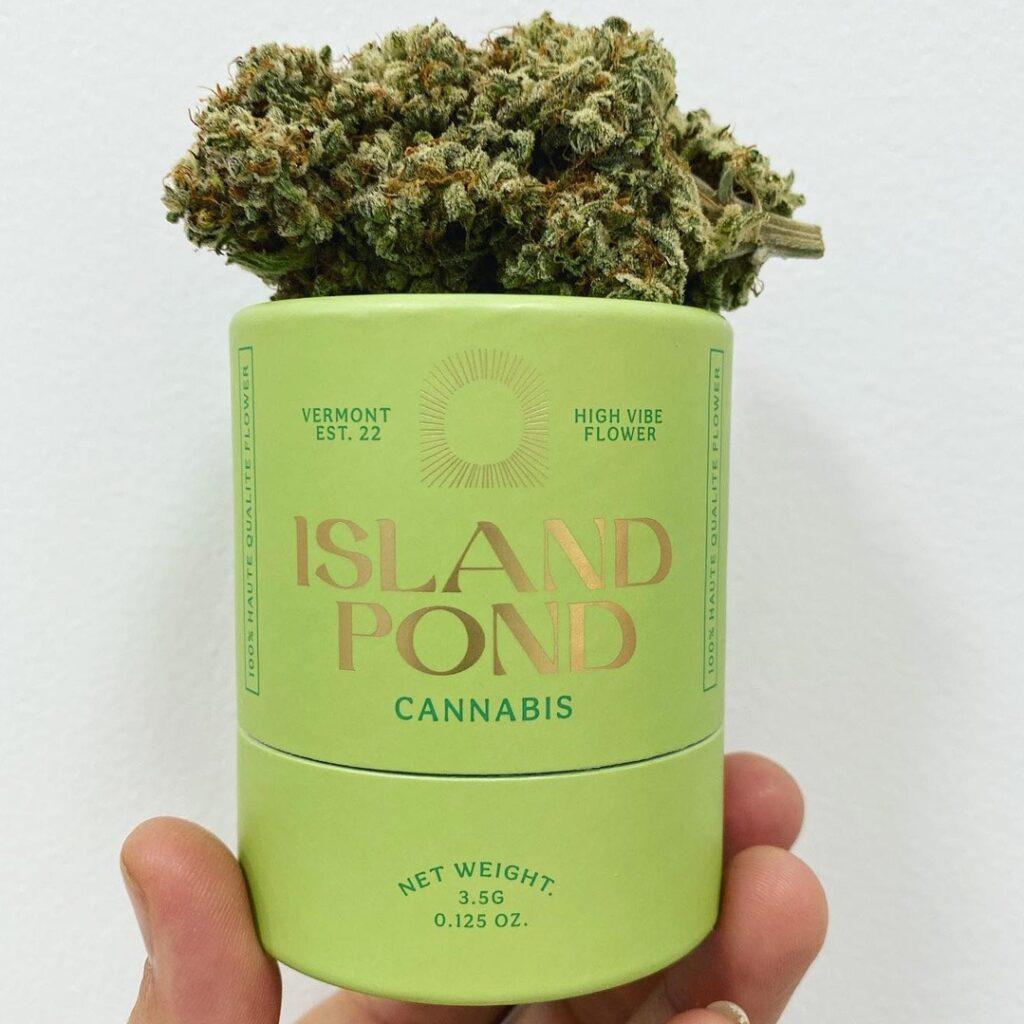
Un tubo di carta offre una forma decisa che si legge chiaramente su uno scaffale e appare pulita in una foto del prodotto. Questo è importante per i marchi di vendita al dettaglio, per i venditori transfrontalieri e per le inserzioni sul mercato, dove l'immagine principale fa la maggior parte del discorso.
Ecco il gioco pratico:
Mantenere il pannello frontale semplice. Una sola promessa. Una sola immagine.
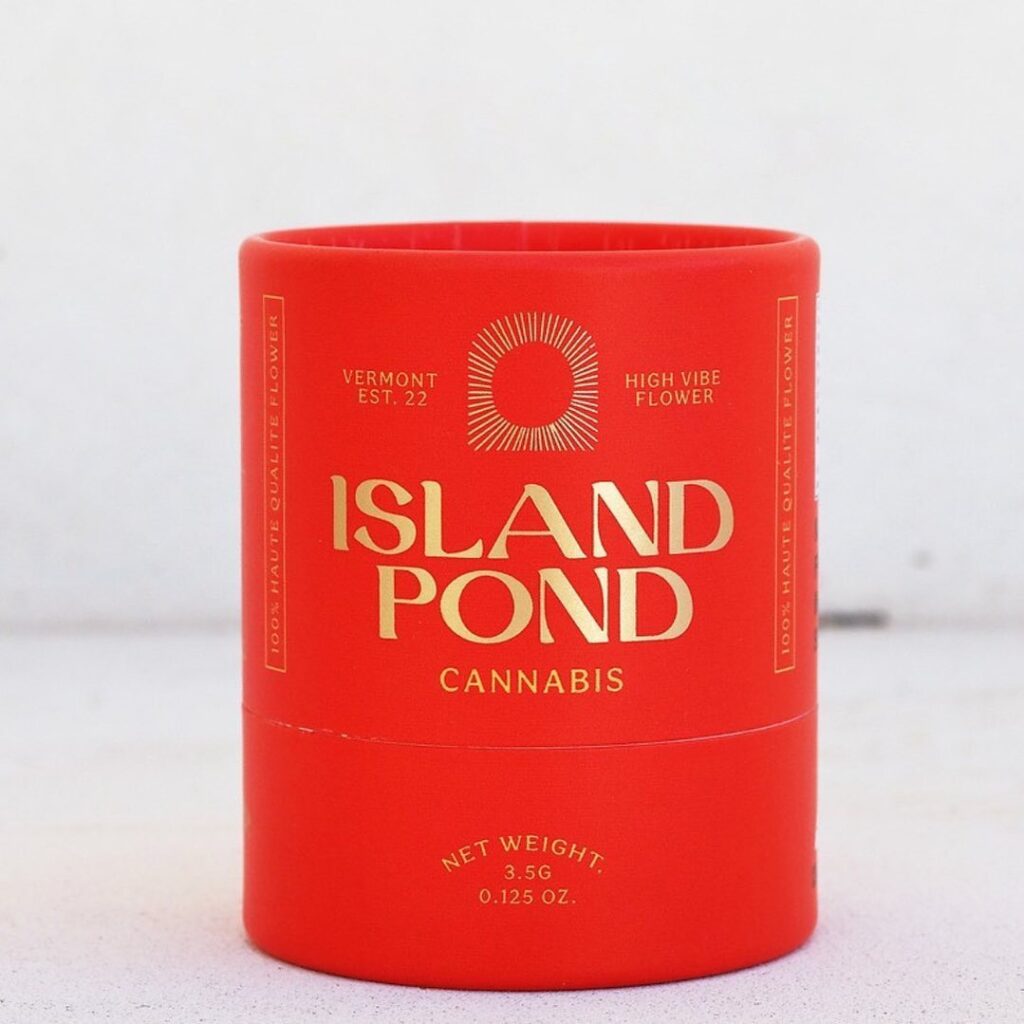
Utilizzate una finitura che corrisponda alla vostra fascia di prezzo. Opaco per il moderno. Morbido al tatto per un prodotto di qualità. Un piccolo colpo di lamina per “regalare”.”
Rendete la tipografia leggibile a dimensione di miniatura. Se non è leggibile sullo schermo di un telefono, non verrà convertito.
Differenziazione del marchio sullo scaffale e sul PDP
Nelle categorie più affollate, si verifica sempre il fenomeno “stesso prodotto, logo diverso”. Se la vostra formula non è assolutamente unica, il vostro packaging deve creare una separazione.
Un tubo personalizzato vi aiuta a distinguervi in tre modi:
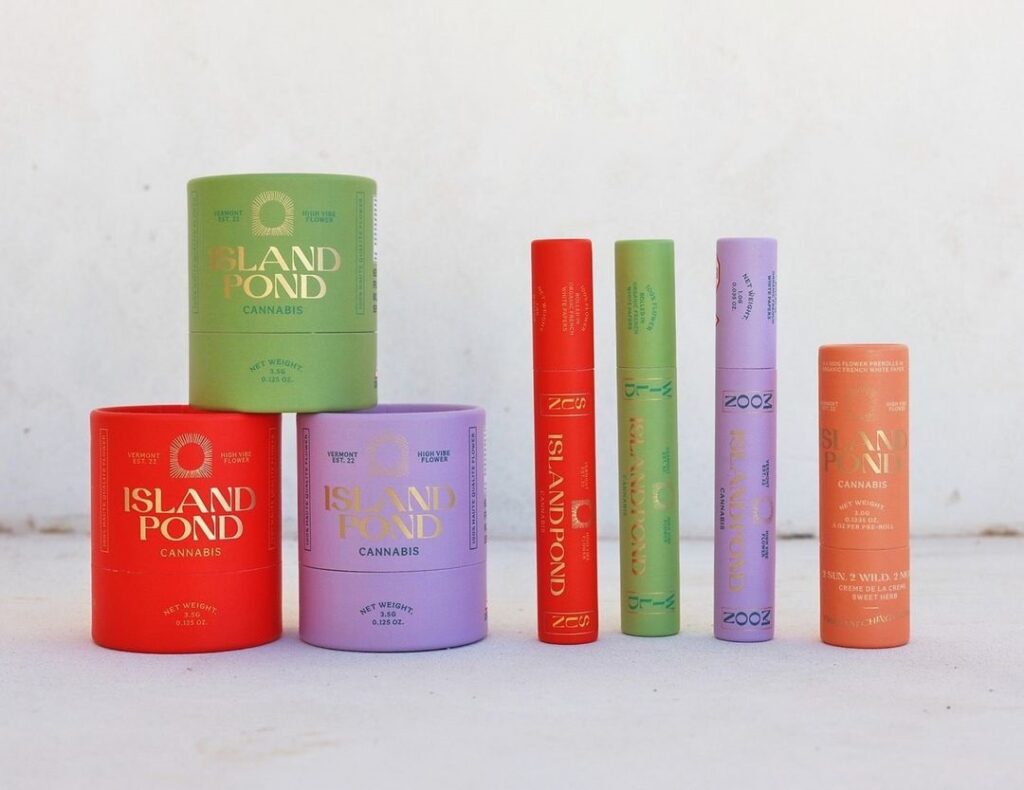
Silhouette: il packaging cilindrico rompe il mare dei rettangoli
Opzioni di struttura: finestre, spalle, inserti, chiusure speciali
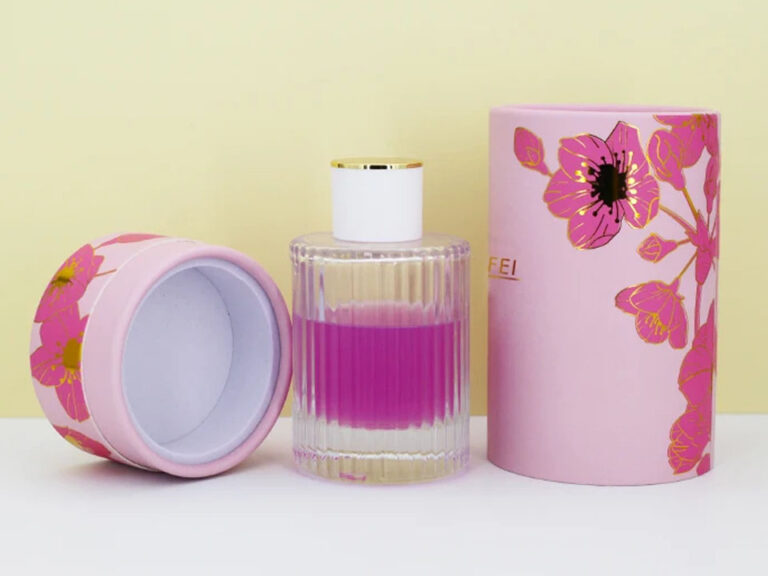
Tubi di cartone per cosmetici
Gli acquirenti di cosmetici giudicano la qualità innanzitutto con gli occhi. Se la confezione sembra generica, il prodotto sembra generico.
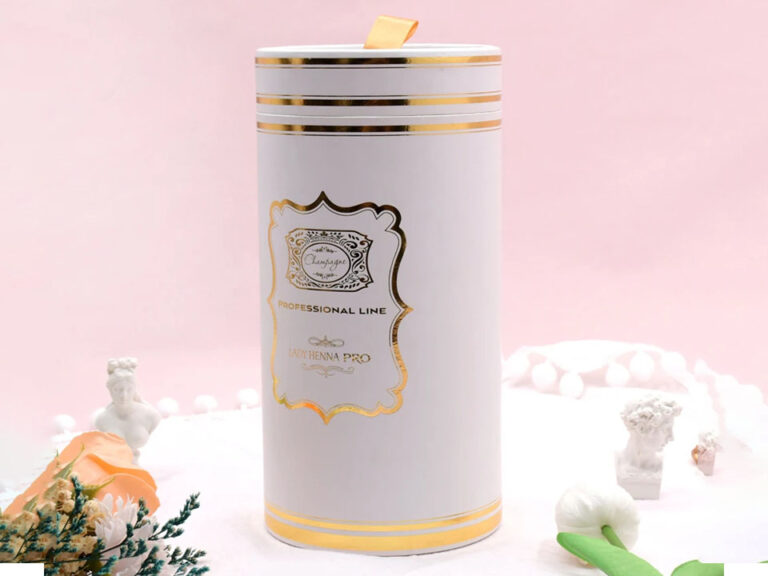
Se il vostro marchio vive nella cura della pelle, nei profumi o nei kit di bellezza, date un'occhiata a tubi di cartone per cosmetici. La categoria è perfetta per la stampa pulita, il colore stretto del marchio e le finiture di alto livello.
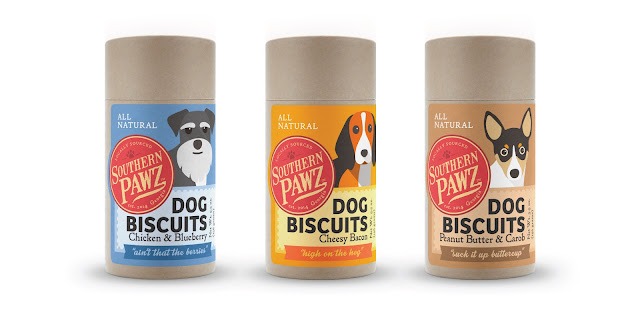
Riconoscimento e coerenza del marchio
Il riconoscimento del marchio non è una magia. È ripetizione fatta bene.
Quando si mantengono le stesse regole di layout tra le varie SKU - posizione del logo, colore del marchio, scala dei caratteri - i clienti iniziano a riconoscervi immediatamente. Questo è molto importante per:
piattaforma per venditori che gestisce molte inserzioni
grossisti che costruiscono linee di prodotti a marchio privato
agenzie di progettazione che lanciano più famiglie di prodotti
marchi in crescita che necessitano di un rapido rifornimento senza continue riprogettazioni
I tubetti di carta sono un valido aiuto perché il formato rimane coerente, anche quando il numero di SKU aumenta. È possibile cambiare colori, profumi o varianti, mantenendo stabile il “blocco” del marchio.
Esperienza di unboxing e valore percepito
L'unboxing è un piccolo momento di teatro. Se fatto bene, fa sembrare il prodotto più costoso senza sembrare falso.
Un tubetto crea naturalmente un rituale di apertura: sollevare il coperchio, scoprire l'inserto, estrarre il prodotto. Questa piccola sequenza spesso genera recensioni migliori perché i clienti sentono che il marchio si è preso cura di loro.
Scatole di carta per gioielli e bracciali
I piccoli oggetti hanno bisogno di un forte valore percepito. L'imballaggio ha questo peso.
Un buon punto di riferimento è scatole di carta per gioielli e bracciali. Questo tipo di configurazione funziona bene per i regali, le boutique al dettaglio e gli unboxing degli influencer.
Imballaggio in tubo di carta per fascia per capelli con finestra trasparente e manico in seta
Spesso gli accessori si vendono meglio quando i clienti possono vedere il prodotto. Un ritaglio di finestra e una maniglia trasformano l'imballaggio in un espositore da appendere, trasportare o impilare.
La vostra confezione è un annuncio che viene spedito con ogni ordine. Avete già pagato per l'area di stampa, quindi usatela.
I marchi intelligenti trattano il tubo come una “mini landing page”:
Una chiara proposta di valore sul fronte
Benefici secondari a margine
Istruzioni per l'uso dove il cliente le leggerà realmente
Codice QR per tutorial, controlli di autenticità o informazioni sul lotto
In questo modo si riducono anche i ticket di assistenza clienti. Quando il packaging risponde alle domande più comuni, il numero di persone che vi inviano un'e-mail in seguito diminuisce.
Protezione delle spedizioni e prestazioni di evasione
Un look premium è inutile se il pacco arriva schiacciato.
I tubi di carta possono funzionare bene durante il trasporto, ma la protezione deriva dal sistema, non solo la parete della provetta. Durante il campionamento, concentrarsi su:
In forma: Nessun rumore, nessuno spazio morto
Inserire: tiene il prodotto in posizione, evita che si sfreghi
Tolleranza del coperchio: abbastanza stretto da dare una sensazione di qualità, ma non così stretto da frustrare i clienti
Piano generale del cartone: conteggio corretto per cassa, meno movimenti in transito
Questo è ancora più importante se lo fate:
flussi di lavoro per l'adempimento del mercato
spedizione in abbonamento
corsie internazionali con catene di movimentazione lunghe
Scatola in tubo di carta per il confezionamento di proteine in polvere
I prodotti in polvere hanno bisogno di struttura, stabilità e un aspetto pulito di cui i clienti si fidano.
La sostenibilità funziona meglio quando è onesta e specifica.
Gli imballaggi in carta supportano una storia eco-avanzata, ma non bisogna esagerare. Invece:
descrivere chiaramente la struttura del tubo di carta
evitare il linguaggio vago “100% eco”, a meno che non sia possibile dimostrarlo.
scegliere le finiture più adatte alle vostre richieste e alle vostre aspettative di mercato
I clienti sentono l'odore del greenwashing. In ogni caso, non ne avete bisogno. Un tubo di carta ben costruito è già un segnale di “maggiore responsabilità” rispetto a molti formati pesanti come la plastica.
Possibilità di personalizzazione: dimensioni, struttura, finiture di stampa, inserti
La personalizzazione sembra entusiasmante, ma poi si trasforma in caos se nessuno la gestisce come un progetto di produzione.
Mantenere la semplicità. Trattate il packaging personalizzato come un flusso di lavoro OEM/ODM con punti di controllo chiari.
Ecco una lista di controllo per l'acquirente che potete utilizzare:
Dimensioni: diametro interno, altezza, profondità del coperchio
Struttura: Coperchio telescopico, collo a spalla, fissaggio a frizione, ritaglio per finestra
Materiale: involucro kraft, carta speciale, spessore del cartone
Stampa: Controllo CMYK + Pantone, zone di stampa interne/esterne
Finiture: laminazione opaca/lucida, rilievo/rilievo, lamina a caldo
Inserti: inserto in carta, EVA, pasta stampata, supporto per kitting
Esigenze di conformità: opzioni di sicurezza per i bambini e spazio per i pannelli di avvertimento (in base alla categoria)
Scatole a tubo in carta kraft per l'imballaggio del tè
Gli acquirenti di tè hanno a cuore la freschezza e la regalabilità. L'opzione del coperchio in metallo può aggiungere funzionalità, pur mantenendo l'aspetto della carta pregiata.
Le cartucce sono piccole, fragili e spesso oggetto di furto. Un buon imballaggio aiuta a proteggere l'unità e a sostenere la fiducia nel punto vendita.
Limiti dell'imballaggio cilindrico e modalità di pianificazione
I tubi di carta sono resistenti, ma non sono perfetti. Se si pianificano i compromessi in anticipo, si evitano dolorose correzioni in seguito.
1) Scarti di spazio per prodotti non rotondi Se il prodotto è di forma quadrata, un tubo può creare dei vuoti. È possibile risolvere il problema con un inserto sagomato o regolare il diametro del tubo in modo che l'accoppiamento rimanga stretto.
2) Efficienza della confezione I cilindri non sempre si imballano con la stessa efficienza dei cartoni. Chiedete in anticipo un piano di confezionamento per evitare che il vostro magazzino si scontri con l'imballaggio in un secondo momento.
3) Controllo delle cuciture La carta confezionata presenta una cucitura. Non collocate testi critici, codici a barre o pannelli di conformità in punti in cui la cucitura potrebbe distorcerli. Impostate una “zona senza informazioni critiche” nella vostra linea di bordo.
4) La sensazione del coperchio dipende dalla tolleranza Troppo allentato sembra economico. Troppo stretto è fastidioso. È necessario che la regolazione avvenga durante la campionatura, non dopo aver effettuato un ordine di massa.
Conclusione
L'imballaggio in tubo di carta personalizzato è importante perché supporta le parti della vostra attività che muovono effettivamente l'ago della bilancia: la conversione, la fiducia nel marchio e il flusso operativo.
Se acquistate all'ingrosso, eseguite OEM/ODM o vendete attraverso i rivenditori, un tubo di carta non è solo un imballaggio. È una decisione di prodotto che influisce sulla percezione, sulla logistica e sulle vendite ripetute. Iniziate con una sola SKU, bloccate le specifiche e poi espandete il sistema a tutta la vostra linea.