Non vedete ancora la soluzione di imballaggio giusta? Parlate con il nostro capo.
Se avete consultato il nostro sito web o parlato con le vendite e non vedete ancora un percorso chiaro, inviate la vostra richiesta qui. Il vostro messaggio sarà inviato direttamente al nostro Direttore Generale per una revisione esecutiva della fattibilità, dei costi e dei tempi di realizzazione. Riceverete un chiaro passo successivo: cosa possiamo fare, cosa ci serve da voi e il percorso più veloce per ottenere un preventivo.
Richiedete offerta rapida per Imballaggi in tubo di carta personalizzati
Pensato per i responsabili degli imballaggi, degli approvvigionamenti e degli ingegneri dell'imballaggio. Specificate le dimensioni, la quantità e la finitura per ricevere indicazioni sul prezzo di vendita, sui tempi di consegna e sulle specifiche per i programmi USA/UE.
Personalizzazione pronta per il preventivo: diametro, altezza, spessore della parete, inserti, rivestimenti e chiusure
L'ascesa dei design classici dei tubi di cartone e delle strategie creative
L'imballaggio in tubi di cartone sta vivendo un vero e proprio momento. Non perché sia “alla moda”, ma perché risolve tre problemi contemporaneamente: impatto sugli scaffali, protezione delle spedizioni e coerenza del marchio su scala.. Se vendete al dettaglio, gestite un negozio DTC o rifornite i distributori, conoscete già i punti dolenti: scatole schiacciate, branding disordinato tra le varie SKU e confezioni che sembrano perfette online ma cadono a pezzi nelle mani di un acquirente.
Questa guida analizza le argomentazioni fondamentali che stanno alla base dell'ascesa dei design classici dei tubi, per poi trasformarle in mosse pratiche di imballaggio che potete utilizzare per gli ordini OEM/ODM e all'ingrosso. Inoltre, vi collega alle pagine interne giuste, in modo da poter abbinare i concetti agli stili e ai casi d'uso reali dei tubi.
Il design dell'imballaggio come fattore di attenzione per il marchio
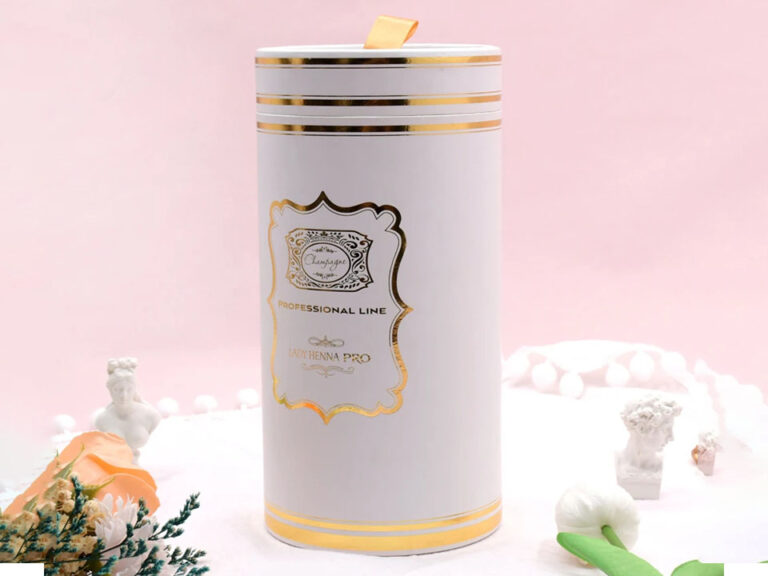
L'imballaggio è il vostro primo rappresentante. Lavora in silenzio e non si prende mai un giorno di riposo. Una struttura pulita del tubo vi aiuta a “conquistare lo sguardo”, perché gli acquirenti leggono la forma prima di leggere l'etichetta.
Cosa significa “attenzione” nel design del packaging
L'attenzione non è solo “bella”. È riconoscimento rapido in un corridoio affollato o in un rotolo. I tubi sono utili perché permettono di:
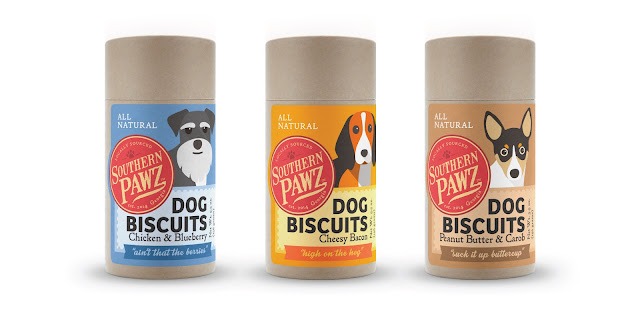
Una silhouette forte (facile da individuare in una formazione)
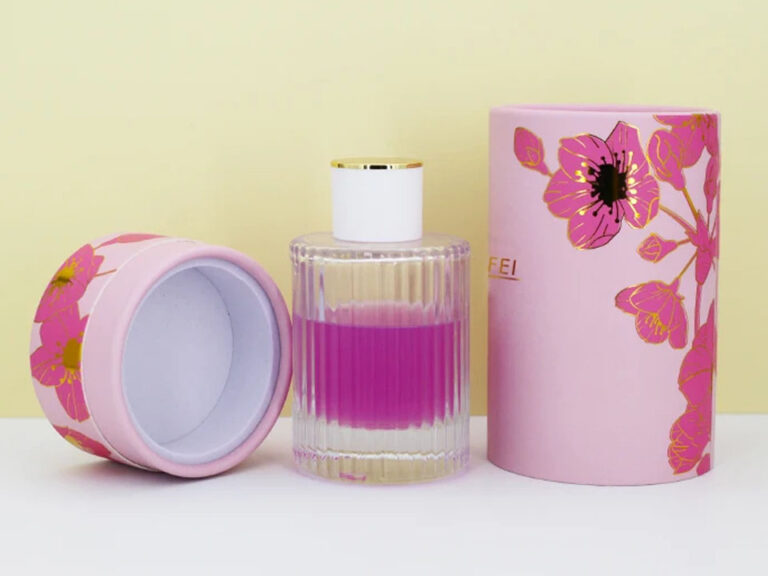
Una superficie del marchio a 360° (più spazio per lo storytelling)
Un'atmosfera premium senza strutture complicate (meno possibilità di errore in produzione)
Se il vostro prodotto compete in una categoria ristretta, un tubo può diventare il vostro categoria di perturbatori senza modificare la formula all'interno.
Imballaggio in tubi di cartone per tutti i settori
I tubi non sono vincolati a una sola nicchia. Li vedrete in tutti i settori dell'alimentazione, della bellezza, degli integratori, degli accessori di moda, dei regali e degli articoli regolamentati, perché la struttura è ben scalabile e si presenta in modo pulito.
Dove si adatta meglio l'imballaggio in tubetto
Utilizzare i tubi quando è necessario Protezione della forma + presenza a scaffale + merchandising rapido. Scenari comuni:
Strategie creative per l'unboxing e la condivisione sociale
Se vendete online, non spedite solo un prodotto. Si spedisce un momento. I tubi rendono quel momento più facile da controllare, perché la struttura sembra “regalabile” di default.
Leve creative pratiche che funzionano ancora bene in blocco
La creatività non ha bisogno di forme selvagge. Ha bisogno di decisioni intelligenti sulle superfici che la produzione può ripetere:
Spunti per la texture: tatto morbido e opaco, sensazione kraft o aspetto simile a quello della pelle
Immagini 3D: grafica stratificata che si accende quando il tubo ruota
Sensazione di apertura: vestibilità a frizione sicura ma non fastidiosa
Ecco la regola: costruire un “trigger di condivisione” nei primi 5 secondi. Se il tappo si solleva in modo pulito, la stampa è nitida e la superficie è di qualità, i clienti faranno il marketing per voi.
Personalizzazione e controllo qualità nella produzione di tubi OEM/ODM
Nel settore OEM/ODM, il vero lavoro avviene prima della spedizione del primo cartone. Non si vuole un “bel design”. Si vuole progettazione ripetibile che sopravvive alla produzione di massa, alla movimentazione e alla logistica su lunghe distanze.
Dove si manifesta la qualità (e dove gli acquirenti si lamentano)
La maggior parte dei reclami rientra in quattro categorie:
Disadattamento del colore (deriva del colore del marchio tra i vari lotti)
Incoerenza di finitura (bordi della pellicola, graffi, laminazione non uniforme)
Problemi di vestibilità (tappo troppo stretto, troppo allentato o che si stacca durante il trasporto)
Tasso di danno (compressione durante la spedizione o l'accatastamento in magazzino)
Per ridurre i rischi, trattate l'imballaggio come un processo controllato: specifiche chiare, tolleranze chiare, cancelli di controllo qualità chiari. È così che si protegge il sell-through e si evitano le rilavorazioni.
Campionatura e prova di pre-produzione
Il campionamento non è una formalità. È la vostra polizza assicurativa.
Un flusso di campionamento che impedisce gli errori “che si vedono bene sullo schermo”.
Un progetto a tubi solidi di solito si svolge in questo modo:
Struttura campione bianco (dimensioni, inserimento dell'inserto, attrito del tappo)
Prova di stampa (precisione dei colori, leggibilità del testo, chiarezza dei codici a barre)
Prova di finitura (lamina, rilievo, vernice, sensazione di rivestimento)
Controllo del transito (simulazione di caduta/impilamento, resistenza alle abrasioni)
Esecuzione pilota (piccolo lotto per confermare la consistenza)
Produzione di massa (bloccare le specifiche, quindi scalare)
Se vendete attraverso distributori o catene di vendita al dettaglio, questa fase vi evita sorprese tardive che danneggiano i tempi e le relazioni.
Affermazioni di sostenibilità e usabilità per i consumatori
I clienti non comprano “imballaggi sostenibili” come slogan. Comprano ciò che è facile da vivere.
Rendere la sostenibilità pratica, non predicatoria
Se si vuole che la sostenibilità approdi, bisogna parlarne:
Richiudere e riutilizzare (i clienti lo conservano invece di gettarlo)
Organizzazione di scaffali e dispense (i tubi sono impilati e hanno un aspetto ordinato)
Smaltimento dei rifiuti (la struttura cartacea è più facile da ordinare)
Questa prospettiva funziona particolarmente bene per i cofanetti di abbonamento, i regali e i prodotti di consumo premium.
Argomenti chiave, punti di controllo e segnali di prova
La tabella seguente trasforma la strategia in uno strumento di decisione rapida. Fornisce il argomento, il punto di controllo della produzione, e un tipo di sorgente che potete citare internamente nelle memorie e nei documenti per i clienti.
Argomento (titolo della tesi)
Cosa significa nel mercato
Punto di controllo della produzione (cosa bloccare)
Segnale di prova (cosa misurare)
Fonte dell'argomento
Il design dell'imballaggio come fattore di attenzione per il marchio
Forma + superficie guidano la prima impressione e il ricordo
Posizionamento della stampa, finitura della superficie, allineamento dei tappi
Pick-up a scaffale più elevato, foto PDP più robuste
Pratica del design dell'imballaggio
Imballaggio in tubi di cartone per tutti i settori
Tubi adatti a cibo, bellezza, benessere, regali e altro ancora
Selezione del tipo di materiale, esigenze di barriera, inserti
Tasso di danneggiamento più basso, merchandising più pulito
Categoria di utilizzo dell'imballaggio
Strategie creative per l'unboxing e la condivisione sociale
La sensazione di unboxing aumenta l'UGC e gli acquisti ripetuti
Personalizzazione e controllo qualità nella produzione di tubi OEM/ODM
La personalizzazione vince solo se rimane coerente su scala
Standard di colore, specifiche di finitura, controlli AQL
Meno resi, meno ristampe
Operazioni OEM/ODM
Campionatura e prova di pre-produzione
I campioni catturano i problemi prima che diventino costosi
Lista di controllo per la firma dei campioni, conservazione dei campioni d'oro
Approvazioni più rapide, meno ritardi
Gestione della produzione
Affermazioni di sostenibilità e usabilità per i consumatori
La convenienza vende meglio degli slogan
Struttura riutilizzabile, resistenza ai graffi
Più riacquisti, meno reclami
Logica di usabilità del consumatore
Scenari del mondo reale da utilizzare subito
Lancio di SKU per l'e-commerce transfrontaliero
State lanciando una nuova linea di integratori. Avete bisogno di un packaging che risulti eccellente in video, che sopravviva alla spedizione e che rimanga coerente in caso di riordino. Iniziate con un formato come imballaggio in cartone per cilindri di proteine in polvere e bloccare in anticipo uno standard di colore per evitare che il vostro marchio si disperda tra i vari lotti.
Calo stagionale del marchio retail
State realizzando un set da tè in edizione limitata. I tubi aiutano a creare un look da regalare senza esagerare. Uno stile come scatole per tubi di carta da tè per uso alimentare possono portare la stecca “premium”, mentre la struttura mantiene il prodotto protetto sugli scaffali.
Distributore private label con cicli di riordino rapidi
I distributori vogliono imballaggi stabili, impilabili e facili da immagazzinare. I tubi sono in grado di soddisfare questa esigenza e di mantenere le SKU visivamente unificate. Se desiderate creare una gamma, sfogliate il catalogo catalogo dei prodotti per l'imballaggio in tubi di carta e scegliere 2-3 misure di tubo centrale per una linea pulita.
Articoli regolamentati o sensibili alla conformità
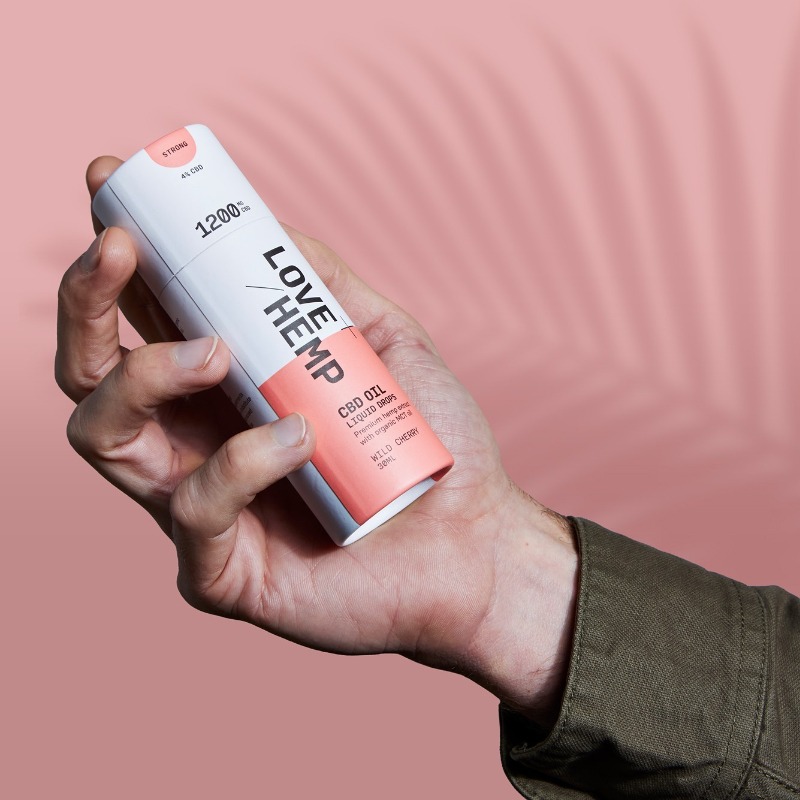
Se avete bisogno di un posizionamento a prova di bambino, iniziate con un tubo progettato per questo contesto, come ad esempio confezione in tubo di carta per cannabis a prova di bambino o un formato correlato come scatole di carta per cartucce CBD. La chiave è allineare le scelte della struttura con le regole di conformità e del canale di vendita al dettaglio fin dall'inizio, non dopo il blocco della progettazione.
Capacità produttiva e scala per gli ordini all'ingrosso
Quando si scala, l'affidabilità conta quanto l'aspetto. Il vostro posizionamento come Top Custom scatole di carta tubo Fornitore funziona meglio quando la si collega alla realtà operativa: un moderno laboratorio di purificazione degli imballaggi alimentari, un magazzino di 12.300 m² e una capacità produttiva giornaliera che supporta gli ordini di grandi quantità e il rifornimento continuo.
Questo è importante per:
Proprietari di marchi che necessitano di riordini stabili
Venditori transfrontalieri che non possono permettersi variazioni di imballaggio
Grossisti e distributori che necessitano di una fornitura prevedibile
Agenzie che necessitano di una prototipazione pulita per la produzione di massa
Acquirenti OEM/ODM che desiderano che un unico fornitore gestisca l'intera corsia di confezionamento
Se volete un punto di partenza rapido, inviate gli acquirenti al vostro sito web homepage in modo che capiscano prima la storia della fabbrica e delle sue capacità, per poi indirizzarli alle pagine dei prodotti in base alla categoria.
Lista di controllo della strategia di confezionamento dei tubi
Utilizzate questa lista di controllo per far avanzare i progetti e ridurre il tira e molla:
Confermare le dimensioni, il peso e le esigenze di inserimento del prodotto
Scegliere il materiale e la finitura in base al canale (retail vs DTC vs wholesale)
Blocco dello standard cromatico (obiettivi Pantone/CMYK) prima della produzione di massa
Approvare il campione della struttura prima della finalizzazione dell'opera d'arte
Convalidare la sensazione di apertura (sicura, fluida, ripetibile)
Confermare il posizionamento del codice a barre e del testo di conformità
Eseguire i controlli di scrupolosità e di compressione per la realtà logistica
Conservare un “campione d'oro” per futuri riordini
Se volete ampliare la vostra linea di tubi, iniziate dal catalogo dei prodotti per l'imballaggio in tubi di carta e costruire un sistema modulare: pochi formati di tubi, regole di branding coerenti e finiture adatte al vostro margine e al vostro canale.