Non vedete ancora la soluzione di imballaggio giusta? Parlate con il nostro capo.
Se avete consultato il nostro sito web o parlato con le vendite e non vedete ancora un percorso chiaro, inviate la vostra richiesta qui. Il vostro messaggio sarà inviato direttamente al nostro Direttore Generale per una revisione esecutiva della fattibilità, dei costi e dei tempi di realizzazione. Riceverete un chiaro passo successivo: cosa possiamo fare, cosa ci serve da voi e il percorso più veloce per ottenere un preventivo.
Richiedete offerta rapida per Imballaggi in tubo di carta personalizzati
Pensato per i responsabili degli imballaggi, degli approvvigionamenti e degli ingegneri dell'imballaggio. Specificate le dimensioni, la quantità e la finitura per ricevere indicazioni sul prezzo di vendita, sui tempi di consegna e sulle specifiche per i programmi USA/UE.
Personalizzazione pronta per il preventivo: diametro, altezza, spessore della parete, inserti, rivestimenti e chiusure
Elevate gli standard dei marchi di bellezza con l'imballaggio in tubo di carta per siero all'ingrosso
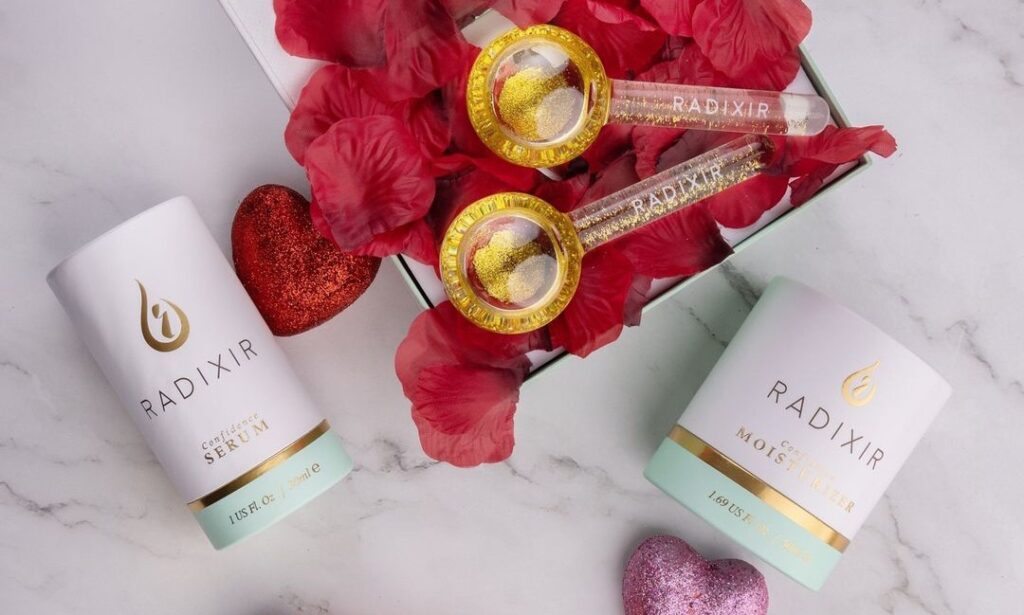
Se vendete sieri, sapete già che il prodotto fa metà del marketing. L'altra metà avviene prima che qualcuno giri il tappo. È la scatola nella foto, il momento dell'unboxing su TikTok e la nota “arrivato perfetto” nelle vostre recensioni.
Il confezionamento all'ingrosso di tubi di carta serica è una mossa semplice con grandi vantaggi. Si ottiene una protezione più forte per i flaconi fragili, una presenza più pulita sugli scaffali e più spazio per costruire una storia premium, senza trasformare la catena di approvvigionamento in un caos.
Se volete vedere velocemente gli stili, iniziate dal nostro homepage (è l'hub principale del prodotto).
Proteggere i flaconi di siero di vetro con l'imballaggio in tubo di carta
La maggior parte dei sieri viene spedita in vetro. Il vetro ha un aspetto pregiato, ma non perdona. Basta un'incertezza per vedere contagocce incrinati, spalle scheggiate o micro-perdite che portano a restituzioni appiccicose e a riaddebiti per “danneggiamento durante il trasporto”.
I tubi di carta risolvono il problema centrale: creano un guscio rigido e cilindrico intorno alla bottiglia. È inoltre possibile regolare l'adattamento interno in modo che la bottiglia non si muova. In questo modo si protegge il margine in modo che i clienti se ne accorgano: la confezione arriva pulita, intatta e pronta per la macchina fotografica.
Scenario del mondo reale: Un marchio DTC gestisce un pacchetto promozionale: siero + mini roller + foglietto illustrativo. Con un tubo e un inserto adeguato, si mantiene il vetro centrato e si evita che le parti accessorie sbattano contro il flacone durante il pick-and-pack 3PL e la consegna all'ultimo miglio.
Dimensioni e struttura personalizzate per il confezionamento del siero
Raramente le confezioni uniche si adattano ai sieri. Pompe, contagocce e tappi sovradimensionati modificano l'altezza e la geometria della “spalla”. Quando si forza un tubetto standard, si schiaccia l'area del tappo o si lascia uno spazio di testa eccessivo, con conseguenti danni da impatto.
Il dimensionamento personalizzato risolve questo problema. Si definiscono il diametro interno, l'altezza del tubo e lo stile di chiusura in base alla bottiglia e al tappo reali. In questo modo si ottengono confezioni strette e si riducono le sorprese in fase di scalatura.
Tolleranze di accoppiamento, spazio di testa e chiusura
Ecco il modo pratico di definire le specifiche:
Bottiglia OD + cucitura etichettaNon dimenticate lo spessore dell'etichetta e l'eventuale botta di cucitura.
Altezza del tappolasciare una piccola fessura di sicurezza in modo che il coperchio non prema mai sulla pompa.
Profondità dell'insertoSe si desidera che la bottiglia sia più alta, quando il cliente apre la provetta, è necessario posizionarla più in basso.
Attrito di chiusuratroppo stretto sembra economico; troppo largo si apre durante il trasporto
Si tratta di ingegneria dell'imballaggio, non di decorazione. In pratica, state costruendo una piccola “attrezzatura da spedizione” che si vende anche.
Design facile da usare e aspetto pronto per gli scaffali
Un tubetto può sembrare lussuoso, ma solo se è facile da aprire e intuitivo da usare. Nessuno vuole lottare con il coperchio tenendo in mano una bottiglia di vetro scivolosa.
Una buona progettazione della struttura è in grado di garantire tre cose:
Apertura/chiusura dolce (ripetibile, non inconsistente)
Orientamento chiaro (pannello frontale, area del codice a barre, area del lotto)
Impatto sullo scaffale (silhouette pulita, facile da allineare in un planogramma)
Imballaggi per l'e-commerce e imballaggi espositivi per la vendita al dettaglio
Canali diversi richiedono comportamenti diversi:
DTC / commercio elettronico transfrontaliero: dare priorità alla protezione dal trasporto e all'unboxing. Aggiungete inserti, rifiniture antigraffio, mantenete l'etichettatura nitida per la creazione di contenuti.
Vendita al dettaglio / salone: privilegiare il blocco dello scaffale e la rapida scoperta del prodotto. Utilizzate indicazioni di marca decise, nomi di prodotti chiari e una finitura che non lascia impronte.
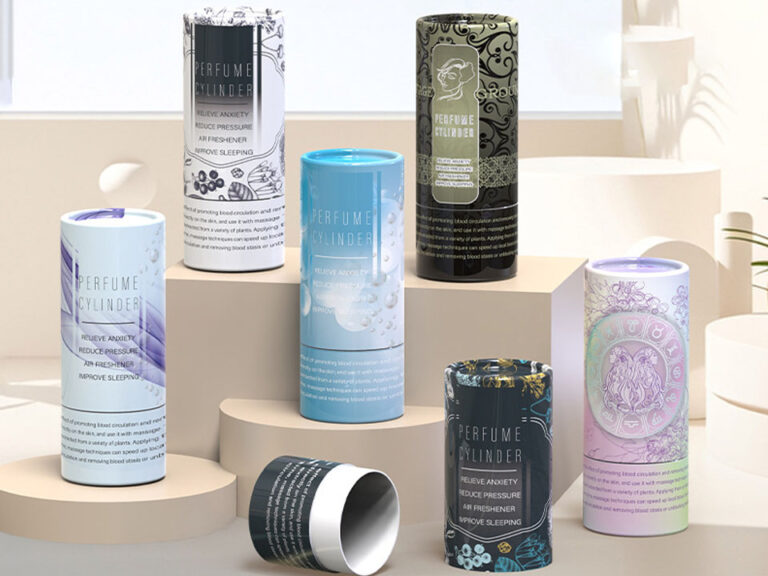
Se vendete linee “capelli/pelle/unghie” o integratori di bellezza insieme a sieri, questo stile mostra come un tubetto possa contenere più superficie di branding: Imballaggio in tubo di carta stampato su due lati.
Materiali di lunga durata: Opzioni Kraft, Cartone, Ondulato
La durata non è una vibrazione. È una serie di decisioni.
Aspetto Kraft: naturale, adatto alla “bellezza pulita”, ottimo per il marchio opaco
Cartone per tubi di cartone: stabile e di qualità superiore per la maggior parte dei sieri cosmetici
Supporto ondulato (quando necessario): Resistenza allo schiacciamento extra per le rotte di navigazione più difficili
L'obiettivo è semplice: proteggere il flacone e mantenere la superficie fresca dopo la manipolazione. Se il vostro tubo presenta dei graffi, il vostro marchio appare stanco.
Finiture di superficie e rivestimenti per la resistenza alle scalfitture
Pensate alle finiture come “antiusura” per gli asset di marketing:
Laminazione opaca per un tocco morbido e un look di alta gamma
Lucentezza per un colore deciso (ottimo per i disegni ad alto contrasto)
Antigraffio / antimpronta opzioni quando ci si aspetta una grande manipolazione (tester di vendita al dettaglio, mailing di influencer)
Inserti e scomparti per ridurre i danni da trasporto
Se spedite il vetro, gli inserti non sono facoltativi. Servono a controllare i movimenti, ad assorbire gli urti e a mantenere la bottiglia centrata.
Un buon inserto svolge tre funzioni:
Blocca la bottiglia in modo che non rimbalzi
Separa le parti (contagocce, spatola, mini campione) in modo da non far collidere nulla
Aggiornamenti dell'unboxing con una presentazione ordinata e intenzionale
Opzioni di inserti per il confezionamento di tubetti di carta per siero
Inserto in cartone: aspetto pulito, buona rigidità, facile da stampare
Inserto in schiuma: maggiore ammortizzazione, ottima per i vetri più pesanti
Polpa di cellulosa modellata: look naturale per un posizionamento “eco” (ma confermate la vestibilità e il controllo della polvere)
Se si vendono set composti da più parti (siero + strumento + mini), una disposizione a scomparti permette di tenere tutto nella propria corsia. In questo modo si riducono i resi e le recensioni si concentrano sulla formula, non sull'esperienza di spedizione.
Stampa del logo e informazioni sui prodotti per il riconoscimento del marchio
Una provetta di siero vi offre un vero e proprio spazio pubblicitario. Utilizzatelo come una risorsa del marchio, non come un portaetichette.
Ciò che conta di più:
Posizionamento del logo che si legge a 1-2 metri di distanza
Colore del marchio coerente tra i lotti (soprattutto se si eseguono estensioni di linea)
Nome del prodotto leggibile (non seppellirlo nel design)
Gerarchia delle informazioni per testo normativo, QR, lotto/lotto e codice a barre
Se il vostro team lavora con le agenzie, i tubi facilitano anche il mantenimento di un “sistema” tra gli SKU: stessa struttura, involucri diversi, versioning pulito per i drop stagionali.
Imballaggi in tubo di carta riciclabile: Che cosa significa davvero “ecologico”?
I clienti amano la dicitura “riciclabile”, ma bisogna usarla con attenzione. I tubi di carta possono sostenere la comunicazione sulla sostenibilità, ma sono i dettagli a decidere se la confezione viene effettivamente riciclata.
Ecco la versione onesta:
Gli imballaggi in carta spesso può riciclare
Alcuni rivestimenti, rivestimenti e adesivi pesanti può ridurre la riciclabilità
I materiali misti rendono più difficile la selezione
Quindi non esagerate. Piuttosto, costruite una specifica di packaging che sia all'altezza del vostro mercato e del vostro canale.
Carta certificata FSC e corretto utilizzo dell'etichetta FSC
Se intendete parlare di approvvigionamento responsabile, fatelo nel modo giusto. Le dichiarazioni e le etichette FSC devono essere gestite correttamente. È necessario che la dichiarazione cartacea della catena di fornitura sia corretta e che l'etichetta venga utilizzata in modo conforme.
In questo modo ci si protegge da imbarazzanti domande di conformità in un secondo momento, soprattutto quando i rivenditori o i marketplace iniziano a chiedere la documentazione.
La riciclabilità dipende dal sistema locale: Dalla raccolta ai mercati finali
Anche un tubo “riciclabile” non si ricicla ovunque. I sistemi locali variano. La raccolta, la selezione, il ritrattamento e i mercati finali sono tutti elementi importanti.
Ecco perché i marchi più intelligenti adattano le specifiche in base alla regione. Ad esempio, si potrebbe utilizzare una combinazione di liner e rivestimento per DTC in un mercato con un forte riciclaggio della carta, e una diversa per i mercati in cui la raccolta differenziata è più difficile.
All'ingrosso Imballaggi in tubo di carta OEM/ODM: Come i marchi scalano più velocemente
Quando si sceglie la vendita all'ingrosso, non si acquista solo il packaging. Acquistate stabilità: controllo qualità costante, produzione prevedibile e un calendario di lancio più agevole.
Come Top Custom scatole di carta tubo Fornitore, sosteniamo personalizzazione, vendita all'ingrosso di prodotti sfusi e OEM/ODM. Abbiamo costruito una moderna officina per la purificazione degli imballaggi alimentari e una 12,300 m² allestimento del magazzino, con capacità giornaliera di oltre 300.000 pezzi. Questo è il tipo di spina dorsale di cui i marchi hanno bisogno quando una SKU decolla improvvisamente.
Se vi destreggiate tra più categorie (bellezza, benessere, accessori), è utile lavorare con un unico fornitore che può gestire diverse specifiche di tubi sotto lo stesso tetto.
Per il posizionamento “riciclabile” in categorie adiacenti, questi esempi mostrano cosa è possibile fare:
Tabella delle prove: Affermazioni, soluzioni e origine delle stesse
Titolo dell'argomento (da usare come titolo della sezione)
Decisione sull'imballaggio sotto il vostro controllo
Cosa risolve nel mondo reale
Metriche operative che potete monitorare
Fonte del punto
Proteggere i flaconi di siero di vetro con l'imballaggio in tubo di carta
Parete del tubo rigida + adattamento interno controllato
Meno rotture, meno reclami per “arrivo danneggiato”.
Tasso di danneggiamento/restituzione
Realtà di gestione dell'adempimento e del trasporto di DTC
Dimensioni e struttura personalizzate per il confezionamento del siero
ID/altezza/chiusura personalizzati
Blocca i fruscii, evita lo schiacciamento del cappuccio
Danni da trasporto + reclami dei clienti
Specifiche di imballaggio + geometria della bottiglia
Design facile da usare e aspetto pronto per gli scaffali
Coperchio ad apertura facilitata + pannello frontale trasparente
Migliore unboxing + blocco dello scaffale più robusto
Recensioni e foto di conversione
Esigenze di merchandising al dettaglio + contenuti DTC
Materiali di lunga durata: Opzioni Kraft, Cartone, Ondulato
Pila di materiali + qualità del pannello
Meno ammaccature e graffi
Addebiti + problemi di gestione del magazzino
Manipolazione della distribuzione + usura da scaffale
Inserti e scomparti per ridurre i danni da trasporto
Tipo di inserto + disposizione degli scomparti
Previene le collisioni all'interno del tubo
Tasso di danno + spedizioni sostitutive
Ingegneria dell'imballaggio e flussi di lavoro di kitting
Stampa del logo e informazioni sui prodotti per il riconoscimento del marchio
Metodo di stampa + gerarchia delle informazioni
Coerenza del marchio tra i vari SKU
Ripetizione dell'acquisto + richiamo del marchio
Sistema di marca + esigenze di conformità
Imballaggi in tubo di carta riciclabile: Che cosa significa davvero “ecologico”?
Rivestimenti/rivestimenti/adesivi
Evita affermazioni fuorvianti
Fiducia del cliente + domande del rivenditore
Realtà del riciclo + scelte dei materiali
Carta certificata FSC e corretto utilizzo dell'etichetta FSC
Ingressi certificati + etichettatura conforme
Riduce il rischio di conformità
Semplicità di onboarding nel retail
Aspettative di approvvigionamento e di audit
La riciclabilità dipende dal sistema locale
Specifiche regionali
Meno accuse di “greenwashing
Biglietti di assistenza + esame del mercato
Variabilità del riciclo locale
Lista di controllo rapida per l'imballaggio di tubi di carta per siero all'ingrosso
Prima di effettuare un ordine di grandi quantità, allineate questi dettagli con il vostro team:
Dimensioni della bottiglia (OD + altezza + tipo di tappo)
Canale di destinazione (DTC, transfrontaliero, retail, salone)
Requisiti dell'inserto (bottiglia singola o set, necessità di scomparti)
Direzione della finitura (opaca, lucida, antigraffio)
Asset di stampa (logo, target PMS, codice a barre, area batch, QR)
Direzione della sostenibilità (quali affermazioni farete e come le sosterrete)
Piano di scala (rollout multi-SKU, cali stagionali, riordini)
Se si vuole un punto di partenza pulito, si può consultare il file catalogo delle scatole per tubi di carta e fare una lista ristretta di 2-3 strutture che si adattano al tono del vostro canale e del vostro marchio.
Quando siete pronti, condividete le specifiche del vostro flacone e il vostro piano di distribuzione. Mapperemo la costruzione del tubo (materiali + inserto + finitura) in base ai vostri obiettivi, in modo che il vostro siero appaia come se fosse nella corsia premium, anche quando viene spedito attraverso una catena logistica difficile.