Non vedete ancora la soluzione di imballaggio giusta? Parlate con il nostro capo.
Se avete consultato il nostro sito web o parlato con le vendite e non vedete ancora un percorso chiaro, inviate la vostra richiesta qui. Il vostro messaggio sarà inviato direttamente al nostro Direttore Generale per una revisione esecutiva della fattibilità, dei costi e dei tempi di realizzazione. Riceverete un chiaro passo successivo: cosa possiamo fare, cosa ci serve da voi e il percorso più veloce per ottenere un preventivo.
Revisione diretta da parte del GM delle vostre specifiche, del caso d'uso e dei vincoli
Controllo delle dimensioni e della struttura: diametro, altezza, resistenza delle pareti, inserti.
Raccomandazioni per la stampa e la finitura in base al marchio e al budget
Alternative di riduzione dei costi e opzioni di miglioramento dei tempi di consegna
Chiarezza sul percorso del preventivo: MOQ, piano di campionamento e cosa fare dopo
Parlare con il nostro capo
Richiedete offerta rapida per Imballaggi in tubo di carta personalizzati
Pensato per i responsabili degli imballaggi, degli approvvigionamenti e degli ingegneri dell'imballaggio. Specificate le dimensioni, la quantità e la finitura per ricevere indicazioni sul prezzo di vendita, sui tempi di consegna e sulle specifiche per i programmi USA/UE.
Personalizzazione pronta per il preventivo: diametro, altezza, spessore della parete, inserti, rivestimenti e chiusure
Una guida pratica per creare tubi di carta a tenuta d'aria
Indice dei contenuti
Se si vendono polveri, tè, caffè, CBD, cosmetici o qualsiasi altra cosa sensibile al profumo, un solo sigillo difettoso può trasformarsi in una valanga. L'umidità si insinua. L'aroma fuoriesce. Il prodotto si raggruma. Le etichette vengono incolpate. I resi aumentano.
La buona notizia è che è possibile costruire un tubo di carta che si chiude ermeticamente e sopravvive alla spedizione. Basta progettarlo come fanno gli ingegneri dell'imballaggio: partendo dal sistema di tenuta, non dallo spessore della carta.
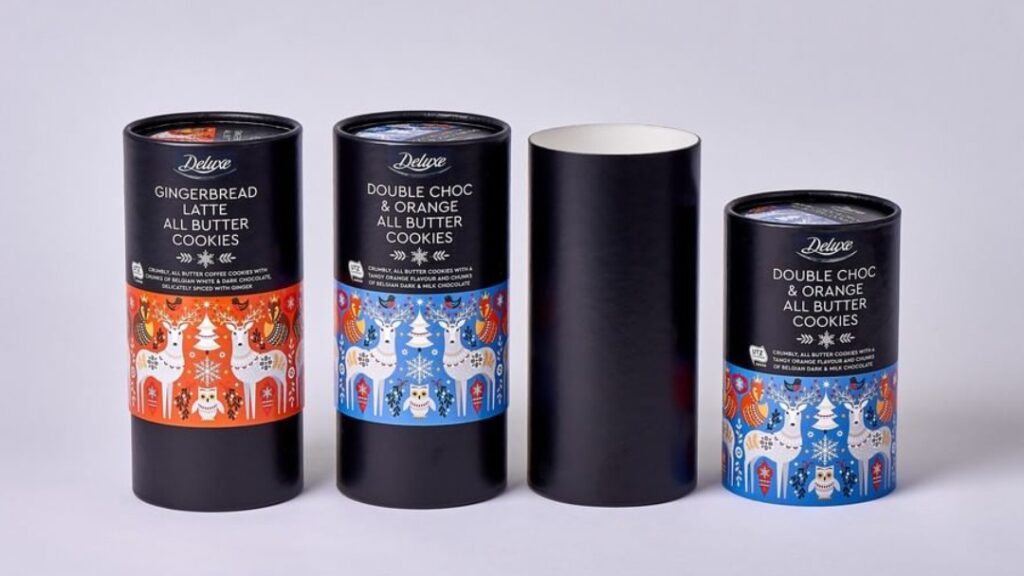
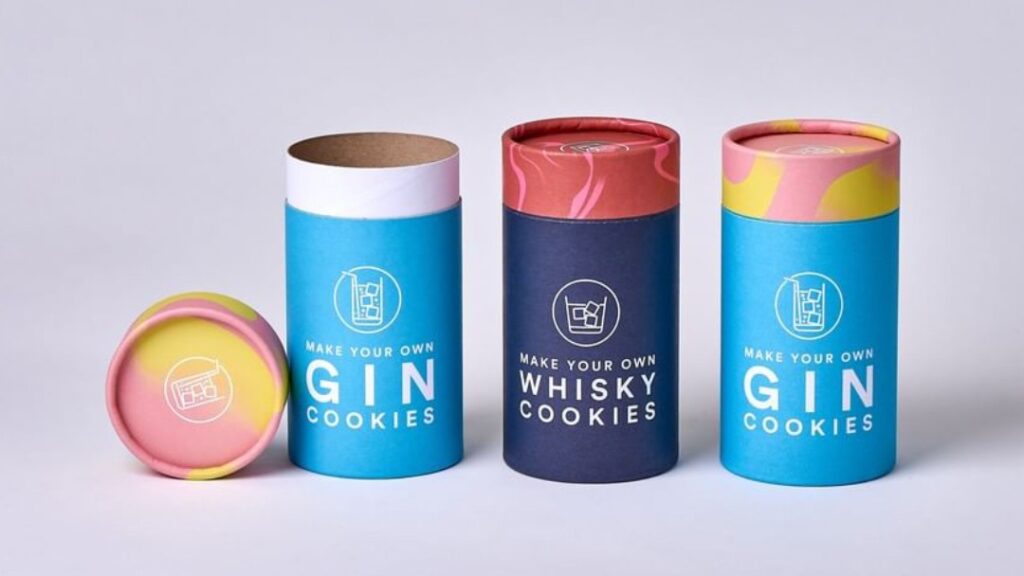
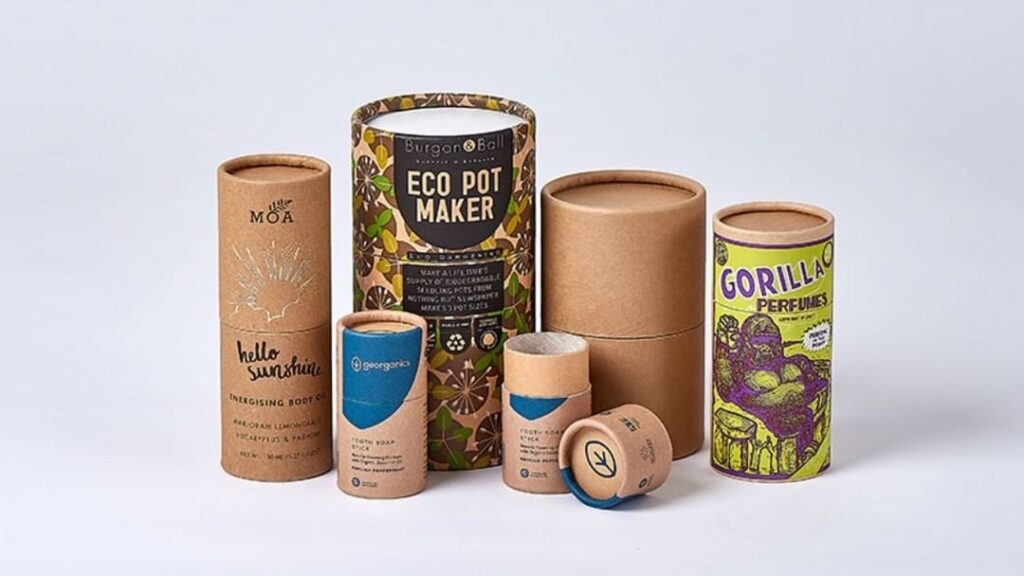
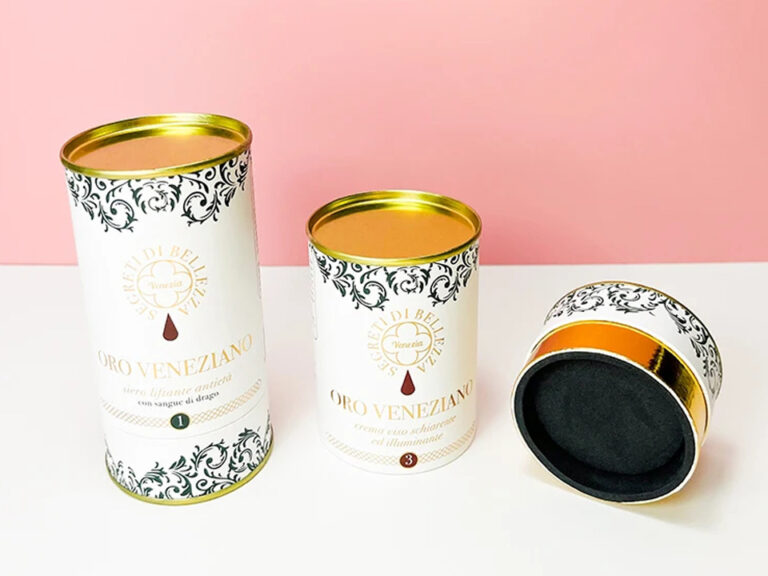
Vedrete anche esempi reali di prodotto da una Top Custom scatole di carta tubo Fornitore oltre a opzioni pratiche per i team di vendita all'ingrosso, OEM/ODM e a marchio privato.
Nozioni di base sui tubi di carta a tenuta d'aria: ingresso di ossigeno e umidità
“Ermetico” di solito significa che state controllando due nemici:
Ingresso di ossigeno (ossidazione, perdita di sapore, irrancidimento dell'olio)
Trasmissione del vapore acqueo (formazione di croste, appiccicosità, rischio di muffa)
La carta da sola non è in grado di bloccare entrambi. Le prestazioni della vostra guarnizione derivano da un pila di barriere:
Barriera interna (liner/film/foglio)
Sigillo del bordo (sigillo a caldo, sigillo a foglio o sigillo a compressione)
Adattamento della chiusura (tappo, coperchio metallico, tappo CR)
Controlli di processo (riempimento, sigillatura, ispezione)
Consideratelo come un impermeabile. Il tessuto è importante, ma la cerniera è il punto in cui si verificano le perdite.
Sistema di tenuta terminale: dove si verificano effettivamente le perdite
La maggior parte delle perdite proviene dal bocca e base del tubo, non il fianco. Si può avvolgere la carta per tutto il giorno e comunque fallire se il cerchio ha delle microfessure.
Guarnizione del cerchio e vie di fuga
Le vie di fuga comuni sembrano noiose, ma fanno male:
Piccole ammaccature sul bordo dovute al trasporto
Linea di colla non uniforme o bordo della carta deformato
Incastro lento tra tappo interno e ID (diametro interno)
Tappo che “sembra chiuso” ma non comprime mai una guarnizione
Se si risolve il cerchio, il resto diventa più facile.
Tenuta del fondo e integrità delle cuciture
Anche il fondo può presentare delle perdite, soprattutto quando un prodotto si scuote durante il trasporto e “pompa” aria attraverso i giunti deboli. Un fondo stretto e una barriera interna riducono l'effetto di pompaggio e contribuiscono alla resistenza ai test di caduta.
Termosaldatura completa per tubi di carta a tenuta d'aria
Se volete ottenere la massima integrità della tenuta, scegliete il modello Termosaldatura completa. È la cosa che più si avvicina a una membrana “tipo lattina”.
Come funziona in parole povere:
Si aggiunge un strato interno termosaldabile (pellicola o liner rivestito)
Dopo il riempimento, una macchina applica calore e pressione
La pellicola si fonde in un sigillo continuo attraverso l'apertura.
Prodotti con aromi pesanti che necessitano di un basso ingresso di ossigeno
Nota operativa (mondo reale): la sigillatura a caldo completa è di solito aperto una tantum. Se il prodotto deve essere richiuso quotidianamente, abbinarlo a un tappo secondario.
Combinazione fodera + coperchio per tubi di carta richiudibili a tenuta stagna
La maggior parte dei marchi vuole “Convenienza ”aprire-chiudere-aprire-chiudere". È qui che il fodera + coperchio combo vince.
Una pila pratica si presenta così:
Fodera interna fa da barriera (foglio, film metallizzato o carta patinata)
Chiusura fa l'esperienza dell'utente (coperchio di metallo, tappo di plastica, tappo CR)
Opzionale guarnizione interna aggiunge prove di manomissione (per saperne di più)
Questo layout si adatta ai prodotti al dettaglio che vengono utilizzati per settimane:
Cosa guardare: la chiusura deve effettivamente comprimere qualcosa (labbro di rivestimento, anello di guarnizione o accoppiamento per interferenza). Un “bel coperchio” senza compressione è solo arredamento.
Foglio sensibile alla pressione e termosaldatura parziale per piccole tirature
Non tutte le SKU meritano una linea automatizzata. Per i lanci pilota e i drop stagionali, è ancora possibile ottenere una chiusura ermetica con metodi più semplici:
Guarnizioni in pellicola sensibili alla pressione (applicato a mano o semiautomatico)
Termosaldatura parziale intorno a un tappo/labbro interno
Questi metodi funzionano bene quando:
Avete bisogno di tempi rapidi per un mercato di prova
La velocità della linea è bassa
Volete un aggiornamento realistico delle tenute senza dover riattrezzare tutto
Richiedono però disciplina. La polvere sul cerchio, l'olio sul rivestimento o una pressione incoerente possono causare guasti alle guarnizioni. Ecco perché un sistema di base Cancello QC anche per le piccole tirature.
Imballaggio in tubo + busta per la massima prestazione di barriera
Se avete bisogno di una barriera di alto livello ma volete il tubo di carta per il branding e la visibilità sugli scaffali, utilizzate tubo + astuccio.
Il concetto:
Sigillare il prodotto in un sacchetto ad alta barriera
Lasciare cadere il sacchetto nel tubo di carta
Il tubo diventa una confezione esterna di qualità superiore con una forte resistenza all'impilamento.
Questo approccio è adatto:
Spedizioni transfrontaliere di e-commerce (transito lungo, climi misti)
Venditori a marchio privato con frequenti cambi di SKU
Alimenti, integratori e qualsiasi prodotto con obiettivi di conservazione rigorosi
Bonus: è possibile aggiornare la barriera senza cambiare la grafica del tubo esterno. In questo modo il vostro sistema di confezionamento rimane flessibile.
Opzioni di sigillo a induzione e di sigillo antimanomissione
I clienti si fidano delle confezioni che mostrano un chiaro momento di “prima apertura”. Un sigillo di garanzia che non si rompe riduce anche i reclami e le richieste di risarcimento “è arrivato aperto”.
Due percorsi comuni:
Guarnizione di carta stagnola sotto il tappo (tenuta a membrana)
Guarnizione a induzione (lamina incollata mediante riscaldamento a induzione, tipicamente utilizzata con materiali compatibili per il bordo)
Per i tubi di carta, spesso si costruisce come un ibridotubo di carta + fodera interna/montaggio che supporta il sigillo in foglio. Questo è comune nelle categorie regolamentate come la cannabis e il CBD.
Semplice controllo delle perdite (stile pressione/immersione)
Perdite d'aria evidenti all'imboccatura o alla base
Campionamento durante la produzione
“Controllo dell'integrità dei sigilli”
Verifica OTR / WVTR (metodo di laboratorio)
Rischio di ingresso di ossigeno/umidità a lungo termine
Nuova struttura, nuovo rivestimento, nuovo fornitore
“Convalida della barriera”
È così che si protegge il marchio. Si smette di tirare a indovinare e si inizia a controllare le variabili.
Tappi di chiusura, tappi e chiusure a prova di bambino
Le chiusure determinano sia le prestazioni che le recensioni. I clienti non lasciano un feedback a 5 stelle perché la parete del tubo è spessa. Amano una provetta che si chiude in modo pulito, che dà una sensazione di qualità e che non si rovescia nello zaino.
Regole di selezione delle chiusure che funzionano:
Piccolo dettaglio che conta: la chiusura deve essere in tinta con il vostro Tolleranza ID. Le tolleranze ridotte uccidono la consistenza delle guarnizioni, soprattutto in scala.
Imballaggio in tubo di carta a tenuta d'aria per scenari di prodotto reali
Ecco alcuni scenari di “utilizzo” che vi aiuteranno a scegliere la struttura giusta:
Marche di cofanetti in abbonamentoScegliere il tubo + la busta per poter cambiare rapidamente sapore senza dover rielaborare l'intero tubo.
Venditori di e-commerce transfrontalieriaggiungere prove di manomissione per ridurre le controversie e proteggere il margine di guadagno
Marchi a scaffale per la vendita al dettagliocostruire un sistema di fodera e coperchio richiudibile in modo che i clienti non abbiano bisogno di clip o buste con zip
Tabella di confronto dei metodi pratici di sigillatura
Utilizzatelo per scegliere rapidamente una direzione.
Metodo di sigillatura
Resistenza della barriera
Richiudibile
Tipi di prodotto più adatti
Punto di guasto tipico
Termosaldatura completa
Molto alto
No (a meno che non sia abbinato a un berretto)
Polveri, prodotti aromatici
Contaminazione del cerchio, calore/pressione non uniforme
Combinazione fodera + coperchio
Alto
Sì
Tè, cosmetici, articoli di largo consumo
Montaggio non perfetto, labbro della fodera non compresso
Guarnizione in foglio + tappo
Alto
Sì
CBD, articoli regolamentati, vendita al dettaglio di qualità
Scarsa adesione o tenuta storta
Foglio sensibile alla pressione / termosaldatura parziale
Medio-alto
Dipende
Piloti, cali stagionali
Pressione incoerente, bordo polveroso
Tubo + astuccio
Molto alto
Sì (tramite astuccio)
Lungo transito, durata di conservazione rigorosa
Qualità della chiusura della busta, gestione del pack-out
Lista di controllo OEM/ODM per progetti di tubi di carta ermetici
Se acquistate all'ingrosso, risparmierete tempo bloccando questi prodotti in anticipo:
Sensibilità del prodotto: sensibile all'umidità, all'ossigeno o a entrambi i fattori
Obiettivo prova “ermeticaDefinire cosa testare (OTR/WVTR e/o campionamento dell'integrità della tenuta).
Piano di chiusura: coperchio metallico, tappo, CR, sigillo anti-manomissione
Opere d'arte + finitureopaco, soft-touch, stampa su lamina, goffratura: per abbinare il vostro marchio alla vostra scelta.
Imballaggio e spedizione: resistenza alle cadute, resistenza alla compressione, esposizione all'umidità durante il trasporto
CQ e documentazione: punti di ispezione, livello AQL, approvazione del campione, ripetibilità
Se si tratta di un sistema, si riducono le rielaborazioni. Inoltre, si proteggono i tempi di lancio.
Supporto del produttore di scatole di carta su misura per il commercio all'ingrosso e l'OEM/ODM
Se state costruendo tubi di carta a tenuta d'aria per la vendita al dettaglio o transfrontaliera, volete un fornitore in grado di gestire una produzione stabile e di mantenere strette le tolleranze. Il posizionamento del sito mira già a questo: Top Custom scatole di carta tubo Fornitore, con un moderno laboratorio di purificazione degli imballaggi alimentari, un magazzino di 12.300 m² e un'elevata capacità produttiva giornaliera.
Quando siete pronti, portate alla discussione una cosa: la “lista dei nemici” del vostro prodotto (umidità, ossigeno, polvere, rischio di manomissione). Da qui, è facile tracciare il giusto sistema di tenuta e creare un tubo che rimanga sigillato dalla fabbrica fino all'apertura della confezione da parte del cliente.