Non vedete ancora la soluzione di imballaggio giusta? Parlate con il nostro capo.
Se avete consultato il nostro sito web o parlato con le vendite e non vedete ancora un percorso chiaro, inviate la vostra richiesta qui. Il vostro messaggio sarà inviato direttamente al nostro Direttore Generale per una revisione esecutiva della fattibilità, dei costi e dei tempi di realizzazione. Riceverete un chiaro passo successivo: cosa possiamo fare, cosa ci serve da voi e il percorso più veloce per ottenere un preventivo.
Revisione diretta da parte del GM delle vostre specifiche, del caso d'uso e dei vincoli
Controllo delle dimensioni e della struttura: diametro, altezza, resistenza delle pareti, inserti.
Raccomandazioni per la stampa e la finitura in base al marchio e al budget
Alternative di riduzione dei costi e opzioni di miglioramento dei tempi di consegna
Chiarezza sul percorso del preventivo: MOQ, piano di campionamento e cosa fare dopo
Parlare con il nostro capo
Richiedete offerta rapida per Imballaggi in tubo di carta personalizzati
Pensato per i responsabili degli imballaggi, degli approvvigionamenti e degli ingegneri dell'imballaggio. Specificate le dimensioni, la quantità e la finitura per ricevere indicazioni sul prezzo di vendita, sui tempi di consegna e sulle specifiche per i programmi USA/UE.
Personalizzazione pronta per il preventivo: diametro, altezza, spessore della parete, inserti, rivestimenti e chiusure
Ottenere risultati commerciali efficienti grazie agli imballaggi in cartone cilindrico
Indice dei contenuti
La maggior parte dei marchi non perde denaro perché il prodotto è scadente. Li perdono nel mezzo, tra danni alla spedizione, biglietti di ritorno, “gestione speciale” del magazzino e imballaggi che sembrano scadenti su uno scaffale. È qui che imballaggi cilindrici in cartone (scatole di tubi di carta) si guadagna la pagnotta.
Un tubo di carta non è un'opera di ingegneria. È un formato pratico che protegge i prodotti sensibili agli angoli, rimane rigido sotto pressione e offre una superficie pulita per il marchio e l'etichettatura. Quando vendete all'ingrosso, fate OEM/ODM o rifornite i distributori, questi dettagli si trasformano in risultati commerciali concreti.
Mappa dei risultati aziendali per gli imballaggi in cartone cilindrico
Titolo dell'argomento (utilizzarlo come intestazione di sezione)
Cosa migliora
Cosa risolve nel mondo reale
Fonte di credibilità (nessun link esterno)
Conformità delle spedizioni e disciplina dimensionale
Meno eccezioni di spedizione, più fluidità di evasione
Meno caos da “non si può scannerizzare / non si può smistare / bisogna reimpacchettare”.
Regole del vettore + SOP di evasione + controlli QA in uscita
Protezione per prodotti arrotolabili e sensibili agli angoli
Meno richieste di risarcimento danni, meno rimborsi
Niente angoli schiacciati, meno merce piegata, meno messaggi di “arrivato rovinato”.
Categorie di dati relativi alla fisica dei prodotti + feedback dei clienti + resi
Tappi terminali in plastica e opzioni anti-manomissione
Maggiore fiducia nella sicurezza, meno controversie
Riduce l'apertura accidentale, supporta le esigenze di richiusura
Realtà di movimentazione al dettaglio + requisiti di distribuzione
Tubi di carta quadrati e imballaggi non arrotolabili
Magazzino più pulito, accatastamento più facile
Meno rotolamento, migliore stabilità del pallet
Flusso di lavoro del magazzino + efficienza del picking/pack
Struttura leggera ma resistente
Migliore efficienza di spedizione senza rischi “inconsistenti
Pareti robuste con un peso gestibile
Comportamento del materiale di imballaggio + pratiche di test di caduta/compressione
Valore di riutilizzo e stoccaggio
Maggiore valore percepito, migliore ricordo del marchio
I clienti lo conservano, lo riutilizzano, ne parlano
Comportamento post-acquisto + esperienza di unboxing
Storia di riciclabilità e sostenibilità
Conversazioni più semplici con i rivenditori
Messaggio “cartaceo” più chiaro se costruito correttamente
Ripartizione dei materiali + guida al riciclaggio locale
Conformità delle spedizioni e disciplina dimensionale
I problemi di spedizione di solito non si presentano durante una riunione sui prodotti. Si presentano il lunedì mattina, quando il magazzino dice: “Questo lotto non passerà attraverso la linea”.”
Imballaggio cilindrico in cartone aiuta a standardizzare le cose che mantengono l'appagamento:
Geometria coerente: un tubo mantiene la sua forma meglio di un cartone morbido quando i pacchi vengono schiacciati durante il trasporto.
Posizionamento più pulito delle etichettemeno etichette di codici a barre stropicciate, meno errori di scansione e meno percorsi errati.
Pack-out ripetibile: la vostra squadra può fare le valigie velocemente perché il formato si comporta sempre allo stesso modo.
Se vendete in settori regolamentati o soggetti a norme, dovrete anche scegliere un imballaggio che supporti i requisiti di sicurezza e le chiusure pulite. Un buon esempio è imballaggio in tubo di carta riciclabile resistente alla cannabis per bambini, dove la struttura e la strategia di chiusura contano quanto la grafica.
Protezione per prodotti arrotolabili e sensibili agli angoli
Gli angoli si rovinano per primi. Ecco perché i tubi vincono per i prodotti che odiano gli spigoli vivi e i punti di pressione piatti.
Un tubo protegge per design:
ha nessun angolo da schiacciare
distribuisce la forza intorno alla curva
resiste meglio alle ammaccature rispetto ai cartoni a parete sottile
Tubi per la spedizione di poster
Se spedite poster, stampe, certificati, progetti o opere d'arte, conoscete già il problema: un bordo piegato può trasformare un articolo perfetto in un rimborso.
I tubi consentono di arrotolare il prodotto e di mantenerlo pulito. Questo riduce il messaggio “arrivato piegato” e il tempo speso a discutere se il danno è avvenuto prima o dopo la consegna.
Articoli di bellezza, per la cura della persona e per il trasporto quotidiano
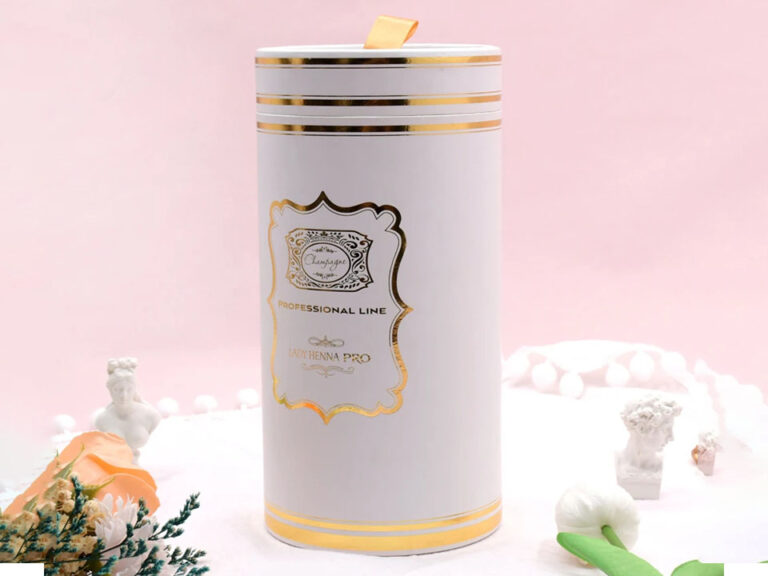
I tubi funzionano bene anche per le categorie in cui i clienti sono attenti alla presentazione e alla conservazione. Pensate ai cosmetici, al grooming e ai kit da viaggio. Un formato come scatola di imballaggio del tubo dei cosmetici protegge l'articolo e conferisce al contempo un aspetto da scaffale di prima qualità.
Polvere, nutrizione e prodotti funzionali
Per le polveri e i prodotti funzionali, si desidera una protezione e una sensazione di solidità nella mano. Un tubo può offrire tutto questo senza trasformare lo zaino in un mattone ingombrante. Guardate lo stile utilizzato per confezioni di proteine in polvere.
Tappi terminali in plastica e opzioni anti-manomissione
In molti mercati, i clienti non si limitano ad aprire la confezione una volta sola. Lo aprono, lo chiudono, lo portano in viaggio, lo conservano e si aspettano che rimanga pulito.
Ecco perché Tappi di chiusura e scelte di chiusura materia:
Richiudere la convenienza: i clienti non devono distruggere la confezione per utilizzare il prodotto.
Stabilità del transito: migliore resistenza all'apertura accidentale durante la spedizione.
Segnali di fiducia: le fasi di manomissione opzionali aiutano a ridurre le controversie su “questo sembra aperto”.
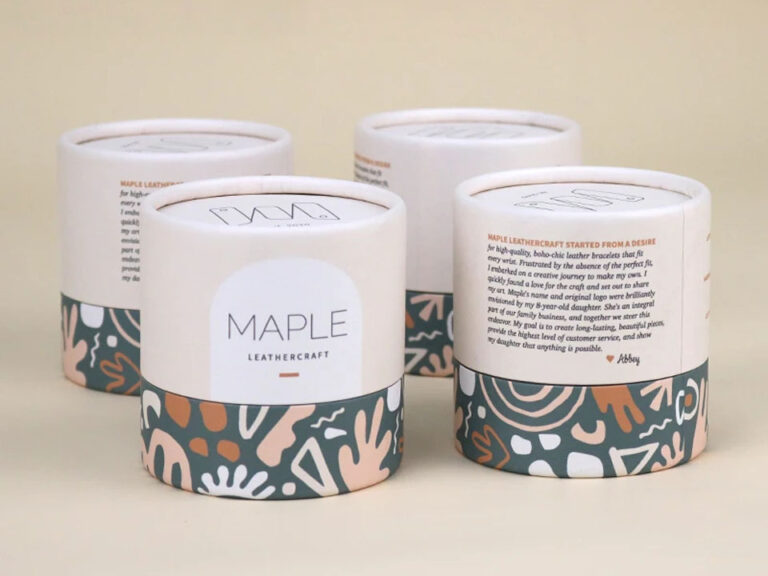
Per il gifting di qualità, le chiusure e le finiture sono ancora più importanti perché la confezione diventa parte del prodotto. Un ottimo formato di riferimento è imballaggio in tubo di carta per gioielli e bracciali, che punta sulla presentazione e su uno stile degno di essere conservato.
Tubi di carta quadrati e imballaggi non arrotolabili
Siamo onesti: i cilindri possono rotolare. In ambienti di magazzino veloci, il rotolamento degli imballaggi può provocare piccoli fastidi che si trasformano in rallentamenti, soprattutto quando si impilano, si scansionano e si avvolgono i prodotti.
È qui che tubi di carta quadrati (o altri formati antirollio):
Migliore impilamento
Comportamento dei pallet più pulito
Meno gestione “a caccia del pacco
Molti marchi adottano una strategia mista: cilindri per gli SKU hero della vendita al dettaglio e formati non arrotolabili per le corsie di vendita alla rinfusa o per i percorsi di distribuzione. Non si tratta di indecisione. È maturità operativa.
Struttura leggera ma resistente
Non volete un imballaggio che sembri fragile. Non volete nemmeno un imballaggio che dia la sensazione di spedire un manubrio.
I tubi di carta si trovano in un'utile zona intermedia:
le pareti rigide proteggono dalla compressione
il formato rimane pratico per la spedizione
l'unboxing è di qualità superiore senza ulteriori complessità
Questo è importante per i venditori transfrontalieri e per gli operatori dei marketplace, perché le richieste di risarcimento danni colpiscono due volte: una volta per i rimborsi e un'altra per la pressione sul rating del negozio.
Valore di riutilizzo e stoccaggio
Un tubo non sembra usa e getta. Le persone lo conservano.
Si tratta di una vittoria tranquilla per il richiamo del marchio, perché la confezione rimane nello spazio del cliente. Diventa un contenitore per cavi, strumenti per il trucco, accessori o oggetti da scrivania. Non c'è bisogno di forzare una “storia di riutilizzo”. La forma lo invita.
CBD e piccoli oggetti di alto valore: i tubi supportano la protezione e l'esposizione di prodotti compatti, quali scatole di carta per cartucce CBD.
OEM/ODM e lista di controllo all'ingrosso per le scatole di tubo di carta personalizzate
Se state acquistando all'ingrosso, non iniziate con il “fare bello”. Iniziate da ciò che rompe la vostra catena di approvvigionamento.
Utilizzate questa lista di controllo per mantenere il vostro progetto in equilibrio:
Adattamento e tolleranzaDiametro interno, altezza, inserimento dell'inserto, tenuta del coperchio
Livello di protezione: resistenza delle pareti, resistenza alla compressione, comportamento alle vibrazioni in transito.
Strategia di chiusuraCoperchio a frizione, tappi terminali, chiusure speciali, fasi di manomissione opzionali
Esecuzione del marchio: consistenza della stampa, durata della finitura, resistenza alle abrasioni
La realtà del magazzino: comportamento di impilamento, superficie di scansione del codice a barre, velocità di confezionamento
Esigenze di conformitàRequisiti a prova di bambino o specifici della categoria, se pertinenti.
Coerenza della scalaStabilità da lotto a lotto, punti di controllo QC, compatibilità di linea
Se si desidera visualizzare le opzioni di formato prima di specificare i dettagli, l'opzione catalogo scatole di carta per tubi è il modo più rapido per confrontare gli stili dei vari settori.
Wrap-up: perché gli imballaggi in cartone cilindrico consentono di ottenere risultati efficienti
Gli imballaggi cilindrici in cartone funzionano perché eliminano i punti deboli, in senso letterale e operativo. Proteggono le merci sensibili agli angoli, rendono prevedibile l'evasione, supportano il marchio premium e si adattano ai flussi di lavoro della produzione in serie.
Se i vostri obiettivi sono una riduzione dei reclami per danni, una spedizione più agevole, una migliore presenza sugli scaffali e un imballaggio che i clienti non buttano via all'istante, le scatole in tubo di carta sono una mossa pratica, non una tendenza.
Quando si è pronti, iniziare dal punto homepage e mappare il vostro tipo di prodotto alla struttura più vicina, quindi bloccare la vestibilità, la chiusura e la finitura in base al vostro canale di spedizione e di vendita.