Non vedete ancora la soluzione di imballaggio giusta? Parlate con il nostro capo.
Se avete consultato il nostro sito web o parlato con le vendite e non vedete ancora un percorso chiaro, inviate la vostra richiesta qui. Il vostro messaggio sarà inviato direttamente al nostro Direttore Generale per una revisione esecutiva della fattibilità, dei costi e dei tempi di realizzazione. Riceverete un chiaro passo successivo: cosa possiamo fare, cosa ci serve da voi e il percorso più veloce per ottenere un preventivo.
Revisione diretta da parte del GM delle vostre specifiche, del caso d'uso e dei vincoli
Controllo delle dimensioni e della struttura: diametro, altezza, resistenza delle pareti, inserti.
Raccomandazioni per la stampa e la finitura in base al marchio e al budget
Alternative di riduzione dei costi e opzioni di miglioramento dei tempi di consegna
Chiarezza sul percorso del preventivo: MOQ, piano di campionamento e cosa fare dopo
Parlare con il nostro capo
Richiedete offerta rapida per Imballaggi in tubo di carta personalizzati
Pensato per i responsabili degli imballaggi, degli approvvigionamenti e degli ingegneri dell'imballaggio. Specificate le dimensioni, la quantità e la finitura per ricevere indicazioni sul prezzo di vendita, sui tempi di consegna e sulle specifiche per i programmi USA/UE.
Personalizzazione pronta per il preventivo: diametro, altezza, spessore della parete, inserti, rivestimenti e chiusure
Suggerimenti e vantaggi per l'imballaggio di scatole di tè personalizzate
Indice dei contenuti
Il tè è esigente. Perde rapidamente l'aroma, odia l'umidità e assorbe strani odori come una spugna. Nel frattempo, i vostri clienti giudicano la qualità in pochi secondi. Se la confezione è scadente, il tè è scadente.
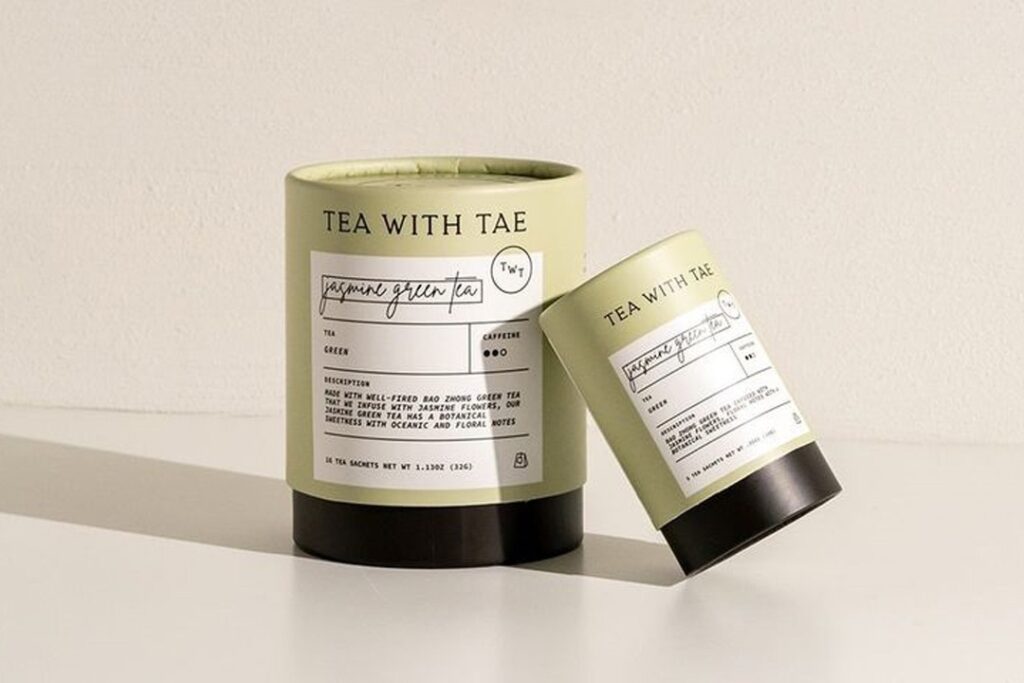
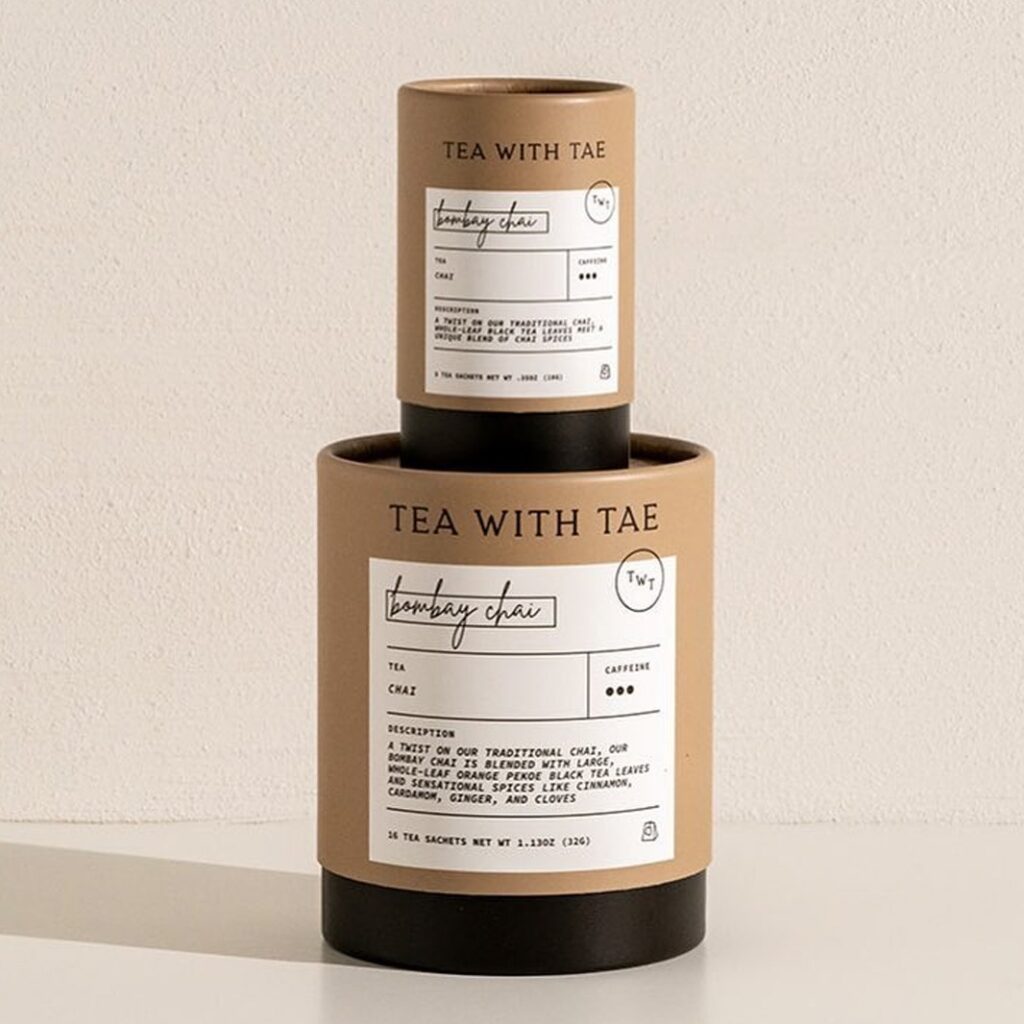
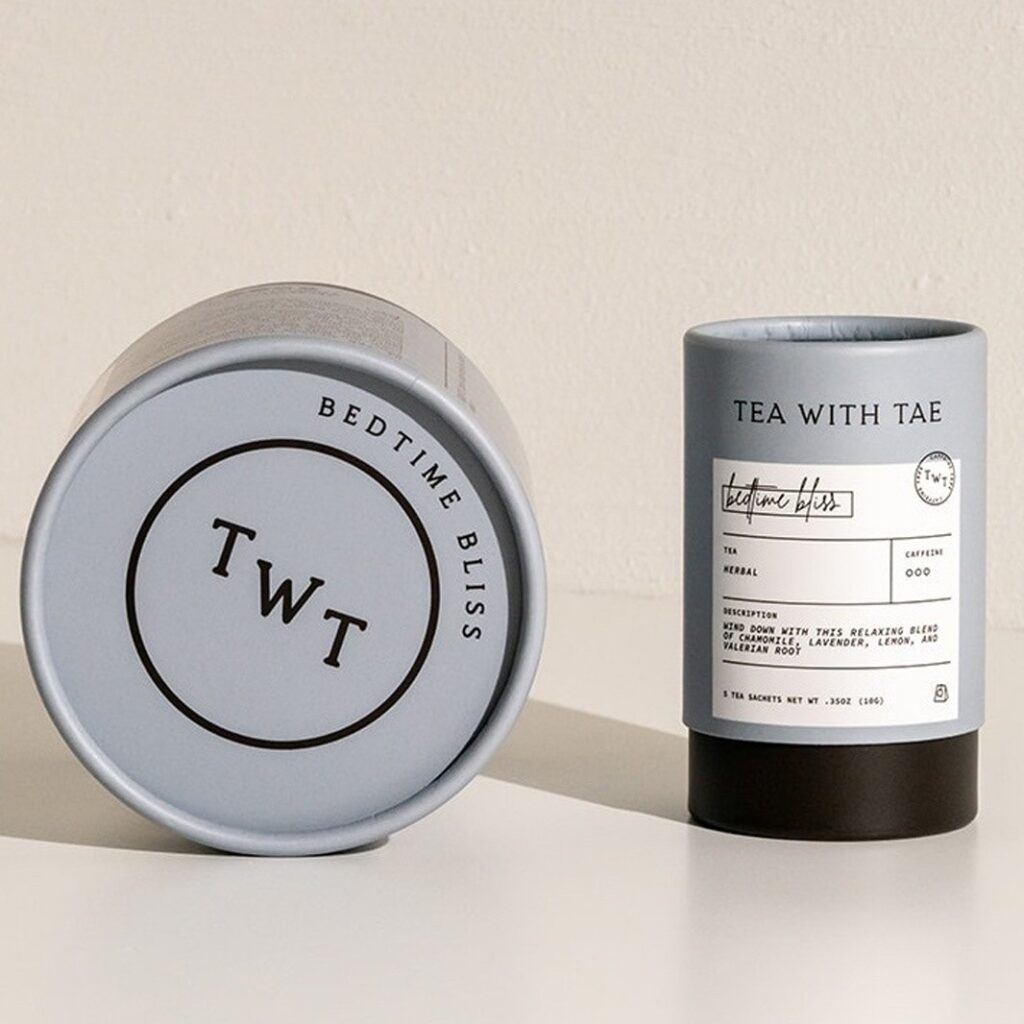
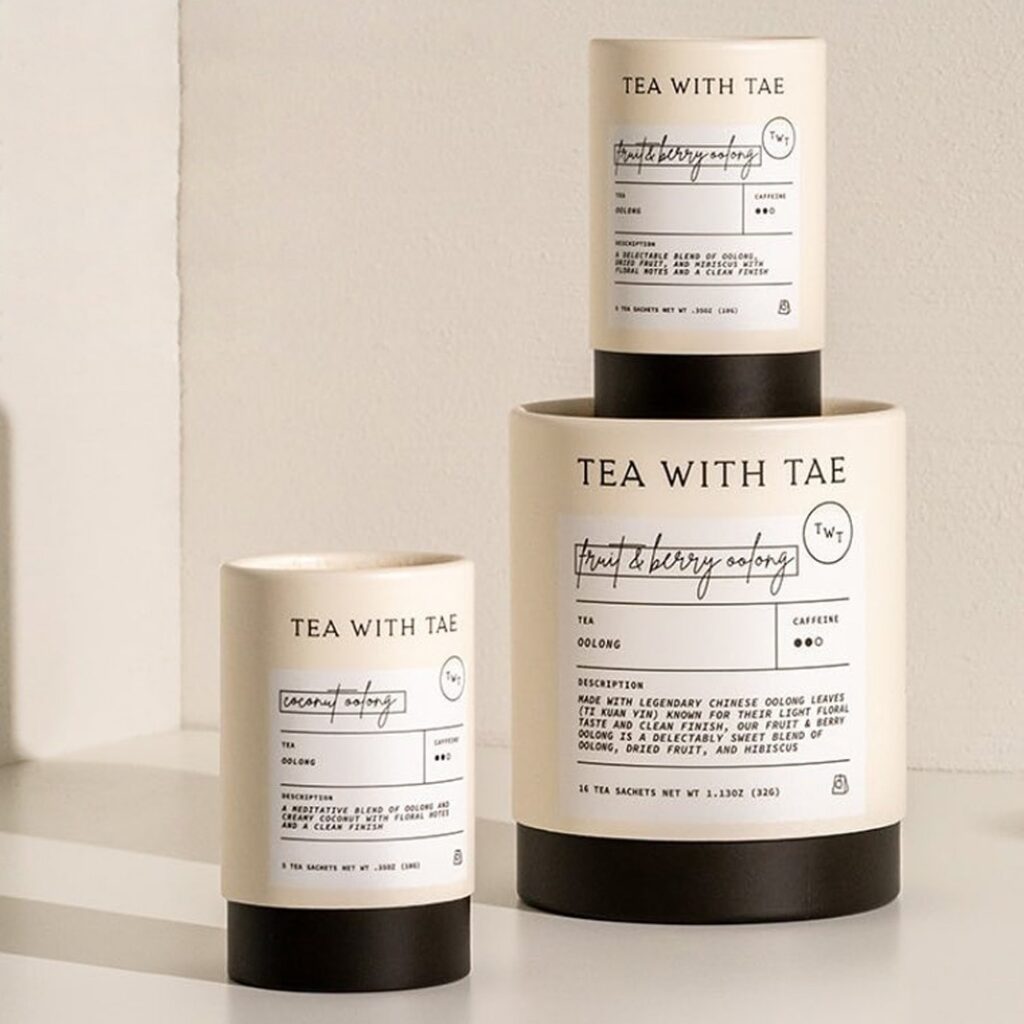
Ecco perché un scatola di tubi da tè personalizzati funziona così bene. Una confezione rotonda rigida protegge le foglie, migliora la presenza sugli scaffali e offre una tela pulita per il marchio e le informazioni sulla conformità. Se vi rifornite di prodotti sfusi, se fate OEM/ODM o se rifornite i rivenditori e l'e-commerce, questo rende le operazioni più semplici.
Suggerimenti per l'imballaggio di tubi di tè personalizzati
1) Risolvere i “quattro fattori di freschezza”: ossigeno, luce, umidità, odore.
La qualità del tè diminuisce quando l'aria si insinua, l'umidità aumenta, la luce del sole colpisce il prodotto o gli odori vicini lo contaminano. Non è possibile “copiare il marketing” per evitare il tè stantio.
Cosa funziona di solito in produzione:
Utilizzare un tubo esterno rigido per bloccare la luce e ridurre lo schiacciamento.
Specifica una chiusura più stretta del coperchio, in modo che la confezione rimanga chiusa durante il trasporto e dopo l'apertura.
Aggiungete uno strato interno quando avete bisogno di una barriera più forte.
2) Utilizzare una struttura tubolare rigida per ridurre i danni da trasporto
I sacchetti morbidi si sgualciscono. I cartoni pieghevoli si schiacciano. Un cilindro rigido mantiene la forma, aiutando a proteggere il tè a foglia intera e a mantenere l'aspetto “nuovo” della confezione al suo arrivo.
Scatole in abbonamento (unboxing ripetuto, memoria del marchio)
Vendite sul mercato (i resi e le recensioni negative danneggiano il ranking)
Discorso operativo: ridurre il tasso di danneggiamento non è solo “bello”. Riduce i rimborsi, diminuisce il volume delle rispedizioni e mantiene in salute le metriche del negozio.
3) Utilizzare il branding a 360 gradi per ottenere un impatto sugli scaffali
Una confezione rotonda offre una tela avvolgente. In questo modo è possibile ottenere una maggiore riconoscibilità sugli scaffali e far sembrare il prodotto più “progettato”, non solo etichettato.
Un layout pratico che vende:
Fronte: nome del tè + note di gusto + marchio di fabbrica
Lato: origine/storia + spunti di degustazione
Retro: guida alla produzione della birra + informazioni sulla conformità + codice a barre
Per un'ispirazione di stampa a tutto tondo, guardate Imballaggio in tubo di carta stampato su due lati. La categoria di prodotto è diversa, ma la logica di stampa si trasferisce perfettamente al tè.
4) Inserire le confezioni regalo nel piano SKU
Il tè è una categoria classica di regali. Una confezione in tubetto dà naturalmente l'impressione di essere “conservata”, come se fosse qualcosa da esporre su una mensola della cucina invece che da buttare.
Strategia intelligente per le SKU:
Mantenere un pacchetto “bevanda quotidiana” semplice per il volume.
Aggiungete un tubo pronto per il regalo per le festività, i pacchetti e gli ordini aziendali.
Utilizzate lo stesso tè all'interno. Lasciate che sia l'imballaggio a fare la parte migliore.
5) Trattare la “qualità alimentare” come una specifica, non come uno slogan.
Gli acquirenti seri non vogliono promesse vaghe. Vogliono specifiche, coerenza e disponibilità di documenti.
Cosa chiedono in genere gli acquirenti nel B2B:
Dichiarazione del materiale (cartoncino, liner, adesivo, inchiostro)
Idoneità al contatto con gli alimenti per prodotti secchi
Punti di controllo QC (vestibilità del coperchio, controllo degli odori, resistenza allo sfregamento della stampa)
Se vendete a rivenditori, distributori o team di grandi marchi, create subito un flusso di lavoro “scheda tecnica + elenco QC”. Questo accorcia i cicli di approvazione e riduce i passaggi di consegne.
6) Rendere verificabili le dichiarazioni di sostenibilità
La sostenibilità attira l'attenzione, ma solo se riuscite a spiegarla chiaramente. Mantenete le vostre affermazioni stringate, specifiche e facili da convalidare.
Le migliori pratiche del settore:
Scegliere, quando è possibile, strutture che si basano sulla carta.
Evitate materiali misti appariscenti, a meno che non siano necessari per le prestazioni.
Non vendete troppo. Gli acquirenti odiano il greenwashing.
Se si desidera un riferimento per i cilindri ecologici, vedere scatola di carta ecologica. Anche in questo caso, prodotto diverso, stesso posizionamento di sostenibilità.
7) Bloccare le dimensioni e la chiusura in anticipo per evitare la rilavorazione
La maggior parte dei ritardi nel campionamento si verifica perché i team iniziano prima con la grafica. Poi qualcuno si accorge che il misurino non va bene, il coperchio è allentato o l'area dell'etichetta è troppo piccola.
Un flusso di lavoro pulito:
Confermare il formato del tè e il volume di riempimento
Impostare il diametro interno e l'altezza (includere lo spazio di testa)
Scegliere il tipo di coperchio e la tolleranza di montaggio
Finalizzare gli inserti (solo se aggiungono valore reale)
Poi fare il lavoro artistico e le rifiniture
In questo modo si mantiene stabile la linea di demarcazione e si evitano i cicli di “rifacimento del progetto”.
8) Controllare la temperatura di stoccaggio con l'imballaggio + le operazioni
L'imballaggio supporta la qualità. Non sostituisce un buon stoccaggio. Se la vostra catena di approvvigionamento passa attraverso magazzini caldi o porti umidi, le vostre specifiche di imballaggio devono corrispondere alla realtà.
Cosa aiuta nella logistica reale:
Barriere più resistenti per una maggiore durata di conservazione
Chiusure più strette per un comportamento di apertura/chiusura frequente
La dicitura “conservare al fresco e all'asciutto” deve essere ben visibile ai clienti.
Non state solo proteggendo il tè. State proteggendo gli ordini ripetuti.
9) Stampare le informazioni in modo chiaro per ridurre i ticket di assistenza
Informazioni chiare riducono le domande dei clienti, i problemi dei rivenditori e le controversie sul mercato. Inoltre, riduce le restituzioni per “confusione nell'inserzione”.
Riportateli sulla confezione in una gerarchia leggibile:
Tipo di tè + note di sapore
Guida alla preparazione della birra (semplice e scannerizzabile)
Peso netto + ingredienti
Posizionamento del lotto/partita + codice a barre che non avvolge le cuciture
Nota del settore: una cattiva collocazione del codice a barre provoca grattacapi ai rivenditori e può innescare chargeback. Non lasciate che un bel design interrompa le operazioni.
10) Pianificare MOQ, tempi di consegna e campionature come un professionista
Se fate vendite all'ingrosso, marchi privati o OEM/ODM, il campionamento è la vostra polizza di assicurazione.
Un flusso di campionamento pratico:
Campione di struttura (vestibilità, chiusura, sensazione di mano)
Prova colore (precisione di stampa, finitura, resistenza alle abrasioni)
Campione di pre-produzione (firma finale prima della produzione in serie)
Scrivete i criteri di accettazione per ogni fase. Eviterete errori costosi senza parlare di “matematica dei costi”.”
11) Utilizzare la domanda del mercato del tè per giustificare gli aggiornamenti del packaging
Gli aggiornamenti del packaging sono più efficaci quando sono legati ai risultati aziendali:
Un valore percepito più alto supporta un posizionamento di prezzo più elevato
Una migliore protezione riduce i resi e le recensioni negative
I pacchetti pronti per i regali aumentano l'AOV attraverso i bundle e le promozioni stagionali
La forte presenza a scaffale migliora il sell-through nel retail
In parole povere: un imballaggio migliore rende più facile la vendita di tè di alta qualità su scala.
Tabella di controllo delle specifiche di confezionamento dei tubi da tè
Utilizzate questa tabella come lista di controllo per gli acquirenti o come rapido strumento di allineamento interno.
Rischio di imballaggio
Cosa specificare in una scatola per tè personalizzata
Perché è importante per gli acquirenti
L'aroma svanisce rapidamente
Migliore strato barriera + chiusura del coperchio
Mantiene l'aroma di “prima apertura” più a lungo
Il tè assorbe l'umidità
Struttura di controllo dell'umidità + tenuta pulita
Riduce la formazione di grumi e la perdita di sapore
Esposizione alla luce
Involucro opaco + tubo di carta rigida
Protegge i tè e le erbe sensibili
Danno da trasporto
Struttura cilindrica rigida
Meno confezioni schiacciate e rimborsi
Il marchio sembra generico
Stampa full-wrap + finiture di pregio
Maggiore impatto e conversione sugli scaffali
Problemi di retail ops
Codice a barre su un'area piana, non sopra le cuciture
Meno ritardi nella ricezione e meno controversie
Casi d'uso reali per il confezionamento di tubetti di tè personalizzati
Ecco i modelli di business del tè più comuni, oltre a quelli che funzionano di solito.
Tipo di attività
Configurazione del confezionamento di tubi che si adatta
Suggerimento per le operazioni che evitano il mal di testa
Mantenere l'imballaggio veloce; evitare inserti complessi se non necessari.
Venditore transfrontaliero
Struttura robusta + finitura resistente ai graffi
Scegliere finiture che resistano a lunghi trasporti e movimentazioni
Distributore / grossista
Dimensioni del tubo standard per tutte le SKU
La standardizzazione riduce la dispersione di SKU e il caos del magazzino
Regali aziendali
Aspetto orientato al regalo + design adatto ai pacchi
Pianificate il kitting in anticipo, in modo che il vostro 3PL non improvvisi.
Marchio privato / OEM
Scheda tecnica + punti di controllo del campionamento
Bloccare la linea di demarcazione prima dell'inizio di lavori artistici pesanti
Volete una struttura tubolare rigida che si adatti al posizionamento “ad alta protezione”? Controllare tubi di imballaggio in cartone personalizzato riciclabile. Il mercato è diverso, ma la logica di protezione è esattamente quella di cui hanno bisogno i venditori di tè.
Se la vostra linea di tè include un posizionamento “premium + safety” (o vendete in categorie che richiedono un accesso controllato), potete prendere in prestito il pensiero della chiusura da scatola di imballaggio in tubo di carta riciclabile resistente ai bambini. L'idea chiave è la chiusura delle prestazioni e la disciplina delle specifiche, non la categoria del prodotto.
Vantaggi dell'imballaggio del tubo del tè su ordinazione per l'ingrosso all'ingrosso e l'OEM/ODM di massa
Se rifornite i rivenditori, gestite un marchio o realizzate progetti OEM/ODM, le confezioni di tè in tubetto creano tre tipi di leva:
Leva del marchio: una struttura premium fa sentire il vostro tè legittimo, ancor prima che i clienti lo assaggino.
Leva operativa: Le confezioni rigide riducono i danni e mantengono i prodotti pronti per lo scaffale.
Leva di vendita: La presentazione regalabile supporta i bundle, le promozioni stagionali e le SKU di maggior valore.
E quando si acquista all'ingrosso, si desidera un fornitore in grado di gestire tirature stabili, un controllo qualità costante e volumi all'ingrosso. È questa la differenza tra “un bel campione” e un programma di confezionamento scalabile.