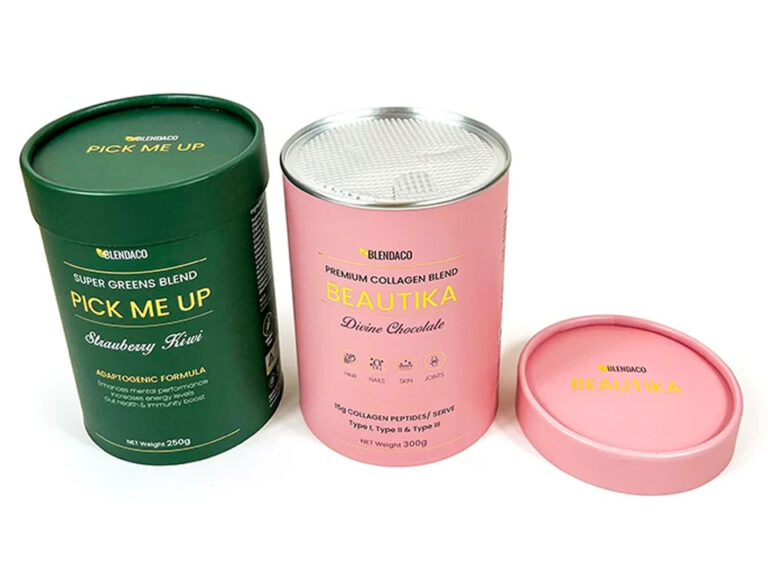
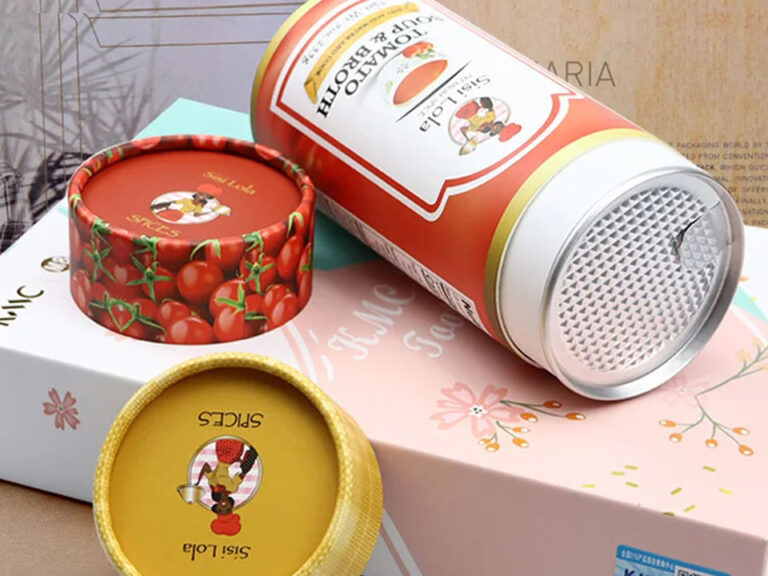
Non vedete ancora la soluzione di imballaggio giusta? Parlate con il nostro capo.
Se avete consultato il nostro sito web o parlato con le vendite e non vedete ancora un percorso chiaro, inviate la vostra richiesta qui. Il vostro messaggio sarà inviato direttamente al nostro Direttore Generale per una revisione esecutiva della fattibilità, dei costi e dei tempi di realizzazione. Riceverete un chiaro passo successivo: cosa possiamo fare, cosa ci serve da voi e il percorso più veloce per ottenere un preventivo.
Revisione diretta da parte del GM delle vostre specifiche, del caso d'uso e dei vincoli
Controllo delle dimensioni e della struttura: diametro, altezza, resistenza delle pareti, inserti.
Raccomandazioni per la stampa e la finitura in base al marchio e al budget
Alternative di riduzione dei costi e opzioni di miglioramento dei tempi di consegna
Chiarezza sul percorso del preventivo: MOQ, piano di campionamento e cosa fare dopo
Parlare con il nostro capo
Richiedete offerta rapida per Imballaggi in tubo di carta personalizzati
Pensato per i responsabili degli imballaggi, degli approvvigionamenti e degli ingegneri dell'imballaggio. Specificate le dimensioni, la quantità e la finitura per ricevere indicazioni sul prezzo di vendita, sui tempi di consegna e sulle specifiche per i programmi USA/UE.
Personalizzazione pronta per il preventivo: diametro, altezza, spessore della parete, inserti, rivestimenti e chiusure
Differenze tra imballaggi riciclabili, biodegradabili e compostabili
Indice dei contenuti
Si parla di “riciclabile”, “biodegradabile” e “compostabile” come se fossero la stessa cosa. Non è così. E se vendete all'ingrosso, gestite OEM/ODM o spedite all'estero, mescolare questi termini può dare adito a veri e propri grattacapi: reazioni alle richieste di risarcimento, problemi di conformità da parte dei rivenditori e domande complicate da parte dei clienti sulla fine del ciclo di vita.
Questa guida è pratica. Sono presenti definizioni chiare, scenari di confezionamento reali e una tabella di decisione rapida da utilizzare per la scelta della struttura per il prossimo lavoro.
Imballaggio riciclabile significa che l'articolo può passare attraverso un sistema di riciclaggio: raccolta → selezione → ritrattamento → nuovo materiale. La parola “sistema” è importante. Se l'MRF (impianto di recupero dei materiali) locale non è in grado di selezionarlo o il riciclatore non può utilizzarlo, “riciclabile” diventa un'etichetta di marketing anziché un risultato di fine vita.
La riciclabilità dipende dalla raccolta e dalla differenziazione locale.
Ecco la realtà che la maggior parte dei marchi impara a fatica: una confezione può essere tecnicamente riciclabile ma praticamente non riciclabile in un determinato mercato.
Pensare come un addetto alle operazioni:
I programmi di raccolta differenziata lo accetteranno?
Lo smistamento ottico lo riconoscerà?
Ha un mercato finale stabile?
Se la risposta è “forse”, la mossa migliore è semplificare la costruzione. Mantenete la struttura pulita e prevedibile in modo che sopravviva alla linea di smistamento.
Lista di controllo del design per il riciclaggio
Utilizzate questa lista di controllo quando esaminate le linee guida e i materiali con il vostro fornitore:
Evitare le pile di materiali misti che non si separano bene (carta + plastificazioni pesanti, fogli casuali, extra incollati).
Limitare le parti a “rischio di contaminazione (finestre, pellicole metalliche, rivestimenti soft-touch) a meno che non si possa giustificare l'impatto sullo scaffale.
Utilizzare istruzioni chiare per lo smaltimento in modo che i clienti non tirino a indovinare.
Pianificazione in scala: Ciò che sembra perfetto al momento della campionatura può rompersi nella produzione di massa se le tolleranze si allontanano.
Per i formati in tubo di carta, la dicitura “riciclabile” di solito si abbina bene allo storytelling del marchio, perché le confezioni in carta sono familiari ai consumatori e si adattano ai programmi di sostenibilità di molti rivenditori, se la struttura è semplice.
Imballaggio biodegradabile
Imballaggio biodegradabile significa che i microbi possono scomporre il materiale nel tempo. Sembra una bella cosa, ma questa parola ha un grosso problema: spesso non dice che quanto velocemente si rompe o in quali condizioni.
Le richieste di risarcimento biodegradabili necessitano di condizioni e tempistiche
Un'affermazione di biodegradabilità senza condizioni è come dire “questo cibo è commestibile” senza dirlo a nessuno. quando scade. La temperatura, l'umidità, l'ossigeno e i microbi modificano il risultato.
Quindi, quando un acquirente chiede: “Possiamo passare al biodegradabile?”, la domanda migliore è:
Biodegradabile per quanto tempo? Settimane? Mesi? Anni?
Se non siete in grado di rispondere con sicurezza a queste domande, non inserite l'indicazione nella scatola. Potete comunque costruire un pacchetto più responsabile senza affidarvi a un'etichetta vaga.
La biodegradazione delle discariche può creare metano
Ecco un'altra scomoda verità: se gli imballaggi “biodegradabili” finiscono in una discarica, le condizioni di scarsa ossigenazione possono portare alla generazione di metano. Quindi “si decompone” non significa automaticamente “meglio per il pianeta”. È il metodo di smaltimento a determinare il risultato.
Se i vostri acquirenti vendono sui marketplace, questo diventa anche un problema di servizio al cliente. Non volete che le recensioni dei prodotti si lamentino del fatto che l'imballaggio “biodegradabile” non è scomparso nel cestino di casa.
Imballaggio compostabile
Gli imballaggi compostabili si rivolgono a un percorso specifico di fine vita: il compostaggio. Compostaggio non significa semplicemente “marcisce”. Compostaggio significa che il materiale si decompone in compost. senza danneggiare la qualità del compost.
Compostaggio industriale vs. compostaggio domestico
La maggior parte degli imballaggi compostabili è progettata per compostaggio industriale, non un mucchio nel cortile di casa. Gli impianti industriali sono più caldi, controllano il flusso d'aria e gestiscono l'umidità. Il compostaggio domestico varia molto.
Quindi è necessario essere precisi:
Industriale compostabile: destinato alle condizioni di compostaggio commerciale.
Casa compostabileprogettato per rompersi in ambienti con temperature più basse.
Se non sapete quale struttura supporta, non tirate a indovinare. Un'affermazione sbagliata crea restituzioni, reclami e rischi di conformità.
Le plastiche compostabili possono contaminare i flussi di riciclaggio
Un errore comune: le persone gettano la plastica compostabile nel riciclaggio perché “sembra plastica”. Questo può contaminare le balle del riciclaggio e far aumentare le percentuali di scarto. Dal punto di vista del marchio, si tratta di una perdita: si è pagato per un materiale “migliore” e si continua a inquinare il flusso dei rifiuti.
Se si scelgono componenti compostabili, è necessario fornire indicazioni precise sullo smaltimento all'interno della confezione, in modo che i clienti non ricorrano al bidone blu.
Norme ed etichette: ASTM D6400 e EN 13432
Quando si vedono imballaggi compostabili ben fatti, di solito si fa riferimento a standard riconosciuti. Due riferimenti comuni:
ASTM D6400 (spesso utilizzato in Nord America per i requisiti di compostabilità industriale)
EN 13432 (ampiamente citato in Europa per i criteri degli imballaggi compostabili)
Non è necessario trasformare il packaging in un manuale di standard. È sufficiente una regola interna chiara: se un'affermazione influisce sulla conformità, sulla fiducia dell'acquirente o sull'accettazione del rivenditore, ancoratela a uno standard reale o a un percorso di prova verificato.
Questo approccio vi protegge anche durante la crescita delle vendite all'ingrosso. Quando il vostro volume aumenta, il packaging viene toccato da un maggior numero di soggetti: distributori, marketplace, acquirenti al dettaglio e, talvolta, autorità di regolamentazione. Il linguaggio degli standard riduce gli attriti.
Tabella di confronto rapido: riciclabile vs biodegradabile vs compostabile
Termine
Cosa significa in parole povere
Dove dovrebbe andare
Il rischio maggiore
Ideale per
Riciclabile
Il sistema è in grado di raccogliere, smistare e rielaborare i dati.
Flusso di riciclo (dove accettato)
I materiali misti abbassano le percentuali di riciclaggio nel mondo reale
Confezioni per la vendita al dettaglio ad alto volume, scatole di abbonamento, SKU per acquisti ripetuti
Biodegradabile
I microbi possono scomporlo nel tempo
Dipende dalle condizioni; spesso non è chiaro
Affermazioni vaghe + i risultati delle discariche non corrispondono alle aspettative degli acquirenti
Uso limitato quando le condizioni sono definite e controllate
Compostabile
Si decompone in compost in condizioni di compostaggio definite
Flusso di compost (industriale o domestico, se applicabile)
I clienti li mettono nella raccolta differenziata, causando una contaminazione
Articoli di uso alimentare, eventi/catering, mercati con accesso al compost
Scenari di imballaggio per le scatole in tubo di carta
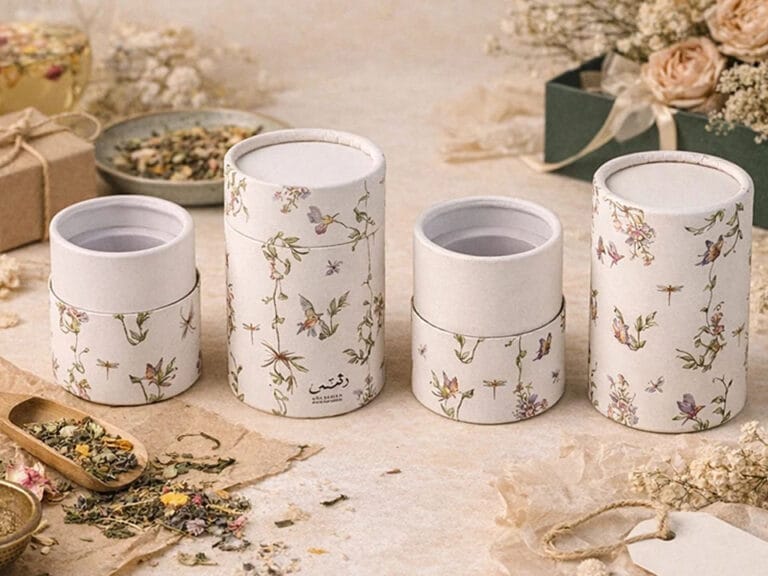
L'imballaggio in tubo di carta vi offre una bella via di mezzo: una forte presenza sugli scaffali, una solida protezione e molto spazio per la stampa e le finiture. La struttura può essere adattata al vostro canale -TC, vendita al dettaglio, vendita all'ingrosso o regolamentata.
Di seguito sono riportati alcuni scenari pratici che prevedono l'utilizzo di formati di tubi dall'elenco degli URL del sito.
Imballaggi per cosmetici
Gli acquirenti di cosmetici si preoccupano dell'unboxing, della conservazione e della “sensazione di qualità” in tempi rapidi. Inoltre, detestano le richieste di risarcimento danni.
La costruzione di un tubo di carta pulito può supportare il posizionamento riciclabile se si evitano complicate laminazioni e si mantengono i componenti facilmente separabili. Se vendete linee di cosmetici, guardate confezioni in tubo per cosmetici
Cosa ottimizzare:
resistenza ai graffi per la spedizione
tenuta stagna, in modo che il prodotto non si muova
corrispondenza dei colori tra i lotti
Confezionamento di proteine in polvere
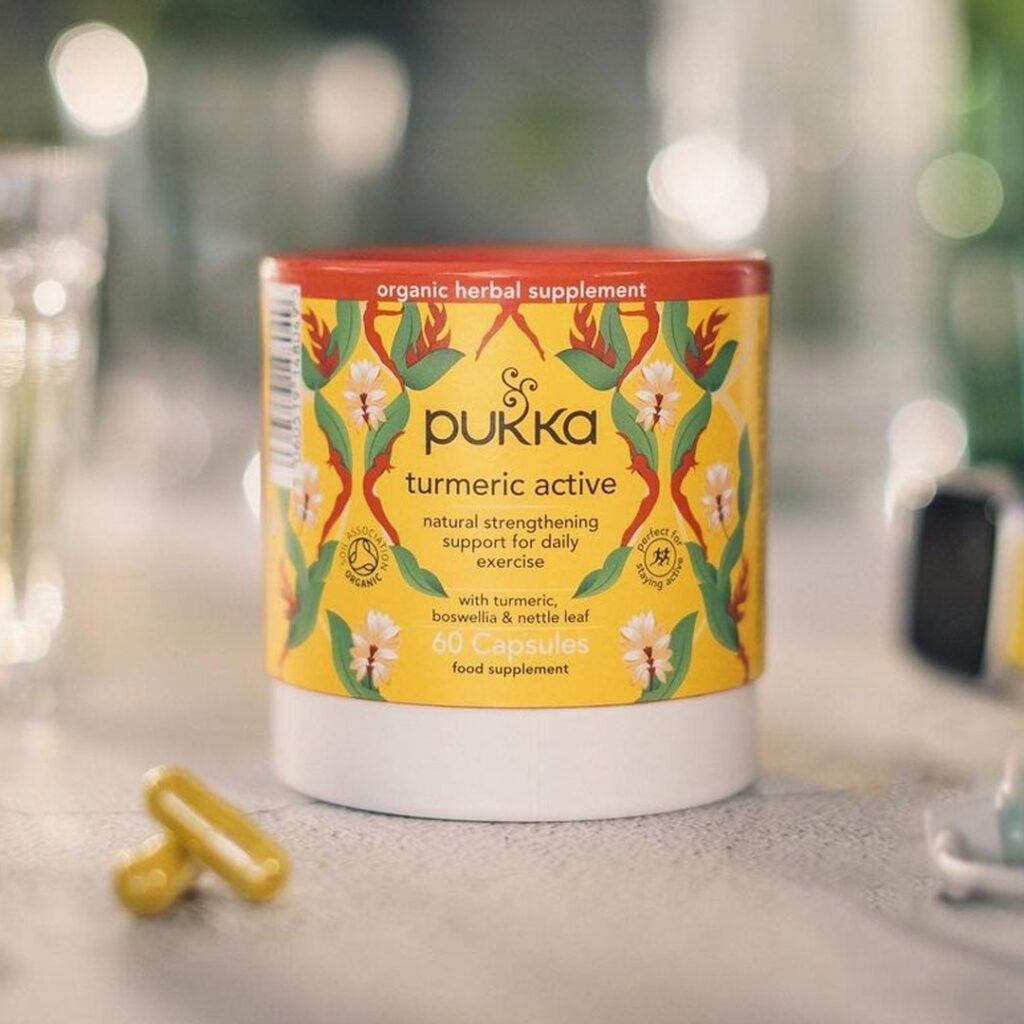
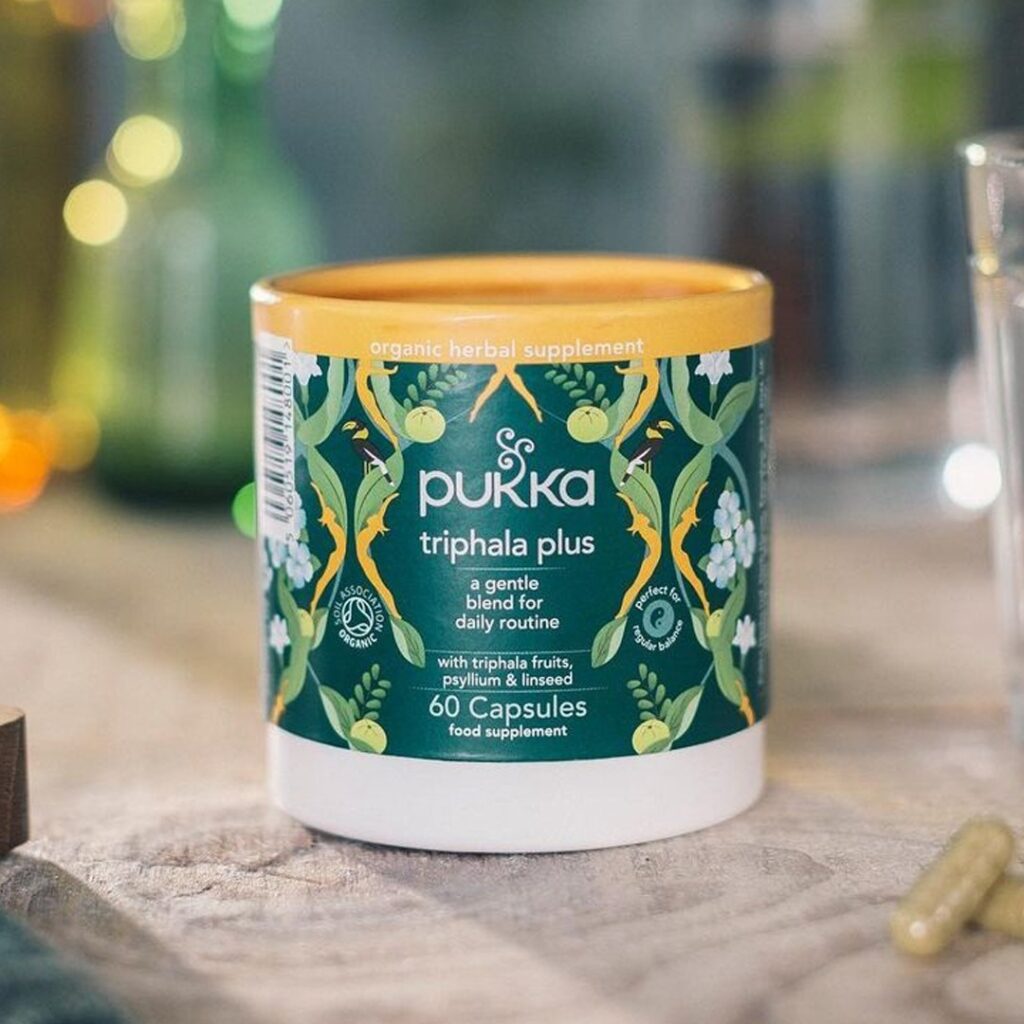
Le proteine e gli integratori hanno bisogno di un pensiero barriera, non solo di un aspetto. Il controllo dell'umidità e la stabilità di conservazione sono importanti. Le strutture a tubo possono funzionare bene se si sceglie la struttura interna e la chiusura giusta.
chiusure deboli che si aprono in caso di adempimento
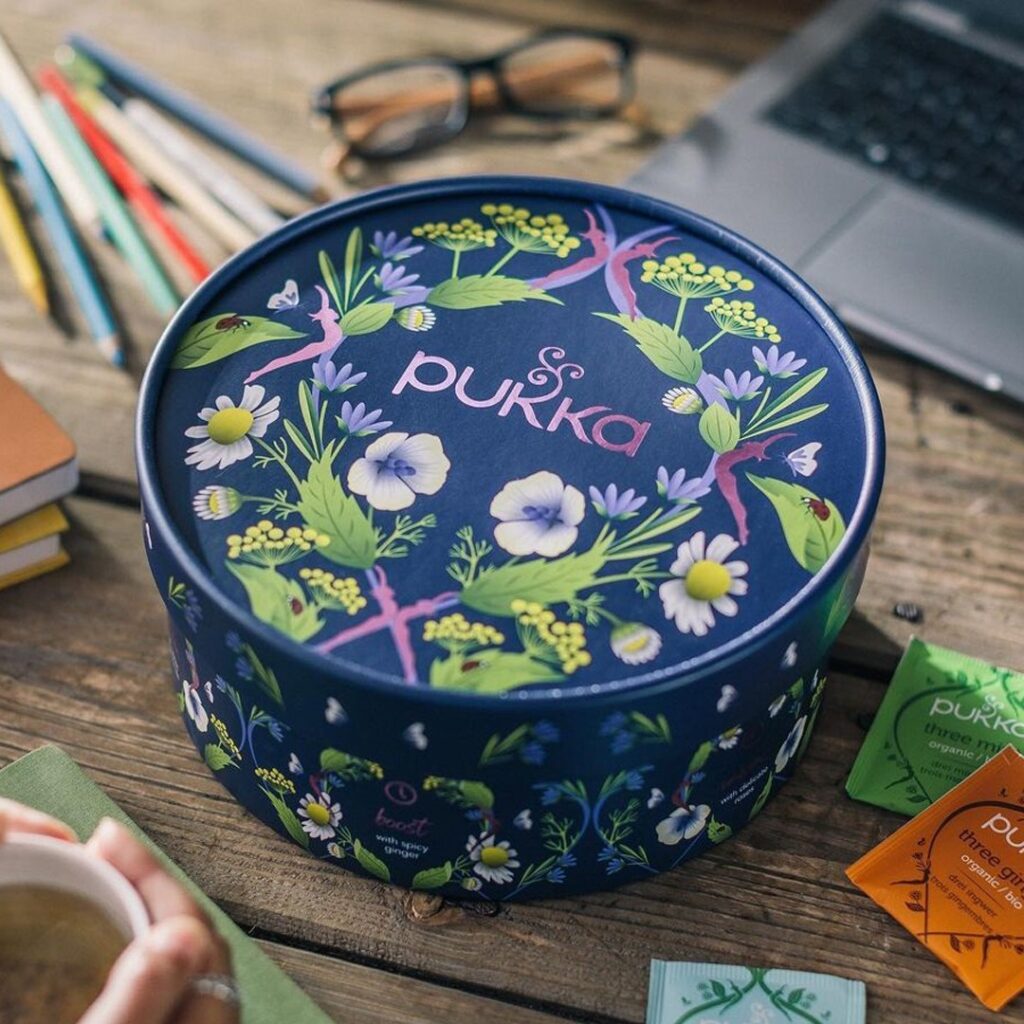
Confezioni di tè
Il tè vive e muore grazie alla protezione dell'aroma e al valore della confezione. Un tubo con un formato di coperchio più robusto può aiutare in entrambi i casi.
Quando si vende il tè attraverso i distributori, una confezione ben impilata e coerente sullo scaffale riduce l'attrito con l'acquirente.
Imballaggio a prova di bambino per la cannabis
Le categorie regolamentate puniscono le confezioni poco curate. È necessario disporre di chiusure coerenti, di una protezione forte e di una storia di conformità pulita.
Consiglio pratico: non trattate la “resistenza ai bambini” come un dettaglio di progettazione. Trattatelo come una specifica di prestazione che necessita di un controllo di qualità stabile per tutta la durata della produzione.
Confezione della cartuccia di CBD
Le cartucce vengono spesso spedite attraverso più mani (3PL, grossisti, rivenditori). È necessario disporre di protezione, indizi di manomissione e un marchio pulito.
Nel linguaggio degli acquirenti: ridurre i danni, ridurre le restituzioni, ridurre le recensioni di “arrivato rotto”.
Confezionamento di accessori per capelli
Gli elastici per capelli e i piccoli accessori amano gli espositori. Finestre e maniglie migliorano la gestione della vendita al dettaglio, ma possono anche complicare il riciclaggio. Potete comunque usarli, basta che siate onesti sui compromessi e che la confezione sia facile da separare.
Il packaging dei gioielli vende emozioni. Un tubo può sembrare di qualità superiore anche senza materiali pesanti, soprattutto se si utilizzano finiture pulite e inserti intelligenti.
Lista di controllo dei rischi di reclamo per ordini di grandi quantità e OEM/ODM
Prima di stampare qualsiasi richiesta di sostenibilità, eseguite questa rapida lista di controllo. Vi eviterà ristampe e drammi di canale.
Rivendicazione che si desidera
Cosa si deve confermare
Cosa stampare sulla confezione
“Riciclabile”
Accettazione locale + struttura facile da smistare
Linea di smaltimento semplice (riciclo dove accettato)
“Biodegradabile”
Condizioni + tempi + prove
Stampare solo se si può definire “dove” e “per quanto tempo”.”
“Compostabile”
Industriale vs. domestico + allineamento standard
“compostabile a livello industriale” o “compostabile a livello domestico”, non solo “compostabile”.”
Perché questo è importante per la vostra pipeline di vendita
Le dichiarazioni di sostenibilità non riguardano solo il marketing. Incidono sulla conversione, sulla fiducia degli acquirenti e sulla ripetizione degli ordini. Quando si parla in modo chiaro, si riduce il tira e molla con gli acquisti e si accorcia il ciclo di approvazione.
E quando potete consegnare in scala - un moderno laboratorio di purificazione degli imballaggi alimentari, un magazzino di 12.300 m² e una produzione giornaliera in grado di supportare gli ordini di grandi quantità - potete mantenere stabile l'offerta mentre i vostri clienti aumentano i volumi. Questa stabilità è importante per i proprietari di marchi, i distributori e i venditori transfrontalieri che non possono permettersi ritardi nell'imballaggio.
Se si vuole creare un tubo che corrisponda alla propria strategia di canale e di rivendicazione, si può iniziare con il catalogo prodotti e scegliere il caso d'uso più vicino. Quindi bloccate prima la struttura. Dopodiché, decidete cosa potete stampare onestamente sulla scatola.