Non vedete ancora la soluzione di imballaggio giusta? Parlate con il nostro capo.
Se avete consultato il nostro sito web o parlato con le vendite e non vedete ancora un percorso chiaro, inviate la vostra richiesta qui. Il vostro messaggio sarà inviato direttamente al nostro Direttore Generale per una revisione esecutiva della fattibilità, dei costi e dei tempi di realizzazione. Riceverete un chiaro passo successivo: cosa possiamo fare, cosa ci serve da voi e il percorso più veloce per ottenere un preventivo.
Revisione diretta da parte del GM delle vostre specifiche, del caso d'uso e dei vincoli
Controllo delle dimensioni e della struttura: diametro, altezza, resistenza delle pareti, inserti.
Raccomandazioni per la stampa e la finitura in base al marchio e al budget
Alternative di riduzione dei costi e opzioni di miglioramento dei tempi di consegna
Chiarezza sul percorso del preventivo: MOQ, piano di campionamento e cosa fare dopo
Parlare con il nostro capo
Richiedete offerta rapida per Imballaggi in tubo di carta personalizzati
Pensato per i responsabili degli imballaggi, degli approvvigionamenti e degli ingegneri dell'imballaggio. Specificate le dimensioni, la quantità e la finitura per ricevere indicazioni sul prezzo di vendita, sui tempi di consegna e sulle specifiche per i programmi USA/UE.
Personalizzazione pronta per il preventivo: diametro, altezza, spessore della parete, inserti, rivestimenti e chiusure
Come ridurre efficacemente gli sprechi all'interno dell'imballo con le scatole in tubo di carta
Indice dei contenuti
Se vi è mai capitato di aprire una spedizione e pensare: “Perché c'è così tanto riempimento qui?”, non siete i soli. Lo spreco all'interno della confezione di solito non deriva da una scelta "sbagliata". Si accumulano attraverso piccole abitudini: una scatola un po' troppo grande, un prodotto che sferraglia, un imballatore che va sul sicuro e inserti extra che nessuno legge.
Le scatole in tubo di carta aiutano a risolvere il problema alla radice. Non c'è bisogno di “riempire troppo” uno spedizioniere quando la confezione principale è già in grado di reggere la linea. Inoltre, si ottiene un unboxing più pulito e un aspetto più solido sugli scaffali, il che è importante quando si vende su mercati affollati o al dettaglio.
Se volete fare prima una rapida scansione degli stili dei tubi, utilizzate il nostro sito web homepage hub di prodotto.
Rifiuti all'interno dell'imballaggio (cos'è e da dove proviene)
Per scarti all'interno dell'imballaggio si intendono tutti i materiali in più all'interno del cartone di spedizione che non aggiungono un valore reale. La maggior parte dei marchi li crea per buone ragioni: meno danni, meno resi, un pack-out più veloce. Il problema è che spesso i team risolvono questi obiettivi con “più roba”, non con “una struttura migliore”.”
Di solito si vedono questi schemi:
Troppo spazio vuoto all'interno del cartone di spedizione
Prodotti che si muovono, si inclinano o rimbalzano durante il trasporto
Troppi materiali misti all'interno del pack-out
Non esiste uno standard di imballaggio, quindi ogni imballatore lo fa in modo diverso.
Il magazzino utilizza la scatola più vicina e spera nel meglio.
Le scatole in tubo di carta affrontano questi problemi senza trasformare la vostra linea di produzione in un progetto scientifico.
Tabella degli argomenti (cosa cambiare, perché funziona e la fonte che lo sostiene)
Utilizzate questa tabella come lista di controllo interna. In questo modo le vostre decisioni saranno rigorose e le vostre affermazioni credibili.
Titolo dell'argomento
Cosa cambia con le scatole in tubo di carta
Perché riduce i rifiuti all'interno dell'imballaggio
Fonte della logica
Rimuovere gli inserti non necessari
Sostituite i manuali cartacei, le schede extra e le parti “just-in-case” con componenti cartacei QR e minimi.
Un minor numero di articoli all'interno dello zaino significa meno rifiuti e meno operazioni di imballaggio.
Pratica dell'imballaggio snello + pensiero di ottimizzazione dell'imballaggio
Un imballaggio di dimensioni adeguate riduce il riempimento dei vuoti
Il diametro e l'altezza del tubo corrispondono al prodotto, quindi il caricatore viene dimensionato correttamente.
Meno spazio vuoto significa meno riempimento, meno movimento, confezionamento più pulito
Standard di ottimizzazione dell'imballaggio (stile ISO) + pratica del right-sizing
Ridurre i materiali misti
Privilegiare la carta + i componenti cartacei ed evitare, quando possibile, gli extra difficili da smistare.
I clienti la smaltiscono in modo più rapido e corretto
Linee guida sulla progettazione per la riciclabilità degli imballaggi in carta
Passare da “più riempimento” a una migliore immobilizzazione
Utilizzare anelli di carta, collari o supporti in pasta per bloccare la posizione.
Se si ferma il rantolo, si ferma anche il riempimento.
Nozioni di base di ingegneria dell'imballaggio protettivo
Utilizzate inserti modulari per consolidare gli SKU
Un unico formato di tubo, più inserti, meno varianti di confezionamento
Meno “roulette delle scatole”, meno errori di imballaggio, meno sovraimballaggi
Migliori pratiche operative di magazzino
Ridurre i danni e i ritorni con la struttura
Aumentate la rigidità del tubo e la sicurezza della chiusura invece di aggiungere riempimento in massa
Meno danni significa meno reimballaggi, meno spedizioni di ritorno, meno spreco di materiale.
Metodi di protezione in transito (riflessione su cadute/vibrazioni)
SOP di confezionamento per la coerenza del pack-out
Definire le regole di confezionamento per SKU e formare il team.
Riducete l'imballaggio “stile personale” e riducete l'uso eccessivo di prodotti.
Metodi di lavoro standard / SOP
Automazione per il controllo del riempimento dei vuoti
Misurare lo spazio vuoto e distribuire solo il necessario
Elimina le congetture e i riempimenti eccessivi
Approccio del sistema di riempimento automatico dei vuoti utilizzato nell'adempimento di grandi volumi
Eliminare gli inserti non necessari per ridurre gli sprechi all'interno della confezione
È la soluzione più veloce perché non richiede modifiche agli utensili. Guardate cosa mettete oggi nella confezione:
Inserti stampati che ripetono ciò che è già presente nella pagina del prodotto
Strati extra di tessuto che non proteggono nulla
Vassoi di plastica che esistono solo perché “è sempre stato così”.”
Se l'inserto non protegge l'articolo, non soddisfa la conformità o non migliora la conversione, è candidato alla rimozione.
Un approccio pratico: costruite una “lista da tenere” con due sole etichette: must-have e nice-to-have. Poi tagliate i pezzi belli da avere uno per uno. Sentirete subito la differenza sul tavolo da imballaggio.
L'imballaggio di dimensioni corrette riduce il riempimento dei vuoti e previene l'overboxing
Il vuoto è di solito un sintomo. La vera malattia è lo spazio vuoto.
I tubi di carta offrono una solida base di dimensionamento perché la forma rimane stabile. Una volta scelti il diametro e l'altezza corretti, si smette di fare affidamento sul riempimento per “farli combaciare”. I cartoni possono anche restringersi, il che riduce i movimenti e rende più pulito l'accatastamento.
Questo aspetto è molto importante per i marchi DTC e i venditori transfrontalieri. I corrieri non trattano i vostri pacchi con delicatezza solo perché lo avete chiesto gentilmente. Un imballo stretto vi permette di avere meno ammaccature e meno messaggi di “arrivato danneggiato”.
Per un caso d'uso comune di DTC, controllare un formato di tubo come imballaggio in tubo di carta per cosmetici. È un buon riferimento per le confezioni primarie compatte e di qualità.
Ridurre i materiali misti per semplificare la selezione e lo smaltimento.
I clienti non vogliono un puzzle di riciclaggio. I materiali misti aggiungono attrito:
Finestre di plastica che hanno un bell'aspetto ma che complicano lo smistamento
Schiuma che protegge bene ma che viene gettata via subito
Pellicole lucide che i clienti ritengono non riciclabili
Le scatole in tubo di carta vi aiutano a passare a una storia di materiali più pulita. Quando si progettano il tubo, il coperchio e gli inserti come un insieme di prodotti cartacei, si riduce il momento del “che cosa ci faccio con questo?.
Non è necessario essere perfetti fin dal primo giorno. Iniziate a sostituire prima i principali responsabili, di solito la schiuma e i vassoi di plastica.
Passare da “più riempimento” a “migliore immobilizzazione”.”
Il riempimento esiste perché i prodotti si muovono. Se si ferma il movimento, si ferma il riempimento.
Le scatole in tubo di carta riducono già il rischio di flessione e schiacciamento. Poi si aggiunge l'immobilizzazione leggera:
Un anello di carta che centra il prodotto
Un collare di carta che blocca la corsa verticale
Un inserto in cartoncino che descrive il prodotto in un unico orientamento.
A questo punto è possibile utilizzare un'abbreviazione del settore con il team: non state aggiungendo “cose”. State migliorando vestibilità e ritenzione.
Se vendete articoli regolamentati, l'immobilizzazione favorisce anche l'integrità della confezione. Un formato a prova di bambino ne è un chiaro esempio, come questo Imballaggio in tubo di carta resistente ai bambini. Una chiusura controllata riduce sia il movimento che l'ansia da manomissione.
Utilizzate gli inserti modulari per consolidare gli SKU e ridurre la varietà degli imballaggi
La dispersione di SKU porta silenziosamente allo spreco. Quando il magazzino ha dieci opzioni di scatole, i confezionatori prendono quella più vicina. È così che si finisce con l'inscatolare troppo e con l'annegare il prodotto nel riempimento.
Gli inserti modulari consentono di capovolgere il modello:
Standardizzare una dimensione del tubo in tutta la famiglia
Modificare l'inserto per adattarlo a ciascuna SKU
Mantenere il pack-out coerente tra i turni
Questo approccio funziona bene per i grossisti, i distributori e i marchi che gestiscono programmi OEM/ODM perché riduce la complessità del packaging senza appiattire la presenza sugli scaffali.
Ridurre i danni e i ritorni con la struttura, non con la massa
I resi non costano solo il margine. Moltiplicano gli sprechi. Il prodotto, l'imballaggio e la spedizione sostitutiva si sommano.
I tubi di carta riducono questo rischio se la struttura è stata progettata correttamente:
Parete del tubo costruita per resistere alla compressione
Un coperchio che non si rompe durante il trasporto
Bordi rinforzati in corrispondenza degli impatti
Questo è particolarmente utile per gli articoli fragili e di alto valore, per i quali una piccola crepa rovina l'esperienza. Ad esempio, le opzioni di tubi compatti come scatole di carta per cartucce CBD può contenere il prodotto in modo sicuro senza trasformare il caricatore in un contenitore di riempimento.
La SOP per l'imballaggio riduce il sovraimballaggio sulla linea di produzione
Se non scrivete le regole, il magazzino le inventerà per voi.
Una semplice SOP riduce rapidamente gli sprechi. Si definisce:
Quale misura di tubo si abbina a ciascuna SKU
Quale inserto utilizzare
Dove si trova il prodotto all'interno del tubo
Quando il riempimento di vuoti è consentito e quando no
Ridurrete anche la variabilità del pack-out, riducendo i picchi di danno che si verificano quando cambiano le temperature, il personale o il volume degli ordini.
Questa è una di quelle mosse noiose che ti fanno sembrare intelligente in seguito.
Automazione per il controllo del riempimento dei vuoti negli adempimenti ad alto volume
Quando si spedisce su scala, le congetture diventano costose e disordinate. L'automazione aiuta perché trasforma il riempimento dei vuoti in una variabile controllata. Si misura lo spazio vuoto e si distribuisce solo quello che serve.
Anche se non acquistate l'attrezzatura oggi, potete prendere in prestito la mentalità:
Impostare una “regola di riempimento massimo” per dimensione del mittente
Usare carta di lunghezza pre-misurata
Controllare settimanalmente un lotto di cartoni e correggere le derive.
Le scatole in tubo di carta facilitano l'automazione perché le dimensioni della confezione principale rimangono costanti. Questa coerenza è oro quando si gestiscono ordini all'ingrosso o mercati in rapida evoluzione.
Scenari di spedizione reali in cui le scatole in tubo di carta riducono gli sprechi all'interno dell'imballo
Imballaggi per cosmetici e prodotti per l'igiene personale
I tubi funzionano bene per i piccoli articoli DTC che di solito vengono inscatolati troppo. Il tubo stringe l'imballo e migliora l'estrazione senza strati aggiuntivi.
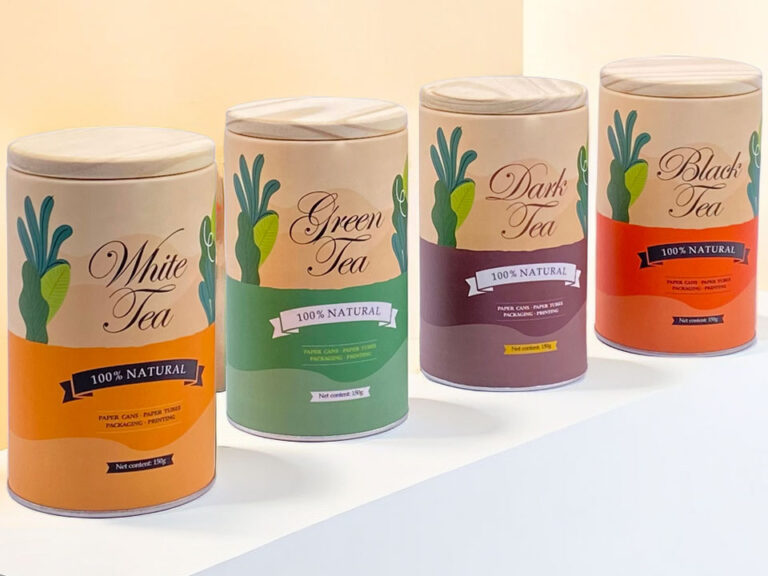
I regali di tè vengono spesso imbottiti pesantemente per evitare ammaccature e danni alla presentazione. Un tubo rigido protegge il prodotto e mantiene pulito l'aspetto del regalo.
Confezionamento di integratori e confezioni di proteine in polvere
Le polveri hanno bisogno di una struttura stabile e di una forte presenza sugli scaffali. Un tubo può ridurre gli sprechi di spazio e rendere più omogeneo il confezionamento, soprattutto se si standardizzano i formati.
Confezioni espositive per la vendita al dettaglio di accessori
Se spedite piccoli articoli di consumo, i tubi evitano lo schiacciamento e mantengono visibile il marchio. I modelli a finestra possono essere utili quando l'esposizione è importante.
Vendita all'ingrosso e OEM/ODM (come trasformare la riduzione dei rifiuti in valore commerciale)
Se vendete B2B, conoscete già i veri punti dolenti:
imballaggi incoerenti tra gli stabilimenti
sorprese con tempi di consegna lunghi
confezioni che sembrano di qualità superiore, ma che si imballano male
Troppe varianti che intasano il magazzino
Le scatole in tubo di carta vi aiutano a risolvere sia la questione della sostenibilità che quella operativa. Si standardizzano le dimensioni, si migliora la densità della confezione, si riduce l'uso di riempitivi e si rende l'unboxing più “pronto per il marchio” senza aggiungere altri pezzi.
Quando parlate con gli acquirenti, non proponete “eco”. Proponete i risultati che a loro interessano:
imballaggio più pulito
meno biglietti di danni
flusso di adempimenti più rapido
presentazione al dettaglio più coerente
È così che si ottengono PO ripetuti.
Il prossimo passo: ridurre gli scarti in-pack senza riprogettare l'intero sistema
Iniziate con una famiglia di prodotti. Scegliete una misura di tubo. Utilizzate un inserto per bloccare l'adattamento. Quindi dimensionate il cartone di spedizione in base a quel tubo. In questo modo si ridurranno gli spostamenti, si ridurrà il riempimento e si semplificherà il confezionamento.
Sfoglia il homepage hub di prodotto e scegliere il modello di tubo più vicino alla vostra SKU. Da qui, è possibile costruire un piano di famiglia di dimensioni adatte agli ordini all'ingrosso, ai programmi di vendita all'ingrosso e ai lanci OEM/ODM.