Non vedete ancora la soluzione di imballaggio giusta? Parlate con il nostro capo.
Se avete consultato il nostro sito web o parlato con le vendite e non vedete ancora un percorso chiaro, inviate la vostra richiesta qui. Il vostro messaggio sarà inviato direttamente al nostro Direttore Generale per una revisione esecutiva della fattibilità, dei costi e dei tempi di realizzazione. Riceverete un chiaro passo successivo: cosa possiamo fare, cosa ci serve da voi e il percorso più veloce per ottenere un preventivo.
Revisione diretta da parte del GM delle vostre specifiche, del caso d'uso e dei vincoli
Controllo delle dimensioni e della struttura: diametro, altezza, resistenza delle pareti, inserti.
Raccomandazioni per la stampa e la finitura in base al marchio e al budget
Alternative di riduzione dei costi e opzioni di miglioramento dei tempi di consegna
Chiarezza sul percorso del preventivo: MOQ, piano di campionamento e cosa fare dopo
Parlare con il nostro capo
Richiedete offerta rapida per Imballaggi in tubo di carta personalizzati
Pensato per i responsabili degli imballaggi, degli approvvigionamenti e degli ingegneri dell'imballaggio. Specificate le dimensioni, la quantità e la finitura per ricevere indicazioni sul prezzo di vendita, sui tempi di consegna e sulle specifiche per i programmi USA/UE.
Personalizzazione pronta per il preventivo: diametro, altezza, spessore della parete, inserti, rivestimenti e chiusure
Se vi è mai capitato di aprire una confezione e di trovare un tubo con il bordo ammaccato, una cucitura saltata o un fondo che sembra “molle”, sapete già quanto vi costano i tubi deboli: ritardi nella linea di confezionamento, maggiori reclami da parte dei clienti e sostituzioni extra.
I tubi di carta possono essere resistenti, ma solo se vengono costruiti come una struttura per spedizioni, non solo come un bel cilindro. In questa guida scoprirete quali sono le leve esatte che aumentano la resistenza nel mondo reale: l'impilamento dei pallet, l'umidità, il trasporto a lungo raggio e l'uso costante con apertura e chiusura.
Se vi rifornite per la vendita all'ingrosso, per l'OEM/ODM o per il lancio di un marchio, capirete anche dove la resistenza si lega ai risultati commerciali. I tubi più resistenti riducono i resi e mantengono pulito l'unboxing, favorendo la vendita al dettaglio e gli ordini ripetuti.
Ecco la mappa rapida prima di approfondire.
Lista di controllo della resistenza del tubo di carta
Leva di forza (cosa si cambia)
Cosa previene
Dove lo sentirete di più
Cosa specificare in un PO / RFQ
Selezione del materiale del tubo di carta
Schiacciamento, strappo della fibra, corpo morbido
Prodotti a riempimento pesante, corsie lunghe
Qualità della carta, miscela di strati, comportamento di compressione target
Selezione della colla per tubi di carta
Delaminazione, spaccatura delle cuciture, guasto da umidità
Stoccaggio umido, manipolazione a freddo
Tipo di adesivo, necessità di resistenza all'acqua, adattamento al processo
Eliminare le lacune e i punti deboli
“Seam pop”, linee di ammaccatura, cedimento del fondo
Gocce, coperchi a tenuta stagna
Tolleranza di cucitura, metodo di rinforzo del fondo
Aumentare lo spessore della parete e aggiungere strati
OD/ID, lunghezza, spessore della parete adattati al carico
Test e CQ standardizzati
“Sembra tutto a posto”, ma in seguito non funziona
Nuovi lanci, SKU ad alto rendimento
Obiettivi di frantumazione/carico superiore piatto, campionamento, regole di accettazione
Quando si desidera sfogliare gli stili dei tubi e abbinarli alla propria categoria, iniziare con la nostra homepage per vedere la gamma completa.
Selezione del materiale del tubo di carta
Iniziare dalla carta stessa. I tubi forti non si formano perché qualcuno ha “premuto più forte”. Succede perché la base della fibra trasporta il carico nel modo giusto.
Se spedite prodotti pesanti, scegliete una carta che mantenga la forma anche se schiacciata e impilata. Se vendete articoli di alta qualità, puntate sulla resistenza alle ammaccature e sulla pulizia dei bordi, perché i danni sugli scaffali fanno pensare a un “imballaggio economico” anche se il prodotto è ottimo.
Esempi di casi d'uso che spingono alla scelta dei materiali
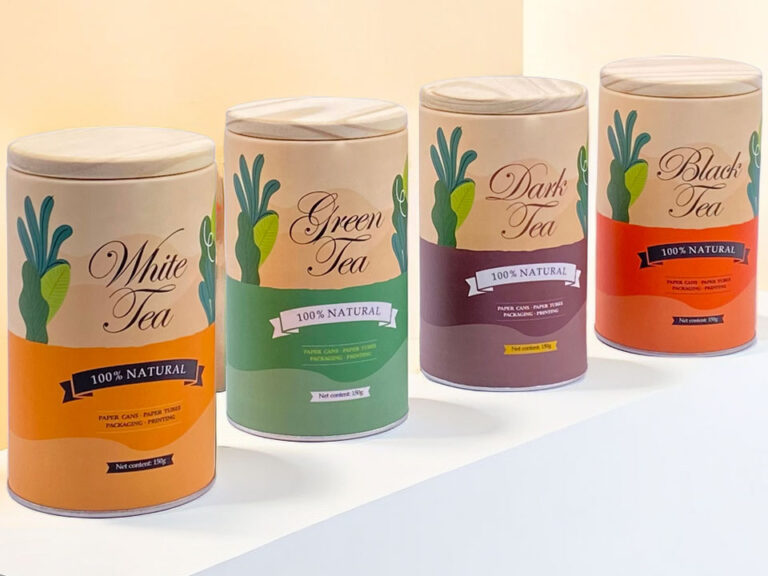
Il tè e gli alimenti secchi necessitano di carta stabile che non si ammorbidisca in caso di conservazione umida. Un buon stile di riferimento è tubi di carta per l'imballaggio del tè.
Un consiglio pratico: chiedete al vostro fornitore di trattare la selezione della carta come una CTQ (critico-qualitativo). Quando bloccano il voto della carta, bloccano le vostre prestazioni.
Selezione della colla per tubi di carta
La colla decide se il tubo si comporta come una parete solida o come una pila di strati in attesa di essere staccati.
Se il vostro team ha mai visto una cucitura sollevarsi dopo qualche apertura, avete visto il cedimento della colla in azione. All'inizio non sembra sempre drammatico. A volte inizia come un piccolo sollevamento del bordo, poi le vibrazioni di transito fanno il resto.
Scegliete l'adesivo in base alla vostra corsia e alla vostra categoria:
Lo stoccaggio umido e la spedizione via mare puniscono i legami deboli.
La manipolazione a freddo può rendere fragili alcuni legami.
L'imballaggio ad alta velocità richiede un'adesività stabile per evitare che gli strati scivolino durante l'avvolgimento.
Per le categorie regolamentate, anche l'affidabilità della chiusura è importante. Se vendete imballaggi conformi, la resistenza e le prestazioni della chiusura devono lavorare insieme. Guardate una struttura tipica in Imballaggio in tubo di carta resistente ai bambini.
Parametri dell'adesivo per l'avvolgimento a spirale: viscosità, adesività, solidi
Se volete un modo semplice per parlare di colla come una persona di fabbrica, usate queste tre parole:
Viscosità: come la colla scorre e si diffonde.
Tack: la velocità con cui si afferra durante l'avvolgimento.
Solidi: quanto materiale di incollaggio rimane dopo l'essiccazione.
Quando la viscosità si allontana, la colla si deposita in modo non uniforme. Quando l'adesività è scarsa, gli strati scivolano. Quando i solidi non sono all'altezza, l'incollaggio risulta debole anche se “sembra abbastanza bagnato”.”
Se si eseguono programmi per grandi quantità, chiedere una SOP per la colla e la tracciabilità dei lotti. È molto utile quando si effettuano ordini ripetuti.
Eliminare le lacune e i punti deboli
La maggior parte dei cedimenti dei tubi inizia nei punti deboli, non al centro della parete.
Di solito si vede uno di questi:
Una linea di giunzione che si ammacca per prima.
Un fondo che si ripiega verso l'interno.
Un bordo che schiaccia e fa sentire il coperchio allentato.
La correzione dei punti deboli non è tanto una questione di “tubo più spesso” quanto di struttura pulita:
Mantenere coerenti le sovrapposizioni.
Evitare le sacche d'aria intrappolate.
Rinforzare il fondo quando il peso del prodotto lo richiede.
Ciò è ancora più importante per i tubi con ritagli o maniglie, perché queste caratteristiche creano punti di stress. Ad esempio, un tubo per finestre come confezioni di fasce per capelli con finestra trasparente richiede una maggiore attenzione intorno all'apertura.
Aumentare lo spessore della parete e aggiungere strati
Se si desidera una maggiore resistenza al carico massimo, l'aggiunta di strati funziona perché combatte l'ovalizzazione e distribuisce la forza su un maggior numero di fibre.
Questa è la leva di riferimento per:
Tubi alti che potrebbero piegarsi durante il trasporto.
Tubi con inserti o oggetti delicati all'interno.
Tubi regalo premium che devono rimanere perfettamente rotondi.
I cosmetici spesso si trovano proprio in questa zona. Un tubo può sembrare a posto sul banco, ma poi diventare ovale dopo la spedizione e far sì che il vassoio interno si pieghi. Controllate lo stile di costruzione su tubi di cartone cosmetici personalizzati.
Un fornitore solido non si limita ad aggiungere spessore. Metterà a punto il numero di strati, la miscela di carte e il controllo dell'avvolgimento per raggiungere il vostro obiettivo.
Rinforzo dell'involucro esterno
L'involucro esterno svolge una duplice funzione: protegge il tubo e protegge l'aspetto.
Se la vostra confezione vende alla macchina fotografica, i danni all'involucro danneggiano la conversione. I graffi e le ammaccature ai bordi fanno sembrare un articolo nuovo “maneggiato”. Si tratta di un problema grave per la vendita al dettaglio e per gli abbonamenti.
È possibile rinforzare l'esterno con:
carta esterna più resistente,
laminazione o rivestimento superficiale che resiste alle abrasioni,
migliore finitura dei bordi per evitare che i cerchi si sfilaccino.
Questo aiuta anche i prodotti ad alto contatto, come i prodotti per la cura della persona che i clienti prendono e ripongono tutto il giorno. Un esempio di stile è capelli pelle unghie imballaggio tubo di carta.
Rivestimento in resina epossidica
Il rivestimento epossidico può aggiungere un guscio protettivo duro, ma non è una scelta obbligata per ogni lavoro di imballaggio.
Si utilizza quando il tubo è sottoposto a manipolazioni difficili e non è necessaria la tipica superficie di vendita al dettaglio. Può essere utile in ambienti industriali dove l'abrasione e l'impatto sono frequenti.
Se il vostro prodotto è un alimento o un cosmetico, le decisioni sul rivestimento vanno prese con attenzione. Prima di impegnarvi, dovrete sottoporvi ai giusti controlli di conformità e sicurezza.
Rivestimento in fibra di vetro
Il rivestimento in fibra di vetro è un'opzione per impieghi gravosi nei casi in cui le costruzioni in sola carta non sopravvivono ai maltrattamenti.
Si adatta meglio ai tubi industriali che agli imballaggi per la vendita al dettaglio. Nei beni di consumo, spesso si ottengono risultati più puliti e scalabili migliorando prima la costruzione dello strato, la colla e il controllo del processo.
Considerate il rivestimento in vetroresina come uno strumento speciale, non come la prima mossa.
Controllo del processo di avvolgimento e laminazione
Si possono scegliere ottimi materiali e ottenere comunque tubi deboli se il processo di avvolgimento va alla deriva.
Il controllo del processo è il punto in cui gli acquirenti di prodotti sfusi vincono o perdono. Quando riordinate, non volete “abbastanza vicino”. Si vuole la stessa densità delle pareti, la stessa qualità delle cuciture e la stessa vestibilità del coperchio.
Chiedete al vostro fornitore informazioni su:
controllo della tensione di avvolgimento,
coerenza della sovrapposizione,
stabilità di stesura della colla,
qualità di rifilatura dei bordi.
Non si tratta di scartoffie per divertimento. È il modo per ridurre i grattacapi dell'AQL e proteggere il vostro marchio in fase di scale-up.
Controllo dell'essiccazione e della deformazione
I tubi deformati creano un caos silenzioso.
Essi causano:
coperchi che spaccano,
coperchi che si legano,
etichette che si raggrinziscono perché il tubo non è rotondo.
L'essiccazione determina la geometria. Se l'umidità se ne va in modo non uniforme, il tubo si sforma. Questo porta a “problemi di adattamento”, che si trasformano in un imballaggio lento e nella frustrazione del cliente.
Se spedite in regioni calde o umide, fate in modo che l'asciugatura e il controllo dell'umidità siano parte integrante delle specifiche, non un ripensamento.
Selezione delle dimensioni e dello spessore
Non scegliere le dimensioni e lo spessore delle pareti tirando a indovinare dalle foto. Abbinateli al carico, al peso del riempimento e al metodo di spedizione.
Ecco un modo semplice di pensare:
Se impilate cartoni alti, avete bisogno di prestazioni più elevate nel carico dall'alto.
Se i clienti aprono spesso il tubo, è necessario che le cuciture siano resistenti e che il cerchio duri a lungo.
Se si utilizzano inserti stretti, è necessario controllare la rotondità.
Per la vendita al dettaglio di alta gamma, la gioielleria è un ottimo esempio. Il tubo non si limita a proteggere il prodotto. Diventa la confezione regalo. Si tratta di un prodotto resistente alle ammaccature e con finiture pulite. Vedere scatole di carta per gioielli e bracciali.
Test e CQ standardizzati
Se volete avere meno sorprese, misurate la resistenza come misurate il colore della stampa.
Come minimo, costruite un ciclo di controllo qualità di base:
controlli di tipo compressivo (flat crush o top-load),
ispezione delle cuciture,
controlli di rotondità e di tenuta del coperchio,
controlli di consegna che corrispondono alla vostra reale corsia di spedizione.
I test aiutano anche a evitare la “sovracostruzione”. Invece di chiedere un tubo più spesso, si può chiedere un livello di prestazioni obiettivo e lasciare che l'ingegneria lo raggiunga con la giusta combinazione di materiali e processi.
Aggiornamenti di forza per scenario di prodotto
Scenario del prodotto
Fallimento comune
Le migliori leve di forza a cui dare priorità
Esempio interno correlato
Tè e alimenti secchi
Corpo morbido in presenza di umidità, superficie scrostata
Scelta del materiale, scelta della colla, rivestimento esterno
Conclusione: trasformare il “più forte” in una specifica ripetibile
Quando si migliora la selezione dei materiali, le prestazioni della colla, la progettazione dei punti deboli e il controllo del processo, non si ottiene solo un tubo più resistente. Si ottiene un'evasione più fluida e un minor numero di resi. Inoltre, si protegge l'aspetto degli scaffali, il che aiuta i marchi, i rivenditori e i venditori transfrontalieri a mantenere pulite le recensioni.
Se acquistate all'ingrosso o in OEM/ODM, considerate la resistenza come una specifica che potete ripetere, non come una soluzione unica. Iniziate allineando lo stile del tubo alla vostra categoria su la nostra homepage, Quindi, fate pressione sul vostro fornitore per ottenere CTQ chiari, controlli QC e controlli di produzione stabili.