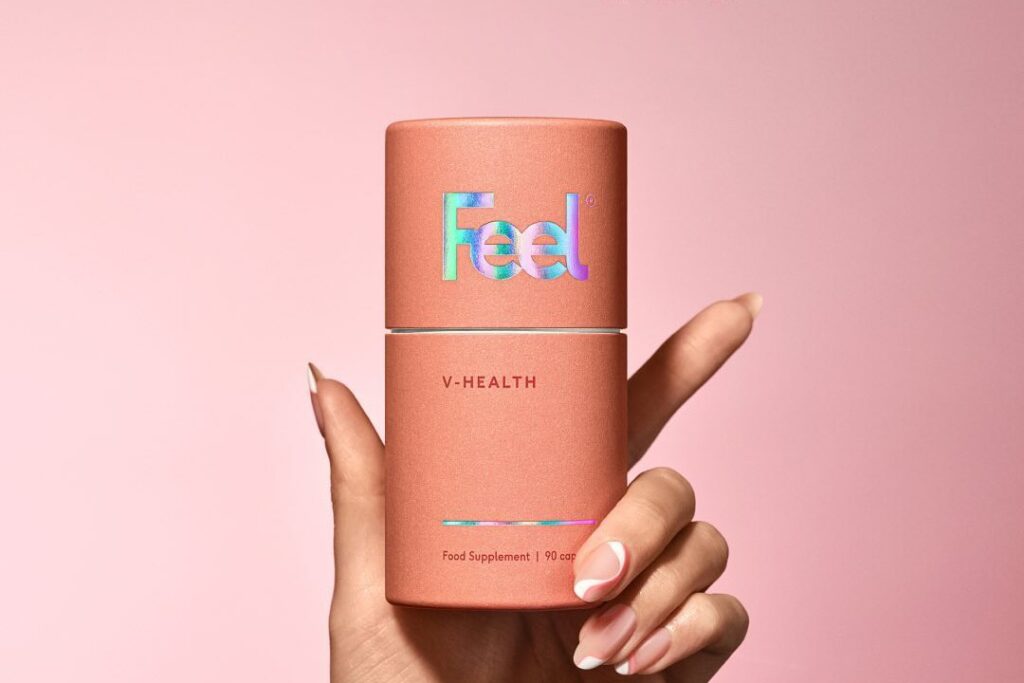
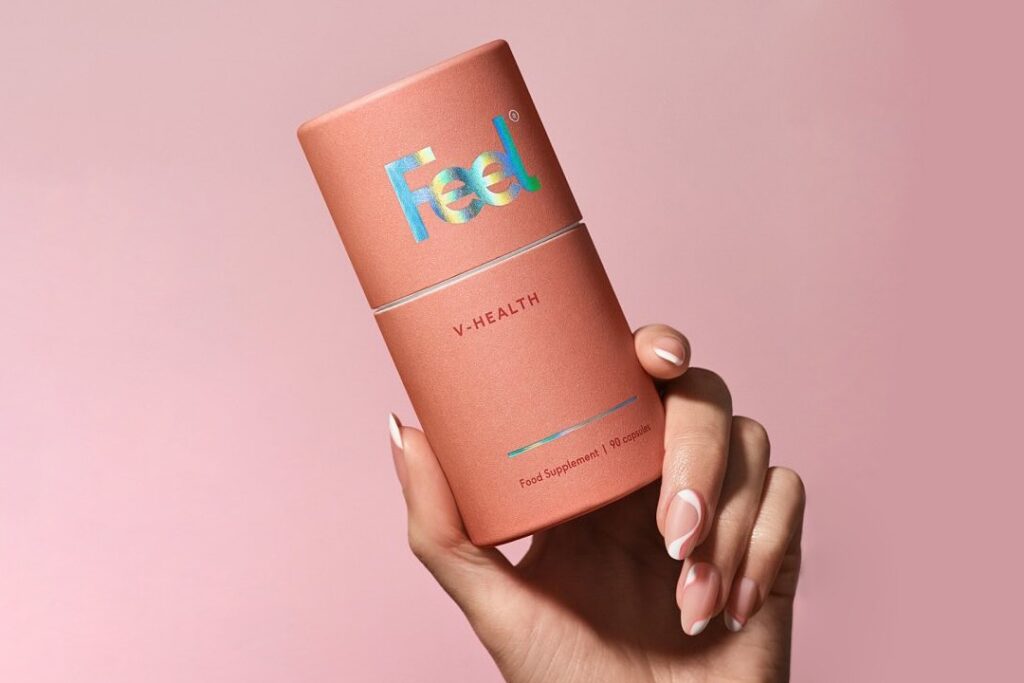
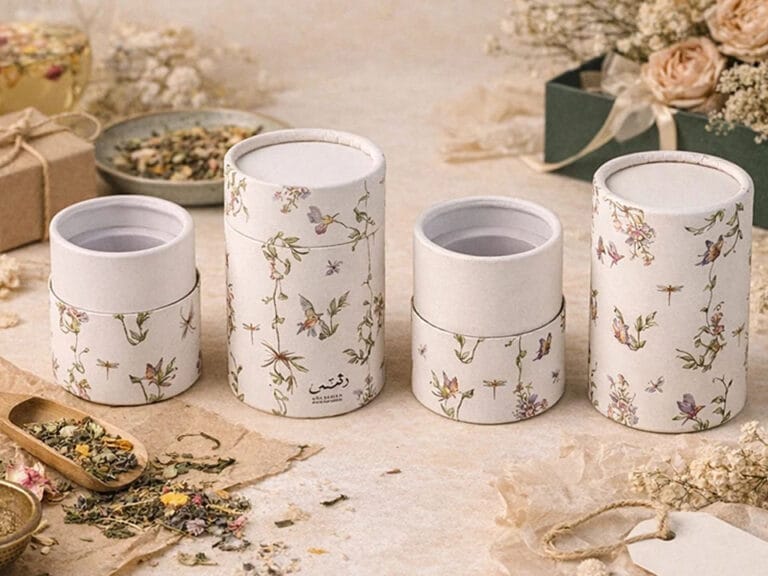
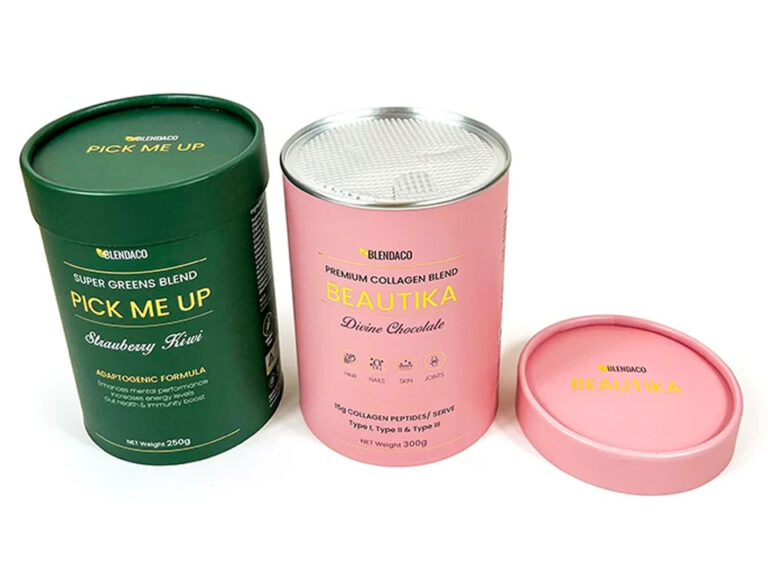
Non vedete ancora la soluzione di imballaggio giusta? Parlate con il nostro capo.
Se avete consultato il nostro sito web o parlato con le vendite e non vedete ancora un percorso chiaro, inviate la vostra richiesta qui. Il vostro messaggio sarà inviato direttamente al nostro Direttore Generale per una revisione esecutiva della fattibilità, dei costi e dei tempi di realizzazione. Riceverete un chiaro passo successivo: cosa possiamo fare, cosa ci serve da voi e il percorso più veloce per ottenere un preventivo.
Revisione diretta da parte del GM delle vostre specifiche, del caso d'uso e dei vincoli
Controllo delle dimensioni e della struttura: diametro, altezza, resistenza delle pareti, inserti.
Raccomandazioni per la stampa e la finitura in base al marchio e al budget
Alternative di riduzione dei costi e opzioni di miglioramento dei tempi di consegna
Chiarezza sul percorso del preventivo: MOQ, piano di campionamento e cosa fare dopo
Parlare con il nostro capo
Richiedete offerta rapida per Imballaggi in tubo di carta personalizzati
Pensato per i responsabili degli imballaggi, degli approvvigionamenti e degli ingegneri dell'imballaggio. Specificate le dimensioni, la quantità e la finitura per ricevere indicazioni sul prezzo di vendita, sui tempi di consegna e sulle specifiche per i programmi USA/UE.
Personalizzazione pronta per il preventivo: diametro, altezza, spessore della parete, inserti, rivestimenti e chiusure
I tubi di carta si trovano dappertutto: rotoli di carta igienica, anime di spedizione, manicotti per etichette, persino inserti per imballaggi. Sembrano semplici, ma in realtà sono un materiale piuttosto utile se li si tratta nel modo giusto. Il trucco è quello di seguire una mentalità pulita “a scala di rifiuti”: prima il riuso, poi il riciclo, e il compost solo quando il riciclo non ha senso.
Se gestite un marchio, una fabbrica, uno studio di design o un'attività di vendita all'ingrosso, i tubi di carta sono importanti anche dal punto di vista commerciale. I tubi possono ridurre la plastica, migliorare la presenza sugli scaffali e rendere l'unboxing di qualità superiore senza essere fragile.
In questa guida troverete idee pratiche per la casa e l'azienda, oltre a una rapida tabella delle affermazioni e delle fonti per rendere l'articolo credibile.
Riutilizzare prima di riciclare i tubi di carta
Il riciclo funziona al meglio quando non è possibile spremere un'altra vita dall'oggetto. I tubi di carta sono perfetti per il riutilizzo perché sono rigidi, leggeri e facili da tagliare.
Ecco alcuni scenari rapidi e reali:
Magazzino e adempimenti: Utilizzate i tubi per proteggere poster, stampe e articoli lunghi e fragili all'interno di un mailer. È un modo semplice per ridurre lo “schiacciamento degli angoli” e i resi dei clienti.
Retrobottega per la vendita al dettaglio: Impacchettate i cavi, le etichette, il nastro e le piccole parti in tubi in modo che il personale possa prenderli e portarli via.
Studio e prototipazione: Utilizzate le provette come mockup per l'imballaggio delle bombole. Consente di verificare il diametro, l'adattamento del tappo e l'avvolgimento dell'etichetta prima di approvare l'attrezzatura.
Quando siete pronti a passare dai “tubi casuali” a un packaging coerente, iniziate dal vostro catalogo: prodotti
Mantenere i tubi di carta puliti e asciutti per il riciclo
La maggior parte dei sistemi di riciclaggio tratta la carta come un flusso di “fibre pulite”. Una volta bagnata, oleosa o macchiata di cibo, il valore scende rapidamente.
Una semplice regola da utilizzare:
Asciugare + pulire: riciclare
Bagnati, unti o macchiati di ciboCompost (se consentito) o spazzatura se il compost non è disponibile.
Questo vale per articoli comuni come i rotoli da cucina. Se una provetta è rimasta accanto al lavandino e si è inzuppata, non bisogna forzarla a finire nel bidone della spazzatura.
Tubi di carta e contaminazione alimentare
La contaminazione alimentare crea due problemi: può rovinare la carta vicina nella stessa balla e può causare lo scarto di un lotto. Se gestite una struttura o un negozio, questo è un costo silenzioso perché fa perdere tempo nella selezione e aggiunge problemi di smaltimento.
Rimuovere i tappi di plastica e i materiali misti
Alcuni tubi sono dotati di tappi di plastica, coperchi in metallo, fodere, o pellicola per finestre. I materiali misti possono bloccare il riciclaggio se non vengono prima separati.
Eseguire questa operazione prima di riciclare un tubo:
Staccare tappi di plastica e riciclarli (se il programma locale accetta quel tipo di plastica).
Rimuovere etichette se sono pesantemente rivestite o laminate
Mantenere solo carta parti insieme
Questa è anche una lezione di progettazione degli imballaggi: se si desidera una facile gestione del fine vita, ridurre le parti in materiale misto o renderle facilmente separabili.
Controllare le regole locali di riciclaggio dei tubi di carta
Il riciclaggio non è un'unica regola globale. Alcune città accettano i tubi di carta nel flusso della carta mista. Altre non lo fanno, oppure li trattano in modo diverso in base ai rivestimenti e alle fodere.
Se state scrivendo un testo di packaging per un marchio, non promettete “riciclabile a bordo strada” a meno che non possiate confermarlo. Un approccio più sicuro è:
“Il tubo di carta è riciclabile dove esistono impianti”.”
“Si prega di controllare le linee guida locali”.”
In questo modo si mantiene l'onestà e si riducono i reclami dei clienti.
Tubi di carta sporca per il compostaggio
Quando un tubo si unge (si pensi agli schizzi della pizza), ammuffisce o si impregna, spesso il compost ha più senso del riciclaggio. Il compostaggio funziona meglio se si evitano plastica, fogli e rivestimenti pesanti.
Buoni candidati al compost:
Rotoli di carta igienica
Pulire le anime di cartone
Tubi di carta per uso domestico leggermente usati (senza pellicola o foglio di alluminio)
Candidati al compost scadente:
Tubi con rivestimenti in plastica che non si possono rimuovere
Tubi con effetti laminati o metallici pesanti
Idee per conservare i tubi di carta e gestire i cavi
Questa è la sezione “Domani lo userete davvero”.
Tubi di carta per divisori di cassetti
Tagliare i tubi in anelli corti. Metteteli in piedi in un cassetto. Ora avete dei divisori istantanei per:
Cavi USB
Fascette per capelli
Piccoli strumenti
Forniture per l'artigianato
È poco impegnativo e blocca la “palla di neve del cassetto delle cianfrusaglie”.”
Tubi di carta per l'etichettatura dei cavi
Piegate un cavo, infilatelo in un tubo e scrivete un'etichetta all'esterno. Se gestite un e-commerce o un piccolo studio, questo rende più veloce l'installazione e lo smontaggio.
Tubo di carta per la semina e usi in giardino
I tubi di carta sono ottimi per le piantine, perché si possono piantare più tardi con un minore shock radicale.
Ecco una configurazione semplice:
Pizzicare un'estremità per formare una base.
Riempire di terra.
Piantate i semi.
Una volta che la piantina è forte, spostare l'intero tubo in un vaso più grande o in un letto da giardino.
Se siete un marchio che vende prodotti per il benessere, il tè o prodotti naturali, le storie di riutilizzo che rispettano il giardino si adattano alla vostra atmosfera di clienti. Inoltre, offrono contenuti puliti per le pagine dei prodotti e gli inserti.
Artigianato in tubo di carta e progetti STEM
I tubi sono un codice per i progetti dei bambini e le attività in classe, perché sono sicuri, leggeri e facili da decorare.
Idee che non necessitano di strumenti sofisticati:
Mini binocolo
Corse in marmo
Strumenti semplici
Timbri e rulli per modelli di vernice
Se vendete sui marketplace, questa è una prospettiva intelligente per l'UGC. Le persone amano postare “cosa ho fatto con la confezione”.”
Tabella delle prove: Richieste, azioni e fonti
Utilizzate questa tabella nel vostro articolo per farlo apparire solido, non soffice.
Affermazione (ciò che si sta dicendo)
Cosa fare (azione reale)
Perché è importante (motivo pratico)
Fonte (riferimento non link)
Il riutilizzo viene prima del riciclaggio
Riutilizzare prima i tubi, riciclare solo quando si ha finito
Riduce gli sprechi, prolunga la vita del materiale
Guida alla gerarchia dei rifiuti dell'EPA statunitense
La carta pulita e asciutta si ricicla meglio
Mantenere i tubi liberi da acqua e residui di cibo
Previene il rigetto del carico, migliora la qualità della fibra
Guida al riciclaggio della carta dell'EPA
La carta sporca è migliore nel compost
Compostate i tubi unti/umidi quando è consentito.
Mantiene pulito il flusso di riciclaggio
Linee guida locali per il riciclaggio (variabili)
I materiali misti riducono la riciclabilità
Rimuovere i tappi/rivestimenti in plastica prima del riciclaggio
Evita i problemi di contaminazione e smistamento
Migliori pratiche di confezionamento
Le regole locali decidono cosa accettare
Controllare le linee guida della città o del trasportatore
Impedisce il “wishcycling”.”
Programmi di riciclaggio comunali
Imballaggi in tubo di carta per marchi e acquirenti all'ingrosso
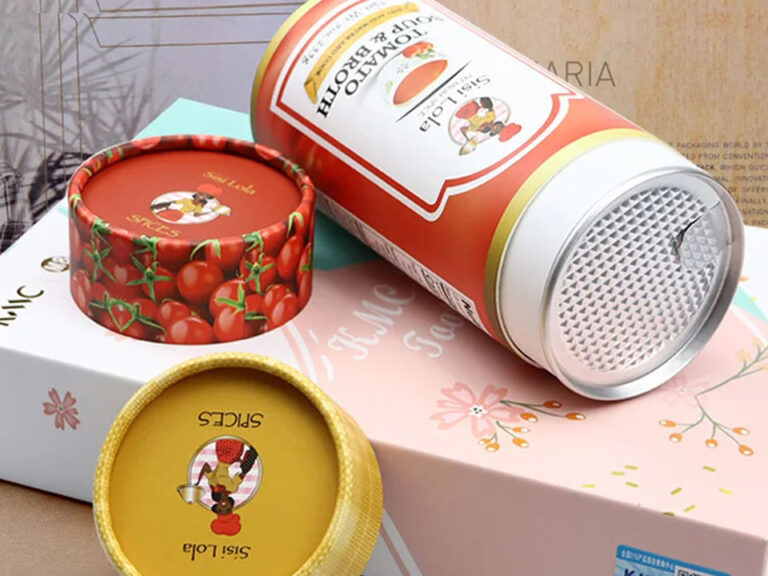
Se state costruendo una linea di prodotti, il vero obiettivo non è solo “riciclare”. Volete un packaging che venga spedito bene, che abbia un aspetto eccellente e che non crei problemi di assistenza.
L'imballaggio in tubo di carta aiuta a:
Impatto sullo scaffale: I cilindri si distinguono dai cartoni piatti.
Protezione: I tubi resistono meglio allo schiacciamento rispetto alle scatole pieghevoli sottili.
Unboxing: I tubi sembrano più “regali”, il che aumenta il valore percepito.
Efficienza della linea: Una specifica del tubo coerente rende l'imballaggio più veloce e riduce il caos degli SKU.
Se avete bisogno di un fornitore che supporti personalizzazione, vendita all'ingrosso di prodotti sfusi, OEM/ODM, e un controllo qualità costante, a partire dalla homepage: Top Custom scatole di carta tubo Fornitore
Il posizionamento del sito è importante anche per gli acquirenti che pensano in termini di catena di approvvigionamento: un moderno laboratorio di purificazione degli imballaggi alimentari, un magazzino di 12.300 m² e una produzione giornaliera che supporta ordini di grandi volumi. Questo è il tipo di dettagli che i team di approvvigionamento cercano quando vogliono tempi di consegna stabili e meno sorprese.
Scatole del tubo di carta kraft della copertura della latta del metallo del commestibile su ordinazione per l'imballaggio del tè
Il tè ha bisogno di controllare l'umidità e di una “storia da scaffale premium”. Se vendete DTC o esportate, un tubo può proteggere l'aroma e ridurre i danni da trasporto. Vedi: scatole di carta per l'imballaggio del tè
Scatola di carta ecologica a tubo scatola cilindrica di cartone per l'imballaggio di proteine in polvere
Proteine e integratori sono in forte competizione sugli scaffali. Un cilindro rigido può dare l'impressione di essere più “di alto livello” rispetto a una busta morbida, e si presta bene per le inserzioni. Controllare: imballaggio in tubo di carta per proteine in polvere
Gli acquirenti di cosmetici sono attenti alla consistenza, alla stampa e alla “sensazione della mano”. I tubetti lasciano spazio alle finiture e al marchio senza sembrare scadenti. Riferimento: confezioni in tubo per cosmetici
Scatole di carta bianca opaca tubo imballaggio per gioielli e braccialetto con bowknot di seta
I gioielli hanno bisogno di energia per essere regalati. Un tubo bianco può apparire pulito, moderno e di qualità, soprattutto per le boutique e i brand drop. Esempio: scatole di carta per gioielli
Imballaggio in tubo di carta su misura per l'elastico per capelli con finestra trasparente e manico di seta
Doppi lati stampati capelli pelle unghie carta tubo imballaggio scatole di cartone tubo
La stampa fronte/retro supporta i marchi che desiderano uno storytelling completo: ingredienti, benefici, QR e informazioni sulla conformità, senza essere troppo stringenti. Esempio: capelli pelle unghie scatole in tubo di carta
Lista di controllo rapida per il riutilizzo e il riciclo dei tubi di carta
Utilizzatelo come un finale pulito che la gente screenshotterà:
Il riutilizzo prima di tutto: stoccaggio, protezione della spedizione, prototipi, artigianato
Mantenere la pulizia: i tubi asciutti si riciclano meglio
Spogliate le parti miste: rimuovete tappi, rivestimenti e pellicole, se possibile.
Seguire le regole locali: non dare per scontato che tutte le città accettino le provette.
Compostate quelli sporchi: i tubi unti o inzuppati non vanno riciclati.
Se avete bisogno di imballaggi coerenti su scala: scegliete una specifica che spedisca bene, stampi bene e si adatti al vostro flusso di adempimento.