Non vedete ancora la soluzione di imballaggio giusta? Parlate con il nostro capo.
Se avete consultato il nostro sito web o parlato con le vendite e non vedete ancora un percorso chiaro, inviate la vostra richiesta qui. Il vostro messaggio sarà inviato direttamente al nostro Direttore Generale per una revisione esecutiva della fattibilità, dei costi e dei tempi di realizzazione. Riceverete un chiaro passo successivo: cosa possiamo fare, cosa ci serve da voi e il percorso più veloce per ottenere un preventivo.
Revisione diretta da parte del GM delle vostre specifiche, del caso d'uso e dei vincoli
Controllo delle dimensioni e della struttura: diametro, altezza, resistenza delle pareti, inserti.
Raccomandazioni per la stampa e la finitura in base al marchio e al budget
Alternative di riduzione dei costi e opzioni di miglioramento dei tempi di consegna
Chiarezza sul percorso del preventivo: MOQ, piano di campionamento e cosa fare dopo
Parlare con il nostro capo
Richiedete offerta rapida per Imballaggi in tubo di carta personalizzati
Pensato per i responsabili degli imballaggi, degli approvvigionamenti e degli ingegneri dell'imballaggio. Specificate le dimensioni, la quantità e la finitura per ricevere indicazioni sul prezzo di vendita, sui tempi di consegna e sulle specifiche per i programmi USA/UE.
Personalizzazione pronta per il preventivo: diametro, altezza, spessore della parete, inserti, rivestimenti e chiusure
L'arte del design minimalista degli imballaggi per un mercato moderno
Indice dei contenuti
Un packaging minimalista sembra “facile” finché non si cerca di spedirlo, impilarlo, fotografarlo e farlo sembrare comunque di qualità. Quando si elimina il rumore, ogni dettaglio diventa più forte: il materiale, la tipografia, il colore, la sensazione di chiusura e la pulizia con cui la scatola sopravvive alla logistica.
Se vendete in un mercato moderno -TC, Amazon, scaffali al dettaglio o transfrontalieri- il minimalismo non è una tendenza. È una strategia di performance. Vi aiuta a conquistare i primi tre secondi (scroll + scaffale) e riduce l'attrito per la vostra catena di fornitura (SKU, pick-and-pack, tasso di danneggiamento, spazio di conformità).
Di seguito, vi illustrerò il design minimalista del packaging in un modo che potrete effettivamente utilizzare, soprattutto se state costruendo un packaging personalizzato in tubi di carta su scala.
Design minimalista degli imballaggi: che cosa significa veramente “minimal”?
Minimal non significa “vuoto”. Significa solo ciò che si guadagna il suo posto.
Una definizione pratica da consegnare al progettista e alla fabbrica:
Un messaggio da eroe (marchio + tipo di prodotto, o marchio + un beneficio chiave)
Un sistema visivo (un'unica famiglia di caratteri + spaziatura coerente)
Un eroe finale (soft-touch opaco, rilievo, lamina, spot UV: sceglietene uno)
Un'area di “prova” (conformità, ingredienti, specifiche - tenuti in ordine)
Pensate a una vetrina pulita. Non state nascondendo il prodotto. Lo state incorniciando in modo che l'acquirente non debba lavorare.
Materiali d'imballaggio minimalisti: scatole in tubo di carta come tela pulita
Il minimalismo si basa su una “tranquilla fiducia” e la scelta dei materiali è il punto di partenza di questa fiducia.
Le confezioni in tubo di carta sono adatte a un design minimale, perché sono in grado di soddisfare le esigenze dei clienti:
Il forma cilindrica si fa già notare. Non c'è bisogno di una grafica pesante per farsi notare.
La superficie offre un involucro continuo per la tipografia pulita e il forte spazio negativo.
È possibile creare una sensazione di qualità superiore con la struttura invece che con il disordine (tolleranze strette, chiusura del coperchio aderente, finitura solida dei bordi).
Se vendete all'ingrosso o OEM/ODM, l'approccio material-first vi aiuta anche a mantenere il marchio coerente tra i vari lotti. Potete bloccare la linea di produzione, gli obiettivi di colore e concentrarvi sugli aggiornamenti controllati (finitura, etichetta, inserto) senza dover reinventare l'intero look.
Palette di colori e tipografia minimalista: un unico elemento vincente
Quando si toglie la grafica, diventa il design. Ecco perché il packaging minimalista vive o muore in base a poche scelte:
Tavolozza di colori minimalista
Utilizzo una base (bianco, kraft, nero o un colore di una sola marca), quindi aggiungere un accento. L'accento può essere una banda sottile, una piccola icona o il colore del coperchio. In questo modo l'estensione della linea rimane semplice: stesso tubo, accento diverso, logica SKU pulita.
Tipografia minimalista
Scegliete un sistema di caratteri leggibile a distanza:
Nome del prodotto chiaro
Breve linea descrittiva (che cos'è, non uno slogan)
Microcopia dove conta (dimensioni, numero, sapore, profumo)
Se vendete all'estero, la chiarezza tipografica non è solo design. È conversione. Gli acquirenti non vogliono indovinare cosa c'è dentro.
Argomenti chiave per il design minimalista del packaging da utilizzare (con note di esecuzione)
Ecco una tabella pratica che potete inserire nel vostro brief interno o inviare al vostro fornitore di imballaggi.
Argomentazione sul packaging minimalista (da usare come punti di discussione)
Cosa fare sulla scatola
Dove conviene
Esempio di pagina interna
La riduzione dell'ingombro visivo migliora la velocità di scansione
Un solo messaggio eroe + forte spaziatura + nessuna “zuppa di caratteristiche”.”
Scaffale di vendita al dettaglio, miniature di Amazon, annunci sociali
Struttura dell'imballaggio minimalista: chiusura, protezione e disimballaggio
Le confezioni minimali non possono affidarsi alla grafica per “sembrare costose”. La sensazione della mano deve fare il suo dovere.
Ecco i dettagli strutturali più importanti per i tubi di carta:
Controllo dell'adattamento del coperchio e della tolleranza
Una buona provetta ha un'apertura/chiusura fluida e sicura: nessuna oscillazione, nessun coperchio incastrato, nessun fruscio. Non si tratta di decorazione. È ingegneria.
Inserti che proteggono senza rumore
Se spedite articoli fragili o regolamentati, avete comunque bisogno di protezione. La mossa minimalista è un inserto pulito che tiene fermo il prodotto, invece di aggiungere un'ulteriore stampa esterna.
Durata della superficie
I design minimalisti si graffiano più rapidamente, soprattutto sulle tinte unite e sulle finiture opache. Aggiungete per tempo una strategia antigraffio e testatela con il vostro flusso di evasione (attrito del cartone, sfregamento delle etichette, movimentazione sugli scaffali).
Gerarchia delle informazioni e conformità: layout pulito senza rischi legali
Il packaging minimalista spesso fallisce in un punto: la “minuscola esplosione di testo”.”
In molti mercati sono ancora necessari ingredienti, avvertenze, codici a barre, lotti e contenuti multilingue. La soluzione non è ridurre tutto. La soluzione è zone di separazione:
Fronte anteriore: marchio + nome del prodotto + un breve descrittore
Pannello laterale/posteriore: blocco di conformità con spaziatura coerente della griglia
In basso: codice a barre + lotto/partecipazione + informazioni sul produttore
Per le categorie regolamentate, l'obiettivo è semplice: l'acquirente vede una facciata pulita e i revisori vedono un pannello informativo completo.
Packaging minimalista per scenari di vendita moderni
Il minimalismo cambia a seconda delle modalità di vendita. Ecco alcuni casi d'uso realistici che corrispondono a ciò che i marchi e i distributori affrontano quotidianamente.
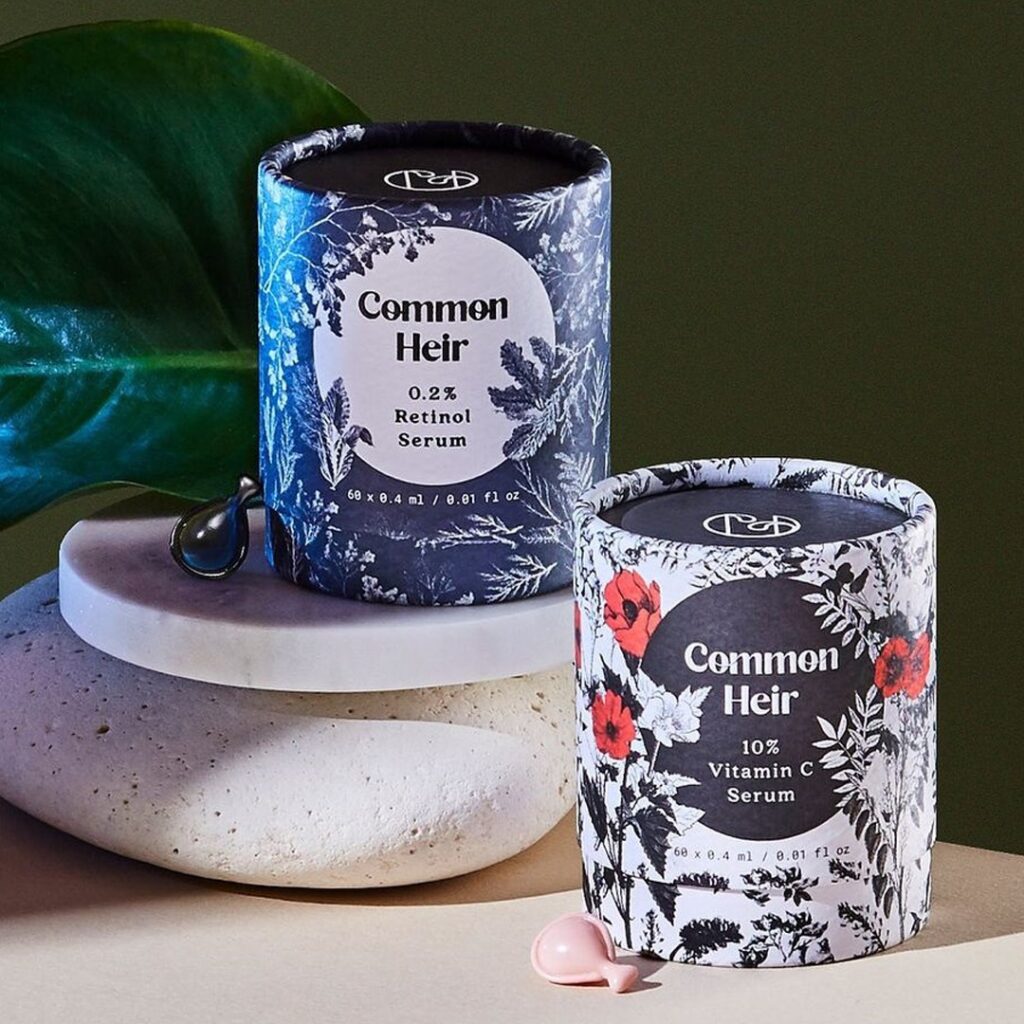
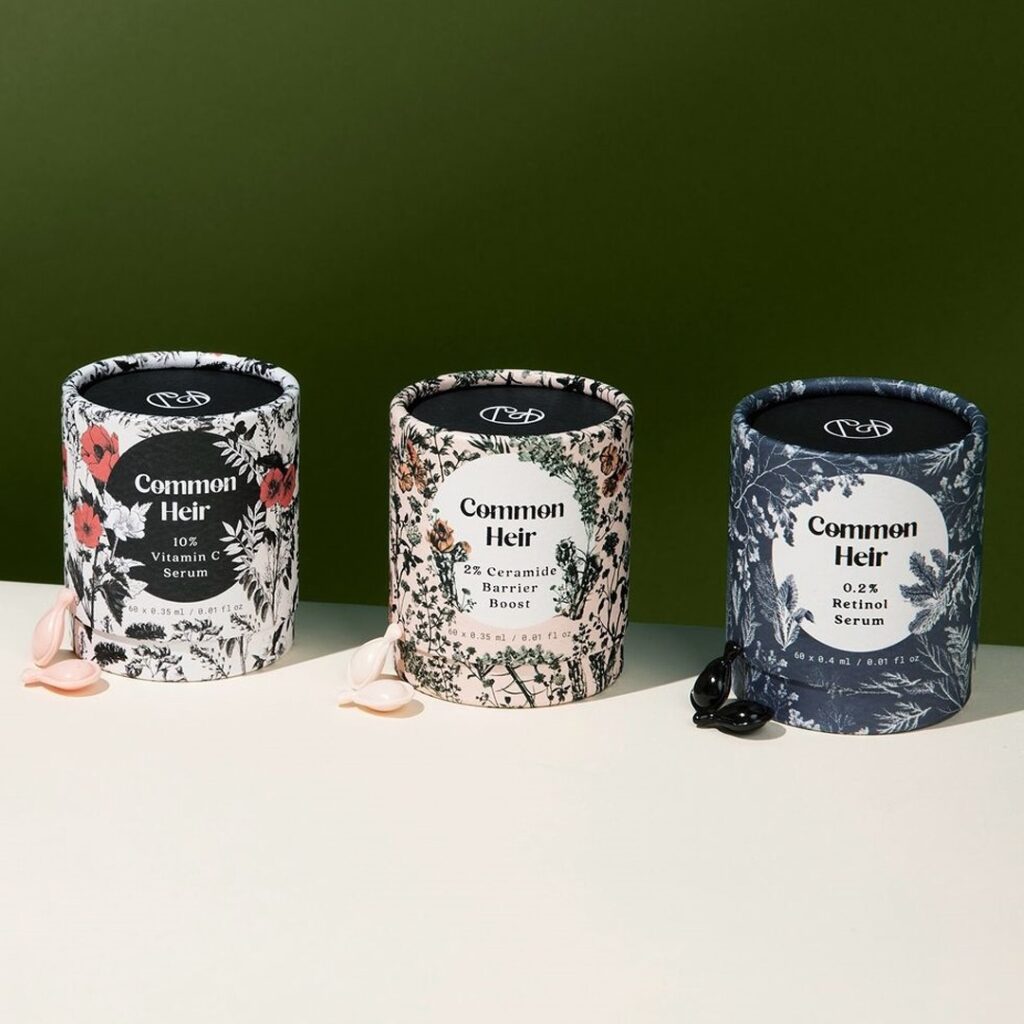
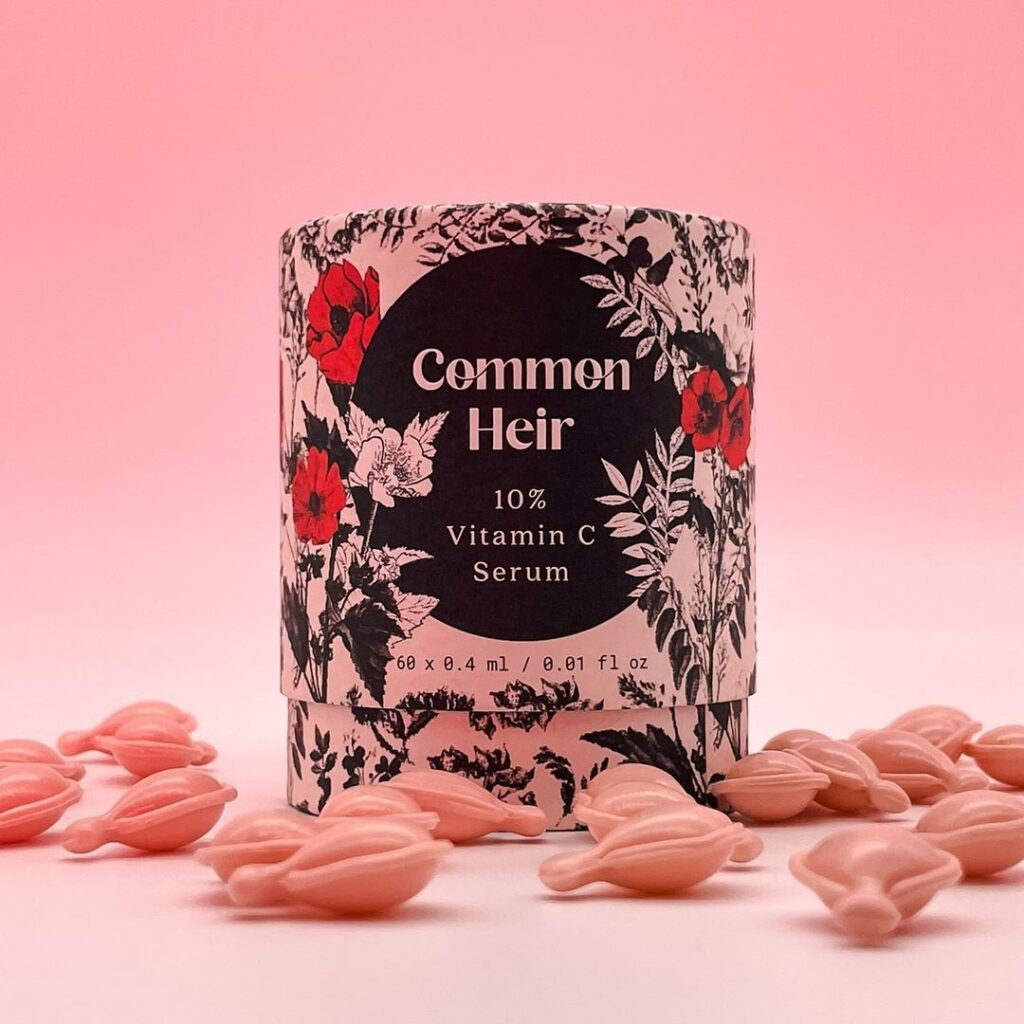
Packaging per cosmetici per proprietari di marchi e agenzie
Gli acquirenti di cosmetici decidono in fretta. Cercano “pulito”, “sicuro”, “moderno”. Una tipografia minimale su un tubetto solido è la chiave di volta di questa atmosfera, soprattutto se si mantengono controllate le finiture e il testo.
Se producete varianti (giorno/notte, linee di profumi, kit stagionali), mantenete un layout principale e ruotate solo il colore d'accento o una piccola linea descrittiva. In questo modo il vostro marchio rimane coerente e il vostro sistema di SKU sano.
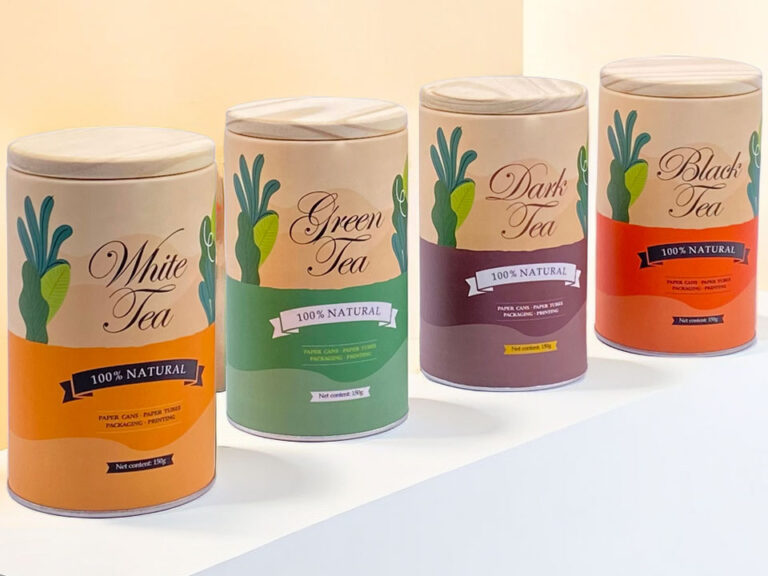
Il tè è un prodotto “rituale”. Il kraft ridotto al minimo e un sistema di etichette pulite lo fanno sentire a terra e allo stesso tempo di alta qualità. Se spedite scatole di abbonamento, il tubo protegge anche i prodotti sensibili all'aroma meglio di cartoni fragili.
Confezioni di proteine in polvere per venditori transfrontalieri
Gli integratori competono in ambienti di scorrimento brutali. Il packaging minimale funziona quando si mantiene chiara la parte frontale (marchio + prodotto + sapore) e si spostano le informazioni più pesanti in un pannello strutturato. Inoltre, è un'ottima soluzione per le immagini PDP.
Confezioni a prova di bambino di cannabis per i mercati regolamentati
È qui che conta di più il “minimo ma conforme”. Si vuole un look pulito e di qualità, ma anche una struttura a prova di bambino e una chiara gerarchia di avvisi. L'approccio più intelligente consiste in una facciata calma e in un pannello di conformità disciplinato.
Confezione di cartucce di CBD per un posizionamento premium
I marchi di CBD spesso esagerano nel design perché cercano di “sembrare affidabili”. Il minimalismo di solito svolge meglio questo compito, soprattutto con una finitura controllata (come un solo segno di lamina) e un'identificazione pulita del prodotto.
I gioielli sono emozionali. Una confezione minimale fa percepire il prodotto come più prezioso perché non è in competizione con esso. È possibile mantenere l'esterno tranquillo e lasciare che il “momento” avvenga quando si toglie il coperchio.
Confezione di accessori per capelli con finestra trasparente
A volte è necessaria la visibilità. Una vetrina può ancora sembrare minimalista se la si tratta come un elemento di design, non come un compromesso. Mantenete la vetrina pulita, la tipografia rigorosa e lasciate che sia il prodotto a parlare.
Lista di controllo per la produzione di imballaggi minimalisti per OEM/ODM all'ingrosso
Il design minimalista punisce l'esecuzione approssimativa, quindi la lista di controllo della produzione è importante:
Bloccate la linea di demarcazione in anticipo, quindi riutilizzatela in tutte le varianti.
Confermare gli obiettivi cromatici (CMYK vs Pantone) e conservare un campione fisico approvato.
Scegliere una finitura eroica e testare la resistenza alle abrasioni
Convalidare l'adattamento del coperchio e la tenuta dell'inserto con campioni di prodotto reali
Pianificare la griglia del pannello di conformità prima di progettare la parte anteriore.
Standardizzare la logica degli SKU (colore dell'accento, codice dell'etichetta o colore del coperchio)
Se acquistate in grandi quantità, questa lista di controllo protegge anche i tempi di consegna. Meno riprogettazioni significa meno giri di campionatura.
Perché l'imballaggio minimalista ha senso per i grossisti e i venditori di marchi
Il minimalismo non è solo “bello”. È intelligente dal punto di vista operativo:
Migliore conversione: i pacchetti puliti si leggono più velocemente negli annunci e nelle inserzioni
Coerenza del marchio: un unico sistema è utilizzabile per tutte le linee di prodotto
Esecuzione più fluida: dimensioni e inserti standardizzati riducono gli errori di imballaggio
Percezione più premium: struttura e finitura fanno il lavoro pesante
E se vi rifornite da un produttore in grado di gestire la scala OEM/ODM, gli ordini all'ingrosso e la produzione stabile, potete mantenere questo standard minimalista coerente in tutti i mercati. Le vostre dichiarazioni sulla capacità di officina e di magazzino (12.300 m² di magazzino e una produzione giornaliera di oltre 300.000 pezzi) supportano esattamente questo tipo di produzione ripetibile.