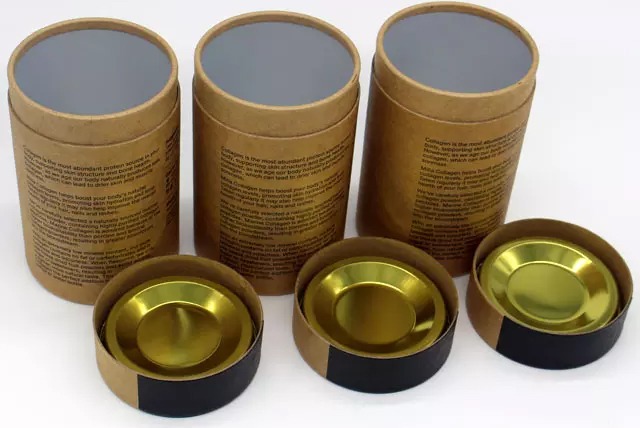
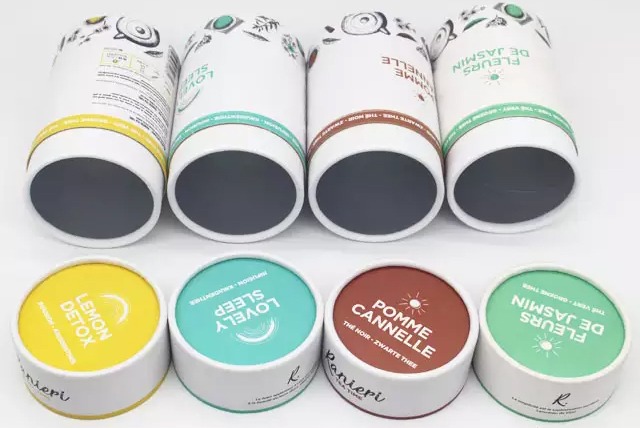
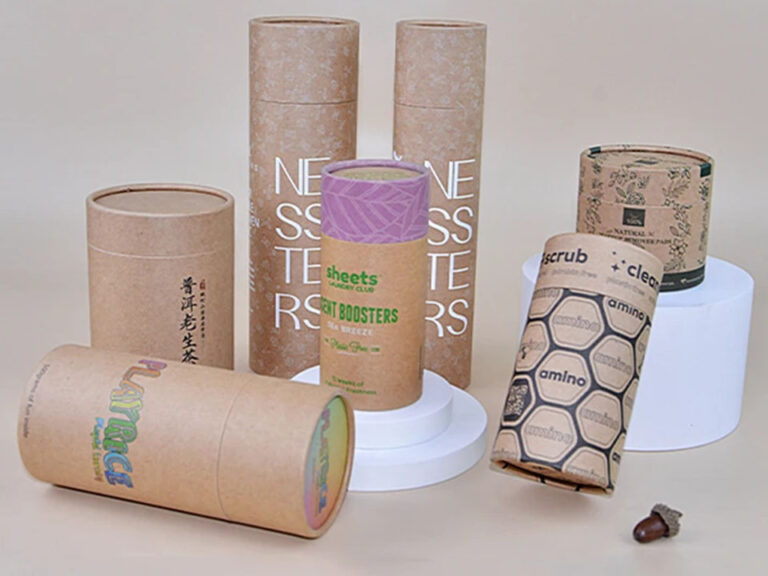
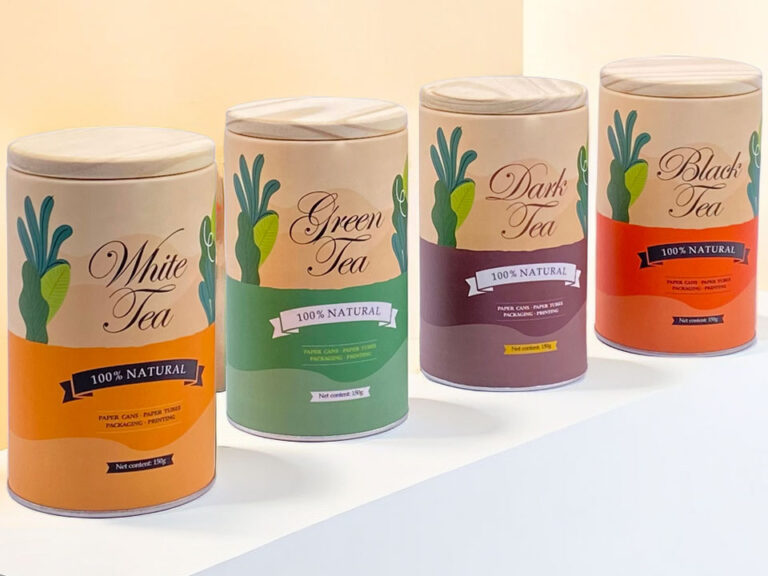
Non vedete ancora la soluzione di imballaggio giusta? Parlate con il nostro capo.
Se avete consultato il nostro sito web o parlato con le vendite e non vedete ancora un percorso chiaro, inviate la vostra richiesta qui. Il vostro messaggio sarà inviato direttamente al nostro Direttore Generale per una revisione esecutiva della fattibilità, dei costi e dei tempi di realizzazione. Riceverete un chiaro passo successivo: cosa possiamo fare, cosa ci serve da voi e il percorso più veloce per ottenere un preventivo.
Revisione diretta da parte del GM delle vostre specifiche, del caso d'uso e dei vincoli
Controllo delle dimensioni e della struttura: diametro, altezza, resistenza delle pareti, inserti.
Raccomandazioni per la stampa e la finitura in base al marchio e al budget
Alternative di riduzione dei costi e opzioni di miglioramento dei tempi di consegna
Chiarezza sul percorso del preventivo: MOQ, piano di campionamento e cosa fare dopo
Parlare con il nostro capo
Richiedete offerta rapida per Imballaggi in tubo di carta personalizzati
Pensato per i responsabili degli imballaggi, degli approvvigionamenti e degli ingegneri dell'imballaggio. Specificate le dimensioni, la quantità e la finitura per ricevere indicazioni sul prezzo di vendita, sui tempi di consegna e sulle specifiche per i programmi USA/UE.
Personalizzazione pronta per il preventivo: diametro, altezza, spessore della parete, inserti, rivestimenti e chiusure
La guida alle soluzioni di imballaggio personalizzate per tubi di cartone
Indice dei contenuti
Se vendete un prodotto che ha bisogno di protezione reale, un branding pulito e una sensazione di qualità superiore, Imballaggio in tubo di cartone personalizzato vale la pena di dare un'occhiata approfondita. I tubi non si limitano a “contenere” un prodotto. Riducono le ammaccature, riducono i pacchi disordinati e fanno apparire il vostro prodotto come un prodotto intenzionale su uno scaffale.
Come Top Custom scatole di carta tubo Fornitore, sosteniamo personalizzazione, vendita all'ingrosso di prodotti sfusi e OEM/ODM per rivenditori, proprietari di marchi, fabbriche, venditori di e-commerce transfrontalieri, distributori, agenzie e startup in crescita. Gestiamo un moderno laboratorio di depurazione degli imballaggi alimentari e un 12.300 m² di magazzino 3D, con una capacità media giornaliera di Oltre 300.000 pezzi-in modo da poter scalare quando gli ordini iniziano a muoversi velocemente.
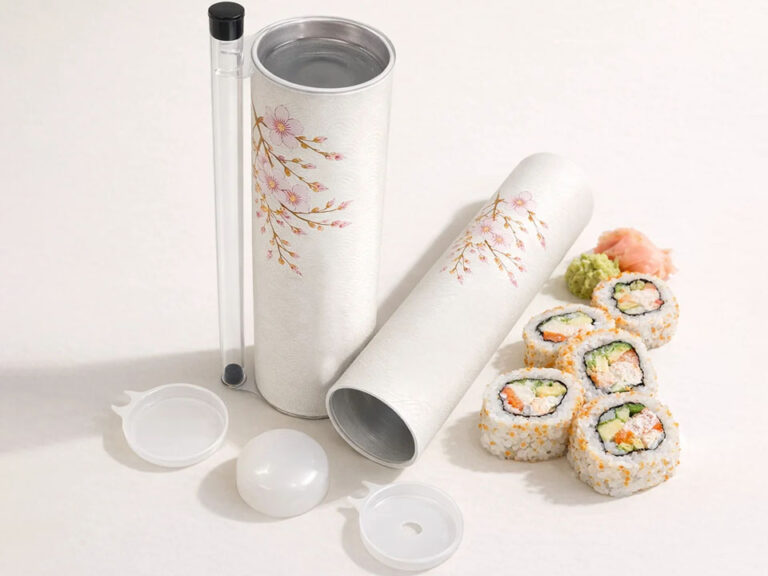
Il tubo di cartone è un cilindro di cartone rigido (spesso avvolto a spirale) che protegge i prodotti meglio di molti cartoni pieghevoli. È possibile specificare il diametro, altezza, spessore della parete, stile di chiusura e inserto in modo che il tubo si adatti al prodotto come un guanto.
I tubi vengono utilizzati per:
confezioni pronte per la vendita al dettaglio che necessitano di impatto sullo scaffale
pacchi di spedizione in cui si desidera ridurre gli angoli schiacciati
confezioni regalo dove l'unboxing è importante
prodotti che i clienti aprono e chiudono ripetutamente
Confezione economica e riciclabile con imbottitura
I tubi hanno senso quando è necessario struttura + assorbimento degli urti senza appesantire i materiali. Il cartone attutisce naturalmente i piccoli urti e la forma cilindrica aiuta la confezione a rimanere rigida.
Cosa risolve nel mondo reale
minori reclami per articoli fragili “arrivati danneggiati
meno ritorni da bordi schiacciati
migliore comportamento di accatastamento nei cartoni durante l'evasione
Scenario di esempio Un marchio di prodotti per la cura della pelle spedisce contagocce in vetro. Un tubo con un inserto aderente mantiene il flacone centrato, riduce i rumori e protegge la zona della spalla che di solito si rompe per prima.
La forma cilindrica migliora la protezione dagli impatti
Un corpo rotondo diffonde la pressione. Ecco perché i tubi spesso si comportano bene quando i cartoni vengono schiacciati durante il trasporto. Se avete mai visto una scatola schiacciarsi in un angolo, avete già capito.
Stenografia del team di confezionamento: si sta gestendo rischio di caduta, compressione, e vibrazione. I tubi aiutano in tutti e tre i casi, se abbinati all'inserto giusto.
Dove è più importante
bottiglie, candele, barattoli e fiale di vetro
accessori premium che si graffiano facilmente
prodotti spediti in cartoni misti con altre SKU
Spazio di branding a 360° per la presenza a scaffale
Un tubo offre una tela completamente avvolgente. Questo è utile quando si vuole richiamo del marchio in un corridoio affollato, oppure volete che i clienti leggano la storia senza dover girare più volte la scatola.
Vittorie facili che non danno l'impressione di essere “extra”.”
stampare un pannello di ingredienti pulito che si avvolge senza problemi
aggiungere un codice QR per informazioni sul lotto, suggerimenti d'uso o controlli di autenticità
Creare un look coerente tra più SKU codificando i colori dei tappi o delle etichette.
Per le categorie regolamentate, la scelta della chiusura diventa ancora più importante. Se avete bisogno di un design di apertura più sicuro, cercate Imballaggio in tubo di carta resistente ai bambini.
Selezione del diametro e della lunghezza e degli inserti
La maggior parte dei progetti di tubi fallisce per un motivo noioso: le specifiche non corrispondono al comportamento del prodotto. Il prodotto si sposta, l'etichetta si graffia o l'imballo è allentato.
Diametro e altezza
Far coincidere il diametro interno del tubo con il punto più largo del prodotto.
Lasciare spazio sufficiente per gli inserti e per una facile rimozione.
Evitare progetti “troppo stretti” che rallentano la velocità della linea di confezionamento.
Inserti
Gli inserti riducono il movimento e proteggono le superfici. Inoltre, fanno sembrare l'unboxing pulito e “progettato”, non casuale.
Utilizzare gli inserti quando è necessario:
controllo antirombo per vetro, metallo o parti delicate
posizionamento coerente per display e foto
protezione per finiture di pregio
Soluzioni di imballaggio personalizzate in tubi di cartone per categoria di prodotto
Ecco come si svolge il confezionamento dei tubi nei casi d'uso più comuni, con esempi da sfogliare.
Imballaggio in tubetto per cosmetici
I marchi di prodotti cosmetici e per la cura della pelle utilizzano i tubi per presentazione premium, Una migliore protezione e un merchandising più pulito sugli scaffali. Iniziare con tubi di cartone per cosmetici.
Confezioni di tè
Gli acquirenti di tè tengono alla freschezza e alla regalabilità. Un tubo può avere un aspetto pregiato e una sensazione di solidità in mano. Esplorare scatole di carta per l'imballaggio del tè.
Confezionamento di proteine in polvere
Questa categoria ha bisogno di un'atmosfera sicura di “contenitore forte”. I tubi aiutano anche a ridurre le ammaccature durante le spedizioni a lunga distanza. Vedere tubo di imballaggio per proteine in polvere.
Gioielli e accessori
I piccoli oggetti si danneggiano soprattutto a causa dell'attrito e del movimento. Un inserto e un tubo adatti riducono i graffi e rendono migliore il momento del regalo. Controllo scatole di carta per gioielli e bracciali.
Di solito si tratta di protezione, aderenza e fiducia nel marchio. I tubi aiutano anche a prevenire i danni da schiacciamento negli ordini misti. Vedere Scatole per tubi di carta per cartucce CBD.
Dichiarazioni di riciclabilità e conformità: Guide verdi FTC e ISO 18604
La sostenibilità vende, ma le affermazioni approssimative possono ritorcersi contro.
Se si dice “riciclabile”, è necessario verificare quanto sia realistico il riciclo per la propria struttura e regione.
Se si commercializza negli Stati Uniti, la Guide verdi della FTC influenzano il modo in cui i marchi dovrebbero formulare le dichiarazioni ambientali.
Se si desidera un linguaggio standard per le valutazioni di riciclabilità, ISO 18604 copre gli imballaggi recuperabili attraverso il riciclo dei materiali.
Mantenete il messaggio semplice: spiegate di cosa è fatto l'imballaggio, come smaltirlo e quali parti (come le fodere o i tappi) possono variare.
Flusso di lavoro per il confezionamento OEM/ODM e all'ingrosso di prodotti sfusi
Chi acquista per un marchio, una fabbrica o un'azienda di distribuzione, di solito si preoccupa di tre cose: precisione delle specifiche, qualità stabile e produzione ripetibile.
Ecco un flusso di lavoro che impedisce ai progetti di andare alla deriva:
Bloccare le dimensioni della SKU (prodotto, inserto, calotta).
Confermare la chiusura (pezzo unico o più pezzi, tappo o cappuccio).
Scegliere la direzione di stampa (lato marchio, posizionamento del codice a barre, copia regolamentare).
Campione e stress-test (prova di scuotimento, prova di caduta, controllo dei graffi).
Passare alla rinfusa una volta che si sono eseguite le fasi di estrazione del pacchetto.
Questo approccio funziona bene per gli OEM/ODM perché riduce le rilavorazioni e mantiene pulite le approvazioni.
Affermazioni chiave e fonti di supporto
Claim che potete utilizzare nel vostro articolo
Cosa supporta
Prova pratica
Tipo di fonte
Confezione economica e riciclabile con imbottitura
Posizionamento + storia della protezione
Minori ammaccature e meno angoli schiacciati rispetto a molti cartoni pieghevoli
Pratica industriale + comportamento dei materiali
La forma cilindrica migliora la protezione dagli impatti
Prestazioni di spedizione ed evasione
Migliore comportamento di compressione, minore rischio di schiacciamento degli angoli
Principio di ingegneria dell'imballaggio
Spazio di branding a 360° per la presenza a scaffale
Valore della vendita al dettaglio e del marchio
Design avvolgente, narrazione più semplice, sistema SKU più solido
Pratica di merchandising
Modelli monopezzo e multipezzo, tappi, cappucci e tubi telescopici
Più adatto al caso d'uso
Scegliere la chiusura in base alla frequenza di apertura e alle esigenze di protezione
Opzioni di struttura dell'imballaggio
Selezione del diametro e della lunghezza e degli inserti
Migliore pack-out e minori rendimenti
Gli inserti bloccano il movimento e riducono i graffi
Pratica di adempimento
Dichiarazioni di riciclabilità e conformità: Guide verdi FTC e ISO 18604
Credibilità e controllo del rischio
Messaggi di sostenibilità più accurati
Quadri normativi e standard
Flusso di lavoro per il confezionamento OEM/ODM e all'ingrosso di prodotti sfusi
Scala e ripetibilità
Meno modifiche alle specifiche, approvazioni più agevoli
Disciplina del flusso di lavoro della produzione
12.300m² di magazzino e oltre 300.000 capacità giornaliere
Garanzia di fornitura
Supporta gli ordini di grandi quantità e il rifornimento continuo
Dichiarazione di capacità del produttore
Lista di controllo delle specifiche degli imballaggi in cartone personalizzati
Voce specifica
Cosa decidere
Perché è importante per gli ordini di grandi quantità
Diametro interno
adattamento del prodotto + spazio per l'inserto
previene i rumori e i graffi
Altezza del tubo
spazio per la testa + facilità di estrazione
migliora la velocità di disimballaggio e imballaggio
Spessore della parete
livello di protezione
supporta la compressione e la gestione del transito
Stile di chiusura
tappo/spina/multipezzo
guida la sensazione dell'utente e la sicurezza
Tipo di inserto
Cartone, stampato, personalizzato
mantiene stabile il prodotto nel cartone
Finitura di stampa
opzioni opaco/lucido/texture
influisce sull'aspetto dello scaffale e sulla resistenza alle sbavature