まだ適切なパッケージング・ソリューションが見つからない?私たちの上司に相談してください。.
弊社のウェブサイトをご覧になったり、営業担当とお話になったりしても、まだ明確な道筋が見えない場合は、こちらからリクエストをお送りください。あなたのメッセージは、実現可能性、コスト、リードタイムをエグゼクティブレビューするために、私たちのゼネラルマネージャーに直接送られます。明確な次のステップ、つまり何ができるか、何が必要か、お見積もりへの最短ルートをお知らせします。.

ボスと話す

弊社のウェブサイトをご覧になったり、営業担当とお話になったりしても、まだ明確な道筋が見えない場合は、こちらからリクエストをお送りください。あなたのメッセージは、実現可能性、コスト、リードタイムをエグゼクティブレビューするために、私たちのゼネラルマネージャーに直接送られます。明確な次のステップ、つまり何ができるか、何が必要か、お見積もりへの最短ルートをお知らせします。.
パッケージング・マネージャー、調達、パッケージング・エンジニア向け。サイズ、数量、仕上げを指定すると、米国/欧州プログラム向けの要求価格、リードタイム、仕様ガイダンスが表示されます。.
紙管を開けて「いいね」と思ったことがあるとしたら、それは筒の形に反応したのではない。フィット感、印刷、手触り、そしてパッケージ全体の清潔さに反応したのだ。高品質の紙管は、運で生まれるものではない。厳しいスペック、目的に合わせた構造、そして品質が流出することなく安定した大量生産ができる工場から生まれるのだ。.
小売店の棚やAmazon FBA、販売代理店のチャネルで大量に購入する場合は、さらに重要です。1つの弱いバッチが、へこみ、擦れたグラフィック、返品クレームに発展する可能性がある。.
実際のチューブスタイルや使用例を手早くご覧になりたい方は、こちらのメインカタログからどうぞ: トップカスタム紙管ボックスメーカー.
| 特徴 | あなたを守るもの | 最適な製品シナリオ | 内部ページの例 |
|---|---|---|---|
| ハイテク仕様 | ずさんなサイジング、中心からずれたアートワーク、安っぽい「プロトタイプの雰囲気」。“ | 化粧品、ギフト、プレミアムDTCキット | 化粧品チューブ包装 |
| 特定の目的のために生産される | 水分ピックアップ、臭い移り、粉漏れ、光線過敏症 | お茶, プロテインパウダー, 健康&美容 | ブリキ蓋付き食品用茶紙管 |
| 圧縮に強い | 輸送中のへこみ、カートンのつぶれ、製品の損傷 | 卸売、FBA、輸出レーン | プロテインパウダー段ボール円筒チューブ |
| 複数の用途 | “ゴミ包装 ”の認識、ブランド想起の弱さ | ギフト、サブスクリプション、プレミアムSKU | シルク蝶結びのマットな白いジュエリー紙管 |
| 生分解性 | サステナビリティへの反発、小売業者のコンプライアンス摩擦 | エコ・ブランド, クリーン・ビューティー, 自然食品 | プロテインパウダー用エコ紙チューブ |
人々が「高級紙管」と言うとき、その意味はたいてい一つです。それは、サプライヤーが細部(公差、アライメント、仕上げ)を正確に管理できる場合にのみ実現するものです。.
紙管は製品を “包み込む ”必要がある。緩すぎると商品ががたつく。きつすぎると、インサートが詰まったり、端が割れたり、梱包ラインが遅くなったりする。.
そこで、経験豊富なOEM/ODMパッケージングチームが、お客様の生活をより快適なものにします。彼らは、単に「直径と高さ」だけでなく、寸法、公差、包装のワークフローで話をします。複数のSKUセット(異なるサイズ、同じビジュアル・システム)を製造している場合、棚に並べたときに均一に見えるようにする必要があるため、この問題はさらに大きくなります。.
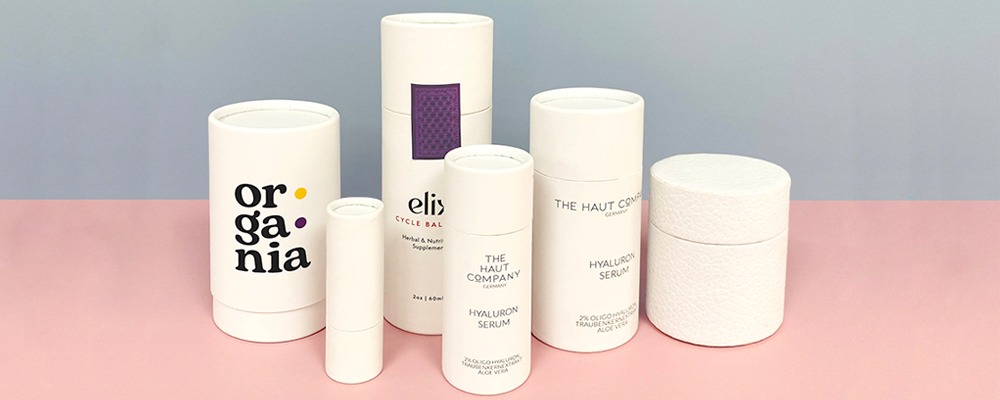
スペック主導のプレゼンテーションの好例は化粧品パッケージで、チューブにはきれいな印刷見当合わせと一貫した閉鎖感触が必要である: カスタム化粧品段ボールチューブ.
印刷は “きれいにする ”だけではない。印刷物はあなたの棚のシグナルなのだ。CMYKが濁って見えれば、あなたのブランドは低俗に見える。箔押しがずれていれば、顧客は気づく。.
高品質の紙管は、マット/グロスラミネート、ホットフォイル、エンボス/デボス、鮮明なエッジラッピングなどの安定した仕上げオプションをサポートする。.
強力なグラフィックをカバーするスタイルには、両面印刷のフォーマットをご覧ください: 両面の印刷された毛皮の釘のペーパー管の包装.
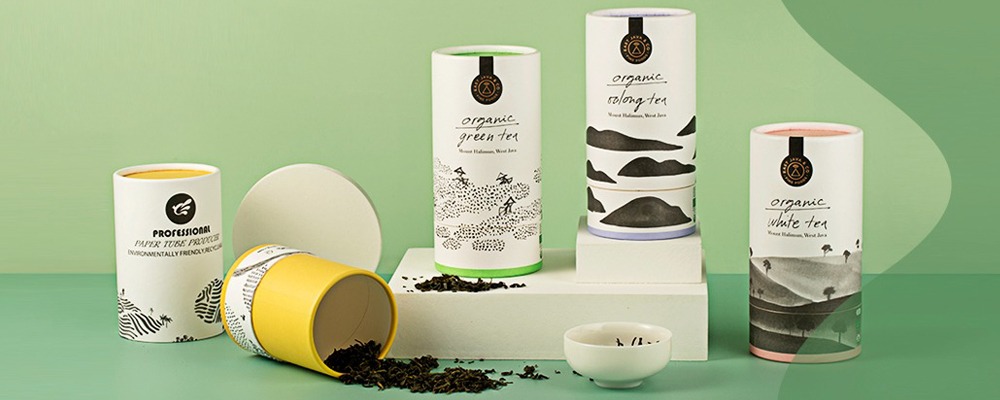
紅茶に使えるチューブは、プロテイン・パウダーには使えない。化粧品を販売するチューブは、油分の多い商品には不向きである。“目的別 ”というのは当たり前のように聞こえるが、バイヤーはいつもそれを飛ばして、出荷のせいにする。.
乾物(お茶、コーヒー、粉物)を詰める場合、湿気や臭い、固まりと戦うことになる。専用に作られた紙管は、多くの場合、バリア構造に加え、これらの問題を軽減するために、よりタイトな蓋システムを使用しています。.
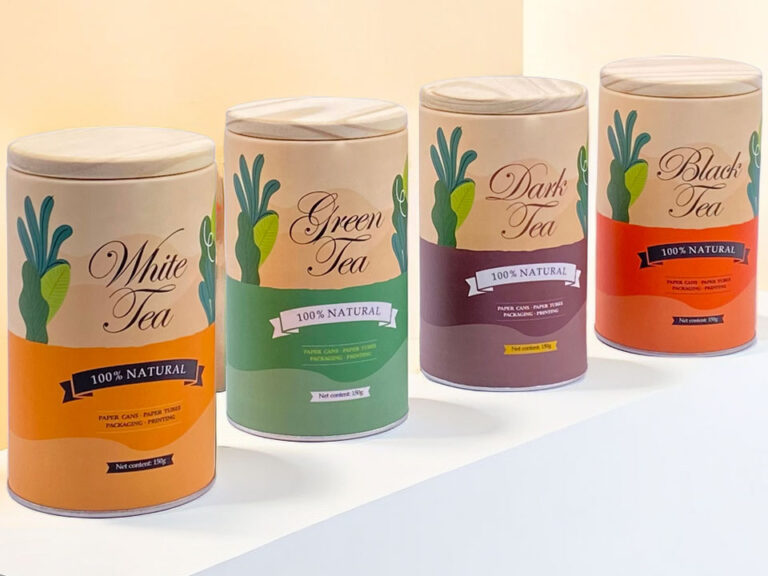
紅茶のパッケージは典型的な「目的優先」のカテゴリーである。なぜなら、香りが重要であり、消費者はクリーンで食品レベルの体験を期待しているからである。関連する構造の参考文献はこちら: ブリキ カバーとお茶の包装用クラフト紙管ボックス.
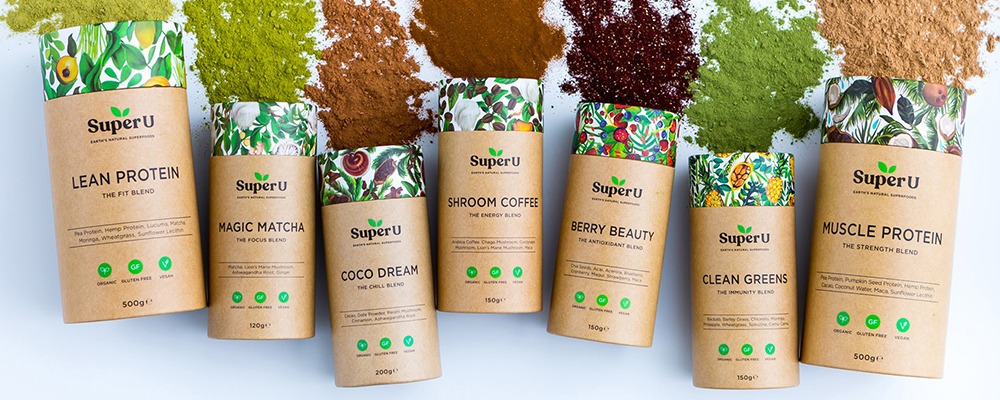
プロテインパウダーもその一つだ。輸送中に容器が揺れると、細かい粉があらゆる隙間に入り込んでしまう。もし開閉のフィット感や内部の構造が適切でなければ、カートンの中で粉が舞ったり、箱から出すときに散らかったりすることになる。この製品のシナリオはうまく合致している: プロテイン粉末包装用段ボール箱.
一部の製品は、顧客が以下のことを可能にするからである。 見る 彼ら。また、持ち運びや吊り下げがしやすいという理由で購入する人もいる。それはやはり「目的」であり、ただ小売店の行動を念頭に置いたものだ。.
アクセサリーやファッション・アイテムの場合、透明な窓と取っ手があれば、買い手が中身を推測する必要がないため、コンバージョンを向上させることができる。実践的な参考ビルドはこちら: 透明な窓および絹のハンドルが付いているヘア・バンドのためのペーパー管の包装.
卸売りカートンを出荷している人なら、積み重ねの圧力、コーナーヒット、“壊れやすい ”ラベルがあまり意味をなさない長いルートといった苦痛をすでにご存知だろう。高品質の紙管は、その円筒構造が多くの紙器よりも潰れにくいため、壁の作り方や粘着剤のコントロールが適切であれば、このような場面で威力を発揮します。.
ほとんどの丈夫なチューブは、多層の板紙巻きにかかっている。より多くの層とより良い接着は、剛性を向上させ、チューブがへこんだままではなく、スプリングバックするのを助ける。.
これは、サプリメントや高濃度の粉末のような重い充填物の場合、チューブが乱暴に扱われても製品とブランドビジュアルの両方を保護しなければならない場合に重要です。確かなシナリオの例はこうだ: プロテインパウダー包装用環境に優しい紙管.
敵はコンプレッションだけではない。擦り傷は、高級感を急速に損ないます。マスターカートンの中でチューブが擦れるなら、フルフィルメント倉庫に届いたときにアートワークの鮮度を保つ表面保護(ラミネーションなど)が必要です。.
美容やパーソナルケアを販売する場合、「完璧に届いた」瞬間はレビューに直接影響します。特にリピート注文の場合、外側の印刷+内側のきれいさは信頼を築く。印刷のカバー率について参考になるのは 両面印刷ヘアスキンネイルチューブ包装.
人は、それが役に立つと感じると、包装を維持する。それはかわいいおまけではない。机やドレッサー、キッチンの棚に置かれている、無料のブランド露出なのだ。.
チューブは、ジュエリー、ケーブル、ティーサシェ、小さな化粧品などの収納になる。その「第二の人生」は、買い手に、ただ容器にお金を払っただけではないと感じさせる。.
ジュエリー・ブランドは、チューブが贈り物の一部となるため、常にこの方法を用いている。開閉がスムーズで、仕上がりがきれいであれば、顧客は何も考えずに再利用する: シルク蝶結びジュエリー&ブレスレット紙管.
ブランド・オーナーや国境を越えた販売者にとって、多用途パッケージはSKU構築にも役立つ。同じチューブの「プラットフォーム」を維持したまま、アートワークやラベル、インサートを入れ替えることで、パック全体を刷新することなく季節ごとのドロップに対応することができる。.
これは、OEM/ODMのワークフローにとって実用的な勝利である。パッケージングの変動要因が少なくなり、生産がスムーズになり、QCの摩擦が減る。.
顧客や小売業者はより良い素材を求めるが、同時に弱い包装も嫌う。生分解性紙管は、プラスチックへの依存を減らすという両方の役割を担っている。 そして サプライチェーンを通じて製品を保護する。.
板紙やクラフト材から作られた紙管は、特に不要な混合材部分を避けることで、リサイクルの期待により沿うことができる。クリーン・ビューティー、ナチュラル・フード、ウェルネス業界のバイヤーは、通常この点について早めに質問します。.
ウェルネス・レーンでリファレンスが必要なら、このページがその方向性にぴったりだ: プロテインパウダー用環境に優しい紙管ボックス.
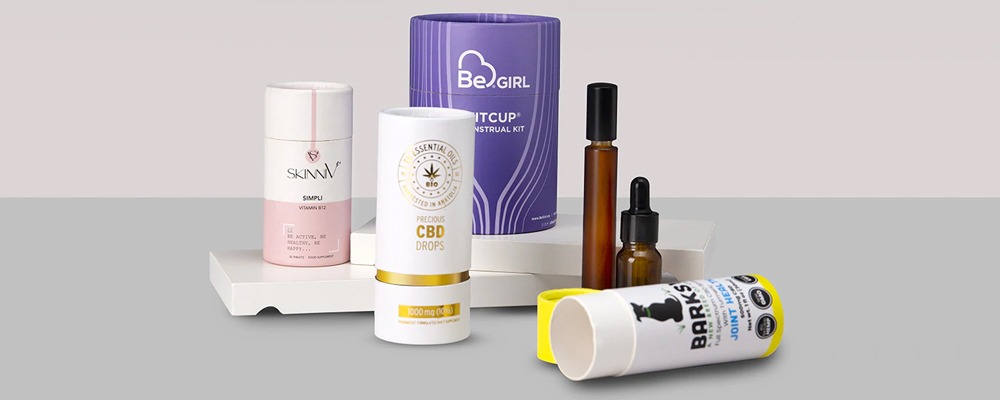
カテゴリーによっては、「エコ」以上のものが求められる。例えば、規制市場向けの小児用耐性クロージャーのような安全設計が必要なのだ。たとえあなたがそのブランドのパッケージ・バイヤーであったとしても、クロージャーが実際に手に取ったときにどのような挙動を示すかを考えなければなりません。.
関連する社内の例を挙げよう: リサイクル可能な大麻の子供の抵抗力があるペーパー管の包装箱.
サンプルを承認し、大量生産を開始する前の飛行前チェックリストとしてお使いください。.
| 確認事項 | 大量生産で重要な理由 | サプライヤーに尋ねるべきこと |
|---|---|---|
| アートワークの配置と印刷の一貫性 | バッチ間で「同じSKUで異なる外観」を避ける | 登録のための印刷証明書+QCチェックポイントを求める |
| クロージャーのフィット感(蓋の摩擦、シールの感触) | 液漏れ、ホコリ、“チープな感触 ”を抑える” | ふたの許容範囲とフィットテストをどのように管理しているかを尋ねる |
| チューブ・ウォールの構築(レイヤー、ボンディング) | へこみや輸送クレームを減らす | 肉厚オプションと耐クラッシュ性アプローチについて |
| 内部構造(ライナー、インサート、バリア) | アロマ、湿気に敏感なもの、壊れやすいものを保護する | 製品と梱包の流れを説明し、推奨される構造を尋ねる。 |
| 表面仕上げの耐久性 | カートンや倉庫での取り扱いの際の擦り傷を軽減します。 | 摩擦や指紋に最も強い仕上げは何か? |
| 生産能力とリードタイムの安定性 | プロモ時の在庫切れを防ぐ | 繁忙期における工場の処理能力とQCスタッフの配置を確認する。 |
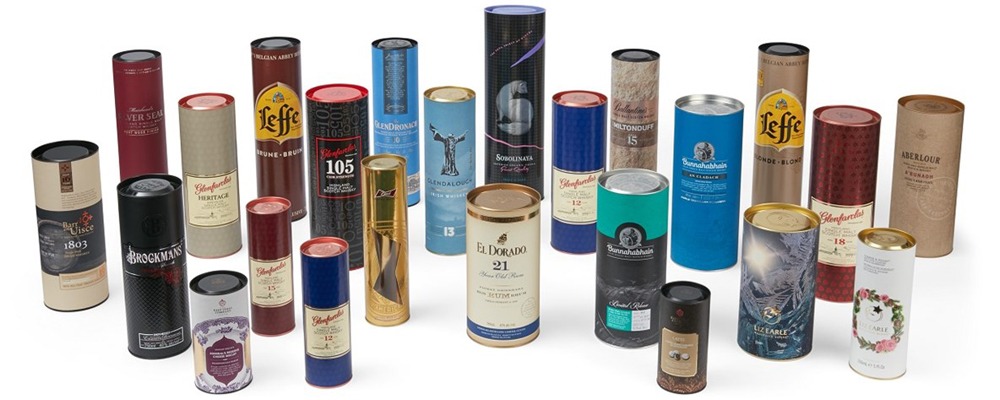
販売代理店を通じて販売する場合、「破損率」や「棚に並べたときの見栄え」を気にする。DTC販売であれば、箱開けやリピート注文を気にする。アマゾンを運営するなら、輸送の乱用やコンプライアンスに頭を悩ませることになる。.
カスタム+バルク卸売に焦点を当てるメーカーは、通常、生産管理とクリーンなパッケージング環境に投資する理由です。大容量の日次生産が可能で、近代的な食品包装の浄化ワークショップを備え、大きな倉庫のフットプリントで在庫を管理することができれば、小売業者、ブランドオーナー、越境販売業者、代理店向けに、ロット間で品質が変動することなく、安定したOEM/ODM生産をサポートすることができます。.
カテゴリーに特化したチューブビルドの場合、これらの内部リファレンスは実際の使用ケースを幅広くカバーしている: