まだ適切なパッケージング・ソリューションが見つからない?私たちの上司に相談してください。.
弊社のウェブサイトをご覧になったり、営業担当とお話になったりしても、まだ明確な道筋が見えない場合は、こちらからリクエストをお送りください。あなたのメッセージは、実現可能性、コスト、リードタイムをエグゼクティブレビューするために、私たちのゼネラルマネージャーに直接送られます。明確な次のステップ、つまり何ができるか、何が必要か、お見積もりへの最短ルートをお知らせします。.

ミニマリストのパッケージはシンプルに見える。しかし、生産現場ではそうではない。.
パターンやグラデーション、派手なグラフィックを取り除くと、あらゆる決定が見えてくる。色のズレは明白になる。中心から少しずれたロゴは、突然 “安っぽい ”と感じる。曖昧なフォントのエッジは、QAの低さを物語る。だからこそ、ミニマリスト・パッケージングは “デザインスタイル ”ではないのだ。それは 規律 それは、クリーンなクリエイティブ、タイトなプリプレス、予測可能な製造を強いるものである。.
オンラインで販売する場合は、別の仕事もある。それは、うまく写真に収め、配送に耐え、箱から出しても高級感があることだ。.
紙管の構造でパッケージを作れば、ミニマルなデザインが自然にフィットする。円筒はすでにモダンで贈答用にも適している。インサート、ライナー、クロージャーで筒の中の機能を解決しながら、外観をクリーンに保つことができる。.
売れ、出荷され、規模を拡大するミニマリストのパッケージが欲しいなら、ここから始めよう。.
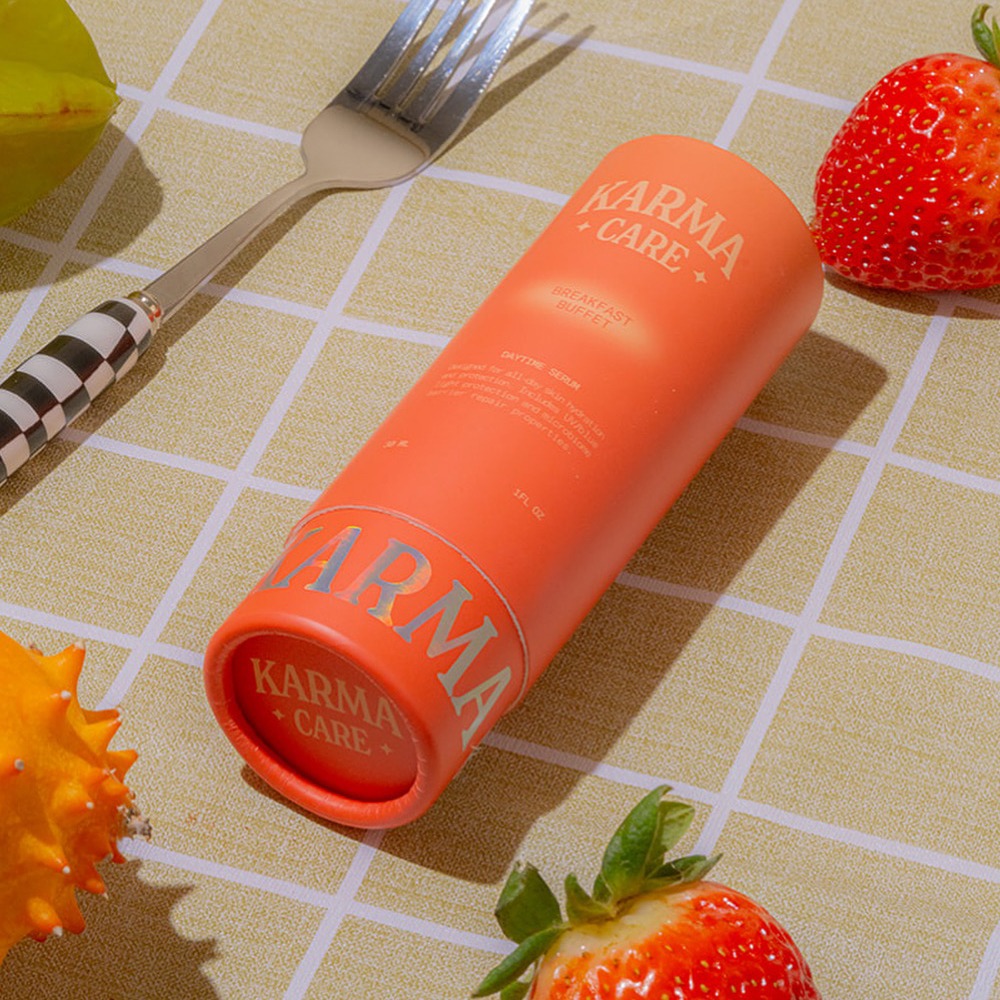
ミニマリズムが機能するのは、3つのことをコントロールするときだ:
このチートシートを使って、デザインをすっきりさせよう。 そして プロダクションセーフである。.
| 戒め | ディールラインで何をすべきか | ブランドはどこで失敗するか | 商業的に得られるもの |
|---|---|---|---|
| 限定カラーパレット | ヒーローカラー1色+ニュートラル、厳格なカラールール | 黒に近い」色調が多すぎる | よりクリーンな棚へのインパクト、より簡単なブランド・システム |
| ホワイトスペース | ヒーロー情報の周りに余裕を残す | コピーをあちこちに詰め込む “念のため” | より速く読み、より良い写真、より少ない手直し |
| タイポグラフィ | 1つのフォントファミリー、明確な階層 | 印刷に不利なファンシーフォント | 高級感があり、読みやすさへの不満が少ない |
| テクスチャー | 素材と仕上げにこだわる | 戦略なしのランダムフィニッシュ | “「タッチ・バリュー」、より強い知覚品質 |
| ロゴの配置 | 自信に満ちたロゴの位置 | ロゴは製品名と戦う | 想起しやすく、視覚的混乱が少ない |
| 機能的デザイン | 開閉、保護、コンプライアンス | 外はきれいだが、使うのは煩わしい | ダメージ率が低く、評価が高い |
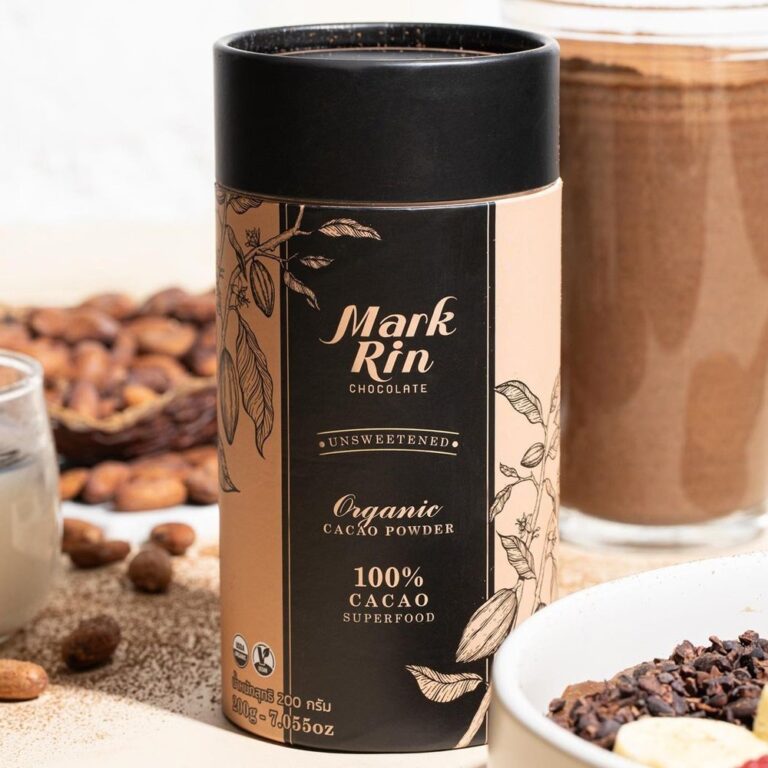
ミニマリストのパッケージは、抑制から始まる。限られたパレットは、チューブを賑やかではなく、意図的に見せる。.
制作の現実: 色が増えるごとにリスクが増える。版が増える。バンディングの可能性が増える。なぜバッチBはバッチAより暖かく見えるのか」という会話が増える。.
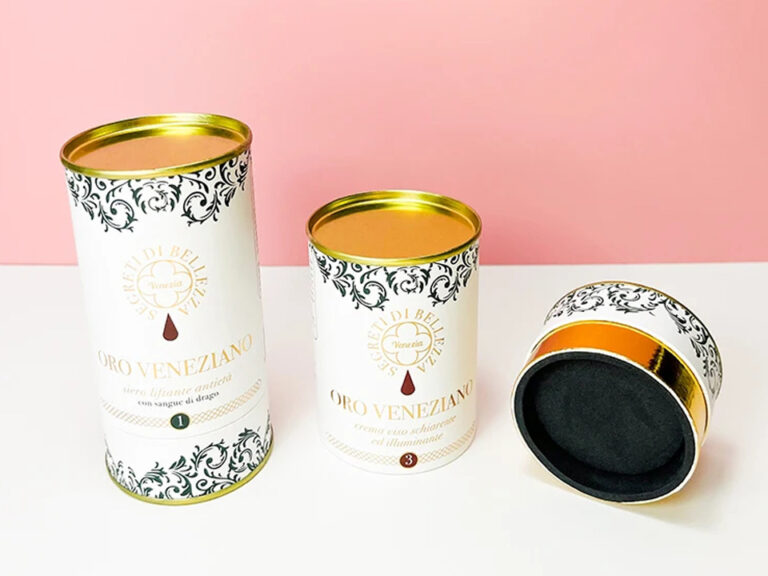
シナリオ:化粧品 スキンケアのチューブは、マットな白に黒の活字を入れ、“ビタミンC ”や “レチノール ”のアクセントに冷静さを1つ使う。それだけです。きれいな製品写真と一貫したブランド・グリッドがPDPに掲載されます。.
すでにクリーンなカラーシステムに傾倒している例がお望みなら、以下をご覧ください。 製品紹介 カタログを作成し、ムードボードの参考にする。.
ホワイトスペースは “空白 ”ではない。メッセージを素早く着地させるレイアウトツールなのだ。.
買い手がマーケットプレイスのリストをスクロールしたり、棚の前に立ったりするとき、彼らは段落を読まない。スキャンするのだ。ホワイトスペースは、彼らに見る場所を与える。.
このシンプルなルールを試してみよう: ひとつのチューブにひとつのヒーローメッセージ。.
これらを順番に並べる:
それ以外はすべて、バックラベル、インサートカード、またはインナーウォールプリントに移すことができる。.
シナリオ:お茶 お茶のバイヤーはディテールが好きだが、パックのフロントはやはり落ち着きが必要だ。チューブの表面はきれいに保ちましょう。原産地、淹れ方、QR情報などはバックパネルのラップやインサートに入れましょう。食品グレードの構造が必要な場合は、茶葉用に作られたチューブフォーマットを使えば、外側は最小限に、内側はこのように保護することができる。 茶包装用クラフト紙管.
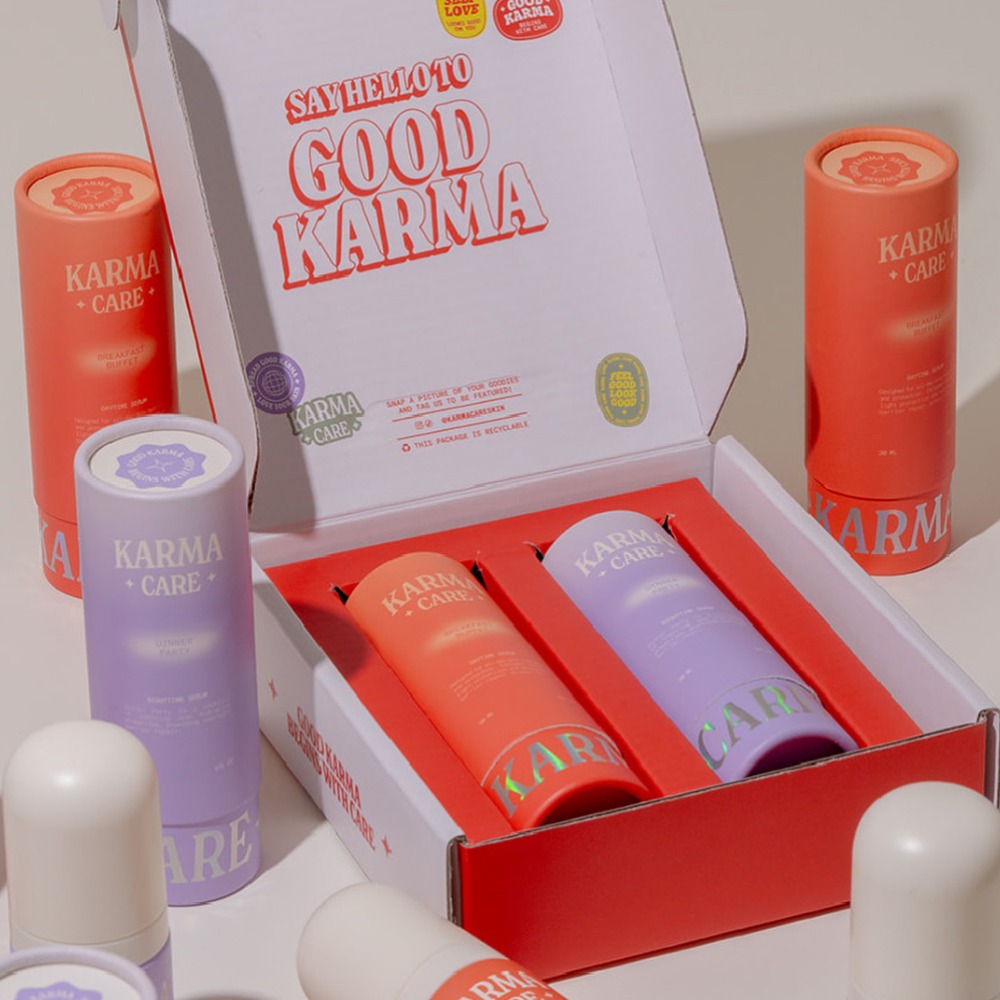
ミニマリスト・パッケージング、タイポグラフィ は あなたのグラフィックデザイン。.
つまり、イラストの陰に隠れてはいけないということだ。きれいに印刷され、速く読め、ブランドのトーンを保つ活字が必要なのだ。.
タイポグラフィをUIのように使う:
フォントシステムはシンプルに。1つのファミリー、2つのウェイト、一貫した間隔。ローカライズしたり、SKUを増やしたり、季節限定版を追加したりするときに、自分自身に感謝することになるだろう。.
シナリオ:ヘアアクセサリー/ビューティーアクセサリー 商品が小さいと、チューブが広告塔になる。クリーンな活字と小さな表示窓は、明快さとミニマリズムのバランスをとることができる。こんな構造 透明窓と取っ手の付いた紙管 デザインが混雑することなく、「製品を見たい」場合に効果的だ。.
ミニマリストのパッケージは、無地の表面に無地のラベルを貼るように扱うと、平坦に感じられることがある。.
テクスチャーはそれを解決する。視覚的なノイズを加えることなく、プレミアムなシグナルを追加する。.
ヒーロー・フィニッシュ」を1つ選び、コミットする:
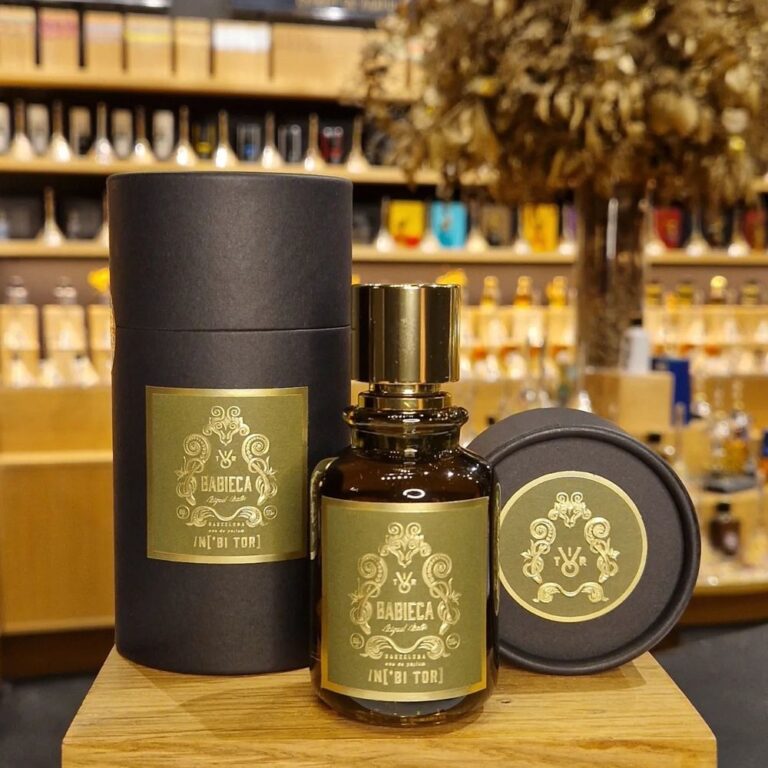
シナリオ:ジュエリー ジュエリーのパッケージには派手なグラフィックは必要ない。必要なのは、ギフトにふさわしい手触りと、顧客が手に取ったときの触感です。ソフトな仕上げでシンプルなリボンをあしらったクリーンなチューブなら、ごちゃごちゃせずに「記念品」の雰囲気を出すことができる。そのスタイルの参考になるのがこちら: マット ホワイト ペーパー チューブ ボックス ジュエリー.
ロゴの配置は基本的なことのように聞こえるが、ミニマリスト・ブランドが勝つか負けるかはここにある。.
ロゴをあちこちに配置すれば、自信があるようには見えない。ロゴを隠せば、想起されなくなる。.
主な配置は1つ:
そして、商品ライン全体で一貫性を保ちましょう。特に越境ECの場合、顧客が最初にサムネイルで御社を目にする可能性があります。.
シナリオ:複数SKUブランド もし20のSKUを扱っているのであれば、ロゴシステムは固定されたままであるべきです。バリアントの手がかり(小さなカラーバンド、短い説明文、シンプルなアイコンセット)だけを変更しましょう。こうすることで、小売店にとってはマーチャンダイジングが容易になり、印刷物のガバナンスもシンプルになります。.
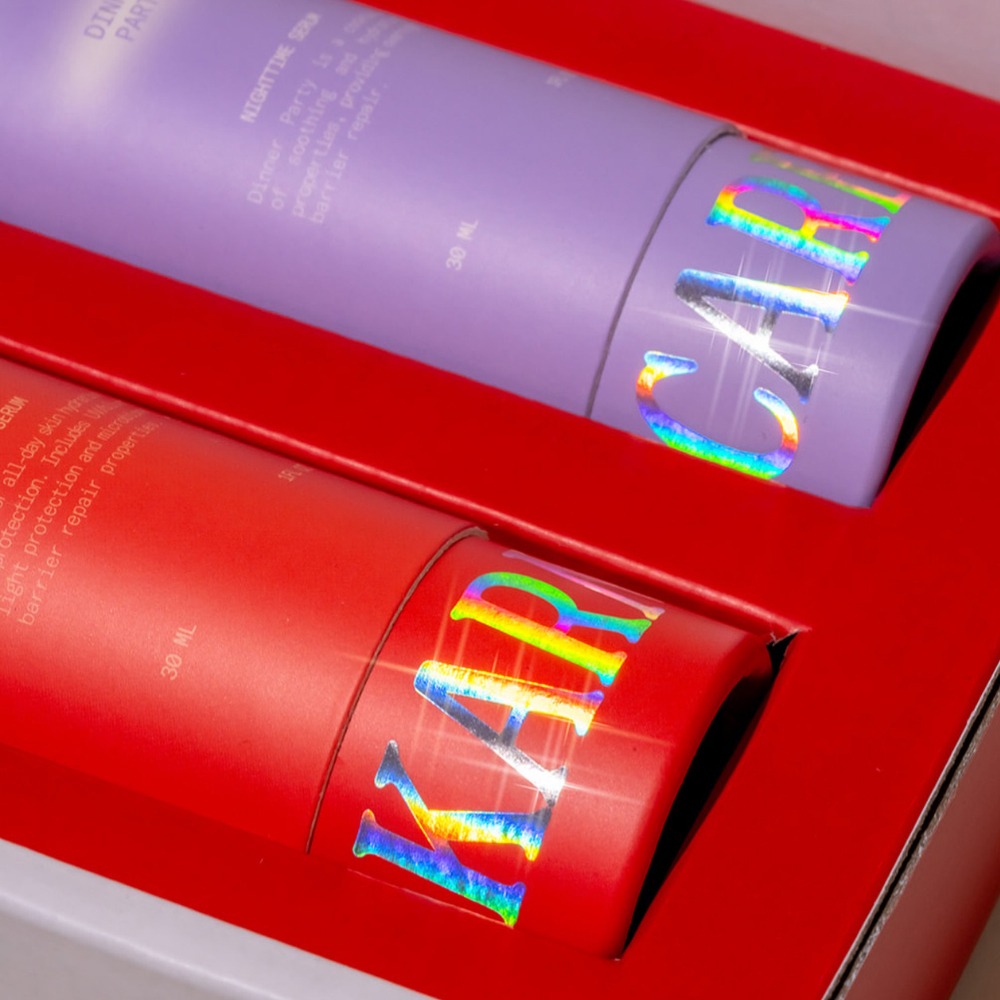
ミニマリストのパッケージは、やはり実生活で機能しなければならない。顧客は美しさよりも機能を早く判断する。蓋がくっついたら、そのことを覚えている。輸送中にチューブがへこめば、文句を言う。.
機能設計はまた、マージンを守る場でもある。破損や返品、手戻りを減らすことができます。.
本番第一のチェックに集中すること:
シナリオ:大麻とCBD ミニマルなパッケージが大麻で一般的なのは、それが “クリーン ”で “プレミアム ”であることを示すからだ。同時に、コンプライアンスと小児への配慮はオプションではありえない。コンプライアンスに準拠した構造が必要な場合は、次のような形式を検討してください。 チャイルド・レジスタンス紙管包装 といったCBDに特化したオプションがある。 CBDカートリッジ用紙管箱. .外観を落ち着かせてから、閉鎖システムと内部部品で安全性を解決する。.
シナリオ:プロテインパウダー パウダーは、バリア思考、清潔なラベリング、出荷時の丈夫さを必要とします。チューブは、特に適切なインナーライナーとクロージャーを指定した場合、高級感を提供し、製品を保護することができます。参考フォーマットはこちら: プロテインパウダー包装用紙管.
メーカーが大量生産の現実を理解すれば、ミニマリスト・パッケージングは容易になる。.
必要なのは、きれいなレンダリングだけではありません。OEM/ODMプログラムを実行し、卸売注文全体で印刷の一貫性を保ち、規模を拡大してもリードタイムを予測可能なベンダーが必要です。.
カテゴリーを超えたミニマリスト・ブランディングをチューブ・フォーマットがどのようにサポートしているかを見たいなら、トップページから見てほしい: トップカスタム紙管ボックスメーカー.
バイヤーによって異なるミニマリスト・チューブの使い方を紹介しよう:
| バイヤータイプ | 彼らが気にかけていること | 早めの仕様決定 |
|---|---|---|
| ブランドオーナー | ブランドの一貫性、高級感 | カラールール、ロゴロックアップ、仕上げの選択 |
| 越境ECセラー | 写真、開封、ダメージコントロール | ホワイトスペースレイアウト、トランジットプロテクション、イージーオープン |
| 流通業者/卸売業者 | バッチ間の再現性 | 安定したスペック、明確なQAチェックポイント、少ないバリエーション |
| デザイン会社 | ディライン、仕上げ、実現可能性 | 印刷公差、材料見本、サンプリング計画 |
| 契約パッカー | ライン効率 | 簡単な組み立て、安定したクロージャーフィット、スキャン可能なラベル |
ミニマリズムは “仕事を減らす ”という意味ではない。容赦が少ないということだ。しかし、それを正しく構築すれば、高級に見え、SKUを越えて拡張でき、あらゆるチャネルでオン・ブランドであり続けるパッケージを手に入れることができる。.