まだ適切なパッケージング・ソリューションが見つからない?私たちの上司に相談してください。.
弊社のウェブサイトをご覧になったり、営業担当とお話になったりしても、まだ明確な道筋が見えない場合は、こちらからリクエストをお送りください。あなたのメッセージは、実現可能性、コスト、リードタイムをエグゼクティブレビューするために、私たちのゼネラルマネージャーに直接送られます。明確な次のステップ、つまり何ができるか、何が必要か、お見積もりへの最短ルートをお知らせします。.

環境にやさしいパッケージは、それを証明するまでは簡単なことのように聞こえます。バイヤーは “紙ですか?”と聞くだけではありません。と聞くのだ。 実生活でリサイクル, もし 材料リスト プラスチック, そして、その “グリーン ”の主張がコンプライアンス審査に耐えられるかどうか。.
マーケットプレイスでの販売、小売ブランドの運営、店舗への卸売、またはOEM/ODMの大量調達の場合、アートワーク、MOQ、生産枠を確定する前に紙管パッケージをスクリーニングする迅速な方法が必要です。このガイドでは、パッケージング・チームが行うのと同じ中核的なチェックを紹介し、工場に質問して書類で確認できる実践的な質問に変えます。.
製品例については 紙管包装カタログ のような一般的な構造を比較する。 化粧品チューブ包装 または チャイルド・レジスタンス紙管包装 .
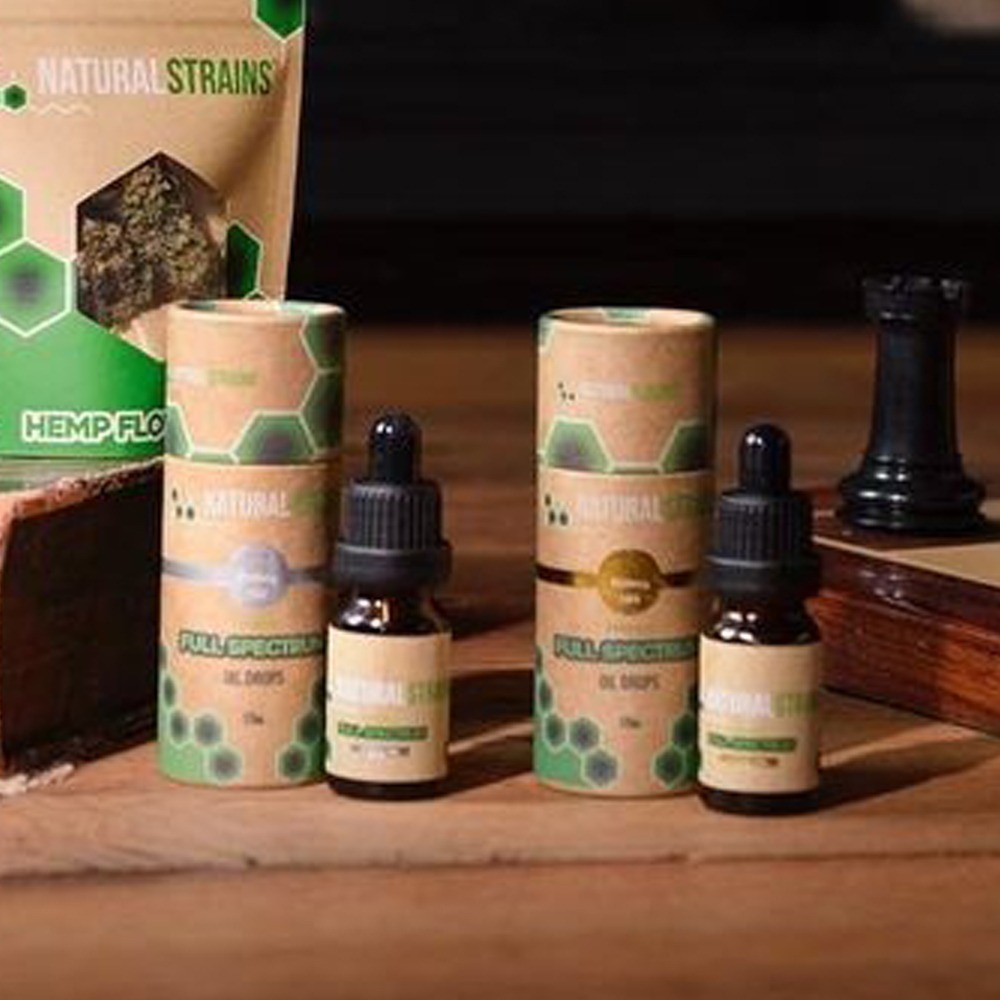
ほとんどのブランドは、リサイクルの段階で「エコ」ストーリーの勝敗を決める。紙管は、紙+フィルム+重いコーティング+面倒な接着剤というサンドイッチのような構造であれば、依然としてゴミになる可能性がある。.
調達チームが通常求めているのは リサイクル適合性, 単なる “外側の紙 ”ではない。”
サンプリング前にこのクイックスクリーンを使用する:
ここでは、ベンダーの資格認定時にバイヤーの反発を招く問題を紹介する:
大量に小売店へ出荷する場合、リサイクル可能であることは、小売店を保護することにもなる。 損害率と返品. .チューブは、多くの折りたたみカートンよりもつぶれにくいので、プラスチックのクラムシェルの領域に飛び込むことなく、「凹んで届いた」という苦情を減らすことができる。.
生分解性は、マーケティング・コピーでは素晴らしい響きを持つが、バイヤーはしばしば誤解する。紙管は生分解するが、バリア層やプラスチック・ライナーひとつで結果が変わってしまう。.
スローガンではなく、レイヤーで考える。.
簡単な材料内訳(BOMスタイルのリスト)を要求する。知りたいのは
実際の調達の会話では、生分解性は次のようなトレードオフになる。 バリア性能. .お茶、サプリメント、化粧品の場合、チューブはまず製品を保護しなければならない。そうでなければ、賞味期限の問題、漏れ、臭いの損失、「粉が固まった」という苦情が発生する。必要なバリアだけを使用し、リサイクルの頭痛の種となる余分な層は使用しない。.
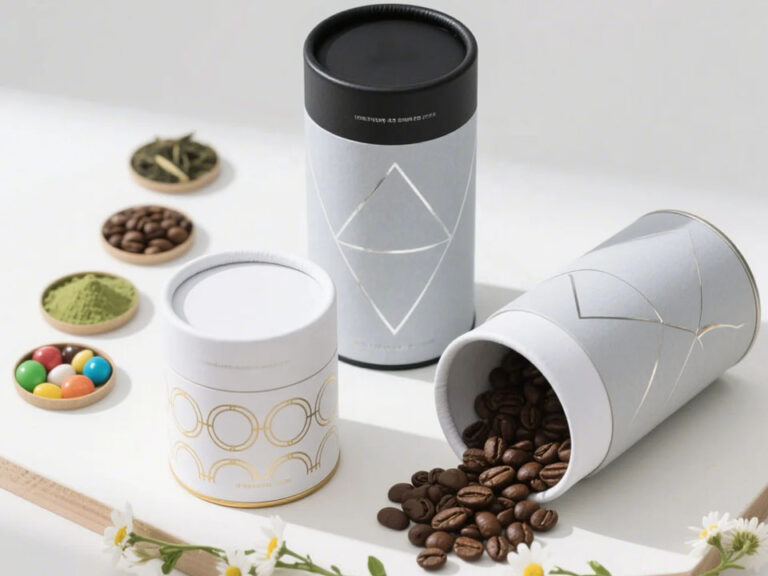
食品に隣接する製品を包装する場合は、より頑丈なクロージャーを備えたクラフトチューブのような構造に注目してください(例えば、お茶用の金属蓋付きチューブ)。一般的な包装形態はこちら 茶包装紙管 .
多くのブランドが見逃している部分がここにある: 生分解性=堆肥化可能ではない.
堆肥化可能性は通常、特定の環境、期間、試験方法を必要とする。コンポスタブル(堆肥化可能)」とパッケージに印刷する場合、バイヤーや規制当局が期待するのは、推測ではなく証拠であることが多い。.
クレームは清潔かつ具体的に:
チューブに堆肥化可能なライナーやコーティングが使用されている場合は、その旨を尋ねてください:
実用的なヒント:多くのブランドは「コンポスタブル」を必要としていない。必要なのは リサイクル可能+低プラスチック含有+文書化された調達先. .このコンボは、既存の廃棄習慣にマッチしているため、通常、小売店にはよく売れる。.
印刷の選択は、環境目標をひそかに損なうことがある。インクや仕上げによっては、特に高級感を出すためにチューブにフラッドコーティングを施した場合、コンプライアンス上の問題やリサイクルの問題が生じます。.
パッケージング・チームは通常、次のようなものを探す:
これは単なる “緑の話 ”ではない。これはまた、オペレーション上の問題でもある。よりクリーンなインク/仕上げの決定は、多くの場合、よりスムーズな生産、より少ない印刷欠陥、QC中の手戻りの減少を意味します。その結果、規模を拡大してもリードタイムを安定させることができます。.
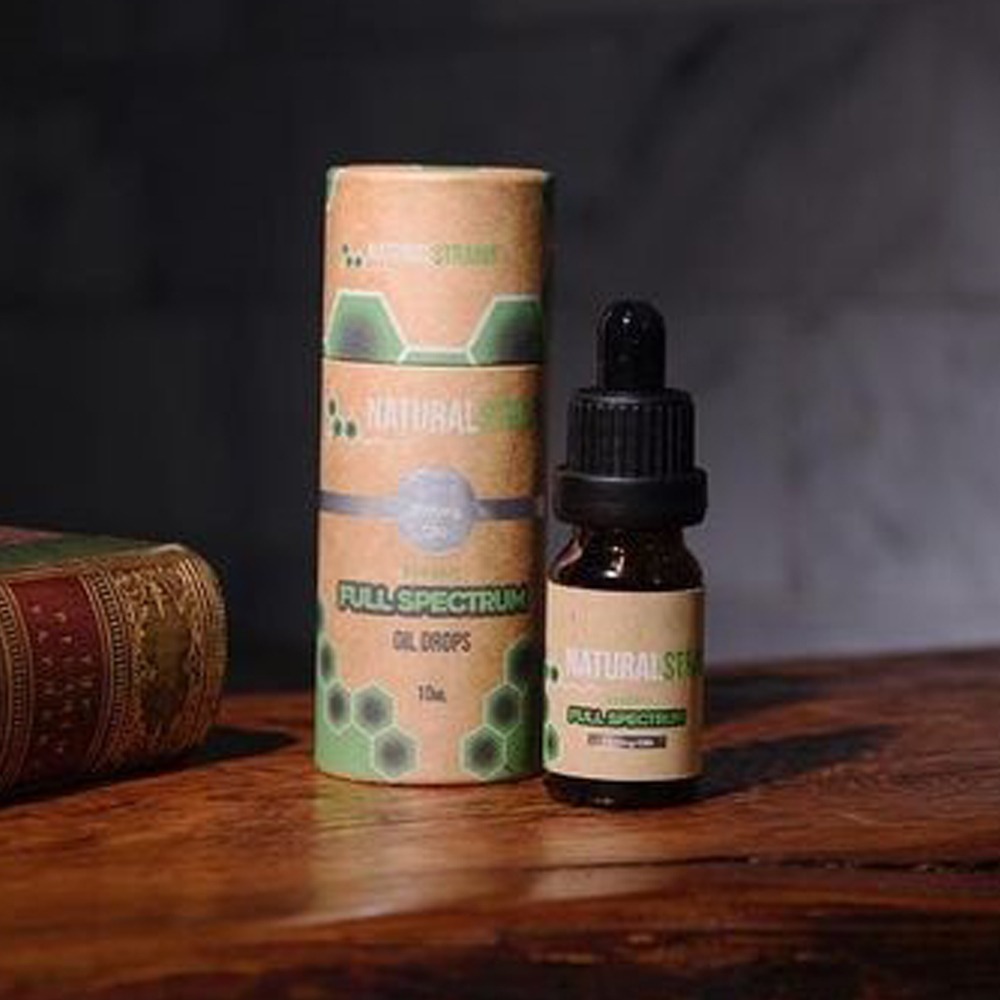
2つのフォーマットを比較するのであれば、チューブかフォールディング・カートンか、それともブリキか。.
LCAの考え方を使うのに膨大なレポートは必要ない。一貫したルールが必要なだけだ。.
選択肢を評価するときは、足並みをそろえること:
このアプローチは、社内での論争を減らす。また、「エビデンスに基づいたパッケージの選択」を求めてくる小売バイヤーに対して、特に規制のあるカテゴリーや審査の厳しいカテゴリーでの決定を守るのにも役立つ。.
ソーシングとは、エコの意図を証明に変えることです。バイヤーは、形容詞よりも文書を信頼します。.
小売業者、流通業者、大手ブランドなどに販売する場合は、そのような要求が予想される:
確かな「監査対応」パックには通常、以下のものが含まれる:
トレーサビリティは、商業的側面も保護します。一貫した調達と安定したスペックを示すことができれば、突然の材料変更によって色ズレやフィット感の問題、クロージャーの不具合が発生するリスクを減らすことができます。これは大量注文やリピート生産にとって重要なことです。.
この表は、サプライヤーと新しいチューブ構造を検討する際に使用する。会話を技術的なものに保ち、あいまいな約束を防ぐことができます。.
| 評価項目 | チェックポイント | 証拠として何を要求するか | スキップした場合のリスク | 良い」とはどのようなものか |
|---|---|---|---|---|
| リサイクル性 | 部品の分離は早いか?フィルム層は? | 構成部品リスト+組み立てノート+分解サンプル写真 | グリーンウォッシングの主張、小売業者の拒絶 | シンプルな構造、取り外し可能なアドオン |
| 生分解性 | ヒドゥン・ライナー、バリア・コーティング、重厚な仕上げ | 全材料内訳(紙/コート/ライナー/インク/接着剤) | “紙 ”を売りにしているが、複合材は出荷している | 必要最小限のバリア |
| 堆肥化性 | “コンポスタブル ”は実際にテストに裏付けされたものなのか? | 証明書/試験報告書+クレーム範囲(産業用と家庭用) | コンプライアンスとラベリングリスク | クレームが文書化された基準と一致 |
| インクと印刷 | インクシステム、仕上げ層、カバー率 | インク/仕上げの仕様書+必要であればコンプライアンス文書 | 臭気移転、リサイクル問題、QCの頭痛の種 | 可能な限り低VOCオプション、管理された適用範囲 |
| ライフサイクルアセスメント(LCA) | 前年同月比パフォーマンスを比較する | LCAの概要または少なくとも一貫性のある比較範囲 | 偏った決定、弱いバイヤーの物語 | 同じ機能単位+明確な境界 |
| 調達とトレーサビリティ | 繊維源と連鎖制御 | トレーサビリティ文書+サプライヤー宣言 | ブランド信頼リスク、供給の不安定性 | 文書化されたソーシング+安定したスペック管理 |
エコの選択は万能ではない。ジュエリーに最適なチューブは、紅茶には不向きかもしれません。開発で使える実用的なマッピングを紹介しよう。.
| 製品シナリオ | チューブがすべきこと | 環境に配慮した構造の選択 | 一括OEM/ODM注文の注意事項 |
|---|---|---|---|
| 化粧品 | 傷から守り、棚の上でプレミアムに見える | 紙優先のチューブで仕上げをコントロール | で一般的なフォーマットを参照。 化粧品チューブ包装 |
| 紅茶 | 香りを保持し、湿気に強い | クラフトチューブ+頑丈なクロージャー | 例 茶包装紙管 |
| プロテイン・パウダー/サプリメント | バリアコントロール、ハンドリング耐久性 | 適切なライナーを備えたチューブ(オーバービルトではない) | 例 プロテインパウダー紙管 |
| CBDカートリッジ | タンパーキュー、フィットの安定性 | 安定した公差のチューブ | 例 CBDカートリッジ紙管 |
| 大麻(小児用) | 耐小児機能+コンプライアンスへの期待 | スペック管理を文書化した小児用チューブ | 例 チャイルド・レジスタンス紙管包装 |
| ジュエリー | プレゼンテーション+輸送時の耐圧潰性 | 紙管+クリーンインサート、最小限の混合素材 | 例 ジュエリー用紙管ボックス |
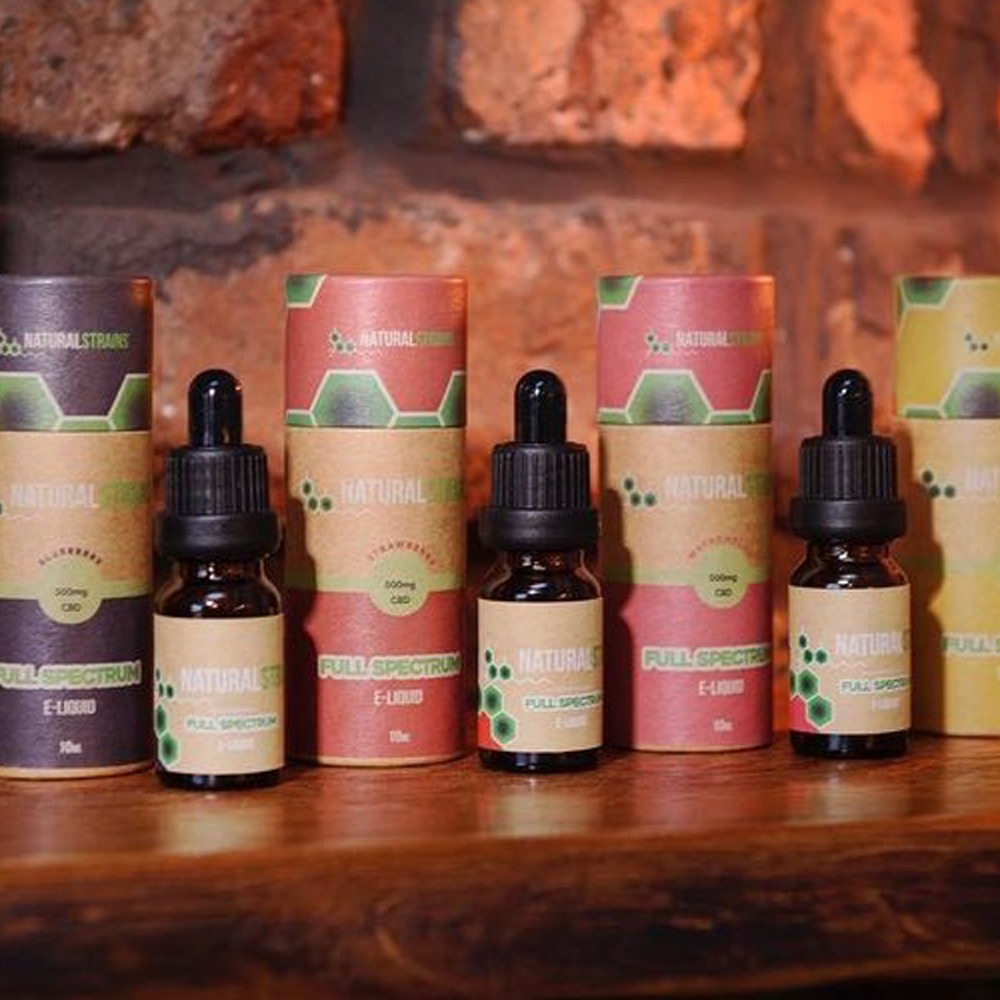
環境に配慮したパッケージは、ビジネス上の課題も解決することで、よりよく売れる:
大規模な調達を行う場合、サプライヤーの生産規律は設計と同じくらい重要です。近代的な食品包装の精製工場、大規模な倉庫、そして1日の生産量の多さは、通常、よりスムーズなバッチ処理、より優れたインラインQC、そしてキャンペーン時に「在庫がなくなった」という事態の減少につながります。.
構造物を素早く調べるには、サイトのトップページから始めよう: トップカスタム紙管ボックスメーカー.