ポップアップ・フォーム

まだ適切なパッケージング・ソリューションが見つからない?私たちの上司に相談してください。.

弊社のウェブサイトをご覧になったり、営業担当とお話になったりしても、まだ明確な道筋が見えない場合は、こちらからリクエストをお送りください。あなたのメッセージは、実現可能性、コスト、リードタイムをエグゼクティブレビューするために、私たちのゼネラルマネージャーに直接送られます。明確な次のステップ、つまり何ができるか、何が必要か、お見積もりへの最短ルートをお知らせします。.

  • 仕様、ユースケース、制約をGMが直接レビュー
  • サイズ+構造チェック:直径、高さ、壁強度、インサート
  • ブランド+予算に合わせた印刷/仕上げの提案
  • コストダウンの選択肢とリードタイム改善の選択肢
  • 見積もりパスの明確化:MOQ、サンプリング計画、次に何をすべきか
リース・ペン
ボスと話す
ポップアップ・フォーム

カスタム紙管包装の迅速な見積もりを得る

パッケージング・マネージャー、調達、パッケージング・エンジニア向け。サイズ、数量、仕上げを指定すると、米国/欧州プログラム向けの要求価格、リードタイム、仕様ガイダンスが表示されます。.

  • 直径、高さ、肉厚、インサート、ライナー、クロージャーのカスタマイズが可能。
  • プレミアム仕上げ:CMYK/パントン、フォイル、エンボス、UV
  • 明確な調達:明確なスペック+QC+DFMガイダンス
  • 持続可能:ご要望に応じてFSC®紙を提供
  • 小児用:ISO 8317 / PPPAに準拠した設計
リース・ペン
パッケージング・エンジニアに聞く

紙管包装によるリサイクル促進4つの方法

People don’t skip recycling because they’re lazy. Most of the time, they’re just unsure. The packaging looks “eco,” but the disposal path feels fuzzy. One wrong guess, and your tube ends up as contamination.

Paper tube packaging gives you a real advantage. It’s sturdy, premium on shelf, and usually easier for consumers to understand than mixed-material packs. The trick is to make recycling the default behavior, not a “maybe.”

Before we jump in, here’s a quick map of the four methods (and what they fix).

MethodWhat you change on the paper tubeWhat the customer doesWhat it solves for your brand
Method 1Recyclable materials + easy-to-separate structureTosses it confidently, fewer mistakesLess confusion, cleaner recycling stream
Method 2Clear recycling labels placed where eyes landRecognizes the right action fastFewer “Can I recycle this?” complaints
Method 3Material identification + disposal instructionsSeparates parts and sorts correctlyLower contamination risk, better compliance story
Method 4QR code recycling instructionsScans for local rules and stepsHandles multi-market differences without clutter

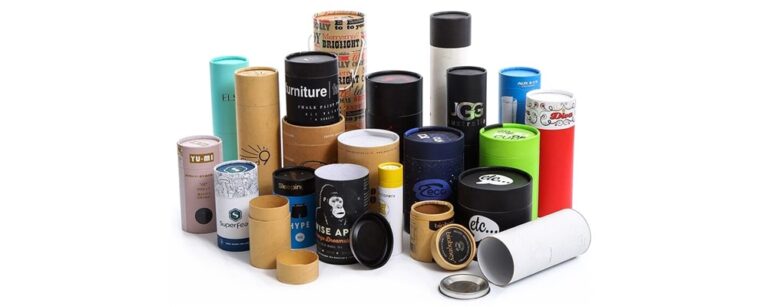
For product examples, you can browse カスタム紙管ボックス and see different tube formats and closures in one place.

紙管包装によるリサイクル

Why recycling fails with packaging (and how paper tube packaging helps)

Recycling breaks down at three points:

  • The pack uses mixed materials that don’t separate cleanly.
  • The label is vague (“eco-friendly” isn’t an instruction).
  • The disposal steps change by region, so people default to trash.

Paper tube packaging can dodge a lot of this. You can keep the main body paper-based, reduce plastic parts, and print clean instructions directly on the surface. That’s the whole play: make it obvious, make it easy, make it consistent.

If you’re building a scalable program (retail + DTC + distributors), start with repeatable packaging rules. Then lock them into your dieline and artwork checklist.

Method 1: Design recyclable paper tube packaging materials

You can’t “label” your way out of a bad structure. If a tube uses a plastic film wrap, a glued-in liner, and a mixed closure, consumers won’t disassemble it. They’ll toss the whole thing.

Mono-material paperboard structure

A simple build wins:

  • Paperboard tube body
  • Paperboard base
  • Minimal inner components
  • Easy-open closure that doesn’t create a parts explosion

This matters in real-world scenes. A subscription customer opens your tube over a kitchen counter. They’ll keep what’s easy and bin what’s annoying. If the pack feels like a puzzle, they won’t bother.

Avoid mixed materials and plastic films

Here’s the quiet killer: small “premium upgrades” that wreck recyclability.

  • Full-body plastic film lamination
  • Permanent clear windows
  • Hard-to-remove glue lines
  • Multi-layer liners that can’t be separated

If you need barrier performance (tea, powders, oils), you still have options. You can push for better separation design, so the customer can remove the inner piece quickly and recycle the outer tube confidently.

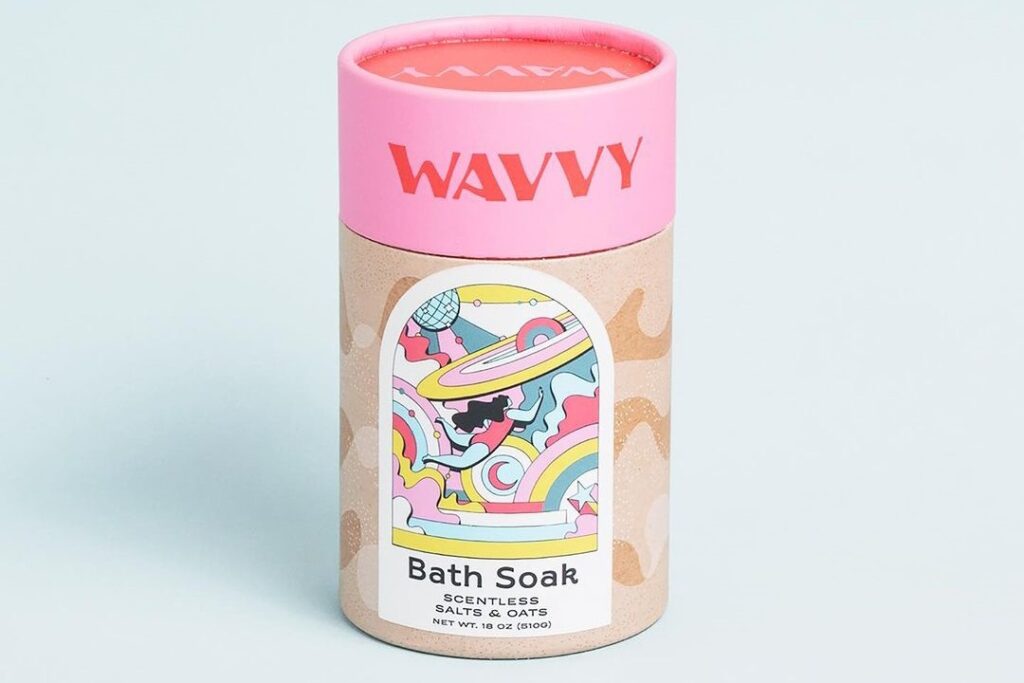
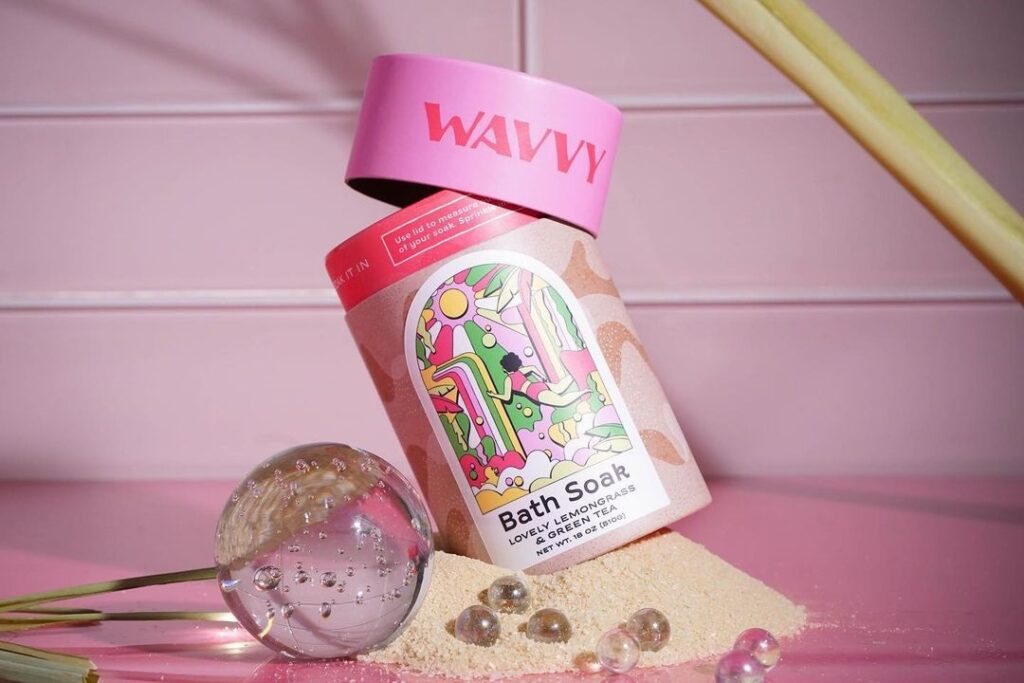
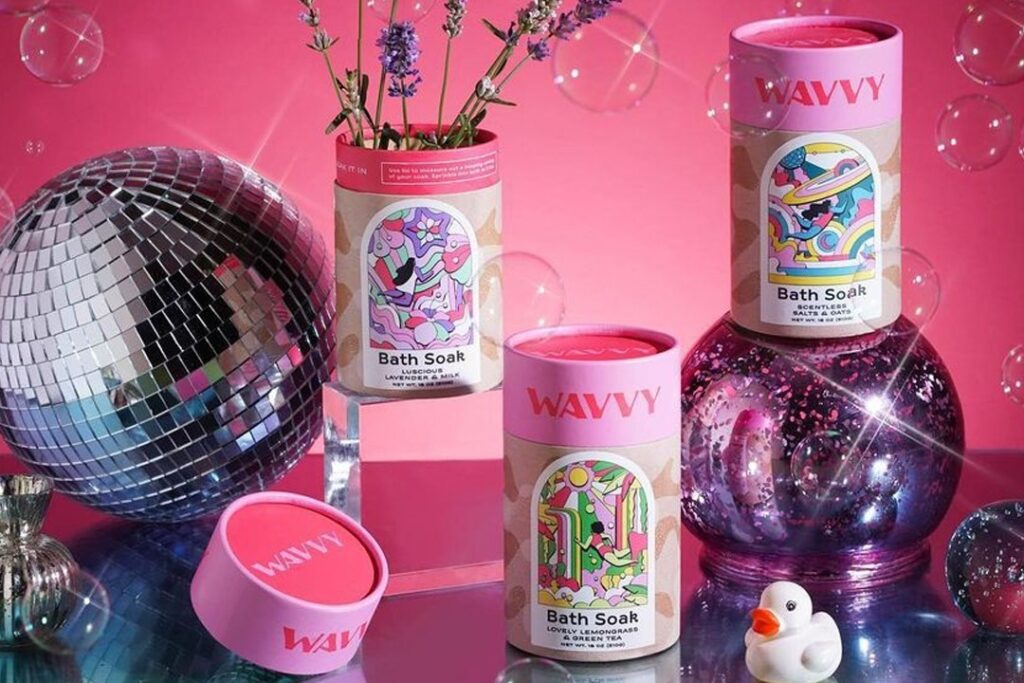
Example scenes:

Method 2: Use clear recycling labels on paper tube packaging

Most packaging fails because the instruction is either missing, hidden, or overloaded with icons no one reads.

Your label needs to work in two seconds. That’s it.

Front-of-pack recycling label placement

Don’t bury recycling info under the base flap or inside the lid. Put it where hands and eyes naturally go:

  • Near the opening edge
  • On the back panel zone (like a “how to use” area)
  • On the bottom, only if you repeat it somewhere visible

A good rule: if you can’t spot the recycling cue while holding the tube at chest height, it’s too hidden.

Simple wording and icons

Keep the copy short and blunt. Avoid marketing language.

Good:

  • “Paper tube: Recycle”
  • “Remove lid before recycling”
  • “Separate inner liner”

Not helpful:

  • “Eco package”
  • “Green choice”
  • “Sustainable materials” (without instructions)

If you ship across markets, don’t cram 8 languages on the tube. Use a clean English line + a QR code (Method 4) for localized steps.

紙管包装によるリサイクル

Method 3: Material identification and disposal instructions

This method is the bridge between “it should recycle” and “it actually gets recycled.”

Paper tube packaging often includes extras:

  • metal lid
  • tinplate cover
  • inner sleeve
  • foam insert
  • shrink bands
  • tamper seals

If you don’t call out those parts, customers toss everything together.

Separate components: metal lids, inserts, windows

Use a simple “parts list” style instruction:

  • Tube body: recycle
  • Lid: recycle / dispose (depends on material)
  • 挿入: recycle / dispose
  • Seal: remove before recycling

You can also add a tiny visual cue: “1, 2, 3” steps printed on the tube body. That reduces decision fatigue.

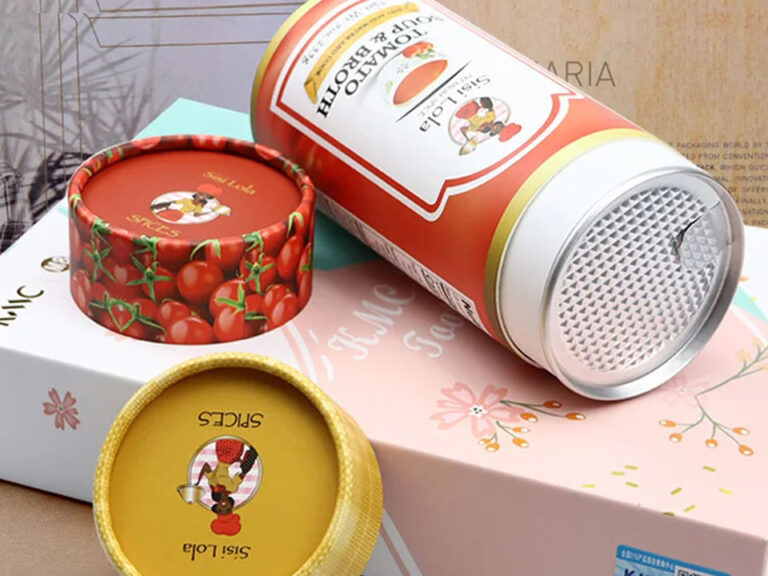
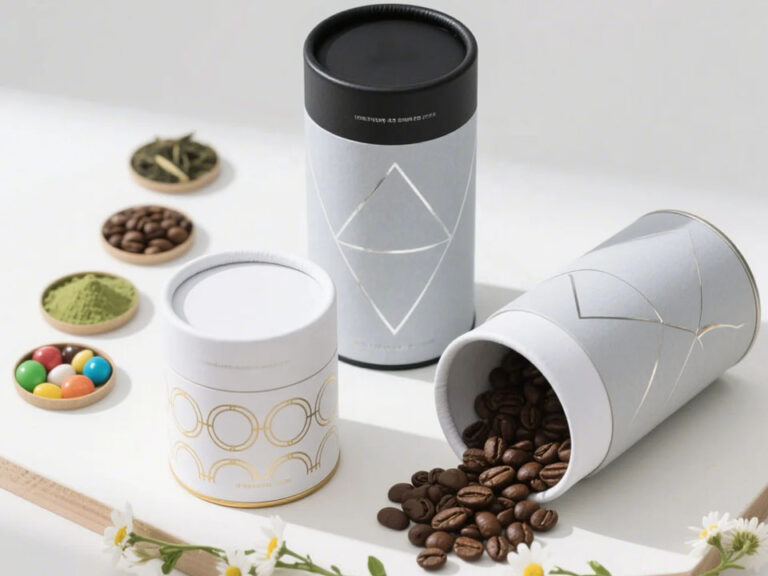
Real scene: tea packaging often uses a metal closure for freshness and a premium feel. If you choose that route, label it clearly and make it easy to separate. A product scene like this tea paper tube packaging with tinplate cover makes the “separate lid / recycle tube” message especially important.

Retail and e-commerce disposal scenarios

Disposal behavior changes by channel.

Retail shelf

  • Customer opens it once, keeps it on a vanity or kitchen shelf
  • The pack survives longer, so instructions need to stay readable (no low-contrast text)

E-commerce / fulfillment

  • Customer opens it during an unboxing moment
  • If you include extra fillers, they’ll dump everything fast
  • You need a clear “what goes where” message on top of the pack, not buried

If you sell regulated categories, clarity matters even more. In cannabis and CBD scenes, customers often keep the product, then toss packaging later. A tube like リサイクル可能な大麻の子供の抵抗力があるペーパー管の包装 can support compliance needs, but the recycling path still depends on clear part-by-part guidance.

Method 4: QR code recycling instructions for paper tube packaging

Different countries and cities follow different rules. Even within the same country, curbside rules vary. You can’t print every local rule on a tube without turning it into a textbook.

A QR code keeps the packaging clean and still gives customers a clear next step.

Localized recycling pages

Set up one recycling page, then route by region:

  • US/CA: curbside notes
  • EU: local sorting variations
  • UK: component-by-component guidance
  • Middle East / SEA: drop-off instructions if curbside isn’t standard

On the page, keep it practical:

  • 3 steps max
  • A photo of the tube + labeled parts
  • A short FAQ: “What if my city doesn’t accept this?”

Post-purchase support and brand trust

QR isn’t only “recycling info.” It’s also support:

  • “How to separate the lid”
  • “How to remove the insert cleanly”
  • “How to reuse the tube” (storage, refills, organizers)

That last part matters for brand value. When customers reuse the tube, your brand stays visible longer. That’s extra impressions without extra ad spend.

If you sell CBD hardware, part separation can confuse customers. A product scene like CBDカートリッジ用紙管箱 benefits from QR-based “how to dispose” guidance, especially across cross-border shipments.

A practical “recyclability spec” you can hand to your packaging team

If you want this to scale, treat recyclability like a spec sheet, not a slogan.

スペック項目What to standardizeWhat to check before mass production
StructurePaper-forward tube body + easy separationCan a customer separate parts in under 10 seconds?
MaterialsLimit mixed materialsDoes any part feel “stuck forever” (films, liners, windows)?
PrintLegible recycling languageIs the recycling cue readable in low light and small size?
Label placementVisible without opening the tubeCan you spot it while holding the pack normally?
QR routingLocalized instructionsDoes the QR open fast and land on the right region page?
紙管包装によるリサイクル

How this ties to bulk orders, OEM/ODM, and commercial value

If you sell wholesale or do OEM/ODM, you already know the pain points:

  • distributors want consistency
  • platforms flag vague eco claims
  • brands don’t want customer support tickets about disposal
  • packaging needs to survive shipping and still look premium

That’s where paper tubes shine. They protect product, look high-end, and can carry clear disposal cues without extra labels.

And if your supply chain needs volume, capacity matters. Your SEO info sets the expectation: a modern food packaging purification workshop, a 12,300 m² warehouse, and average daily output above 300,000 pieces. That scale helps brands keep packaging consistent across launches and reorders.

If you want ideas across categories, start at the 製品カタログ and shortlist tube styles by your channel: retail shelf, subscription, or distributor pallets.

Quick checklist for brands, wholesalers, and distributors

  • Use paper-first structure and keep teardown simple.
  • Put recycling labels where people actually look.
  • Call out every component and what to do with it.
  • Use a QR code to handle local recycling rules.
  • Lock the rules into your dieline so every reorder stays consistent.

If you’re planning a new tube line, you can also reference category scenes for inspiration:

コメント
愛を分かち合う