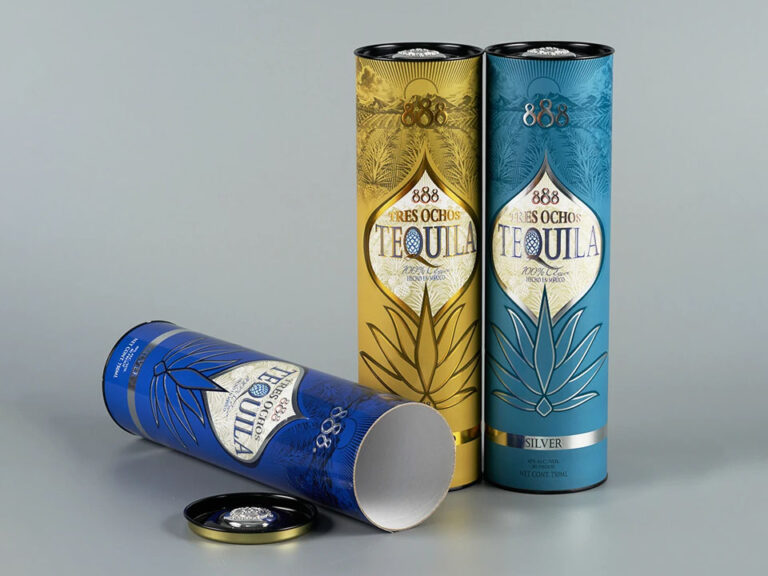
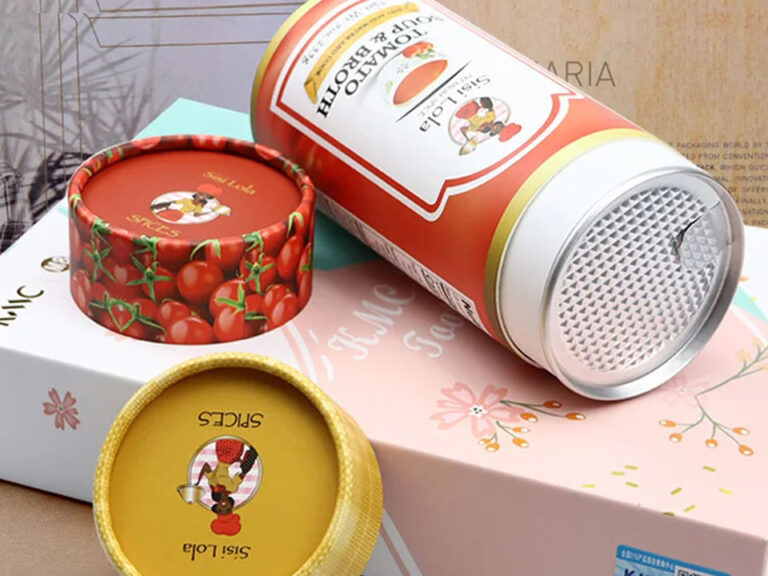
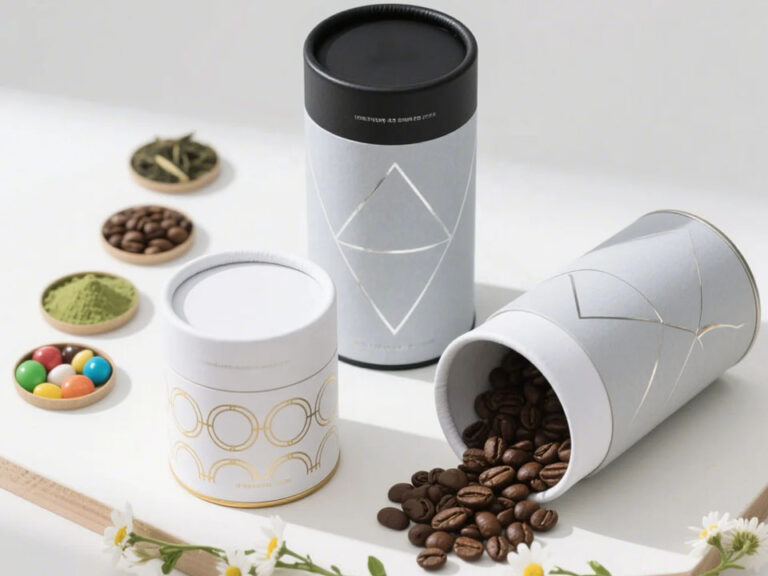
まだ適切なパッケージング・ソリューションが見つからない?私たちの上司に相談してください。.
弊社のウェブサイトをご覧になったり、営業担当とお話になったりしても、まだ明確な道筋が見えない場合は、こちらからリクエストをお送りください。あなたのメッセージは、実現可能性、コスト、リードタイムをエグゼクティブレビューするために、私たちのゼネラルマネージャーに直接送られます。明確な次のステップ、つまり何ができるか、何が必要か、お見積もりへの最短ルートをお知らせします。.

紙管は、トイレットペーパーのロール、配送用の芯、ラベルのスリーブ、さらには梱包用のインサートなど、あらゆるところで目にする。トイレットペーパーのロール、配送の芯、ラベルのスリーブ、包装の挿入物など、紙管はどこにでもある。シンプルに見えるが、正しく扱えば、実はかなり役に立つ素材なのだ。そのコツは、クリーンな「ゴミのはしご」の考え方に従うことだ: リユース・ファースト、そしてリサイクル, そして、リサイクルする意味がない場合にのみ堆肥化する。.
ブランド、工場、デザインスタジオ、卸売業を経営する場合、紙管はビジネス面でも重要だ。紙管は、プラスチックをカットし、棚の存在感を高め、箱から出しても壊れにくく、高級感を出すことができる。.
このガイドでは、家庭でもビジネスでも使える実践的なアイデアと、記事の信頼性を高めるための主張と出典の早見表を紹介している。.
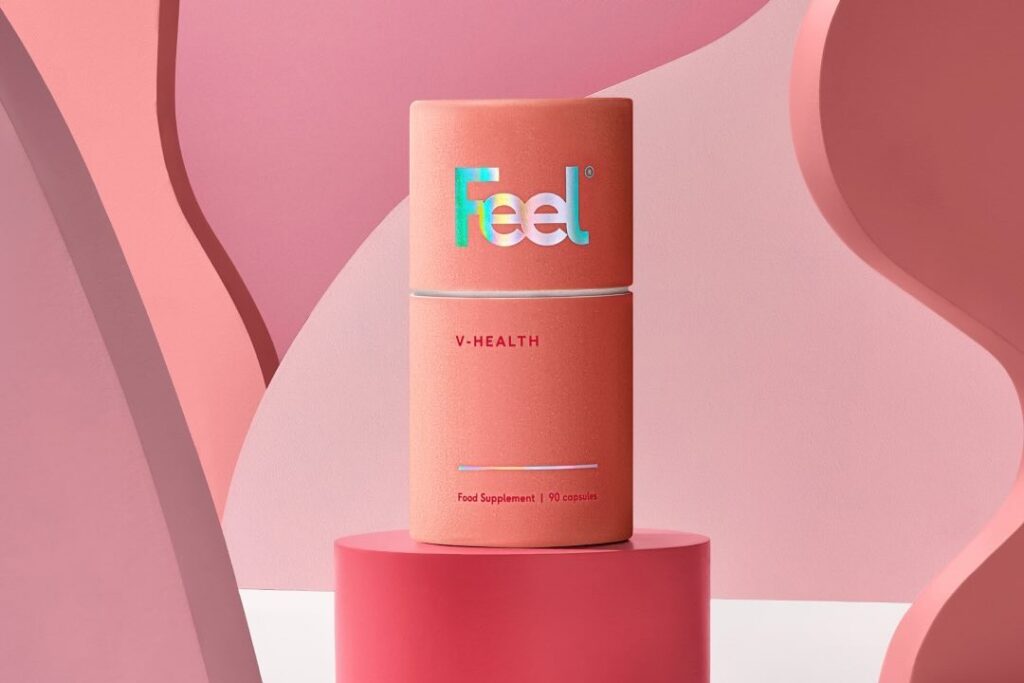
リサイクルが最もうまくいくのは、その品物の寿命をこれ以上縮めることができない場合だ。紙管は硬くて軽く、切りやすいので、再利用に最適です。.
ここでは、実際のシナリオを簡単に紹介しよう:
無造作なチューブ」から一貫性のあるパッケージに移行する準備ができたら、カタログから始めましょう: 製品
ほとんどのリサイクルシステムは、紙を「きれいな繊維」の流れのように扱う。いったん濡れたり、油で汚れたり、食べ物で汚れたりすると、価値は急速に下がる。.
簡単なルールだ:
これは、キッチンロールのような一般的な品物にも言えることだ。シンクの横に置いて水浸しになったチューブは、無理にゴミ箱に入れる必要はない。.
食品汚染は2つの問題を引き起こす。1つは、同じベールの中の近くの紙をダメにすること、もう1つは、ロットが不合格になることだ。もしあなたが施設や店舗を管理しているのであれば、選別の時間を浪費し、廃棄処理に頭を悩ませることになるため、これは無言のコストとなる。.
一部のチューブには プラスチック製エンドキャップ, 金属蓋, ライナー, あるいは ウィンドウフィルム. .混合物は、最初に分別しないとリサイクルの妨げになる。.
チューブをリサイクルする前に、この作業を行ってください:
これは包装設計の教訓でもある。使用後の取り扱いを簡単にしたければ、混合材料を減らすか、分離しやすくすることだ。.
リサイクルは世界共通のルールブックではない。ある都市では、紙管も古紙回収の対象としている。そうでない都市もあれば、コーティングやライナーによって扱いが異なる都市もある。.
もしあなたがブランドのためにパッケージのコピーを書いているのなら、裏付けがない限り「カーブサイドリサイクル可能」と約束してはいけない。より安全なアプローチは
そうすることで誠実さを保ち、顧客からのクレームを減らすことができる。.
チューブが油っぽくなったり(ピザのはねを思い浮かべてほしい)、カビたり、びしょびしょになったりしたら、リサイクルするよりコンポストの方が理にかなっていることが多い。コンポストは、プラスチック、ホイル、重いコーティングを避けると、最も効果的です。.
良い堆肥候補だ:
悪い堆肥候補:
これは「明日実際に使う」セクションだ。.
チューブを短い輪切りにする。引き出しに立てて入れる。これで、即席の仕切りができた:
手間がかからず、“ガラクタの引き出しの雪だるま ”を止めることができる。”
ケーブルを折りたたんでチューブに入れ、外側にラベルを貼る。Eコマースの返品や小規模なスタジオを管理している場合、これによってセットアップと撤収が迅速に行える。.
紙管は苗を植えるのに適している。.
簡単なセットアップを紹介しよう:
ウェルネス、お茶、自然派製品を販売するブランドなら、庭にやさしい再利用ストーリーは顧客の雰囲気にぴったりです。また、商品ページや折り込み広告にクリーンなコンテンツを提供することもできます。.
チューブは安全で軽く、デコレーションも簡単なので、子供のプロジェクトや教室での活動にはうってつけだ。.
派手な道具を必要としないアイデア:
マーケットプレイスで販売しているなら、これはUGCの賢い切り口だ。人々は、“パッケージでやったこと ”を投稿するのが大好きだ。”
この表を記事の中で使うことで、ふわふわした印象ではなく、地に足のついた印象を与えることができる。.
| 主張(言いたいこと) | 何をすべきか(実際の行動) | なぜそれが重要なのか(現実的な理由) | ソース(非リンク参照) |
|---|---|---|---|
| リサイクルの前にリユース | まずチューブを再利用し、使い終わったらリサイクルする。 | 廃棄物を減らし、材料の寿命を延ばす | 米国EPA廃棄物階層ガイダンス |
| 清潔で乾燥した紙は、よりよくリサイクルされる | チューブに水や食べかすが残らないようにする | 負荷の拒絶を防ぎ、繊維の品質を向上させる | 米国EPA紙リサイクル指針 |
| コンポストには汚れた紙が適している | 油で濡れたチューブを堆肥にする。 | リサイクルの流れをクリーンに保つ | 自治体のリサイクルガイドライン(様々) |
| 混合素材はリサイクル性を低下させる | リサイクルの前にプラスチック・キャップ/ライナーを取り外す | 汚染や選別の問題を回避 | パッケージングのベストプラクティス |
| 何が受け入れられるかはローカルルールが決める | 市または運搬業者のガイドラインを確認する | ウィッシュサイクリングを防ぐ“ | 自治体のリサイクル・プログラム |
製品ラインを構築する場合、真の目標は「リサイクル」だけではない。うまく出荷でき、高級に見え、サポートチケットを作らないパッケージが必要なのだ。.
紙管包装はその一助となる:
をサポートするサプライヤーが必要な場合 カスタマイズ、バルク卸売、OEM / ODM, そして一貫した品質管理はホームページから始まる: トップカスタム紙管ボックスメーカー
近代的な食品包装の精製工場、12,300m²の倉庫、大量注文に対応する毎日の生産量など、サプライチェーンの観点から考えるバイヤーにとって、貴社のサイトの位置づけも重要です。安定したリードタイムと不測の事態の減少を求める調達チームが求めるのは、このような細部なのです。.
紅茶には湿気対策と “プレミアムな棚ストーリー ”が必要です。DTC販売や輸出の場合、チューブは香りを保護し、輸送中のダメージを軽減することができます。ご覧ください: 茶包装紙管箱
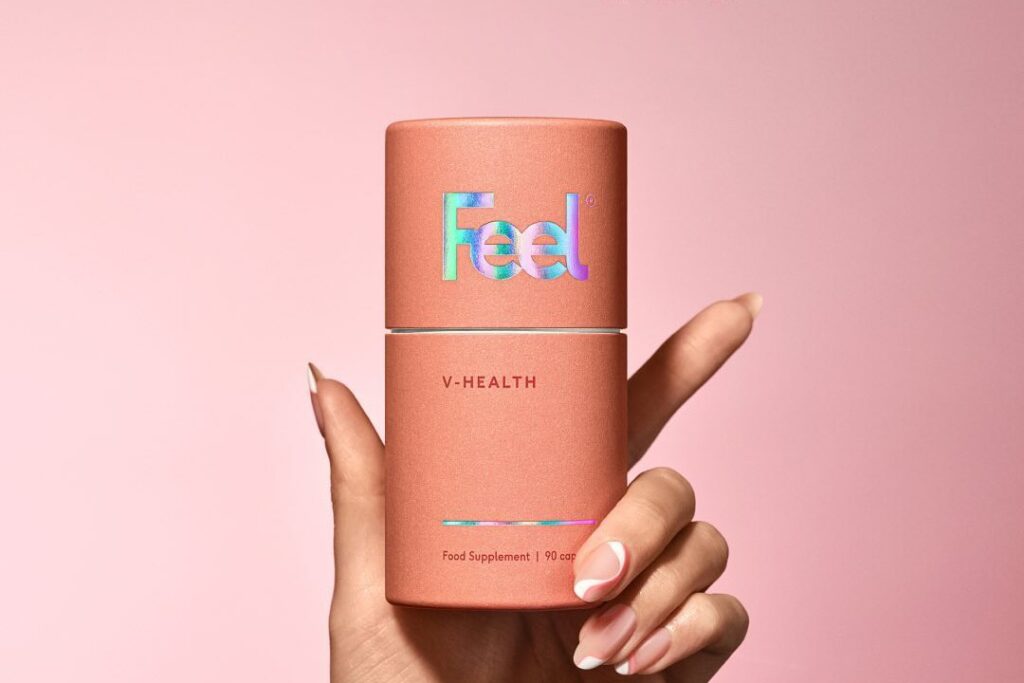
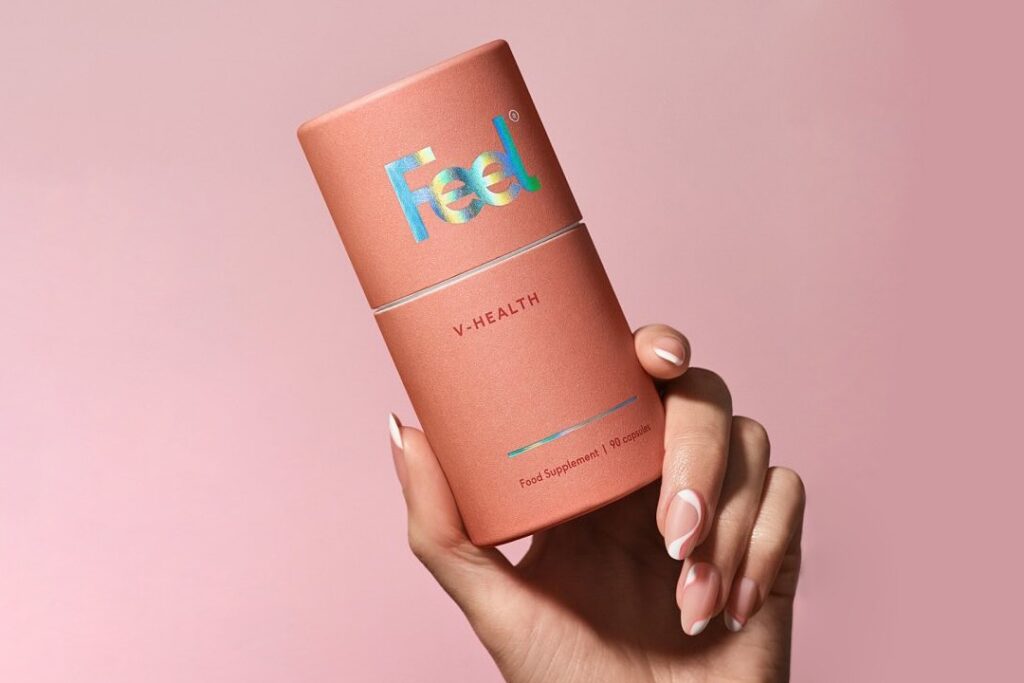
プロテインとサプリメントは、棚で激しく競争する。硬い円筒は柔らかいパウチよりも「高級感」があり、写真映えもする。チェック プロテインパウダー紙管包装
化粧品のバイヤーは、テクスチャーや印刷、“手触り ”を気にする。チューブは、安っぽく見せることなく、仕上げやブランディングの余地を与えてくれる。参考文献 化粧品チューブ包装
ジュエリーは贈るエネルギーを必要とする。白いチューブは、特にブティックやブランドドロップには、清潔で、モダンで、高級な印象を与えることができる。例 ジュエリー・ペーパー・チューブ・ボックス
アクセサリーを販売するのであれば、ウィンドウは買い物客が「商品を素早く見る」のに役立ち、ハンドルは小売店の利便性を向上させます。ご覧ください: ヘアバンド紙管包装
両面印刷は、詰め込むことなく、成分、効能、QR、コンプライアンス情報など、完全なストーリー性を求めるブランドをサポートします。例 紙管箱
人々がスクリーンショットを撮るような、きれいなエンディングとして使ってください: