まだ適切なパッケージング・ソリューションが見つからない?私たちの上司に相談してください。.
弊社のウェブサイトをご覧になったり、営業担当とお話になったりしても、まだ明確な道筋が見えない場合は、こちらからリクエストをお送りください。あなたのメッセージは、実現可能性、コスト、リードタイムをエグゼクティブレビューするために、私たちのゼネラルマネージャーに直接送られます。明確な次のステップ、つまり何ができるか、何が必要か、お見積もりへの最短ルートをお知らせします。.

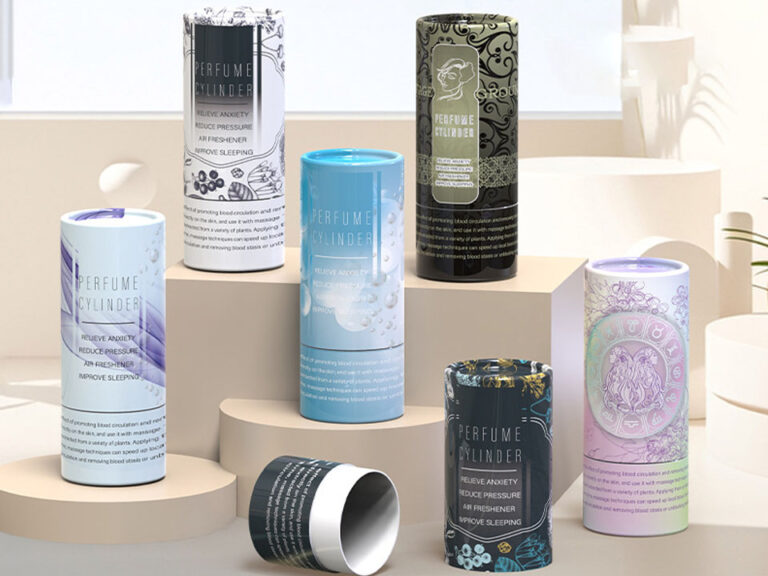
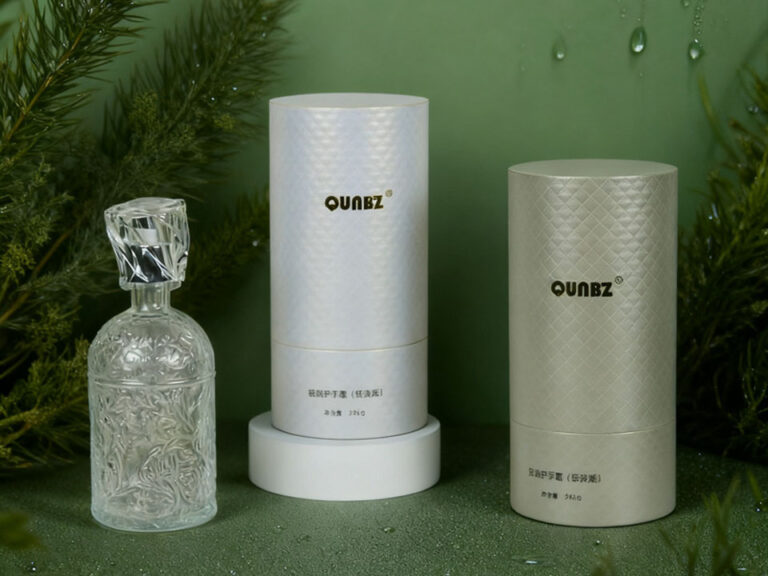
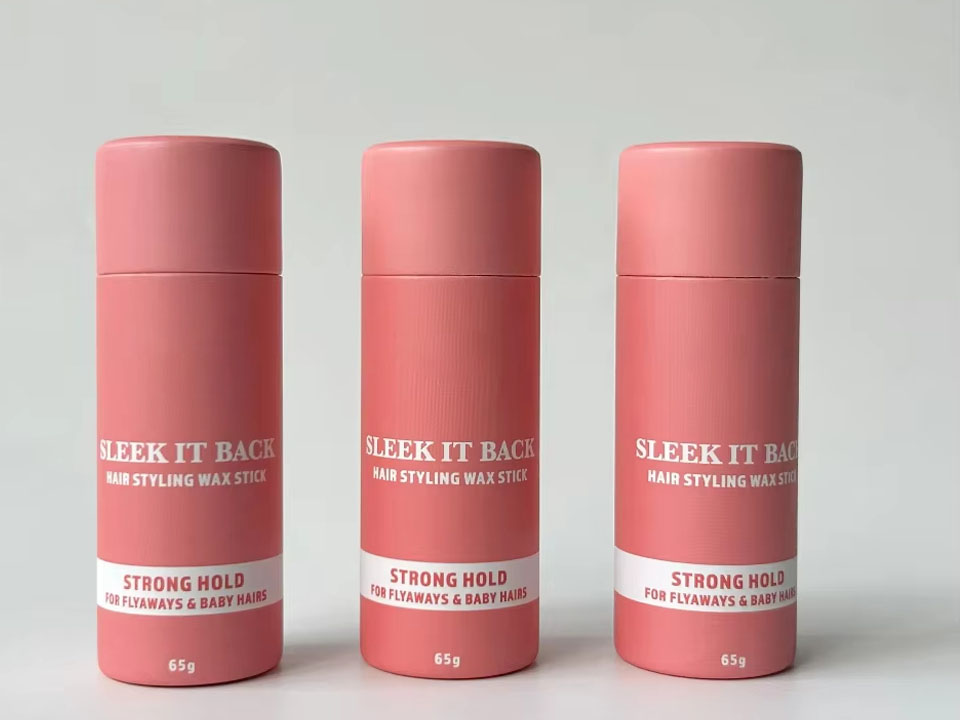
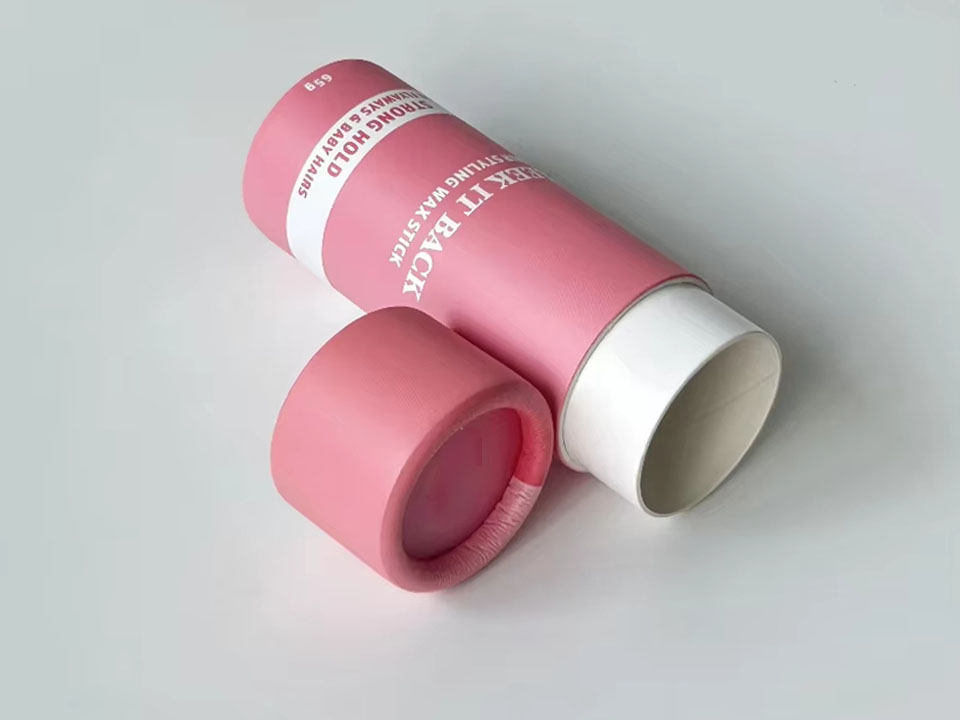
化粧品の紙管包装は、一度に2つの仕事をすることができます。それは、出荷や小売店での取り扱いを通して製品を保護することです。また、キャップをひねったりシールをはがしたりする前に、ブランドを売り込むこともできます。.
見栄えの良い」チューブが「性能の良い」チューブとは限らないのだ。間違った直径はガタつきやへこみを生む。壁が弱いとカートンパックでつぶれる。印刷コントロールが悪いと、再注文の際に色が流れてしまい、棚が乱雑に見えてしまう。.
について トップカスタム紙管ボックスメーカー のサイトでは、大量卸売、OEM/ODMプロジェクト、ブランド拡張のために構築された紙管フォーマットをご覧いただけます。目標はシンプルです。SKU数が増えても、パッケージの一貫性を保ち、生産しやすく、再注文しやすくすることです。.
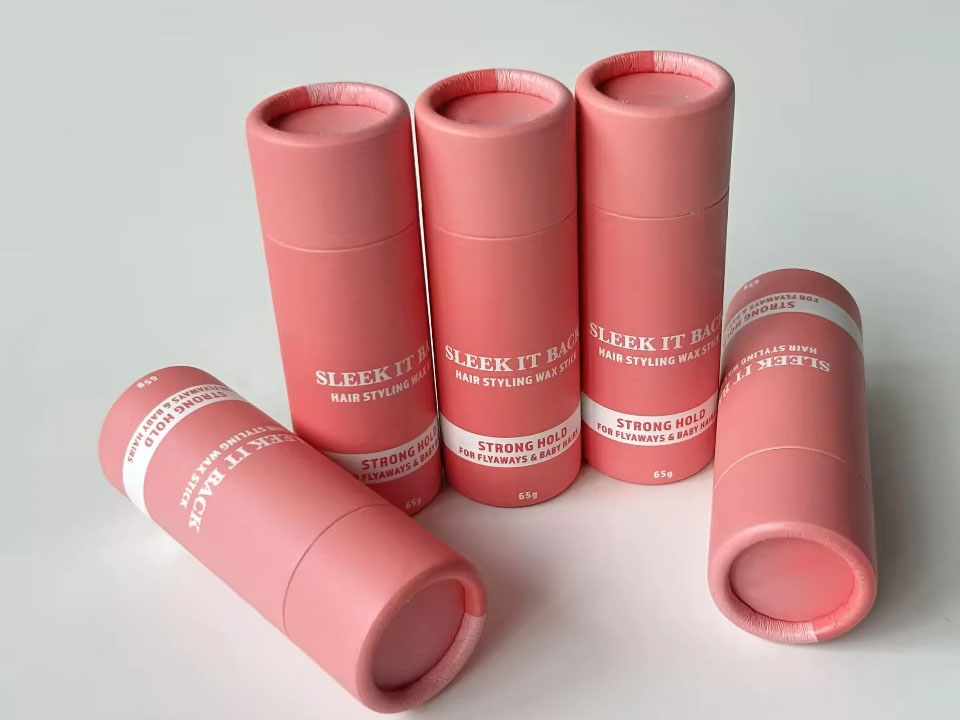
化粧品のチューブは棚のシグナル。買い物客はまずコピーを読まない。彼らはまず、色、仕上げ、形に注目する。だからこそ、カスタマイズはひとつの質問から始めるべきなのだ: 一瞬で何を感じてもらいたいか?
チューブによく効く一般的なブランドの指示:
複数のライン(リップクリーム、デオドラントバーム、スキンケアスティック)を展開する場合は、繰り返し使える「ビジュアルシステム」を構築する。ロゴの配置やレイアウトを同じにし、香りや色合い、機能など、買い物客が選びやすいものだけを変える。そうすることで、SKUの壁がランダムに混在しているように見えるのを防ぐことができる。.
ブランド・ルックを整えるために、さまざまなチューブ・スタイルを簡単に確認したい場合は、次のリンクから始めてください。 製品カタログ.
スケールを大きくすると、カラードリフトが本当に厄介なポイントになる。最初のランは完璧に見えたのに、次のランでは “シグネチャー・ピンク ”の色が微妙にずれてしまう。顧客は気づく。小売店のバイヤーも早く気づく。.
早めにロックしておこう:
ほとんどのトランジットダメージは、ひとつの問題から始まる: 空所. .製品がチューブの中で動くと、チューブは間違った場所に当たってしまう。へこみ、擦り傷、肩のつぶれなどが見られます。.
製品に合わせるだけでなく、梱包ラインを最適化するようにサイズを選ぶ:
美容アイテムを中心にデザインされた化粧品フォーマットについては、以下を参照のこと。 化粧用厚紙チューブ.
スリムな製品、ガラス製品、傷がつきやすい製品の場合は、インサートを追加してください。インサートは製品の中心を保ち、エッジを保護します。これは、破損のクレームを減らし、コンバージョンに悪影響を与える否定的なレビューを避ける静かなアップグレードです。.
強力なプレゼンテーションの可能性を示す(そして印刷面積を増やす)チューブ・スタイルは以下の通り。 両面印刷紙管包装.
サステナビリティは売れるが、それは具体的である場合に限られる。漠然とした「環境にやさしい」という言葉では、もはや信頼は得られない。.
その代わり、平易な言葉で説明できる主張を構築すること:
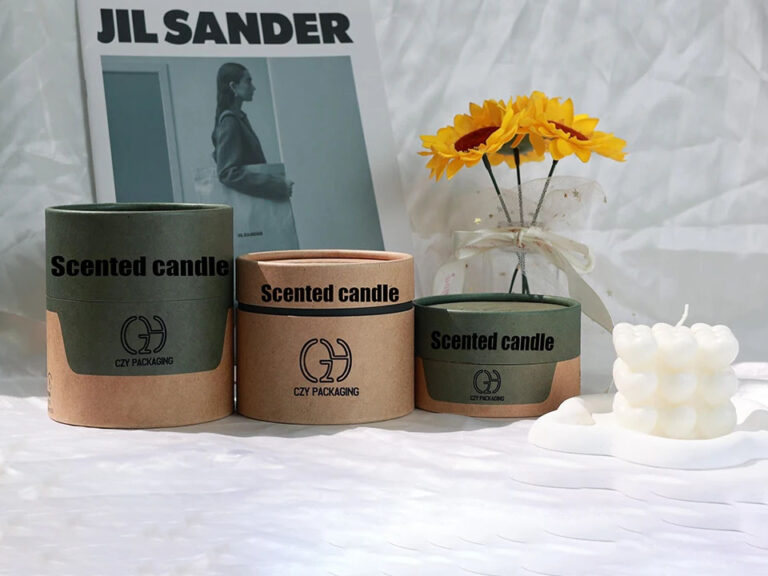
もし、“責任感 ”を強調することなく、ペーパーフォワードなルックを求めるのであれば、次のような構成とスタイリングのアプローチを参考にすることができる。 環境に優しい紙管包装 のページを参照し、化粧品用の仕様に合わせること。.
国境を越えた販売(プラットフォーム販売やDTC)を行う場合、持続可能性と出荷の強さは一緒に働くことができます。適切なサイズのチューブはボイドフィルを減らす。強度の高い壁は返品を減らす。ダメージが少ないということは、無駄が少ないということです。これは貴社のオペレーション・チームが実感できる勝利です。.
化粧品のバイヤーは安全性のシグナルを気にする。パッケージが処方に直接触れなくても、印刷の質は安全性に影響する。.
悪い兆候は顧客がすぐに気づく:
このスペックを早めに持ち出す:
より厳格な販路に販売する場合は、コンプライアンスの詳細を早めにロックしておく。例えば、管理された閉鎖が必要な場合は、以下を参照されたい。 子供用紙管包装 閉鎖の方向性と構造的な規律のために。.
フルプリントチューブは、すでに売れ筋がわかっている場合に最適です。しかし、まだバリアントをテストしている最中であれば、ブランクチューブとラベルを使えば、在庫の枯渇を防ぐことができる。.
このアプローチは以下のような場合に有効だ:
まだクリーンな外観を保っている。また、学びながら柔軟性を保つこともできる。データからどのSKUが動くかがわかったら、それをフルプリントチューブにアップグレードして、再注文の効率化を図ります。.
バイヤーが “カスタム ”と言うとき、それは構造、素材、プリント、仕上げ、アドオンを意味することがある。それらを分けて考えないと、見積もりミスや修正のループ、発売時期を遅らせることになる。.
これを明確なカスタマイズメニューとして使う:
| カスタマイズ項目 | 何が変わるのか | 解決するバイヤーのペインポイント |
|---|---|---|
| チューブサイズ(直径/高さ) | フィット感、出荷の安定性、棚の存在感 | へこみ、ガタつき、乱雑なプラノグラム |
| 肉厚とボード | 耐クラッシュ性、手触り | 輸送中のダメージ、“安っぽさ” |
| 印刷(外側/両面) | 物語空間、ブランド・システム | ブランド力が弱く、棚のポップ性が低い |
| 仕上げ(マット/グロス/ソフトタッチ) | 接触と知覚価値 | 高級感があり、指紋がつきにくい |
| アドオン(インサート/ウィンドウ/ハンドル) | 保護と表示 | 破損、視界不良、贈答用ニーズ |
知名度や贈答品としてのアピールが必要な商品を販売する場合、次のようなフォーマットが適している。 透明窓と取っ手付きチューブ包装 は、アドオンがいかにして棚の透明性を高め、知覚価値を高めるかを示している。.
“いい紙 ”を選ぶように素材を選んではいけない。マージンや評価を守るような気持ちで選んでください。.
5つのフィルターを使う:
製品にオイルが含まれていたり、湿度の高いバスルームに置かれていたりする場合は、湿度耐性について早めに相談しましょう。洗面台の上でチューブがゆがむと、悪い評価に早変わりする。.
見た目よりも閉鎖性を重視するセグメントもある。ウェルネス、規制対象カテゴリー、管理された小売店で販売される商品などを考えてみよう。もしあなたがそのようなゾーンにいるのであれば、構造やクロージャーの仕組みをより厳しく管理したいはずだ。.
関連する参考書式は以下の通り。 カートリッジ用紙管包装, 通常、安定性とコンプライアンス(法令遵守)のプレゼンテーションの方が重要である。.
初日にすべてを過剰に構築する必要はない。ブランドの実際の規模に合った計画が必要です。.
卸売バイヤー、OEM/ODMプロジェクト、成長中のブランドにとって効果的な展開がここにある:
このアプローチにより、改訂サイクルが短縮され、発売スケジュールが守られ、再注文プロセスがクリーンに保たれる。.
この表は、ブログ、ピッチ・デッキ、ソーシング・ドキュメントの「プルーフ・レイヤー」として使用する。すべてのソースは、あなたのサイトのページにリンクしています。.
| 論題 | 自信を持って主張できること | 内部ソース |
|---|---|---|
| ブランド・アイデンティティと棚へのインパクト | チューブは、複数の製品ラインにわたる一貫したブランドシステムをサポートする。. | 製品カタログ |
| ジャストサイズとインサート | 化粧品用チューブのフォーマットは、美容製品に合わせることで、よりフィットし、より美しく見せることができる。. | 化粧品用段ボールチューブ |
| 持続可能なパッケージングの主張 | ペーパーフォワードの構造は、仕様がシンプルであれば、明確なサステナビリティ・メッセージをサポートする。. | 環境に優しい紙管包装 |
| 大豆ベースのインクと印刷の安全性 | 印刷と生産管理は、一貫したブランドデリバリーを大規模にサポートします。. | トップカスタム紙管ボックスメーカー |
| 小ロット用ブランクチューブ+シールラベル | 柔軟な発売経路は、ブランドが早期にすべてを固定することなく、バリエーションをテストするのに役立つ。. | 製品カタログ |
| カスタマイズメニュー | 窓や取っ手などのアドオンは、ディスプレイやギフトのニーズをサポートする。. | 透明窓と取っ手付きチューブ包装 |
| 素材の選択:安全性、耐久性、デザインオプション | 強力な構造と印刷オプションは、マルチSKUスケーリングと再注文の安定性をサポートします。. | 両面印刷チューブ包装 |
| 予算と規模の現実 | 段階的アプローチは、OEM/ODMのワークフローと、よりスムーズな再注文サイクルをサポートします。. | トップカスタム紙管ボックスメーカー |
| コンプライアンス重視のフォーマット | 管理されたクロージャースタイルは、より厳格なチャネルと高いコンプライアンスニーズをサポートする。. | 小児用紙管包装 |