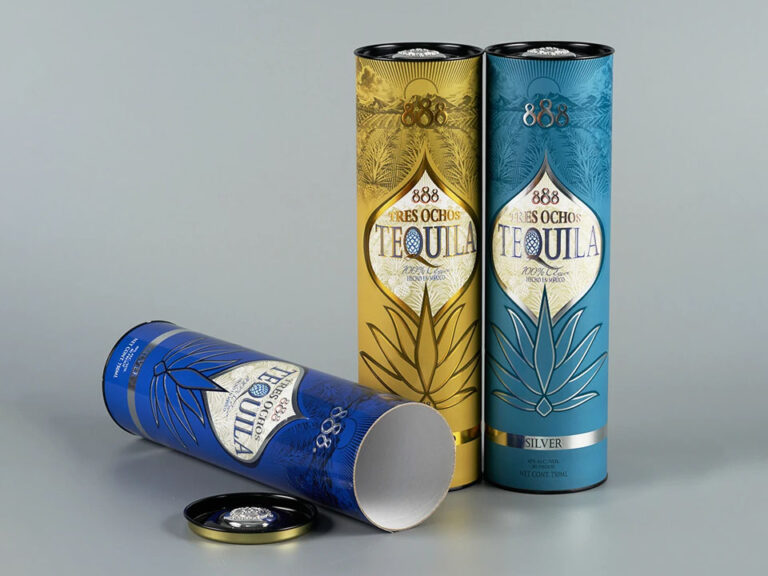
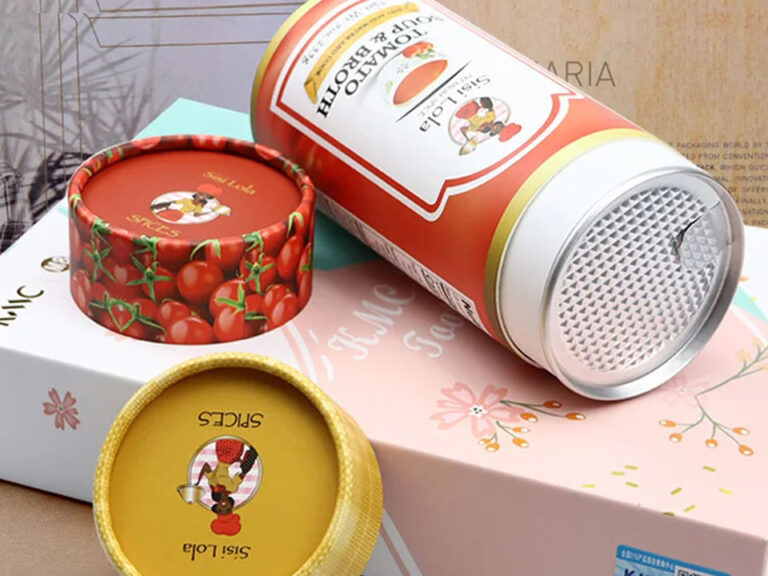
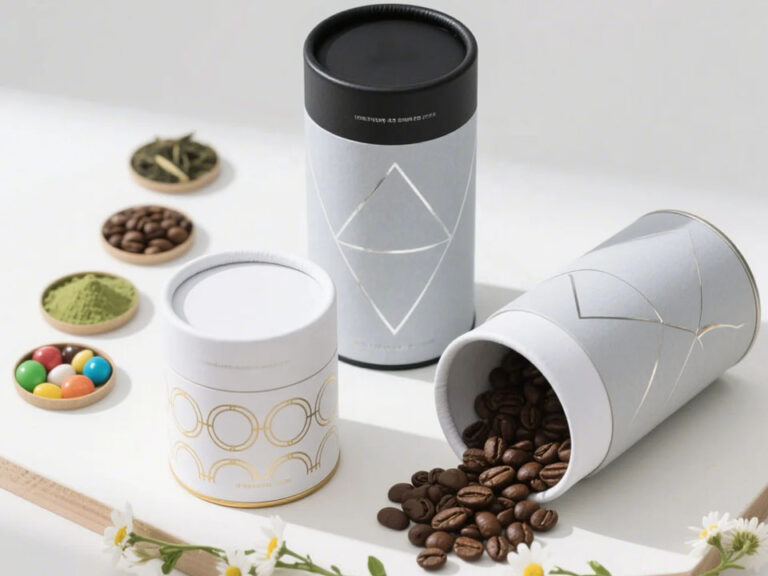
まだ適切なパッケージング・ソリューションが見つからない?私たちの上司に相談してください。.
弊社のウェブサイトをご覧になったり、営業担当とお話になったりしても、まだ明確な道筋が見えない場合は、こちらからリクエストをお送りください。あなたのメッセージは、実現可能性、コスト、リードタイムをエグゼクティブレビューするために、私たちのゼネラルマネージャーに直接送られます。明確な次のステップ、つまり何ができるか、何が必要か、お見積もりへの最短ルートをお知らせします。.

お茶、スキンケア、サプリメント、そしてジュエリーまで、紙管はあらゆるところで目にする。見た目もきれいで、高級感があり、写真映えもする。そんなとき、顧客からの質問があなたの受信トレイをピリピリさせることがある: “「紙管包装はリサイクル可能か?”
これが本当の答えだ: よくある. .しかし いつもではない. .リサイクルとは、パッケージが何でできているかということだけではありません。回収ボックス、選別ライン、製紙工場といった実際のリサイクルの流れの中で、そのパッケージがどのように振る舞うかということなのだ。.
顧客に信頼される(そして「グリーンウォッシュ」発言を引き起こさない)紙管包装を望むなら、リサイクルが実際にどのように機能しているのか、そして人々が実際にどのように物を捨てているのかを考慮してデザインする必要がある。.
卸売りやOEM/ODMのパッケージング・ラインを構築する場合は、以下の基本的なことから始めましょう。 カスタム紙管ボックス サイトにアクセスし、製品や市場にマッチするスタイルを掘り下げる。.
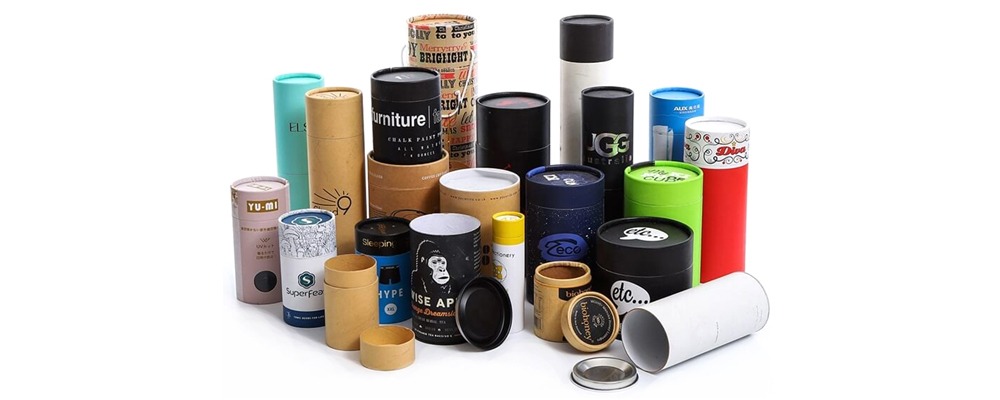
ほとんどの紙管包装は、清潔で乾いており、ほとんどが紙であればリサイクル可能である。. それは通常、板紙のボディ、紙のラベル、そしてトリッキーなレイヤーがないことを意味する。.
紙管は材料が混ざっているとリサイクルに失敗することが多い。. ホイルライナー、プラスチックフィルム、厚いラミネート、永久金属部品、厚い接着剤などです。これらの特徴は、パルプ化を妨げたり、選別を混乱させたり、コンタミネーションとしてフラグを立てたりする可能性がある。.
だから、形が問題なのではない。その 構造 である。.
無地の板紙チューブは最良のシナリオです。リサイクルシステムの中で板紙と同じように振る舞い、顧客にもわかりやすい。.
どこが輝いているか:
様々なフォーマットを素早く見たい場合は、次のようにスキャンしてください。 紙管包装製品 をリストアップし、どのビルドがペーパーファーストであり続けるかを記録する。.
これはブランドが火傷するところだ。チューブは ルック 紙のようなものだ。.
よくある「リサイクルキラー」:
チューブにバリア性能が必要な場合、自動的に “チューブをプラスチックで包む ”ことはしないこと。通常、バリアの必要性をインナーパックにシフトし、アウターチューブをより清潔に保つことができる。.
ウィンドウズや派手なアドオンは製品を売る。また、廃棄を混乱させる。.
窓や取っ手を使う場合は、簡単に切り離せるようにする。糊付けされた紙層の下にプラスチックを閉じ込めない。混ぜ合わせた材料を、顧客が見つけられないような場所に隠さない。.
このスタイルは、ディスプレイ主体のアイテムには効果的である。 透明窓と取っ手付き紙管包装 そして、紙でない部分をどのように素早く取り除けるようにするかを考える。.
リサイクルプログラムは “悪い材料 ”だけを拒否するわけではない。拒否されるのは 汚れた包装.
チューブに食品、粉末、または汚 染する可能性のあるものが入っている場合、顧客 はチューブの中に残留物がある状態で捨てるかも しれません。その残渣は紙俵を汚染し、出力を低下させる可能性がある。.
正直であり続けるためのシンプルなルール: ベタベタしていたり、油っぽかったり、びしょびしょだったり、臭かったりすると、リサイクルは難しくなる。.
化粧品やパーソナルケアのパッケージは常にこの問題を抱えている。紙の上では完璧なチューブでも、繊維にオイルが染み込むと、工場はそれをゴミのように扱うかもしれない。.
製品が漏れる可能性がある場合は、チューブを以下のように扱ってください。 二次梱包. .混乱を安定した主要容器の中に保つ。そのため、多くのブランドはチューブと瓶、ボトル、または密封された内袋を組み合わせています。.
そのような考えに基づいて作られた美容とスキンケアのフォーマットについては、以下をご覧いただきたい。 化粧品用段ボールチューブ包装.
顧客は長い廃棄ガイドなど読まない。短いチェックリストがあれば、実際にそれに従うでしょう。.
これは単なる顧客サービスではない。ブランド保護なのだ。処分がシンプルに感じられれば、レビューもよりクリーンな状態を保つことができる。.
スケーリングに真剣に取り組むのであれば、リサイクル性は、印刷品質、耐落下性、梱包スピードに次ぐスペックシートに含まれる。.
これが最もクリーンなアプローチだ:
この設計は、オペレーション・チームにも役立ちます。部品点数が少ないということは、生産における故障箇所が少ないということであり、サプライヤーの頭痛の種も少なく、QCもスムーズです。.
高級な蓋、インサート、シールなど、余分なものが必要になることもある。それは構わない。ただ、それらを 取り外し簡単.
良い選択肢だ:
高級な蓋」のように見せたいのであれば、パック全体をリサイクルの問題にすることなくできる。その良い例が、紅茶である。 金属カバー付き茶筒包装 そして、“取り外し可能なパーツ、明確な構造 ”を考える。”
製品によっては、水分コントロール、酸素保護、アロマロックが必要です。それが現実だ。しかし、毎回バリアーをチューブ壁に組み込む必要はない。.
よく機能する実用的なパターンだ:
この戦略は、特にマーケットプレイスや国境を越えたセラーにとって、コンプライアンス・ラベルや迅速なSKU変更にも役立つ。.
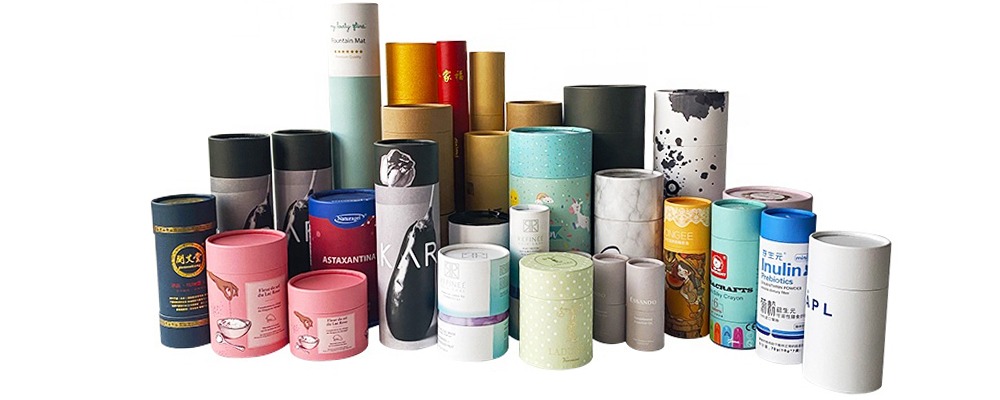
パッケージは紙が入っているからといって「リサイクル可能」ではない。.
実際のリサイクルシステムでは、チューブはチェーン全体を生き残らなければならない:
混合素材が問題を引き起こすのはそのためだ。それぞれの層は単独でリサイクル可能かもしれないが、その組み合わせは実際には失敗する可能性がある。.
B2B(企業間取引)であれば、この点はさらに重要です。小売業者や大手バイヤーは、単に “エコの雰囲気 ”を求めているわけではない。彼らは、裏目に出ない主張を求めるのだ。.
理論から抜け出し、実際のパッケージング作業に取りかかろう。.
化粧品のバイヤーの判断は早い。チューブ入りは、ガラスのような壊れやすさがなく、高級感がある。.
化粧品で勝つのは何か:
美容ラインを作るなら、次のような実績のある構造から始めよう。 化粧品チューブ包装 を選択し、SKUの詳細を調整します。.
紅茶は棚のゲームだ。新鮮さも必要だが、強いブランド力も必要だ。.
チューブが助けになる:
一般的なプレミアム・フォーマットは、次のような金属カバー付きのチューブである。 茶包装チューブ式. .蓋は取り外し可能にして、本体は紙を前面に出し、顧客にはシンプルなメッセージにする。.
サプリメントは物流で打撃を受けます。特にフルフィルメント・ネットワークを通して出荷する場合、チューブは軽いカートンよりもへこみや角つぶれを減らすことができます。.
ここで重要なのは
確かなカテゴリーの例は以下の通りである。 プロテインパウダー紙管包装.
規制されたカテゴリーには、コンプライアンス表示、改ざんの手がかり、顧客の信頼といった特別なプレッシャーがつきまとう。.
CBD カートリッジを販売する場合、チューブが役立ちます:
の例を参照。 CBDカートリッジ紙管包装 そして、安全性を重視したライン、, チャイルド・レジスタンス紙管包装.
ジュエリーはバリア・プロテクションを必要としないので、ペーパー・ファースト・チューブとの相性は抜群だ。作り込みすぎず、高級感のある仕上がりになります。.
クリーンなリファレンス・スタイルは ジュエリー・ブレスレット紙管包装. .リサイクル性を高めたいなら、インサートは取り外し可能なものにし、プラスチックの多い装飾は避けること。.
この表は、卸売、プライベート・レーベルの立ち上げ、OEM/ODMプロジェクトのスペックを選択する際にご利用ください。.
| 紙管タイプ | 共通の特徴 | リサイクルの結果(典型的な例) | スペック |
|---|---|---|---|
| 紙管(全紙) | 紙製本体+紙製ラベル | きれいな状態で受け入れられることが多い | 紙を優先し、糊の塗布範囲を制限する |
| 混合素材紙管 | ホイルライナー/プラスチックラミネート | しばしば拒否される | バリアをインナーパックに移行し、パーマネントラミネートを避ける。 |
| 金属蓋付き紙管 | メタルキャップ+紙製ボディ | さまざまな結果 | 蓋を取り外し可能にし、ボンドを軽量化 |
| プラスチック窓付き紙管 | クリアウィンドウ+ペーパーシェル | さまざまな結果 | 剥がしやすい窓を使用し、プラスチック面積を減らす |
| フォームインサート付き紙管 | 発泡スチロール+紙製ボディ | 除去しない限り拒否されることが多い | インサートをリフトアウトできるようにする。 |
大規模な買い物をするのであれば、“かわいいパッケージ ”を買うのではない。システムを構築するのだ。.
あなたはそれを気にしている:
として トップカスタム紙管ボックスメーカー, 私たちは、小売業者、越境販売業者、流通業者、ブランド・オーナー、代理店、成長中のチームのために、カスタムメイド、大量卸売、OEM/ODMをサポートしています。大量生産に対応するため、生産と倉庫を構築しており、フィット感、仕上げ、信頼性を犠牲にすることなく、規模を拡大することができます。.
構造を比較し、方向性を素早く選びたいのであれば、次のところから始めよう。 製品カタログ また、チューブの構造を、バリア、コンプライアンス、開封、リサイクル行動など、製品の実際のニーズに合わせます。.
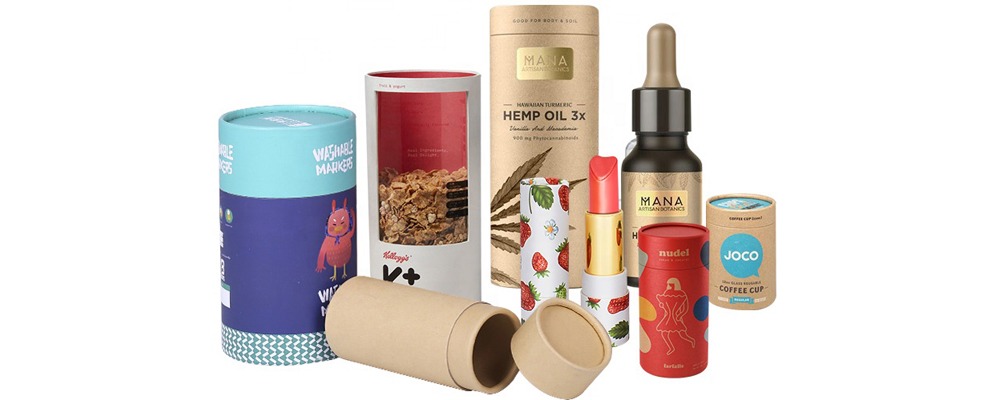
顧客からの質問を減らし、頭痛の種を減らしたいのであれば、リサイクルのために完璧な動作を必要とするチューブを設計してはならない。現実の廃棄に適したものを設計するのだ。.
こうして紙管包装は、棚で高級感を保ち、輸送で安定し、現実の世界ではリサイクルしやすくなるのだ。.