まだ適切なパッケージング・ソリューションが見つからない?私たちの上司に相談してください。.
弊社のウェブサイトをご覧になったり、営業担当とお話になったりしても、まだ明確な道筋が見えない場合は、こちらからリクエストをお送りください。あなたのメッセージは、実現可能性、コスト、リードタイムをエグゼクティブレビューするために、私たちのゼネラルマネージャーに直接送られます。明確な次のステップ、つまり何ができるか、何が必要か、お見積もりへの最短ルートをお知らせします。.

ボスと話す

弊社のウェブサイトをご覧になったり、営業担当とお話になったりしても、まだ明確な道筋が見えない場合は、こちらからリクエストをお送りください。あなたのメッセージは、実現可能性、コスト、リードタイムをエグゼクティブレビューするために、私たちのゼネラルマネージャーに直接送られます。明確な次のステップ、つまり何ができるか、何が必要か、お見積もりへの最短ルートをお知らせします。.
パッケージング・マネージャー、調達、パッケージング・エンジニア向け。サイズ、数量、仕上げを指定すると、米国/欧州プログラム向けの要求価格、リードタイム、仕様ガイダンスが表示されます。.
パウダー、お茶、コーヒー、CBD、化粧品など、香りに敏感なものを販売する場合、1つの悪いシールが雪だるま式に増えることがある。水分が忍び込む。香りが漏れる。製品が固まる。ラベルが非難される。返品が急増する。.
朗報:密封性が高く、輸送に耐える紙管を作ることができる。包装技術者が行うように、紙の厚さではなくシールシステムから設計すればいいのだ。.
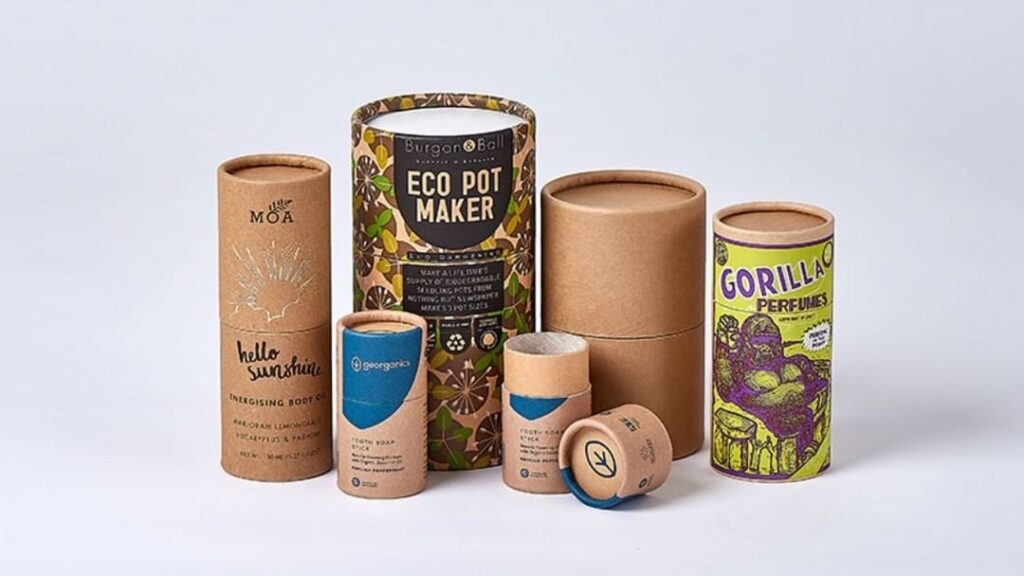
の実際の製品スタイルの例もご覧いただけます。 トップカスタム紙管ボックスメーカー のサイトに加え、一括卸売、OEM/ODM、プライベート・レーベル・チーム向けの実用的なオプションも用意されている。.
“気密性 ”とは通常、あなたがコントロールしていることを意味する。 敵二人:
紙だけでは両方をブロックすることはできない。シールの性能は バリアスタック:
レインコートのようなものだと思ってください。生地は重要だが、ジッパーは雨漏りが起こる場所だ。.
ほとんどの雨漏りは チューブ口とベース, サイドウォールではありません。紙を一日中巻いても、リムに微小な隙間があれば失敗する。.
一般的なリークコースは退屈に見えるが、痛い:
リムを直せば、あとは楽になる。.
底部も漏れる可能性があり、特に輸送中に製品が揺れ、弱い継ぎ目から空気が「送り込まれる」ような場合です。タイトな底部構造とインナーバリアは、このポンピング効果を低減し、落下試験での耐久性を助けます。.
最強の密封性をお望みなら フルエンド・ヒートシール. .これは、紙管が持っている “缶スタイル ”の膜に最も近いものである。.
その仕組みをわかりやすく説明する:
どこが輝いているか:
操作上の注意(実世界):完全なヒートシールは通常 ワンタイムオープン. .毎日の再閉栓が必要な場合は、二次キャップと組み合わせてください。.
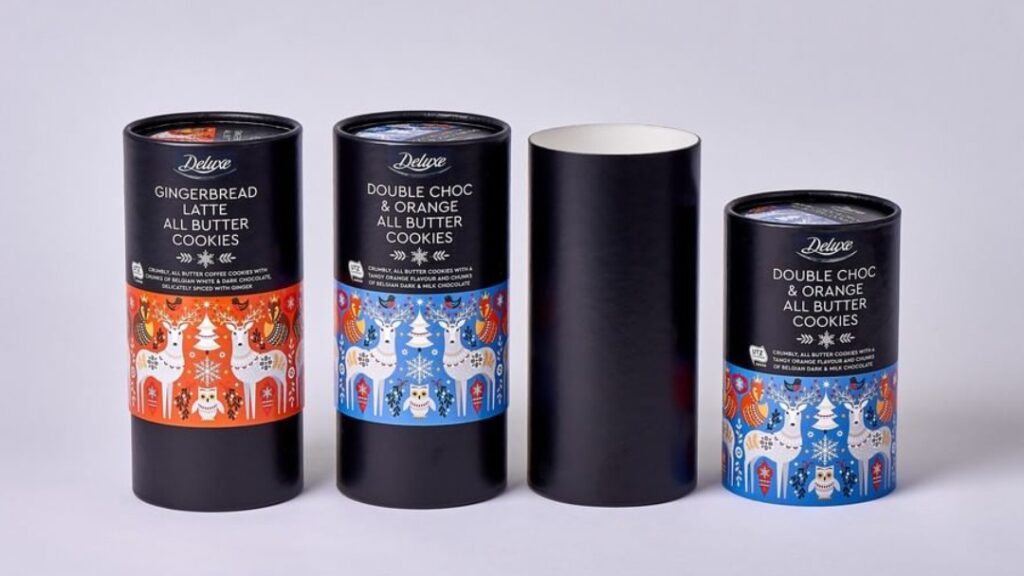
ほとんどのブランドは “「オープンクローズ・オープンクローズ」の利便性. .そこで ライナー+リッドコンボ が勝った。.
実用的なスタックはこんな感じだ:
このレイアウトは、数週間にわたって使用される小売商品に適している:
見どころ:閉鎖は実際に行われなければならない コンプレス 何か(ライナーリップ、ガスケットリング、または干渉フィット)。コンプレッションのない「きれいな蓋」はただの飾りです。.
すべてのSKUに自動化ラインが必要なわけではない。試験的な立ち上げや季節的なドロップであれば、よりシンプルな方法でしっかりと密封することができる:
これらの方法は次のような場合に有効だ:
規律が求められる。リムにホコリがついたり、ライナーにオイルがついたり、圧力が安定しなかったりすると、シールに不具合が生じる。そのため、基本的な QCゲート 小ロットであっても重要なことである。.
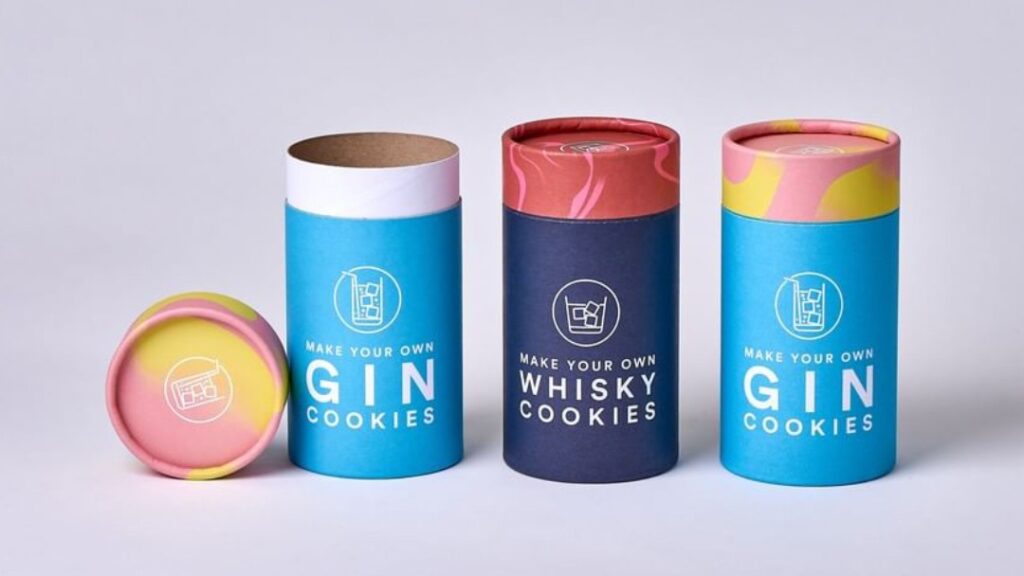
トップクラスのバリアが必要だが、ブランディングや棚に並べるために紙管を使いたい場合は、以下を使用する。 チューブ+ポーチ.
コンセプトだ:
このアプローチは合っている:
ボーナス:外装チューブのアートワークを変更することなく、バリアをアップグレードできます。これにより、パッケージング・システムの柔軟性が保たれます。.
開封の瞬間が明確なパッケージは、顧客から信頼される。不正開封防止シールは、チャージバックや「開封されて届いた」というクレームを減らすことにもなる。.
一般的なルートは2つ:
紙管の場合、多くの場合、これは ハイブリッド紙管+フォイルシールを支えるインナーライナー/取り付け具。これは、大麻やCBDのような規制カテゴリーでは一般的である。.
適合例
規制されたチャネルで販売する場合は、早めに閉鎖計画を依頼する。土壇場での設計変更を防ぐことができる。.
学術的に聞こえる必要はないが、証明ポイントは必要だ。気密性」について話すクリーンな方法は、参照することである:
さらに良いのは、ラボスタイルの検証と迅速な生産チェックを組み合わせることだ。.
スペックシートや社内SOPに使用できる、現場向けの表です。.
| テスト/チェック | 何が獲れるか | いつ使うか | チームの呼び方 |
|---|---|---|---|
| リム+シームの目視検査 | しわ、ピンホール、糊飛び、ズレ | すべてのバッチ、すべてのシフト | “最初の記事+インラインチェック” |
| コンプレッション・フィット・チェック(クロージャー・シーティング) | キャップの緩み、リムのゆがみ、干渉フィットの不良 | 組み立て+梱包時 | “「フィッティングQC” |
| 簡単なリークチェック(圧力/浸漬式) | 口や付け根からの明らかな空気漏れ | 生産中のサンプリング | “「シールの完全性チェック” |
| OTR / WVTR検証(ラボ法) | 長期的な酸素/湿気の侵入リスク | 新しい構造、新しいライナー、新しいサプライヤー | “バリア検証” |
それがブランドを守る方法だ。推測をやめて、変数をコントロールするのだ。.
クロージャーはパフォーマンスとレビューの両方を左右する。顧客は、チューブの壁が厚いから5つ星のフィードバックを残すわけではありません。彼らは、きれいに閉まり、高級感があり、バックパックの中でこぼれないチューブが好きなのです。.
機能するクロージャ選択ルール
重要な小さなディテール:クロージャーは、あなたが持っているものと一致しなければならない。 IDの許容範囲. .公差が緩いと、特にスケールではシールの一貫性が損なわれる。.
ここでは、適切な構造を選ぶのに役立つ「こんな使われ方」のシナリオをいくつか紹介しよう:
方向性を素早く選択するために使用する。.
| シール方法 | バリア強度 | 開閉式 | 最適な製品タイプ | 典型的な故障点 |
|---|---|---|---|---|
| フルエンド・ヒートシール | 非常に高い | なし(キャップと組み合わせた場合を除く) | パウダー、香りの強い商品 | リムの汚れ、不均一な熱/圧力 |
| ライナー+リッドのコンビネーション | 高い | はい | お茶、化粧品、長く使うもの | 取り付けが緩く、ライナーリップが圧縮されていない |
| ホイルシール+キャップ | 高い | はい | CBD、規制品目、プレミアム小売 | 接着不良またはシールが曲がっている |
| 感圧ホイル/部分ヒートシール | 中~高 | 場合による | パイロット・ラン、シーズン・ドロップ | 圧力が安定せず、リムが埃っぽい |
| チューブ+ポーチ | 非常に高い | あり(ポーチ経由) | 輸送期間が長く、賞味期限が厳しい | パウチシール品質、パックアウト処理 |
まとめ買いをすれば、早めにロックすることで時間を節約できる:
これをシステムとして処理すれば、手戻りを減らすことができる。また、発売のタイムラインも守ることができる。.
気密性の高い紙管を小売店や国境を越えて製造するのであれば、安定した生産を行い、公差を厳しく保てるサプライヤーが必要です。このサイトのポジショニングは、すでにそれをターゲットにしている: トップカスタム紙管ボックスメーカー, 近代的な食品包装精製工場、12,300m²の倉庫を備え、1日の生産能力は高い。.
まずはここから、カテゴリーを超えた構造を探ってみよう: 紙管包装製品 そして ホームページ.
準備ができたら、製品の “敵リスト”(湿気、酸素、ほこり、改ざんの危険性)を1つ持ってきてください。そこから、適切なシール・システムをマッピングし、工場から顧客の箱詰めまで密閉されたチューブを作るのは簡単です。.