まだ適切なパッケージング・ソリューションが見つからない?私たちの上司に相談してください。.
弊社のウェブサイトをご覧になったり、営業担当とお話になったりしても、まだ明確な道筋が見えない場合は、こちらからリクエストをお送りください。あなたのメッセージは、実現可能性、コスト、リードタイムをエグゼクティブレビューするために、私たちのゼネラルマネージャーに直接送られます。明確な次のステップ、つまり何ができるか、何が必要か、お見積もりへの最短ルートをお知らせします。.

ボスと話す

弊社のウェブサイトをご覧になったり、営業担当とお話になったりしても、まだ明確な道筋が見えない場合は、こちらからリクエストをお送りください。あなたのメッセージは、実現可能性、コスト、リードタイムをエグゼクティブレビューするために、私たちのゼネラルマネージャーに直接送られます。明確な次のステップ、つまり何ができるか、何が必要か、お見積もりへの最短ルートをお知らせします。.
パッケージング・マネージャー、調達、パッケージング・エンジニア向け。サイズ、数量、仕上げを指定すると、米国/欧州プログラム向けの要求価格、リードタイム、仕様ガイダンスが表示されます。.
ほとんどのブランドは、商品が悪いから損をするのではない。出荷時の破損、返品チケット、倉庫での「特別な取り扱い」、棚に並べると安っぽく見えるパッケージなど、面倒な中間処理で損をするのだ。そこで 円筒形段ボール包装 (紙管の箱)で稼いでいる。.
紙管は派手なエンジニアリングではありません。コーナーに敏感な商品を保護し、圧力下でも剛性を保ち、ブランディングやラベリングのためにきれいな表面を提供する実用的なフォーマットです。大量販売、OEM/ODM、流通業者への供給などでは、こうした細部が実際のビジネスの成果につながります。.
カテゴリー間でどのような違いがあるのか知りたい場合は、次のカテゴリーから見てみよう。 ホームページ をブラウズする。 紙管箱カタログ.
| 引数のタイトル(セクションのヘッダーとして使用する) | 改善点 | 現実世界での解決策 | 信頼性のソース(外部リンクなし) |
|---|---|---|---|
| 出荷コンプライアンスと寸法規律 | 出荷の例外を減らし、よりスムーズなフルフィルメントを実現 | スキャンできない/仕分けできない/再梱包が必要」という混乱が減る | 輸送会社の規則+貴社のフルフィルメントSOP+アウトバウンドQAチェック |
| 転がりやすくコーナーに敏感な製品の保護 | 損害賠償請求の減少、払い戻しの減少 | 角がつぶれることもなく、商品が曲がることもなく、「到着した商品が台無しになった」というメッセージもない。 | 製品物理学+顧客フィードバック+返品データカテゴリー |
| プラスチック製エンドキャップとタンパーエビデントオプション | 安全への信頼が高まり、紛争が減少 | 不用意な開閉を減らし、再閉のニーズをサポート | 小売の現実と流通要件 |
| 四角い紙管と巻かない包装 | よりクリーンな倉庫、より簡単なスタッキング | 転がりが少なく、パレットの安定性が向上 | 倉庫ワークフロー+ピッキング/梱包の効率化 |
| 軽量かつ強靭な構造 | 薄っぺらい」リスクを伴わない輸送効率の向上 | 管理しやすい重さの丈夫な壁 | 包装材料の挙動+落下/圧縮試験の実施 |
| 再利用と保管価値 | より高い知覚価値、より良いブランド・リコール | 顧客はそれを保管し、再利用し、それについて話す。 | 購入後の行動+開封体験 |
| リサイクル性と持続可能性の話 | 小売店との会話が容易に | 正しく構築されれば、より明確な “紙ベース ”のメッセージ | 材料の内訳+地域のリサイクル指導 |
出荷の問題は通常、製品会議では現れない。月曜の朝、倉庫が「このバッチはラインを通らない」と言ったときに現れるのだ。“
円筒形段ボール包装 充実感を穏やかに保つための標準化に役立つ:
規制やコンプライアンスを重視するレーンに販売する場合、安全要件やクリーンなクロージャーをサポートするパッケージも必要になる。良い例は リサイクル可能な大麻の子供の抵抗力があるペーパー管の包装, ここでは、構造とクロージャー戦略がグラフィックと同じくらい重要なのだ。.
角はまず失敗する。そのため、鋭利なエッジや平らなツボを嫌う製品にはチューブが適している。.
チューブはデザインによって守られている:
ポスター、印刷物、証明書、設計図、美術品などを発送する方は、その痛みをすでにご存知でしょう。端が曲がっているだけで完璧な品物が返送品になってしまうのです。.
チューブを使えば、製品を丸めて清潔に保つことができる。そのため、「曲がって届きました」というメッセージや、破損が配送前に起こったのか配送後に起こったのかを議論する時間を減らすことができます。.
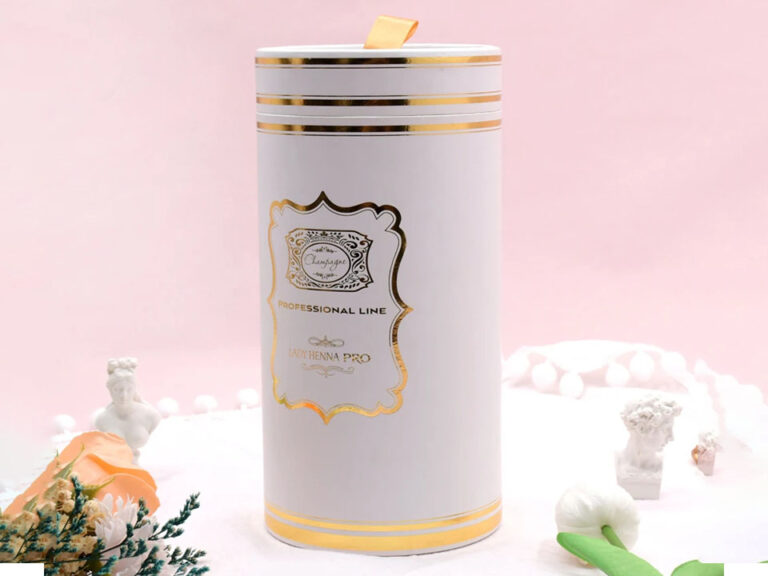
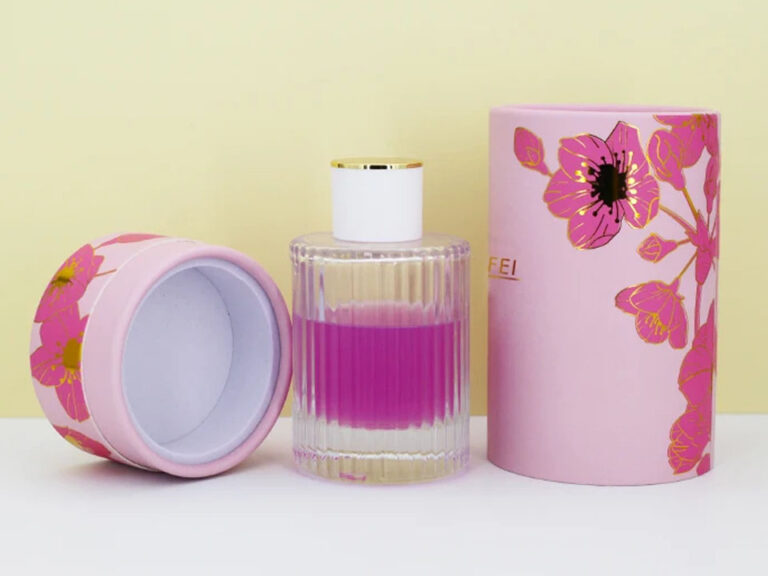
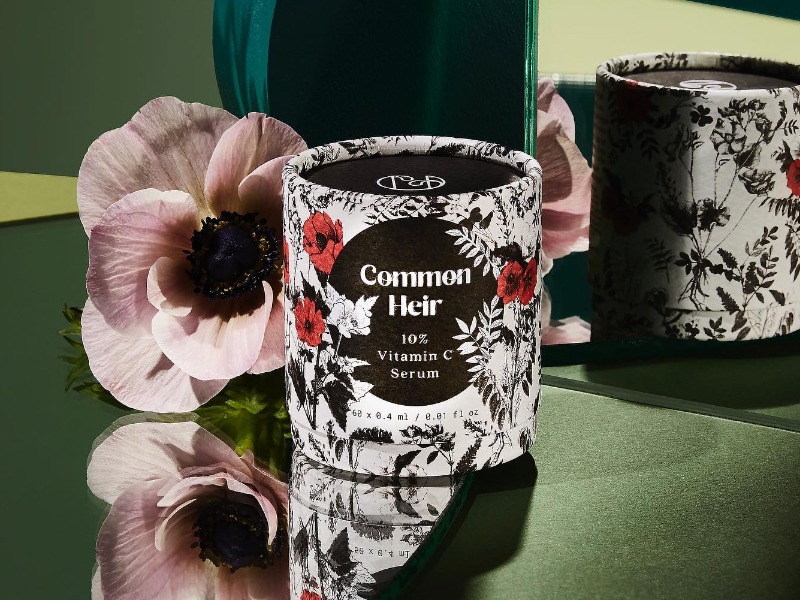
チューブはまた、顧客がプレゼンテーションや保管に気を配るカテゴリーにも効果的だ。化粧品、グルーミング、旅行用のキットなどを考えてみてください。のようなフォーマットは 化粧品チューブ包装箱 商品を保護すると同時に、高級感のある棚を演出する。.
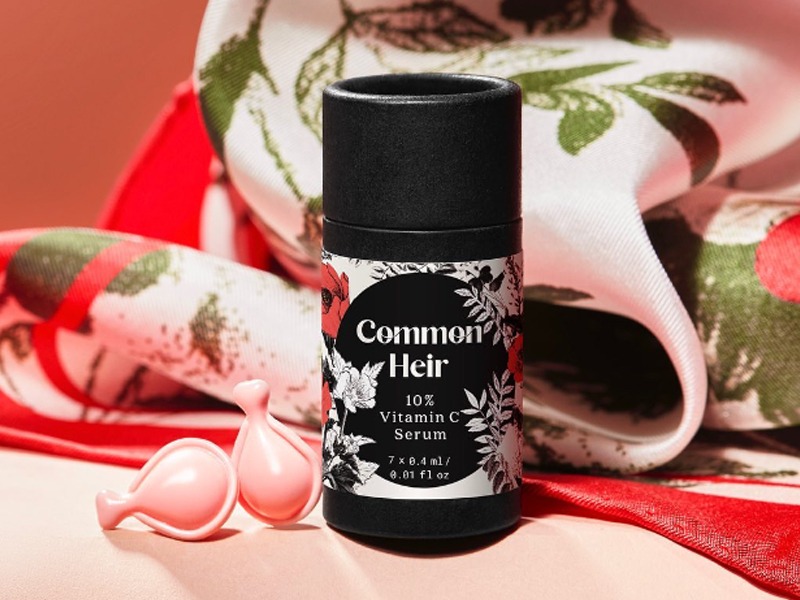
パウダーや機能性商品には、保護に加えて手に持ったときの丈夫な感触が必要だ。チューブなら、パックをかさばるレンガにすることなく、それを実現できる。このスタイルで プロテインパウダー包装.
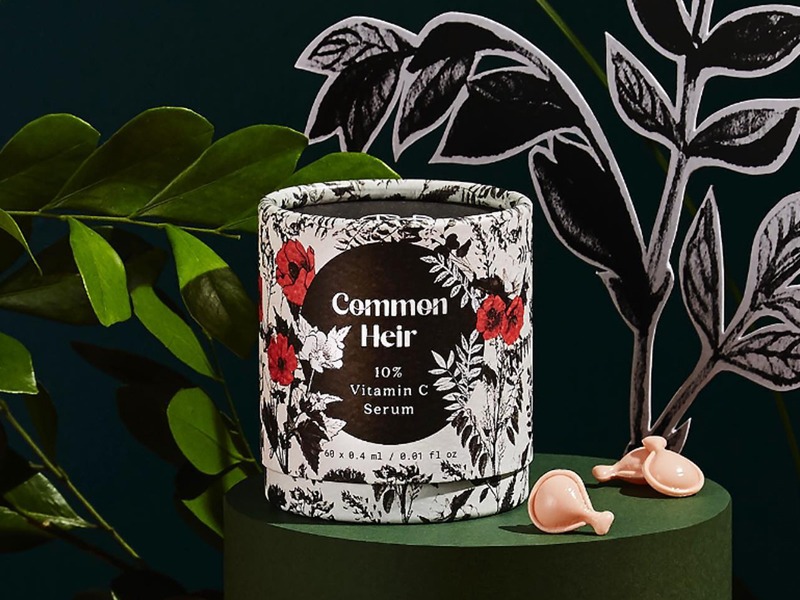
多くの市場では、顧客はパッケージを一度開封するだけではない。開封し、閉じ、持ち運び、保管し、清潔に保つことを期待する。.
それが理由だ。 エンドキャップとクロージャーの選択 問題だ:
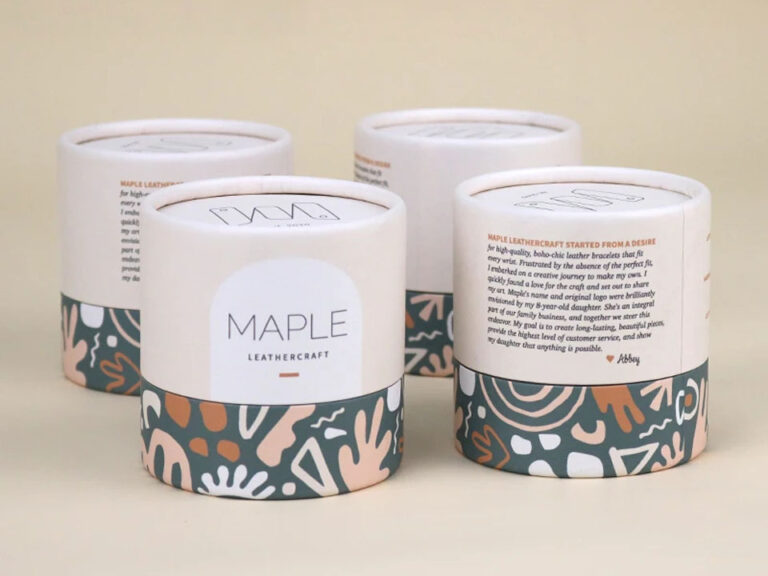
プレミアム・ギフトの場合、包装が製品の一部となるため、クロージャーと仕上げがより重要になる。参考になる書式は ジュエリー・ブレスレット紙管包装, これは、プレゼンテーションとキープ力のあるスタイリングに傾いている。.
正直なところ、シリンダーは転がります。特に、積み重ね、スキャン、シュリンク包装を行っている場合はなおさらです。.
そこで 角紙管 (またはその他のアンチロール形式)が適合する:
多くのブランドは、小売のヒーローSKUにはシリンダー、バルクレーンや流通の多いルートにはノンロールフォーマットという混合戦略をとっている。それは優柔不断ではない。それはオペレーションが成熟しているからだ。.
壊れやすい梱包は避けたい。また、ダンベルを発送するような梱包も避けたい。.
紙管は中間ゾーンに位置する:
なぜなら、損害賠償請求は、返金と店舗評価のプレッシャーという二重の打撃を与えるからだ。.
チューブは使い捨てという感じがしない。人々はそれを保管する。.
パッケージは顧客のスペースに留まるため、ブランド・リコールには静かな勝利となる。ケーブル、化粧道具、アクセサリー、机の上の小物などの収納になる。無理に「リユース・ストーリー」を作る必要はない。形がそれを誘うのだ。.
もし「記念品パッケージ」に傾倒した例をお望みなら、次のようなものがある。 透明窓とハンドル付きヘアバンド・チューブ は、チューブが機能的でありながら、いかにギフト仕様に見せることができるかを示している。.
多くのバイヤーは、まず一つの質問をする。“これはリサイクル可能か?”である。”
紙管の場合、本体が紙ベースであるため、サステナビリティの話はより簡単になる。しかし、それでも正確さを保つ必要がある:
メッセージはシンプルかつ正直に。バイヤーは大きな主張よりも明確さを信頼する。.
ここでは、円筒形段ボール包装が頭痛の種を解決する一般的なレーンを紹介する:
大量に購入するなら、“きれいにする ”ことから始めないこと。サプライチェーンを破壊するものから始めよう。.
このチェックリストを使って、プロジェクトをタイトに進めよう:
詳細を指定する前にフォーマットのオプションを確認したい場合は 紙管箱カタログ は、業界間のスタイルを比較する最も簡単な方法である。.
円筒形の段ボール包装は、文字どおり、また作業上の弱点を取り除くことができるため、効果を発揮します。角の影響を受けやすい商品を保護し、フルフィルメントを予測しやすくし、プレミアムブランディングをサポートし、大量生産のワークフローに適合します。.
破損クレームの減少、スムーズな出荷、棚でのプレゼンス向上、顧客が即座に捨てないパッケージングなどを目標とするなら、紙管箱はトレンドではなく、実用的な動きである。.
準備ができたら ホームページ 製品タイプを最も近い構造にマッピングし、出荷レーンと販売チャネルに基づいてフィット、クロージャー、仕上げを固定します。.