まだ適切なパッケージング・ソリューションが見つからない?私たちの上司に相談してください。.
弊社のウェブサイトをご覧になったり、営業担当とお話になったりしても、まだ明確な道筋が見えない場合は、こちらからリクエストをお送りください。あなたのメッセージは、実現可能性、コスト、リードタイムをエグゼクティブレビューするために、私たちのゼネラルマネージャーに直接送られます。明確な次のステップ、つまり何ができるか、何が必要か、お見積もりへの最短ルートをお知らせします。.

ボスと話す

弊社のウェブサイトをご覧になったり、営業担当とお話になったりしても、まだ明確な道筋が見えない場合は、こちらからリクエストをお送りください。あなたのメッセージは、実現可能性、コスト、リードタイムをエグゼクティブレビューするために、私たちのゼネラルマネージャーに直接送られます。明確な次のステップ、つまり何ができるか、何が必要か、お見積もりへの最短ルートをお知らせします。.
パッケージング・マネージャー、調達、パッケージング・エンジニア向け。サイズ、数量、仕上げを指定すると、米国/欧州プログラム向けの要求価格、リードタイム、仕様ガイダンスが表示されます。.
高品質のカスタムパッケージングとは、単に「見た目が良い」だけではありません。製品を保護し、ブランドを売り込み、注文後も一貫した状態を維持するパッケージです。.
海外から調達している場合、あるいは急速に規模を拡大している場合、あなたはおそらく、色ズレ、合わない蓋、擦れた仕上げ、輸送中に押しつぶされたカートン、あるいは量産品と決して一致しない「良いサンプル」など、痛みを伴うポイントを目にしたことがあるでしょう。このガイドでは、あなたのチーム、デザイナー、そしてパッケージング・サプライヤーと共有できる実践的なチェックポイントを用いて、何を見るべきかを説明します。.
読みながら実際の紙管の例を閲覧したい場合は、次の項目から始めてください。 製品カタログ のような特定のユースケースに飛び込む。 化粧用厚紙チューブ または プロテイン・パウダー・シリンダー・ボックス .
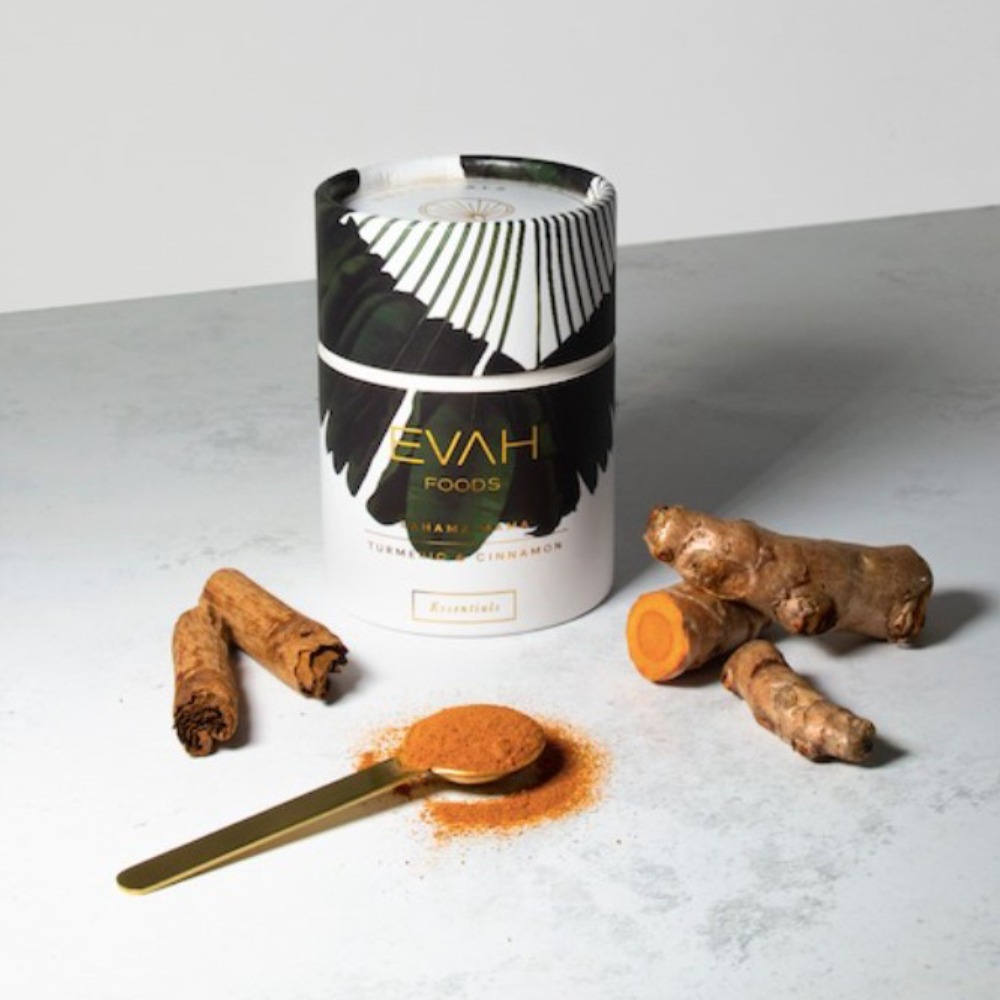
| 特徴 | 良い」とはどのようなものか | 何を防ぐか | 確認方法 |
|---|---|---|---|
| 環境に優しい梱包材 | リサイクル可能な紙ベースの構造、スマートな素材ミックス | “グリーンウォッシング ”の主張、廃棄物への苦情 | 市場別マテリアル・スペック+リサイクル・パス |
| 使いやすいパッケージと利便性 | スムーズな開閉、安定した摩擦、必要に応じて再シール | 悪い箱詰め、返品、否定的なレビュー | ユーザー・テスト + クロージング・サイクル・テスト |
| 製品にフィットする機能的なパッケージデザイン | 公差が厳しく、ガタつきがなく、安定したインサート | 破損、移動、ラベルの擦れ | 適合サンプル+落下/揺れシミュレーション |
| 耐久性に優れた保護梱包で出荷 | 強い耐衝撃性、きれいなエッジ、安定した蓋 | へこみ、潰れたカートン、擦れた仕上げ | 圧縮+落下試験計画 |
| ビジュアル・アピールとブランドの一貫性 | 安定した色、鮮明な印刷、安定した仕上がり | “「バッチが違えば見た目も違う” | Pantone/CMYK ターゲット + 承認済みマスターサンプル |
| 包装に関する規制対応 | 用途に適したラベル、より安全なインク/ライナー | 差し押さえ、コンプライアンス・リスク | カテゴリー別コンプライアンス・チェックリスト |
| 包装資材のサプライチェーン・トレーサビリティ | バッチ追跡+サプライヤーの文書化 | 品質論争、リピートオーダー・ドリフト | ロット記録+入荷チェック |
| カスタムパッケージングの品質管理プロセス | 明確なQCチェックポイントとAQLサンプリング | “「良いサンプル、悪いバルク” | 生産前サンプル+インラインQCレポート |
エコフレンドリーとは、“ソフト ”や “チープ ”という意味ではない。つまり、作りすぎず、商品や市場に合った素材を選ぶということだ。.
紙管包装は、コア構造が紙ベースのままであるため、ここでうまく機能する。また、重いプラスチック窓、混合ラミネート、分離しにくいライナーなど、リサイクル性を損なう「余分なもの」をコントロールすることもできます。.
もしあなたの製品がプラスチックなしで高級感のある棚を必要とするなら、混合素材を加える代わりに、表面仕上げとスマートな構造に頼ることができる。.
B2Bの一般的な勝利:寸法重量と充填材の削減。サイズの適正化は、小銭を削ることではありません。へこみを減らし、カートン詰めを改善し、よりクリーンなフルフィルメントを実現することです(特に越境ECやFBAスタイルの倉庫の場合)。.
良いサプライヤーは、あなたについて話すはずだ:
顧客は摩擦を覚えている。開けるのに苦労したら、箱のせいではなくブランドのせいにする。.
紙管の場合、「感触」が重要である。蓋の滑り具合、ロックのきつさ、何度使っても変わらないかどうか。これは美学ではない。特に輸送中に湿度や温度が変化する場合はなおさらだ。.
日用品を販売するのであれば、安心感はあるが、“両手で戦う ”必要がないクロージャーを目指そう。”
製品を個別に発送する場合、包装はレビューのファネルの一部となります。きれいに開封し、きれいに公開し、雑なホコリや擦り傷がないことは、長い道のりを歩むことになる。.
実用的な例:ヘアアクセサリーブランドは、チューブ形式を維持しながら、ウィンドウでディスプレイの価値を高めることができる。ウィンドウ・スタイルのコンセプトはこちら: クリアウィンドウ付きヘアバンド用紙管包装 .
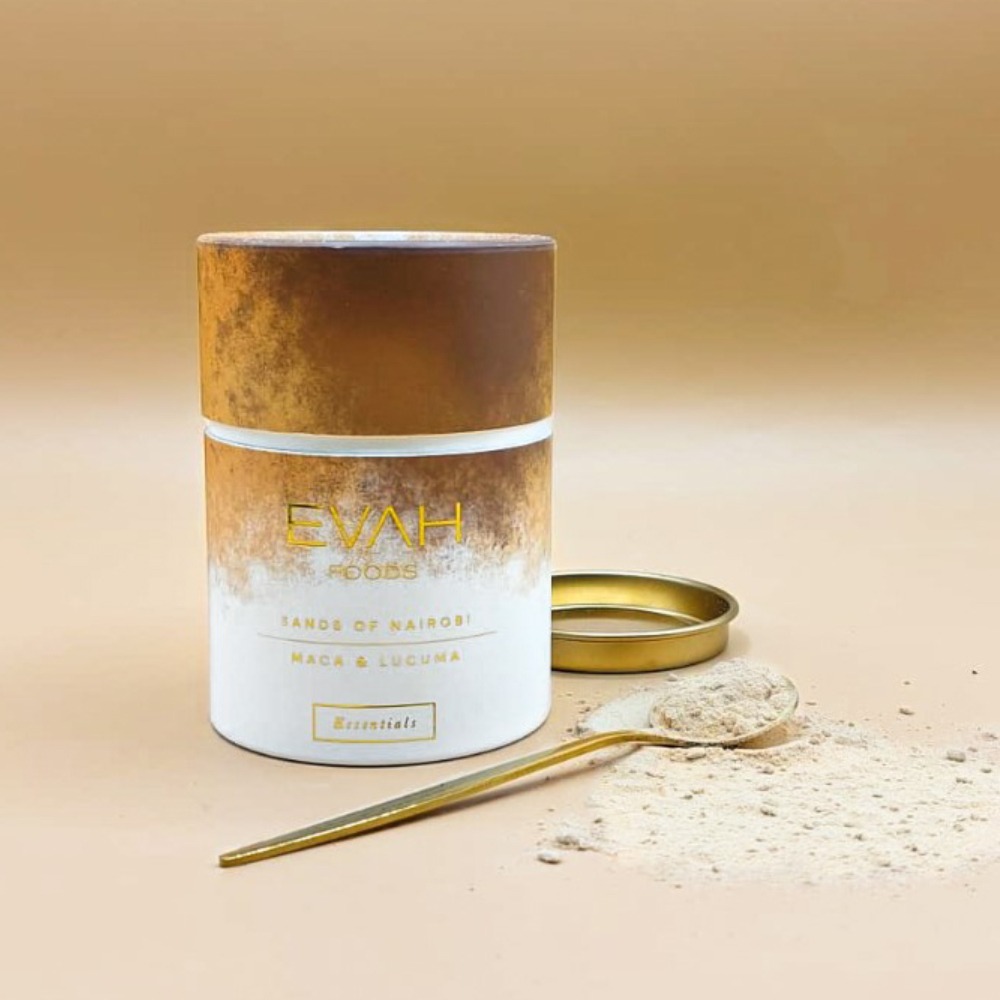
“「見た目が良い」だけでは、中で製品がずれるとすぐにダメになる。また、フィット感が良いと、梱包ラインのスピードも上がる。.
紙管の場合、わずかな公差の変化がすぐに現れる:
製品の寸法、インサートのタイプ、クロージャーの締め付けの目標値を含む適合計画を求める。.
製品によって必要なインナープロテクターは異なる:
食品関連のユースケースでは、このスタイルが参考になる: 茶包装用クラフト紙管箱 .
オンラインで販売する場合、配送時のダメージはマージン漏れにつながります。高品質の梱包は、すべてのユニットをレンガにすることなくダメージを軽減します。.
結果を得るために複雑な実験用語は必要ない。必要なのは再現性のあるテスト計画だ:
耐久性に真摯に取り組むサプライヤーは、クレームをつける前にプランを提案してくれる。.
紙は丈夫だが、湿気と臭いには注意が必要だ。湿度の高い地域に出荷したり、非気候性の倉庫に保管する場合は、それについて話してください:
サプリメント形式のパッケージについては、このフォーマット例を参照のこと: プロテインパウダー包装シリンダーボックス .
プレミアム・パックはコンバージョンを高めることができる。しかし、一貫性が信頼を保つ。.
SKUを拡大する場合、“十分近い ”色ではなく、予測可能な色が必要です。サプライヤーにターゲット(PantoneまたはCMYK)を伝え、承認されたマスターサンプルをロックします。.
ブランドカラーが商品認知の一部となることが多い化粧品では、なおさら重要である。関連するカテゴリーの例を挙げよう: 化粧品チューブ包装 .
擦れによって高級感が損なわれるのは早く、特にカートンの取り扱いが多い国境を越えた輸送ではなおさらです。お問い合わせください:
コンプライアンスは “後で考える ”テーマではない。どのような素材やプロセスが理にかなっているかが変わるのだ。.
パッケージが食品に触れる(あるいは、規制当局が接触リスクとして扱うほど近くに置かれる)場合、より安全な選択が必要である。用途に合ったインク、コーティング、ライナーである。.
紅茶は、バイヤーが高級感のある陳列と実用的な鮮度の両方を期待している典型的な例である。.
規制製品を販売する場合、クロージャーのデザインが製品になります。高級感があり、大人をイライラさせない、子どもにも使いやすいソリューションが必要です。.
以下は、規制されたカテゴリーに関連するフォーマット例である: リサイクル可能な大麻の子供の抵抗力があるペーパー管の包装 .
バッチに問題が発生した場合、トレーサビリティによって何週間も議論する必要がなくなる。.
高品質のサプライヤーは、材料のロット、生産バッチ、QCチェックポイントを追跡します。これは、数ヶ月後に再注文する際に、同じ色、同じ蓋の感触、同じ仕上げを求める場合に重要です。.
また、B2Bを販売し、小売パートナー向けに一貫したパッケージングが必要な場合にも重要である。.
実際の決断に対応する文書を求める:
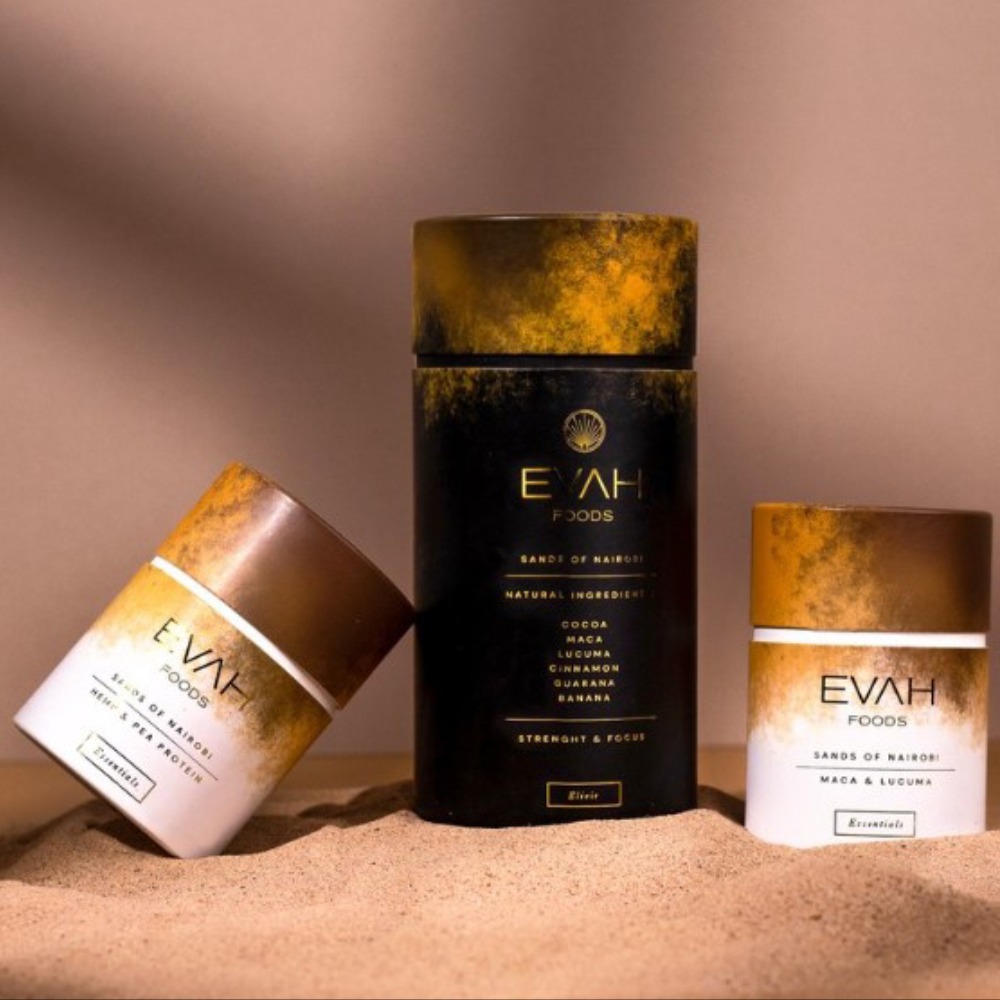
ここで “プロフェッショナル ”が測定可能になる。.
写真でしかよく見えないサンプルを承認してはいけません。マッチしたサンプルを承認すること:
高級アクセサリーを販売する場合、このようなパッケージはサンプリングが重要な理由を浮き彫りにする: ジュエリー&ブレスレット用紙管ボックス .
工場を細かく管理する必要はない。再現可能なQC計画は必要だ:
そうすることで、「最初のカートンは素晴らしく見えたが、残りは疲れて見えた」という典型的な問題を避けることができる。“
このチェックリストが、ブランド・オーナー、卸売業者、越境販売業者、包装流通業者など、貴社がすでにサービスを提供している一般的なバイヤーのタイプにどのように対応しているかをご紹介します。.
| バイヤータイプ | 彼らが最も気にかけていること | 勝つパッケージング機能 | 試合例 |
|---|---|---|---|
| ブランド・オーナー(小売) | 棚へのインパクト+一貫性 | 印刷の一貫性+高級仕上げ | 化粧品チューブ包装 |
| 越境ECセラー | ダメージ率+レビュー | 耐クラッシュ性+スカッフ・コントロール | プロテイン・パウダー・シリンダー・ボックス |
| 卸売業者/販売業者 | 繰り返し精度+リードタイムの安定性 | 標準化された仕様とトレーサビリティ | 製品カタログ |
| 代理店/デザインスタジオ | ディールラインの精度+クリーンな実行 | 厳しい公差+サンプル規律 | 厳格なブランドカラーを持つあらゆるSKU |
| 規制製品販売業者 | コンプライアンス+閉鎖パフォーマンス | お子様にも安心な構造+ラベリング | 子供用チューブ包装 |
OEM/ODMを一括発注する場合は、シンプルで体系的なものにしましょう:
ブランドの概要にすぐに戻りたい場合は、ホームページをご覧ください: トップカスタム紙管ボックスメーカー.