ポップアップ・フォーム

まだ適切なパッケージング・ソリューションが見つからない?私たちの上司に相談してください。.

弊社のウェブサイトをご覧になったり、営業担当とお話になったりしても、まだ明確な道筋が見えない場合は、こちらからリクエストをお送りください。あなたのメッセージは、実現可能性、コスト、リードタイムをエグゼクティブレビューするために、私たちのゼネラルマネージャーに直接送られます。明確な次のステップ、つまり何ができるか、何が必要か、お見積もりへの最短ルートをお知らせします。.

  • 仕様、ユースケース、制約をGMが直接レビュー
  • サイズ+構造チェック:直径、高さ、壁強度、インサート
  • ブランド+予算に合わせた印刷/仕上げの提案
  • コストダウンの選択肢とリードタイム改善の選択肢
  • 見積もりパスの明確化:MOQ、サンプリング計画、次に何をすべきか
リース・ペン
ボスと話す
ポップアップ・フォーム

カスタム紙管包装の迅速な見積もりを得る

パッケージング・マネージャー、調達、パッケージング・エンジニア向け。サイズ、数量、仕上げを指定すると、米国/欧州プログラム向けの要求価格、リードタイム、仕様ガイダンスが表示されます。.

  • 直径、高さ、肉厚、インサート、ライナー、クロージャーのカスタマイズが可能。
  • プレミアム仕上げ:CMYK/パントン、フォイル、エンボス、UV
  • 明確な調達:明確なスペック+QC+DFMガイダンス
  • 持続可能:ご要望に応じてFSC®紙を提供
  • 小児用:ISO 8317 / PPPAに準拠した設計
リース・ペン
パッケージング・エンジニアに聞く

Exploring 15 Common Types of Apparel Boxes

If you sell apparel, you already know the pain points. Shirts wrinkle. Socks get lost in the void. Accessories rattle around and look cheap. Then returns climb, reviews dip, and your team spends too much time on “packaging firefighting.”

The fix usually isn’t “a nicer box.” It’s the right box type for the product shape, sales channel, and brand position. That’s what this guide covers, with real-world scenarios you’ll recognize.

If you want to browse packaging styles first, start at the 製品カタログ and then narrow down from there.

Apparel Boxes

Apparel boxes are not just containers: protection + brand experience + unboxing

A good apparel box does three jobs at once:

  • Protection: keeps shape, prevents scuffs, reduces wrinkles, and blocks dust.
  • Brand experience: your customer reads the box before they read the care label.
  • Unboxing flow: faster open, cleaner presentation, less mess on a table.

Think of it like retail staging. A crisp shirt in a sloppy box feels like a mismatch, even if the product is great. On the other hand, a clean, well-fit box signals “this brand has its act together.”

Different apparel box types match product shape and sales channel

Here’s a simple rule: shape drives structure, channel drives strength.

  • Shape: long and narrow (ties, belts) needs inserts or partitions. Soft and bulky (hoodies) needs room and compression control.
  • Channel: retail needs “shelf-stop” design and clean display. E-commerce needs transit toughness and fast packing.

Retail packaging vs e-commerce packaging

Retail packaging wins when it reduces “decision friction.” Your customer should understand the product quickly—color, texture, size, premium cues.

E-commerce packaging wins when it reduces “damage friction.” If you ship daily, you want fewer dents, fewer crushed corners, fewer “arrived wrinkled” messages.

E-commerce mailer boxes: ECT, fit, and damage control

When apparel ships, most damage comes from two things:

  1. Empty space: the product slides, folds, and creases.
  2. Low compression strength: boxes cave in during stacking and last-mile handling.

So your spec should talk about:

  • ECT (Edge Crush Test) targets or equivalent strength requirement
  • Internal fit (box dimensions + folding method)
  • Protective add-ons like tissue, insert cards, or corrugated reinforcement

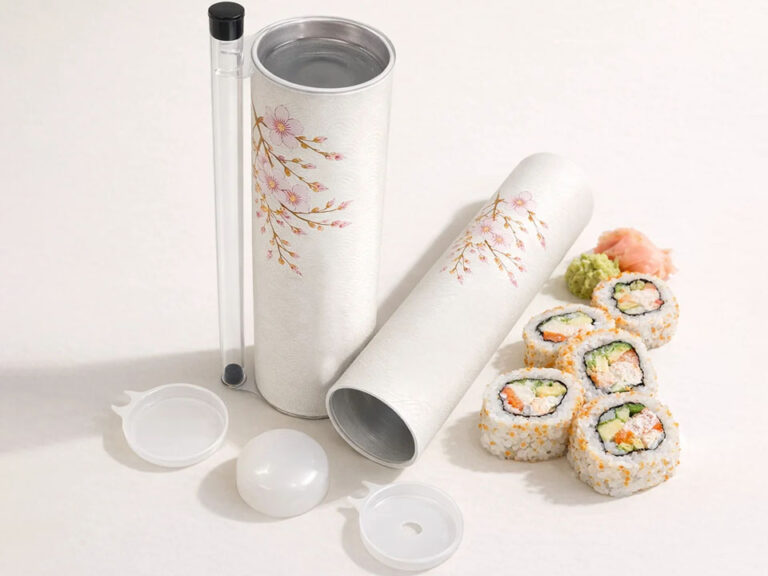
If you also sell small accessories, you can borrow proven packaging logic from rigid or tube formats. For example, a tight-fit tube protects slim SKUs and keeps them “presentation-ready.” You can see a window-and-handle style idea here: clear window paper tube packaging

Premium packaging increases perceived value and repeat orders

Premium packaging isn’t about being fancy. It’s about removing doubt.

  • A rigid feel says “this won’t arrive crushed.”
  • A clean insert says “this is intentional.”
  • A quiet open/close says “this is quality control, not luck.”

If you run a boutique brand, premium packaging also supports your AOV story. A customer who buys a gift wants the box to do part of the talking.

For premium cues, small finishing details matter: ribbon pull, soft-touch coating, tight seams, clean edges. If you want a “gift-ready” vibe, look at how a ribbon detail changes perception: silk bowknot tube box packaging

Apparel Boxes

Packaging design: structure, print, and “shelf-stop” details

In apparel packaging, design isn’t only graphics. Structure does a lot of work:

  • Magnetic closure feels premium and keeps the box aligned.
  • Partitions prevent accessories from clanking.
  • Die-cut windows help retail shoppers confirm color and texture.
  • Matte lamination hides fingerprints and looks clean under store lighting.

Print choices should match channel:

  • Retail: emphasis on brand identity and “pick me up.”
  • E-commerce: emphasis on durability and scuff resistance.

If you run multiple SKU lines, keep the structure consistent and vary the outer wrap or label. That keeps your line looking unified without turning production into chaos.

Sustainable packaging: recyclable materials, FSC, and compliance-ready claims

“Sustainable” can’t stay vague. Buyers now ask for specifics.

A safer way to talk about sustainability:

  • 用途 recyclable paper-based structures where possible
  • Reduce mixed materials when you can
  • Prepare documentation for sourcing and compliance conversations

If you sell in regulated categories (or you sell on platforms that police packaging claims), compliance-ready packaging matters. Even if apparel itself isn’t regulated, your brand may still ship bundles that include accessories or lifestyle products. For an example of a compliance-focused tube style, see: recyclable child resistant paper tube packaging

Window boxes reduce decision friction in retail

A window box works when:

  • color accuracy matters
  • texture sells the item
  • the customer compares options side-by-side

It’s especially useful for:

  • tights and hosiery
  • socks with patterns
  • small accessories (hair bands, scrunchies, scarf rings)

One caution: windows can reduce strength if you cut too much out of the panel. Balance the viewing area with reinforcement.

15 common types of apparel boxes and where they fit best

Use this table as a quick mapping tool. It’s built around the most common apparel packaging formats and how they show up in real orders.

Apparel box typeBest forWhat it solvesGood fit for
Clothing boxesgeneral apparelclean presentation + protectionretail, gifts, subscription
Belt boxesbeltsprevents bending/scuffspremium accessories
Tie boxestieskeeps long items alignedmenswear, gifting
Boutique boxesboutique apparelbrand identity + premium feelDTC, retail brands
Custom shirt boxesshirtsreduces wrinkles via fitformalwear, uniforms
Cardboard apparel gift boxesgifts“ready-to-gift” lookseasonal promos
Lingerie boxeslingerieprivacy + premium cuesintimate brands
Socks boxessockskeeps pairs organizedretail walls, bundles
Cufflink boxescufflinksno rattling, premium insertmens accessories
Corrugated mailer boxese-commerce shippingstacking strength + speedmarketplace sellers
Hat boxeshatspreserves shapefashion hats, gifting
Decorative pillow boxessmall accessoriesquick pack + unique lookevent drops
Hoodie packaging boxeshoodieshandles bulk, avoids crushstreetwear, winter lines
Shoe boxesshoesstructure + repeatable sizingfootwear brands
Tights boxestights/hosieryavoids snagging, clean displayhosiery retail

Quick selection matrix for common apparel packaging scenarios

This matrix helps you choose without overthinking. It also works as an internal checklist for your team.

シナリオPriorityCommon failureRecommended box direction
DTC brand shipping 50–500 orders/daydamage control + speedcrushed corners, wrinklingcorrugated mailer + snug fit
Boutique retail launchshelf-stop + premium“looks generic”boutique box + branded finish
Corporate uniformsconsistencysize chaos, wrinklingcustom shirt box by size range
Holiday giftingプレゼンテーションneeds extra bag/wrapcardboard gift box + insert
Socks / small accessories wallorganizationmessy displaysocks box + clear labeling
Hosieryvisual confirmationcolor mismatch complaintstights box + window option

OEM/ODM apparel packaging that scales: what to ask for in your RFQ

If you buy in bulk, the fastest way to avoid mistakes is to send a clean RFQ. Here’s what your supplier needs to quote correctly:

  • Dieline size (internal dimensions) and target folding method
  • Board type / strength requirement (include ECT targets if you ship e-commerce)
  • Insert needs (partitions, cards, tissue, hooks)
  • 終了 (matte/gloss, lamination, foil, emboss)
  • Print method (spot color vs full color)
  • Packing method (flat-packed vs pre-assembled)
  • QC checkpoints (drop handling expectations, scuff resistance, color tolerance)

If you also package adjacent categories—beauty, wellness, accessories—keeping one supplier across lines can simplify procurement. You can see examples of multi-category production styles here:

Apparel Boxes

Top Custom Paper Tube Boxes Manufacturer: production capacity that supports bulk, wholesale, and fast restocks

If you’re a retailer, brand owner, cross-border seller, distributor, or agency, you care about one thing after design: can the factory actually deliver at scale without quality drifting?

That’s where a modern setup matters. Your production plan needs clean workflow, organized storage, and steady output so you can restock without drama. You can start from the site homepage here: トップカスタム紙管ボックスメーカー

To keep shopping simple, this internal link list comes from your site URL map .

Wrap-up: pick the box that protects the product and sells the brand

If you only remember one thing, remember this: fit first, channel second, finish third. Nail those three and you’ll cut the most common packaging headaches—wrinkles, crush damage, messy presentation, and weak brand impression.

コメント
愛を分かち合う