ポップアップ・フォーム

まだ適切なパッケージング・ソリューションが見つからない?私たちの上司に相談してください。.

弊社のウェブサイトをご覧になったり、営業担当とお話になったりしても、まだ明確な道筋が見えない場合は、こちらからリクエストをお送りください。あなたのメッセージは、実現可能性、コスト、リードタイムをエグゼクティブレビューするために、私たちのゼネラルマネージャーに直接送られます。明確な次のステップ、つまり何ができるか、何が必要か、お見積もりへの最短ルートをお知らせします。.

  • 仕様、ユースケース、制約をGMが直接レビュー
  • サイズ+構造チェック:直径、高さ、壁強度、インサート
  • ブランド+予算に合わせた印刷/仕上げの提案
  • コストダウンの選択肢とリードタイム改善の選択肢
  • 見積もりパスの明確化:MOQ、サンプリング計画、次に何をすべきか
リース・ペン
ボスと話す
ポップアップ・フォーム

カスタム紙管包装の迅速な見積もりを得る

パッケージング・マネージャー、調達、パッケージング・エンジニア向け。サイズ、数量、仕上げを指定すると、米国/欧州プログラム向けの要求価格、リードタイム、仕様ガイダンスが表示されます。.

  • 直径、高さ、肉厚、インサート、ライナー、クロージャーのカスタマイズが可能。
  • プレミアム仕上げ:CMYK/パントン、フォイル、エンボス、UV
  • 明確な調達:明確なスペック+QC+DFMガイダンス
  • 持続可能:ご要望に応じてFSC®紙を提供
  • 小児用:ISO 8317 / PPPAに準拠した設計
リース・ペン
パッケージング・エンジニアに聞く

Material Revolution of Cylindrical Packaging: Decoding the Technological Code and Aesthetic Expression of Modern Packaging Boxes

Cylindrical packaging isn’t just “a nicer box” anymore. It’s a performance spec, a brand touchpoint, and a supply-chain tool—rolled into one.

If you’re buying in bulk (OEM/ODM, wholesale, private label, retailer programs), your tube has to survive real life: humid warehouses, 3PL handling, cross-border transit, marketplace returns, and messy shelves. Material choices decide whether your pack stays crisp, seals tight, prints clean, and still looks premium after the last-mile drop.

If you’re new here, start from our homepage: トップカスタム紙管ボックスメーカー. Or jump straight into the catalog: Paper Tube Packaging Products.

Material Revolution of Cylindrical Packaging

Paper-based composite materials

Paper tubes look simple, but modern builds are layered. Think structure + barrier + finish. When you spec it right, paper composites handle stacking pressure, moisture risk, and brand presentation without turning the pack into a “plastic-feel” cylinder.

Barrier layers and moisture control

If you ship tea, coffee, supplements, or powders, humidity is the quiet villain. A paper composite tube can add a barrier liner, tighter fit closures, and surface protection so the pack doesn’t go soft or scuff during fulfillment.

A common buyer move is pairing paper structure with a stronger closure system for freshness cues—like this food-grade tinplate cover kraft paper tube for tea packaging.

Stacking strength and crush resistance

Tubes naturally resist vertical compression better than many folding cartons. That matters when cartons get stacked high, strapped tight, or squeezed in mixed pallets.

For bulk nutrition SKUs, you’ll usually spec a thicker wall + a rigid core so the tube stays round and the lid stays aligned. Here’s a solid example for that category: プロテインパウダー紙管包装.

Paper wins when you want the “hand-feel” to do part of the selling. Soft-touch, embossing, kraft texture, matte lamination—those are all brand signals customers understand instantly.

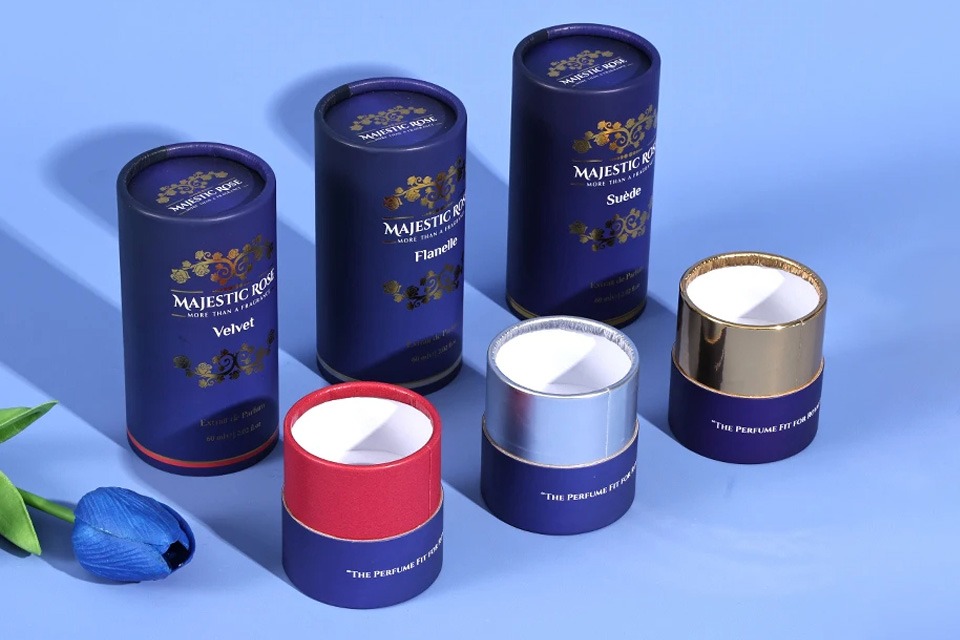
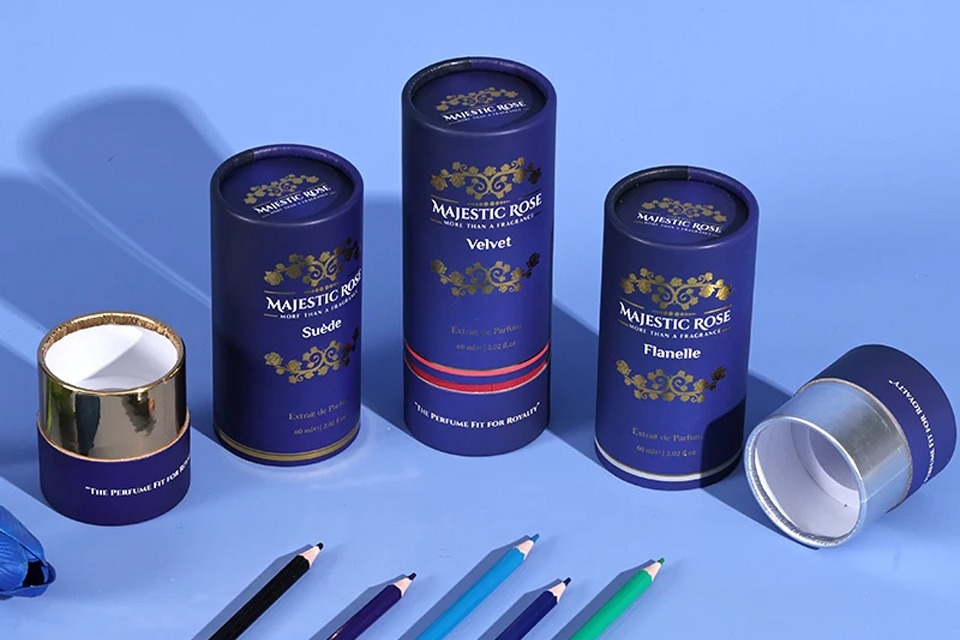
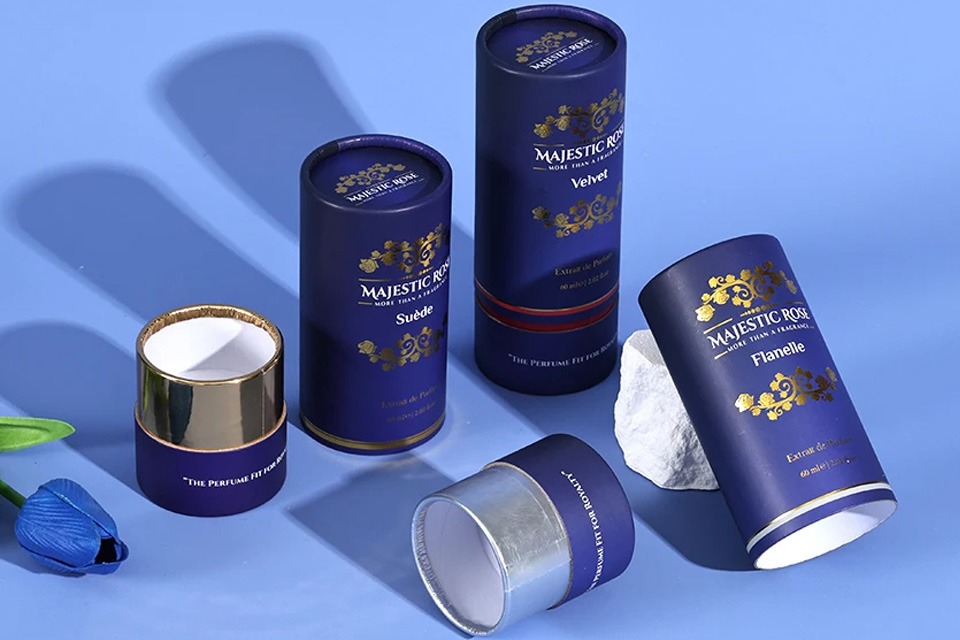
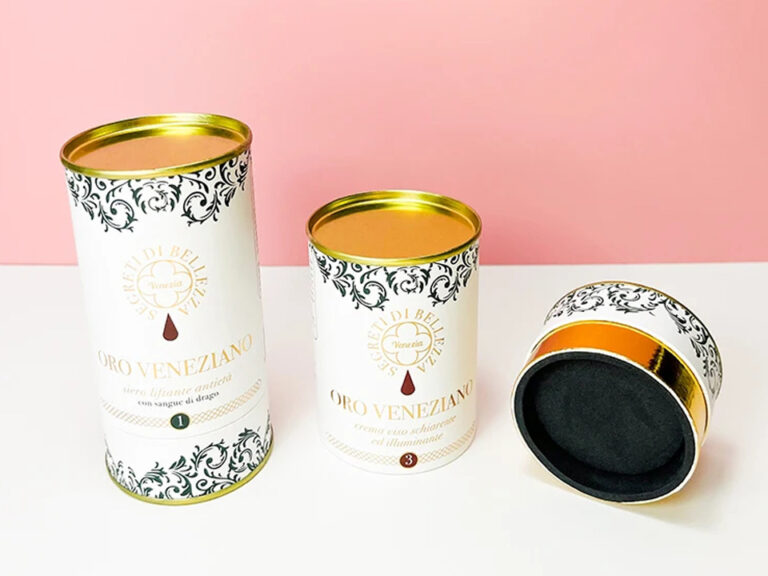
If you’re in beauty and you want that premium grip plus clean graphics, this style shows the direction: 化粧用厚紙チューブ.

Engineering plastics

In tubes, plastics shouldn’t be a default. They should earn their spot. Use them when you need visibility, impact resistance, tighter tolerances, or a stable inner layer—especially for cross-border and marketplace-heavy SKUs.

Visibility and impact resistance

If customers want to “see it before they buy it,” a windowed tube boosts conversion and cuts hesitation. It also helps with variant clarity when you run lots of SKUs.

A practical hybrid format is paper structure + clear window + carry detail, like this 透明窓付き紙管包装.

Hybrid structures: paper tube + clear window

This is a common compromise for brands that want a paper-forward story but still need display behavior. In sourcing terms, it’s also easier to manage: you keep the paper tube supply stable, then tune the window size, film type, and glue spec based on your channel.

Material Revolution of Cylindrical Packaging

Metal alloys

Metal in cylindrical packaging is about trust and reuse. A metal closure feels secure. It signals “fresh and premium,” and it encourages customers to keep the tube on a shelf—long after the product is gone.

Tinplate lids and freshness cues

For tea, coffee, and confectionery, lid feel is not a detail. It’s a perception trigger. A solid metal lid reduces “is this stale?” doubts, and it can improve the unboxing moment without making it flashy.

That’s exactly why formats like tinplate cover kraft paper tube for tea packaging show up so often in premium food gifting.

Surface finish and brand color control

Metals can also sharpen the look—especially when you need consistent color, crisp edges, or a more “collectible” feel. If your brand depends on a signature tone (Pantone matching, clean highlights, minimal design), metal closures help keep the pack looking intentional under retail lighting.

Bio-based materials

Bio-based doesn’t have to mean fragile. What buyers usually want is simple: fiber-forward structure that still hits performance targets and supports sustainability requirements across retail and export channels.

Fiber-based recyclable structures

For many brands, the practical win is the same: paper tubes that scale, ship well, and fit recycling expectations in key markets. That keeps your packaging story consistent while you grow from small runs into big replenishment cycles.

Child-resistant paper tube packaging

In regulated categories, “safe by design” matters. You need packaging that supports compliance, reduces risk, and still looks like a real brand—not a generic container.

If you’re building that kind of line, this is a relevant format: cannabis child resistant paper tube packaging.

Smart materials

“Smart” in packaging usually means one of two things: track-and-trace または condition cues. It’s not about gimmicks. It’s about fewer disputes, fewer counterfeits, and smoother channel control.

NFC and anti-counterfeit packaging

If you sell on marketplaces or through multiple distributors, counterfeit and channel leakage can become a weekly headache. Smart packaging features can support authentication flows, verify batches, and strengthen brand registry claims.

This matters a lot in categories like CBD, where buyers care about trust and provenance. Here’s a format that fits that scenario: CBDカートリッジ用紙管箱.

Temperature indicator inks and cold-chain risk

For products that can’t get overheated or mishandled, visual indicators help reduce “he said, she said” disputes in logistics. Even a simple temperature cue can support better claims handling and retailer conversations.

Material selection matrix

Here’s a sourcing-friendly way to map materials to real buyer pain points. Use it when you’re building your RFQ, tightening your dieline, or aligning with your 3PL.

Material systemBest-fit pain pointTypical build approachStrong-fit categories“Buyer outcome” language
Paper-based composite materialscrush resistance, scuff control, premium feelrigid paper core + barrier liner + premium wrapsupplements, cosmetics, food giftingfewer damaged units, cleaner shelf look
Engineering plasticsproduct visibility, drop performance, tighter tolerancespaper tube + clear window / stable inner layeraccessories, variant-heavy SKUs, kitshigher conversion, fewer “arrived broken” claims
Metal alloysfreshness confidence, reuse valuepaper tube + tinplate lidtea, coffee, confectionerybetter perceived quality, stronger gifting appeal
Bio-based materialssustainability alignment, scalable supplyfiber-forward structures, paper-first buildswellness, beauty, regulated categorieseasier retailer onboarding, cleaner compliance story
Smart materialsanti-counterfeit, traceability, cold-chain cuesNFC/QR-ready structure, indicator featuresmarketplace-heavy, regulated, exportfewer disputes, better channel control
Material Revolution of Cylindrical Packaging

Packaging scenarios that show up in the real world

Most projects don’t fail on design. They fail on operational friction: returns, scuffs, lid misfit, inconsistent color, or packaging that slows down picking and kitting.

E-commerce fulfillment and marketplace shipping

If your SKU is going through a 3PL, plan for friction: cartons packed too tight, conveyors, last-mile drops, and random weather.

A simple rule: spec for shape retention そして closure stability. That keeps the tube round, keeps the lid aligned, and reduces customer complaints.

Retail planogram and shelf conversion

Retail is brutal. Your package has to look sharp after handling, not just fresh out of a box.

For beauty supplements or “daily routine” products, strong graphics and print consistency matter. This is the style direction many brands use: 両面印刷紙管包装.

Variant management and SKU scaling

When your line grows, your packaging system needs to stay tidy. Cylindrical formats help by standardizing diameters and heights while letting you vary labels, finishes, and closures. That reduces production chaos and keeps procurement cleaner.

OEM/ODM wholesale execution for growing brands

Bulk buyers care about repeatability: color consistency, stable lead times, clean QC, and reliable output—especially when you’re supplying retailers or scaling cross-border.

That’s why we support OEM/ODM and wholesale programs designed for brand owners, manufacturers, cross-border sellers, distributors, agencies, and private label teams—so your packaging can scale without constant rework.

If you want to browse formats fast, use the Paper Tube Packaging Products page as your starting point.

Quick takeaways for buyers

  • Pick the material system based on your channel: marketplace shipping, retail shelves, or gifting behaves very differently.
  • Paper composites are your go-to when you need premium feel, strong branding, and scalable structure.
  • Plastics belong where visibility and drop performance directly protect revenue.
  • Metal closures add trust, freshness cues, and long-term brand exposure through reuse.
  • Smart features work best as brand protection and traceability tools—not decoration.
コメント
愛を分かち合う