まだ適切なパッケージング・ソリューションが見つからない?私たちの上司に相談してください。.
弊社のウェブサイトをご覧になったり、営業担当とお話になったりしても、まだ明確な道筋が見えない場合は、こちらからリクエストをお送りください。あなたのメッセージは、実現可能性、コスト、リードタイムをエグゼクティブレビューするために、私たちのゼネラルマネージャーに直接送られます。明確な次のステップ、つまり何ができるか、何が必要か、お見積もりへの最短ルートをお知らせします。.

ボスと話す

弊社のウェブサイトをご覧になったり、営業担当とお話になったりしても、まだ明確な道筋が見えない場合は、こちらからリクエストをお送りください。あなたのメッセージは、実現可能性、コスト、リードタイムをエグゼクティブレビューするために、私たちのゼネラルマネージャーに直接送られます。明確な次のステップ、つまり何ができるか、何が必要か、お見積もりへの最短ルートをお知らせします。.
パッケージング・マネージャー、調達、パッケージング・エンジニア向け。サイズ、数量、仕上げを指定すると、米国/欧州プログラム向けの要求価格、リードタイム、仕様ガイダンスが表示されます。.
堆肥化可能な包装は簡単そうに聞こえる。パックを「なくす」、そうだろう?
実生活では、もっと厄介だ。堆肥化は 荷物の行き着く先, 素材, そして ラベルの貼り方. .どれかひとつでも間違えれば、返品や怒りのレビュー、リサイクルの流れの汚染を引き起こす可能性がある。.
このガイドでは、堆肥化可能なパッケージングを、実用的で買い手に優しい8つのチェックポイントに分類している。硬質紙管は、プラスチックを多用することなく高級感を出したいブランドにとって、スイートスポットに位置することが多いからだ。.
オプションを見るなら、まず 紙管包装製品カタログ.
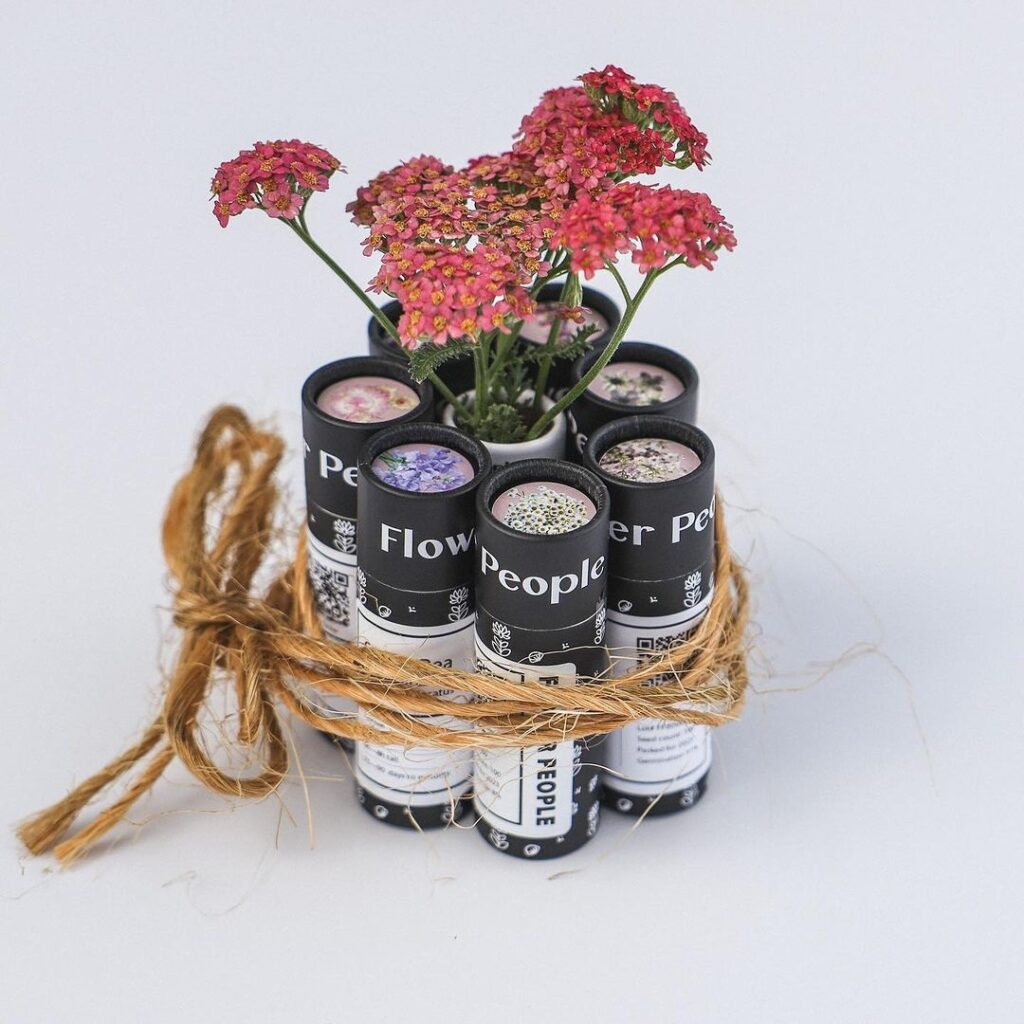
“コンポスタブル ”とは、包装を意味する。 堆肥化環境で分解する そして 有害な残留物を残さない. .キーワードは コンポスト環境で. .もし顧客が堆肥化を利用できなければ、「堆肥化可能」というラベルは、埋立地の終わりを告げる気持ちの良いラベルになってしまう。.
だからこそ、優れた堆肥化包装の仕事は、ひとつの質問から始まるのだ:
顧客は実際にどこに捨てるのか?
地域を越えてオンラインで販売する場合、通常、混在インフラに対する計画が必要になる。その計画はしばしば次のようになる:
紙管は、化粧品から食品、サプリメントに至るまで、多くのカテゴリーにおいて、剛性が高く、保護性があり、紙を前面に押し出したソリューションとして提示しやすいため、ここで役立っている。.
バイヤーが「堆肥化可能なパッケージが欲しい」と言う場合、多くの場合、3つのうちの1つを意味する:
それらはターゲットが違う。だから、まずクレームをロックする必要がある。.
これらのキーワードを正しく使うこと(そして、法務チームが許可しない限り、同じパックにこれらのキーワードを混在させないこと):
何かを印刷する前に、ディラインノートには必ずこう書いてください:
OEM/ODMパッケージが輝くのはこの点だ。規模に合わせて製造すれば、これらの吹き出しを標準化し、後で「おっと」と思うような刷り直しを減らすことができます。.
コンポスタブル・パックをバイブス中心に構築してはいけない。認知された規格を中心に構築するのだ。.
これらのキーワードをよく目にすることだろう:
ほとんどのコンポスタビリティ基準は、次のようなテーマに注目している:
サプライヤーがどの規格で製造したかを教えてくれない場合は、赤信号として扱うこと。.
と頼む:
ほとんどのブランドはこの部分を飛ばしており、顧客の混乱はここから始まる。.
産業用コンポスト より熱く、よりコントロールされている。. 家庭での堆肥化 は千差万別である。工業施設で堆肥化される荷物が、裏庭のゴミ箱で長い間そのままになっていることもある。.
パッケージが湿気や油脂、香りに敏感な商品に触れている場合、それを使用する可能性が高い:
このバリア層によって、構造物全体が堆肥化可能性を正直に主張できるかどうかが決まることが多い。.
抹茶、ルーズリーフ、サプリメントを販売する場合、顧客は新鮮さを期待する。より厳重なバリアが必要かもしれない。その場合、以下の方法がある:
茶葉の場合、香りを保護し、輸送中の破砕を減らすため、強力なクロージャーを備えた硬いチューブが人気のある形式です。茶葉に特化したチューブ構造の一例を紹介しよう: 茶包装用クラフト紙管箱.
完璧な素材でも、顧客が間違ったゴミ箱に捨てれば失敗する。.
ラベルには2つの役割がある:
というような平易な指示を使う:
クレームを誘うような、大雑把で感じのいいセリフは避ける。.
これは小さなことのように聞こえるが、返品や悪い評価を減らすことができる。顧客はゴミ箱の前でバックパネルをスキャンする。その瞬間を簡単にしてください。.
紙は堆肥化できるように見えるが、包装に普通紙が使われることはほとんどない。使われるのは
その “小さなこと ”が、コンポスタブルを自信を持って主張できるかどうかを決めるのだ。.
ここを見てくれ:
硬い紙管は、機能を分けるスペースがある:
この分割は、顧客の大きな悩みを解決することが多い。システム全体を1つのクレームに押し込むことなく、棚のインパクトと出荷の強度を維持することができるのだ。.
粉末やサプリメントを包装する場合、チューブ形式は「スクープ体験」を向上させ、角つぶれの苦情を減らすこともできる。例 プロテインパウダー包装用紙管箱.
堆肥化可能な包装は、食品廃棄物の回収に役立つ場合、最も理にかなっている。そのため、このような包装が多く見られるのである:
それが勝利につながる:
もしあなたのバイヤーが外食産業向けに販売するのであれば、箱ひとつではなく、パッケージング・システムを構築する手助けをしよう。.
コンポスタブルの主張と組み合わせる:
堆肥化可能な包装材がリサイクルに回されると、問題が生じる可能性があるのだ。.
堆肥とリサイクル品は似ていることがある。選別ラインの動きは速い。荷物の仕分けを誤ると、ベールが汚染されたり、余分な仕分けコストがかかったりします。.
堆肥化可能な材料を選ぶなら、これらを実行する:
代わりに紙を前面に押し出した包装を選ぶ場合は、コーティングやラベルがリサイクル性を殺さないように注意すること。.
ここが、プロフェッショナル・ブランドと “ソーシャルメディアで流行を見た ”ブランドとの違いだ。”
堆肥化可能なパッケージングを大規模に行いたいのであれば、実際の仕様プロセスを実行できるサプライヤーが必要である:
と頼む:
小売店や販売店、マーケットプレイスを通じて販売していれば、いずれこんな質問を受けるだろう:
“「この堆肥化可能という謳い文句を証明できるか?”
サプライヤーがすでにOEM/ODMプログラムや大量生産ワークフローを実行している場合、より迅速に進めることができます。また、製造能力と工程管理も重要です。最新の食品包装精製工場や拡張可能な倉庫のような)貴社のオペレーション・セットアップは、大量注文の一貫した生産をサポートします。.
コンプライアンスに特に注意を払う必要がある製品フォーマット(小児用パッケージなど)については、ペーパーフォワードの構造を維持したまま、クレームを慎重に絞ることができる。例 大麻小児耐性の紙管包装.
この表は、アートワークを承認する前の簡単な社内レビューとしてお使いください。.
| 決断のポイント | チェックポイント | なぜそれが重要なのか | 代表的な参考文献 |
|---|---|---|---|
| 堆肥化可能な包装の主張 | 正確なクレーム文と配置 | 誤解を招くメッセージの削減 | FTCグリーンガイド(米国)、ローカル広告規則 |
| EN 13432 | 包装の範囲とテストされた材料を確認する | EUの会話における共通標準キーワード | EN 13432 |
| ASTM D6400 | プラスチックの堆肥化性の主張根拠を確認する | 米国での会話でよく使われる定番キーワード | ASTM D6400 |
| 産業用コンポスト | 顧客がアクセスできるかどうか | 堆肥化可能な」パックには堆肥化経路が必要だ | 自治体/運搬船受入リスト |
| 家庭での堆肥化 | 確認されない限り、暗示は禁物 | 家庭用ゴミ箱は様々 | “「家庭で堆肥化可能」の謳い文句ガイダンス |
| コーティングと接着剤 | コーティングタイプ、ラベル接着剤、インク | 小さな部品がコンプライアンスを破る可能性がある | サプライヤー仕様+社内QC |
| 廃棄方法 | “「施設のある場所で堆肥化する」タイプの表現 | リサイクルの汚染を防ぐ | パッケージ・コピー基準 |
| 変更管理 | 材料代替プロセス | サイレント・スペック・ドリフトを防ぐ | サプライヤーQA/QCワークフロー |
硬質紙管は、次のような場合に有効である。 棚の存在感, 輸送力, そして よりクリーンな素材の話.
一般的なカテゴリーは以下の通り:
堆肥化可能なパッケージは、賢明な方法です。また、顧客が堆肥化できる環境を持っていなかったり、ラベルに推測の余地があったりすると、逆効果になることもあります。.
不測の事態が少なく、クリーンな道筋を望むのであれば、ペーパーフォワード構造から始め、クレームを正確にし、パックをシステムのように設計することである。仕様書作成の準備ができたら、初日から素材、コーティング、ラベリング、文書化を整えよう。.
フォーマットを手早く調べたい場合は、次のページに戻ってください。 紙管包装製品カタログ そして、あなたの製品のバリアと輸送のニーズに合った構造物をリストアップしてください。.