まだ適切なパッケージング・ソリューションが見つからない?私たちの上司に相談してください。.
弊社のウェブサイトをご覧になったり、営業担当とお話になったりしても、まだ明確な道筋が見えない場合は、こちらからリクエストをお送りください。あなたのメッセージは、実現可能性、コスト、リードタイムをエグゼクティブレビューするために、私たちのゼネラルマネージャーに直接送られます。明確な次のステップ、つまり何ができるか、何が必要か、お見積もりへの最短ルートをお知らせします。.

ボスと話す

弊社のウェブサイトをご覧になったり、営業担当とお話になったりしても、まだ明確な道筋が見えない場合は、こちらからリクエストをお送りください。あなたのメッセージは、実現可能性、コスト、リードタイムをエグゼクティブレビューするために、私たちのゼネラルマネージャーに直接送られます。明確な次のステップ、つまり何ができるか、何が必要か、お見積もりへの最短ルートをお知らせします。.
パッケージング・マネージャー、調達、パッケージング・エンジニア向け。サイズ、数量、仕上げを指定すると、米国/欧州プログラム向けの要求価格、リードタイム、仕様ガイダンスが表示されます。.
2026年に製品を販売するのであれば、パッケージは「物を入れる」以上の役割を果たす。輸送に耐え、棚に並べれば高級感があり、フルフィルメントのワークフローに適合し、なおかつ持続可能性の嗅覚テストに合格する必要がある。.
それが理由だ。 紙管包装 は、化粧品、お茶、サプリメント、CBD、ギフトセットなどに使われ続けている。手に取るとしっかりとした感触があり、印刷も美しく、適切な方法で仕様すれば、多くの混合素材のパックよりもリサイクルシステムに適している。.
調達する場合 カスタム紙管ボックス OEM/ODM、卸売、プライベートブランド)の場合、一貫性、生産能力、処理能力も重視されます。当社は、近代的な精製工場と12,300㎡の倉庫で大量生産をサポートし、さらに大量生産に対応できる日産能力を備えています。.
フォーマットとカテゴリーはこちらからご覧いただけます: 紙管包装製品
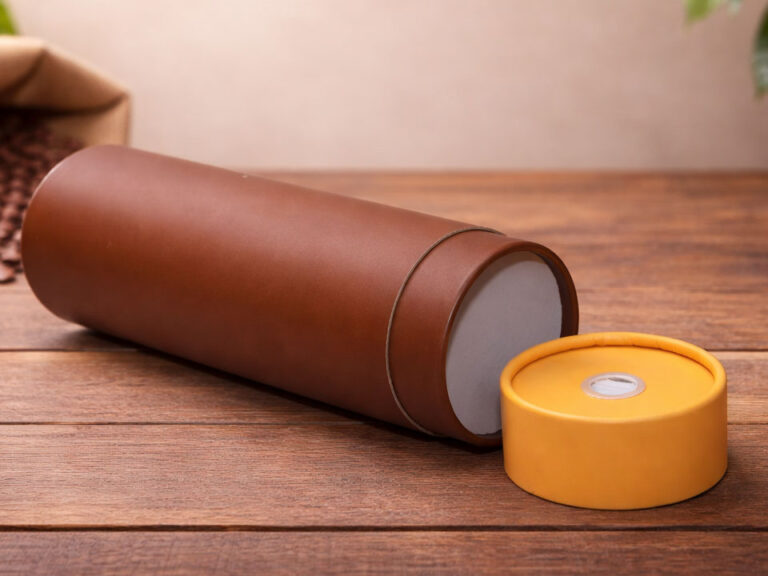
紙管パッケージは、層状の板紙(多くの場合、クラフトまたはグレーボード)で作られた硬い円筒で、ブランディングのための外側のラップが付いている。ほとんどのデザインは 蓋+ベース 構造(スリップリッド、伸縮式、タイトフィット)。また、カテゴリーによっては、金属製の蓋、透明な窓、取っ手、インサート、耐児性クロージャーなどのアップグレードも見られる。.
実際のフォーマットを素早く参照できる:
“「エコフレンドリー」は雰囲気ではありえない。工場、3PL、マーケットプレイス、小売店の棚、そして返品など、実際のオペレーションにおいて耐えうるものでなければならない。.
紙管は通常、3つの実用的な理由で勝利する:
ほとんどの自治体のプログラムでは、何らかの形で紙や段ボールを受け入れている。しかし、キーワードは プログラム規定. .重いラミネート、ホイル、接着されたプラスチック部品を追加した場合、地域によってはパックを「ゴミ箱」に押し込む可能性がある。.
リサイクルは無限ではありません。繊維はシステムを通過するたびに短くなるため、ブランドはグローバル・ループの中でバージン・パルプを必要とします。それは普通のことです。ポイントは、繊維をできるだけ長く循環させることです。.
プラスチックは長持ちし、消滅する代わりに細かく砕ける可能性がある。怖いマーケティングは必要ない。事実に基づき、冷静に。.
ほとんどのブランドはこの部分を飛ばしてしまい、後で後悔する。. リサイクル性はスローガンではなくスペックである。. 2本のチューブが同じように見えても、リサイクル時の挙動はまったく異なることがある。.
バリア保護(湿気、グリース、酸素)が必要な場合は、コーティングやライナーを追加することができる。軽くてリサイクルに適したものもある。また、パックを選別施設が望まない複合材に変えてしまうものもある。.
透明な窓は、ディスプレイには最適です。また、サイズが大きかったり、積極的に接着されていたり、地域のプログラムが拒否する材料で作られていたりすると、リサイクルが複雑になることもある。.
小売店でのプレゼンテーションのためにウィンドウ+ハンドルのスタイルが必要な場合、これは参照すべき一般的な構造である: 透明窓と取っ手付き紙管包装
バリア性能を “顕在化 ”させることはできない。製品が敏感な場合は、パックを設計する必要があります。.
サプリメント、粉末、お茶、湿気に敏感な商品などは、より優れた密封性とバリア性が必要かもしれない。つまり
賢い方法は、製品が本当に必要とするものを明確にし、それを保護しつつ最も軽いソリューションを選ぶことだ。過剰な作り込みは安全に感じるが、持続可能性と包装効率の両方を損なう可能性がある。.
ブランドはこれを “キューブの最適化 ”と呼ぶ。3PLはこれを “Stop shipping air ”と呼ぶ。チューブが製品にしっかりとフィットすれば(そして落下テストに合格すれば)、ボイドフィルを削減し、寸法重量の頭痛の種を減らすことができます。.
紙管は “いいもの ”のためだけのものではない。紙管は、仕事と構造を一致させれば機能する。.
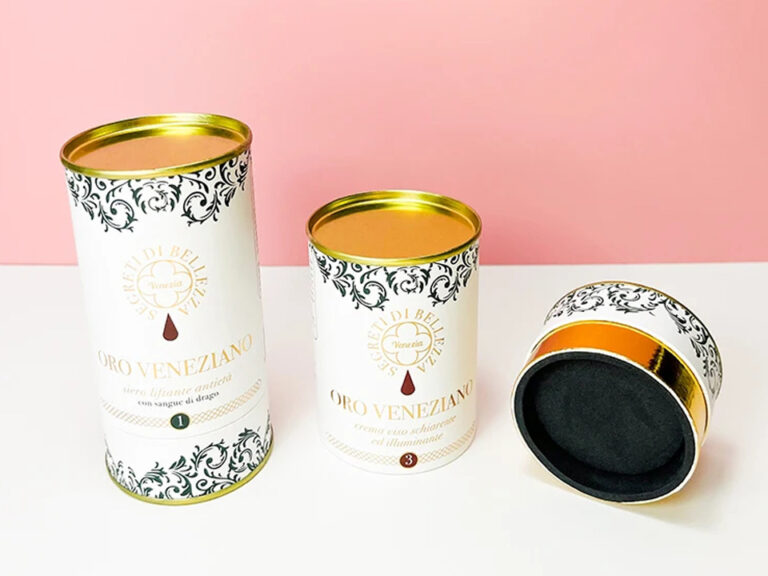
化粧品のバイヤーは、テクスチャー、プリントのディテール、クロージャーの感触に注目します。チューブは、重い硬い箱を必要とせず、高級感のある手触りを提供します。.
参考フォーマット: 化粧用厚紙チューブ
バイヤーが気にすること
パウダーは、輸送中の剛性と保護を必要とする。チューブはまた、コンプライアンス・コピーやブランド・ブロックのために、より多くのビルボード・エリアを提供する。.
参考フォーマット: プロテインパウダー紙管包装
作戦チームが気にすること
紅茶ブランドは、「新鮮さ」のストーリーに加え、ギフトにふさわしい高級感を求めることが多い。金属製の蓋は、本体を繊維ベースに保ちながら、知覚価値を高めることができる。.
参考フォーマット: クラフト紙管茶箱
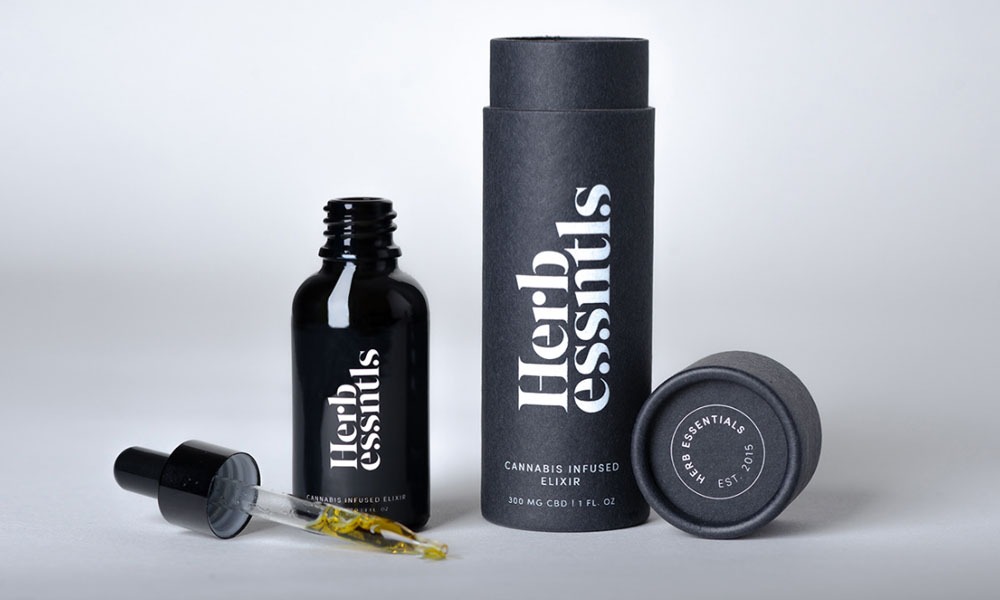
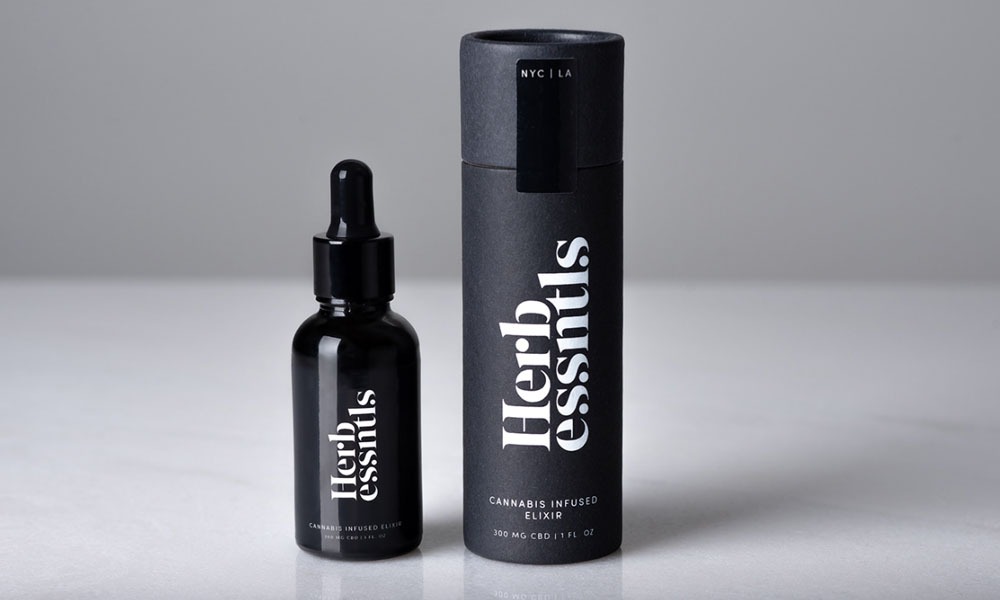
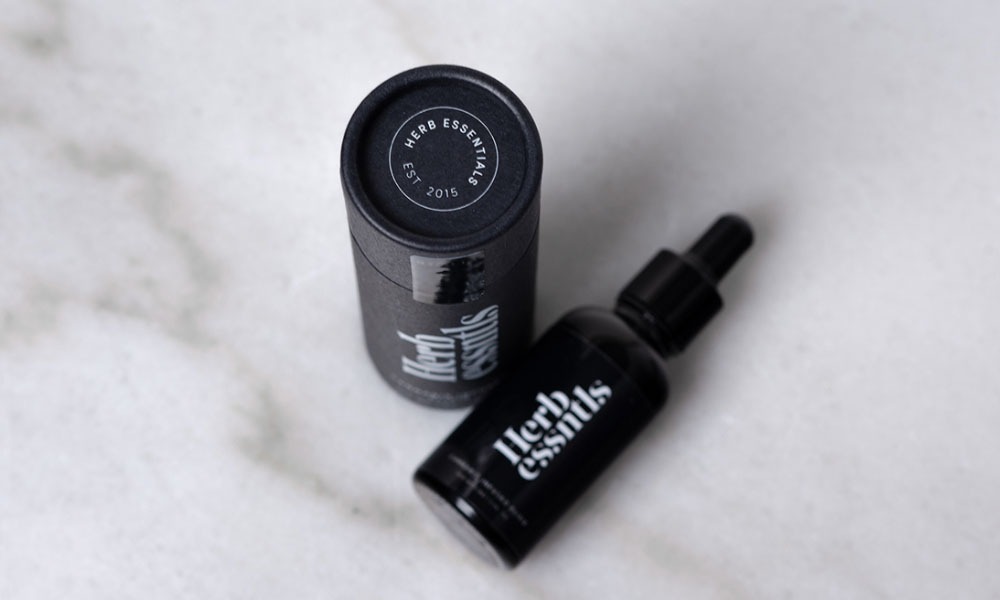
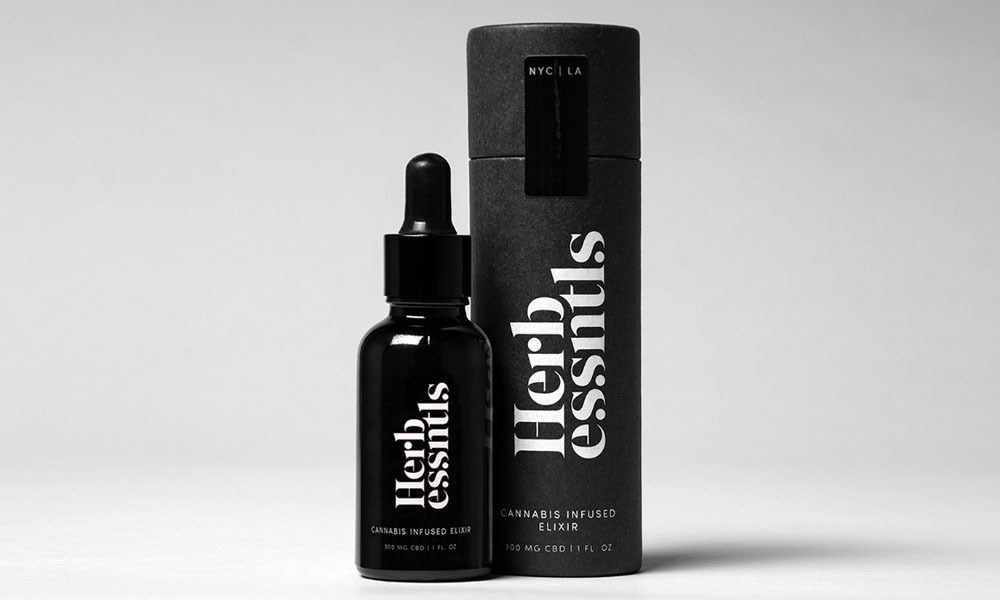
ここで、パッケージングがコンプライアンスに変わる。小児に耐性のあるクロージャー、改ざん防止、正確なラベリングゾーンなどが必要になるかもしれません。チューブは、清潔な外観を保ちながら、これらの要件を満たすことができます。.
参考フォーマット:
チューブは、ブレスレットや小さなアクセサリー、ギフトセットに適しています。これは、ブランド保持のためにも良いことだ。.
参考フォーマット: ジュエリー&ブレスレット用紙管ボックス
主張を具体的にすることで、より信憑性が高まります。この表は、マーケティング用語とパッケージ仕様の整合性をとるのに役立ちます。.
| 主張 | パックの仕様に何が真実でなければならないか | 要求できる典型的な証明 | ベスト・プラクティス・ノート |
|---|---|---|---|
| “「リサイクル可能な紙管包装” | ファイバー・ベースのボディ、最小限のコンポジット・レイヤー、限られたプラスティック・アドオン | 材料申告書、構造図、現地リサイクル指導チェック | リサイクルは地域によって異なる。 |
| “「板紙製/クラフト紙製” | 板紙グレードの定義、アウターラップの定義 | スペックシート+サンプル | プラスチックライナーがあっても隠すな |
| “「プラスチック包装の削減” | プラスチック製クラムシェル/ボトル/スリーブをファイバー製に変更 | 包装前/包装後マップ | 正直に:何が変わったかを示す |
| “「輸送時の保護を考慮した設計” | チューブの肉厚とはめあいによるハンドリング/落下リスク | 落下試験計画、通過試験アプローチ | 損害が少ないということは、再出荷が少ないことを意味する。 |
| “「環境に優しいパッケージ” | 素材+使用期限を明確に説明できる | 簡単な廃棄ガイダンス、社内QA仕様 | 曖昧な主張が不信感を加速させる |
ブランドオーナー、メーカー、越境販売業者、流通業者、代理店であれば、通常3つのことを望んでいるはずだ: 安定した品質、スケーラブルな出力、高速な反復処理.
そこで役立つのがOEM/ODM生産です。製造ライン、素材、印刷標準を固定し、一貫したQAで大量注文を行うことができます。.
実生活では、バイヤーは文句を言う:
このような事態は、厳しい仕様でほとんど防ぐことができる:パントンの参照、縫い目の位置の規則、公差の目標値、出荷前のサンプリングなどである。.
小売業には清潔感のあるプレゼンテーションが必要だ。Eコマースでは、耐久性と返品率の低さが求められる。適切な構造を選べば、紙管はその両方を実現できる。.
複数のSKUからなるラインを構築している場合、まずサイズとクロージャーのマッピングから始めましょう。仕入れを簡素化し、補充をスピードアップすることができます。.
カテゴリーオプションはこちらで検索できる: 紙管包装製品
見積もりやサンプルを依頼する前に、社内で簡単なブリーフを作成するような感覚で使ってください。.
いいえ、多くはそうですが、コーティングやライナー、重い複合材を使用すると結果が変わってしまいます。リサイクル性でリードしたいのであれば、構造を繊維優先にし、分離しにくい素材はできる限り避けることだ。.
そう、適切な素材と構造があればね。紅茶や粉末が一般的です。通常、食品用接触材料(該当する場合)、より密閉性の高いクロージャー、製品の感度に基づいたバリアオプションが指定されます。.
紅茶のリファレンスフォーマット: 茶包装用食品グレードクラフト紙管箱 粉体のリファレンスフォーマット: プロテインパウダー紙管包装
できる。だからこそ、規制されたカテゴリーで目にすることができるのです。閉鎖システムは重要であり、製造における一貫性も重要である。.
参考フォーマット: 大麻小児耐性の紙管包装
紙管包装はシンプルに見える。バリア性、クロージャーのフィット感、印刷の一貫性、エンド・オブ・ライフの明確さなど、細部がすべてを決定する。.
よく出荷され、よく売れ、守れるサステナビリティ・ストーリーを支えるチューブが欲しいなら、まず構造から始め、その上にブランディングを構築する。.
ホームページはこちら: トップカスタム紙管ボックスメーカー.