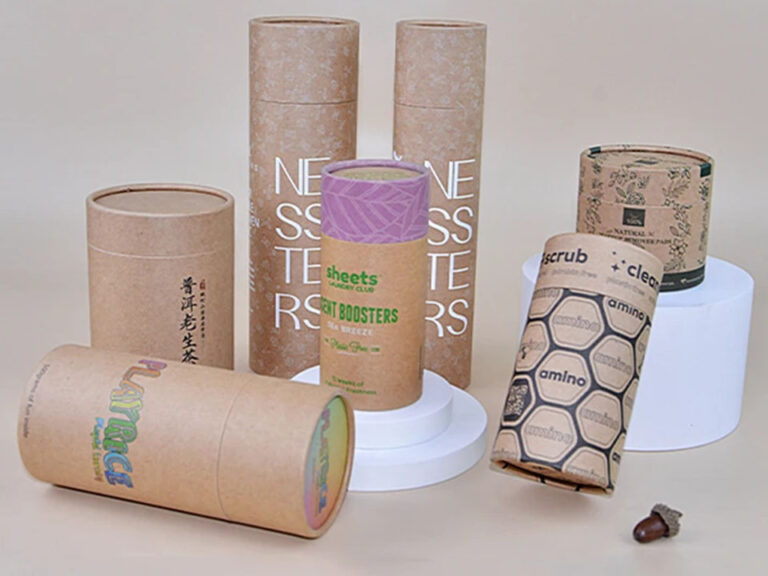
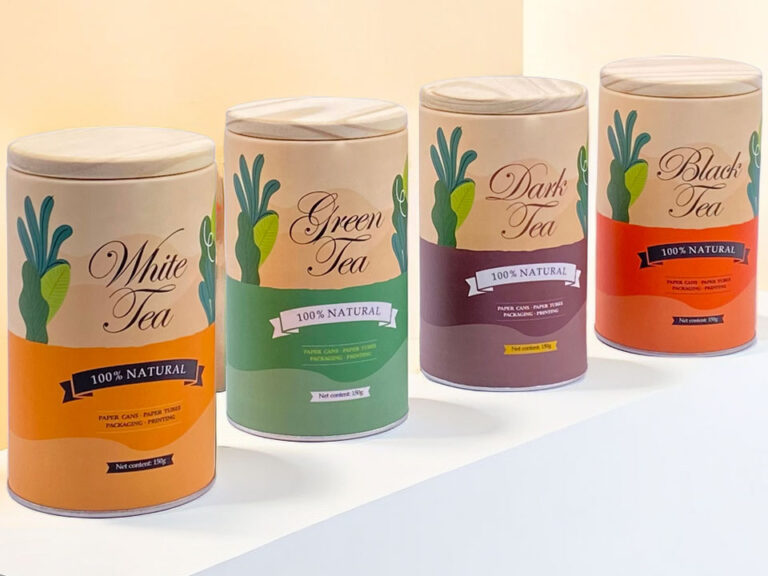
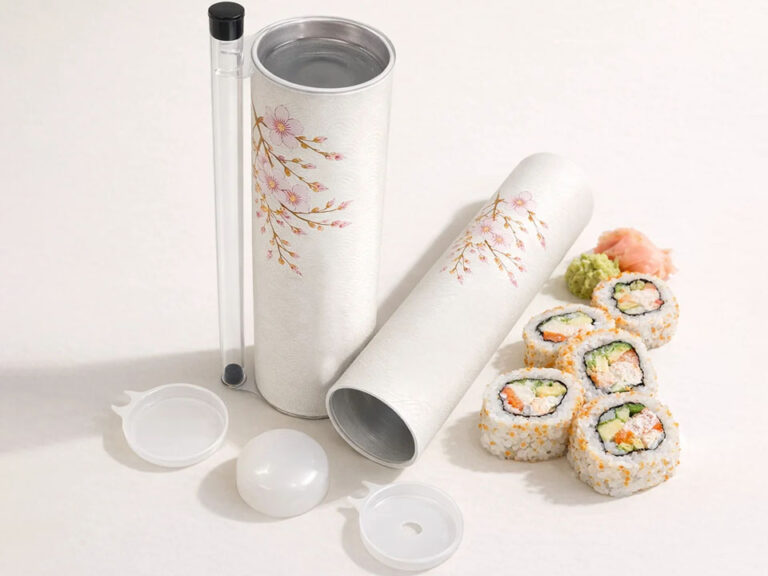
まだ適切なパッケージング・ソリューションが見つからない?私たちの上司に相談してください。.
弊社のウェブサイトをご覧になったり、営業担当とお話になったりしても、まだ明確な道筋が見えない場合は、こちらからリクエストをお送りください。あなたのメッセージは、実現可能性、コスト、リードタイムをエグゼクティブレビューするために、私たちのゼネラルマネージャーに直接送られます。明確な次のステップ、つまり何ができるか、何が必要か、お見積もりへの最短ルートをお知らせします。.

ボスと話す

弊社のウェブサイトをご覧になったり、営業担当とお話になったりしても、まだ明確な道筋が見えない場合は、こちらからリクエストをお送りください。あなたのメッセージは、実現可能性、コスト、リードタイムをエグゼクティブレビューするために、私たちのゼネラルマネージャーに直接送られます。明確な次のステップ、つまり何ができるか、何が必要か、お見積もりへの最短ルートをお知らせします。.
パッケージング・マネージャー、調達、パッケージング・エンジニア向け。サイズ、数量、仕上げを指定すると、米国/欧州プログラム向けの要求価格、リードタイム、仕様ガイダンスが表示されます。.
キャンドル・ブランドが顧客を失うのは、香りが “悪い ”からではない。商品がひび割れたり、擦れたり、溶けたり、誰かが見た瞬間に安っぽく見えるからだ。.
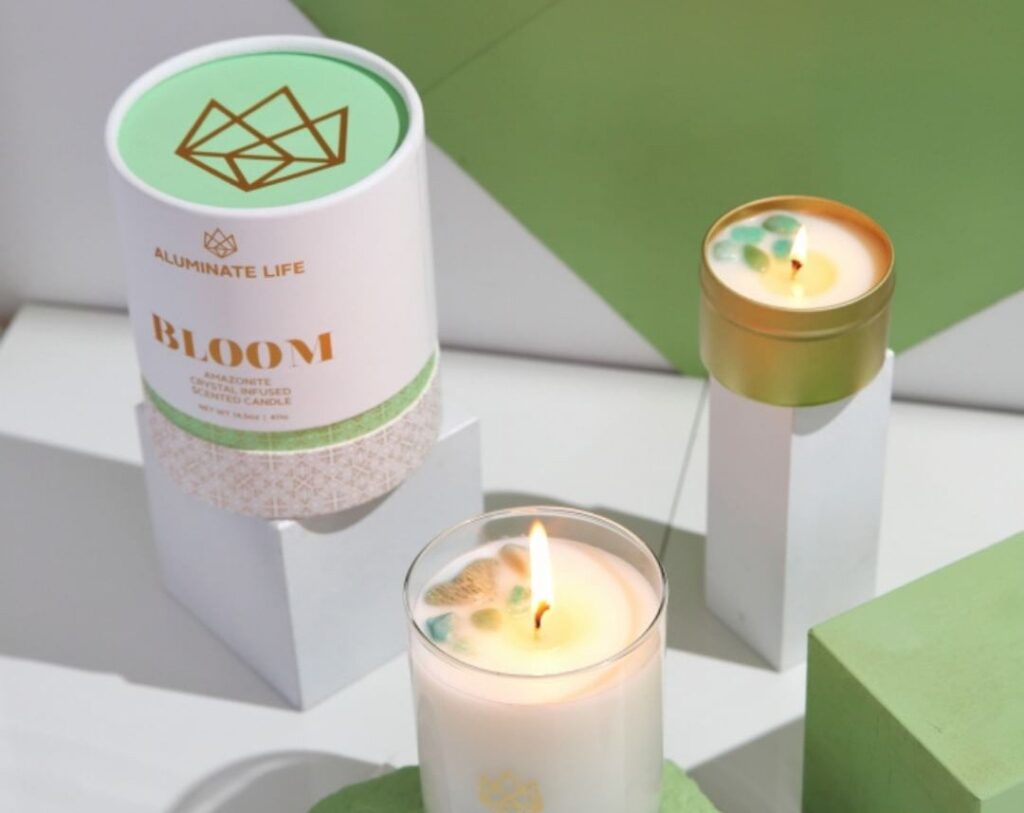
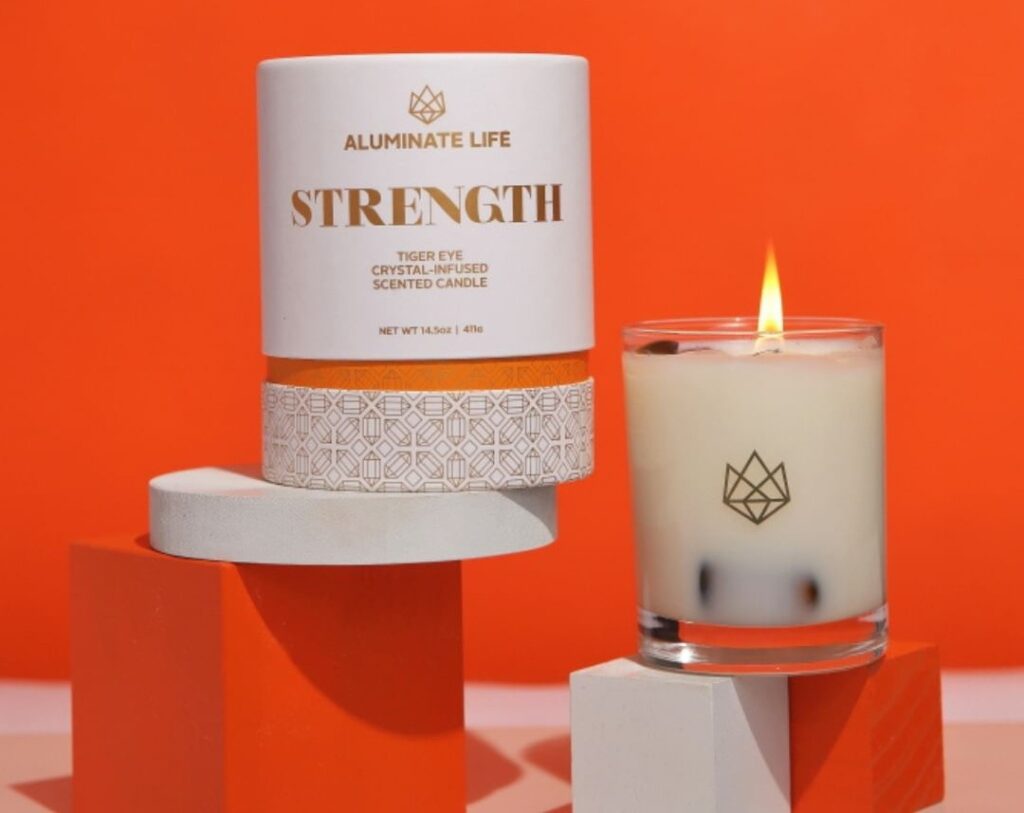
キャンドルは壊れやすい製品であり、高級品であることを期待されている。これは難しい組み合わせだ。出荷時に保護し、棚に並べたときにシャープに見え、すべてのSKUでブランドの一貫性を保つパッケージが必要です。そのため、カスタムキャンドルチューブボックスは、本格的なキャンドルライン、特に面倒な返品が許されない小売店、DTCブランド、卸売バイヤー向けに登場し続けているのです。.
大量に仕入れたり、OEM/ODMを行ったり、複数のチャネルで販売したりする場合、パッケージの選択はビジネス上の決断となる。破損率、返品率、レビュー、そして芯に火をつける前の信頼度にも影響する。.
以下は、バイヤーがキャンドルチューブに投資する理由と同じ核心的なもので、より実用的で現実的な方法で、あなたが認識するシナリオで書かれています。.

小売店では、キャンドルを手に取ってもらえるまで約2秒しかない。硬い紙管は、デフォルトで「贈答用」に見えるので役立ちます。背が高く、しっかりとした感触があり、すっきりとした高級感のあるシルエットになります。.
どこで報われるか
チューブのパッケージがどのようにカテゴリーを越えて高級感を演出できるのか、手っ取り早く参考にしたい方は、以下をご覧ください。 製品コレクション フィニッシュ、クロージャー、プリントスタイルなど、構造のアイデアについて。.
ろうそくが割れるのは、落下の衝撃、振動、パック内の空洞など、つまらない理由からだ。瓶が動く可能性がある場合、それは動きます。その動きは、欠け、ヘアライン・クラック、蓋の破損へと変化し、返品、交換、そして悪い評価を受けることになる。.
カスタムチューブが根本的な問題を解決する: フィット感と安定性.
プロテクションのための仕様
これは多くのブランドが見落としている部分である。プロテクションは「強い素材」だけではない。それは 適切な構造+適切な許容範囲.
熱は静かな敵である。蝋燭は完璧な状態で倉庫に保管され、暑いトラックやベランダに置かれた後、柔らかくなったり、汗ばんだり、少し変形して届くことがある。.
チューブボックスは天候を変えることはできないが、賢い構造の選択で暑さリスクを管理するのに役立つ:
これが最も重要である:
ワックスメルトやソフトな処方を販売する場合は、より高いコンプライアンス・ニーズ向けにデザインされたパッケージから、次のようなクロージャーのコンセプトを採用する。 リサイクル可能な大麻の子供の抵抗力があるペーパー管の包装. .このカテゴリーを真似るのではなく、誤開封を防ぎ、製品体験を保護する方法から学ぶのだ。.
あなたのチューブは360°広告塔です。これこそが印刷の真価です。小さな表ラベルにすべての仕事を依存するのをやめるのです。.
よく印刷されたチューブは運ぶことができる:
これは単なる “マーケティング ”ではない。これは 顧客からの質問が少ない そして よりクリーンなチャンネル一貫性. .小売りの箱、DTCの箱、卸売りの箱がすべて違って見えると、買い物客はそのミスマッチを感じてしまう。.
紙面での取材アイデアとしては、以下のような全面ビジュアルを中心としたフォーマットに注目してほしい。 両面印刷紙管包装. .つまり、印刷可能な面を増やせば、ごちゃごちゃせずにストーリーを売る余地が増えるということだ。.
キャンドルの顧客はまず目で見て買う。また、スクリーンショットを撮り、共有し、比較します。チューブは、きれいなラップアラウンドのキャンバスを提供するため、それが容易になります。.
eコマースの実用的な勝利:
複数の香りを持つラインを作る場合、チューブはシステムを作るのにも役立ちます:同じ構造、異なるカラーバンド、異なる仕上げ。そうすることで、コレクションを混乱させることなく拡大することができる。.
大量に購入する場合、包装はレバレッジポイントとなる。通常、大量生産は以下のことを意味する:
そして、これが見過ごされているメリットだ: 安定したパッケージングで川下コストを削減. .破損個数の減少。再送してください」というチケットが減る。面倒な修正に費やす時間が減る。.
複数のSKUを製造し、チャネルをまたいで販売する場合、チューブスペックを標準化することで、オペレーションチームは非常に満足する。パッケージングを常に再設計するのではなく、再現可能なシステムに変えることができる。.
リターンにはお金がかかるだけではない。勢いを損なうのだ。在庫の正確性を損ない、カスタマーサポートに負担をかけ、市場の業績を悪化させる。.
サイズとインサートは、3つの大きな頭痛の種をコントロールするのに役立つ:
ロジスティクスのように考える。 出荷準備完了ユニット, 単なるディスプレイパックではない。.
スペックに関する簡単なチートシートをチームに配ることができる:
| キャンドル・リスク | 原因 | チューブボックスの仕様 | 経営への影響 |
|---|---|---|---|
| 破損 | ムーブメント+ドロップ | カスタム内径+インサート | 損傷率が低く、交換回数が少ない |
| ワックスの変形 | 熱への暴露 | タイトフィット+オプションのバリアライナー | 暖かい季節には、より良い到着コンディション |
| 擦れたラベル | 輸送中の摩擦 | 滑らかな内壁+ぴったりとしたホールド感 | より清潔な箱詰め、より少ない苦情 |
| “チープ感” | 薄型パッケージ | 硬質壁+ソリッドクロージャー | より良い知覚価値、より強いレビュー |
アンボックスは、ふわふわしたものではありません。あなたの顧客が、あなたが「一度きりの買い物」なのか、それとも推薦するブランドなのかを決める瞬間なのです。.
チューブ包装は、小さなアップグレードを自然にサポートするので役立つ:
贈り物の場合、取っ手や窓のようなディテールは、知覚価値を素早く高めることができる。そのような方向性がお好きなら、透明な窓+取っ手の構造がチューブ形式でどのように機能するか、こちらでご確認ください: 透明窓とシルクハンドルの紙管包装. .重要なのは製品のカテゴリーではなく、「これは特別な感じがする」という瞬間をいかにアップグレードさせるか、という構造なのだ。.
顧客は推測する必要はない。決断を簡単にすればするほど、買ってくれる可能性は高くなる。.
キャンドルの場合、透明性とは通常
これは、オペレーション側にも役立ちます。鮮明な印刷は、倉庫でのピッキングエラー、間違ったSKUの出荷、「これはどの香り?.
関連するボディケアアイテムも販売している場合、以下のような包装に見られる表示規律がある。 化粧品チューブ包装 整理された情報、高級感、すっきりとした階層構造。.
キャンドルのバイヤーの多くは持続可能性に関心があるが、懐疑的でもある。エコフレンドリー」を謳うのであれば、パッケージは信頼できそうな素材や構造でそれを裏付けなければならない。.
紙管は紙ベースであり、仕上げや部品によっては、より低プラスチックの選択肢として位置づけることが容易であるため、そのストーリーを支えることができる。.
シンプルで正直なアプローチが最も効果的だ:
エコ・フォワード・チューブの方向性のクリーンな例をお望みなら、このスタイルをご覧いただきたい: 環境にやさしい紙管ボックス. .カテゴリーが違うだけで、設計ロジックは同じだ。.
ブティックやギフトストアを売り込む場合、チューブは初日に完成したように見えるパックを提供するお手伝いをします。また、プラノグラムやシーズン・リセットに合わせた一貫した「ライン・ルック」を構築することもできる。.
ギフトスタイルのリファレンス(ミニマル、プレミアム、クリーン)はこんな感じ: マットな白い紙管箱の包装.
オンラインで販売する場合、包装は運送会社の取り扱いに耐える必要があります。タイトなサイズとインサートは、あなたのキャンドルがカスタマーサポートチケットになる可能性を減らします。.
ディストリビューターや再販業者に製品を供給している場合、パッケージングは、一貫した仕様、一貫した印刷、下流工程での問題の減少といった、業務上の約束の一部となります。この信頼性こそが、リピートPOの獲得につながるのです。.
メーカーと話をする際には、このチェックリストを使ってください:
バルク・カスタマイズのために作られた工場から調達するのであれば、目標はシンプルです。それが、成長しながらも一貫したブランド体験を維持することなのです。.