まだ適切なパッケージング・ソリューションが見つからない?私たちの上司に相談してください。.
弊社のウェブサイトをご覧になったり、営業担当とお話になったりしても、まだ明確な道筋が見えない場合は、こちらからリクエストをお送りください。あなたのメッセージは、実現可能性、コスト、リードタイムをエグゼクティブレビューするために、私たちのゼネラルマネージャーに直接送られます。明確な次のステップ、つまり何ができるか、何が必要か、お見積もりへの最短ルートをお知らせします。.

ボスと話す

弊社のウェブサイトをご覧になったり、営業担当とお話になったりしても、まだ明確な道筋が見えない場合は、こちらからリクエストをお送りください。あなたのメッセージは、実現可能性、コスト、リードタイムをエグゼクティブレビューするために、私たちのゼネラルマネージャーに直接送られます。明確な次のステップ、つまり何ができるか、何が必要か、お見積もりへの最短ルートをお知らせします。.
パッケージング・マネージャー、調達、パッケージング・エンジニア向け。サイズ、数量、仕上げを指定すると、米国/欧州プログラム向けの要求価格、リードタイム、仕様ガイダンスが表示されます。.
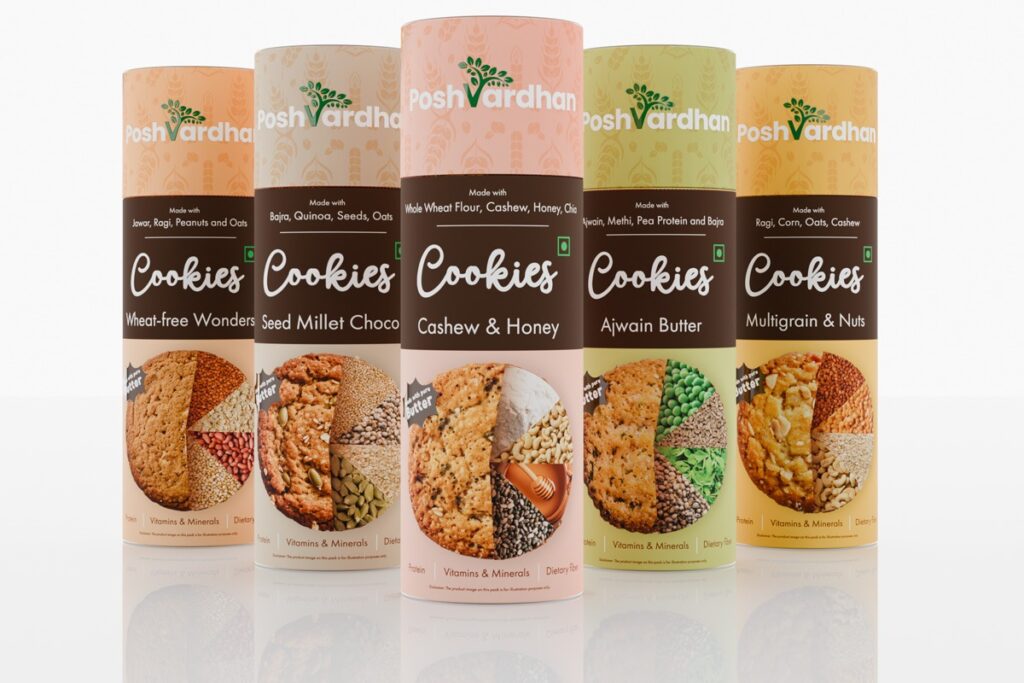
クッキーは壊れやすく、湿気に弱い。そのため、もしあなたがまだ薄い袋や基本的なトレー、柔らかいカートンを使っているとしたら、一度に3つの戦いに挑むことになります: クラッシュダメージ, 売れ残り, そして 弱い棚の存在感.
だからこそ、より多くのブランドが クッキー・ペーパー・チューブ・キャニスター. .見た目も高級感があり、保護効果も高く、パッケージを本物の販売資産に変えてくれる。.
詳細を説明する前に、自分のコンテンツで再利用できる簡単な「主張+証明」表を紹介しよう。.
| 主張(トーキングポイントとして使用) | 何を解決するのか(本当のペインポイント) | それを支えるもの(ソースタイプ) |
|---|---|---|
| クッキーのプラスチック包装を減らす | ブランド・サステナビリティ・ストーリー、小売業者の要件 | 記事「クッキーの包装革命 紙管キャニスター」+包装の持続可能性調査 |
| プレミアムな外観と棚のインパクト | 棚での転換率が低く、ギフト・アピールが弱い | 同じ記事+業界のパッケージングに関する洞察 |
| クッキーを新鮮に保つ密封可能な蓋 | 陳腐化、クレーム、リピート購入の減少 | 同記事+一般的なペーパーキャニスターの仕様 |
| 硬い構造により破損が少ない | 返品、悪評、FBAダメージ、漏洩 | クッキーチューブ包装ガイド+出荷ロジック |
| 360°印刷でブランドのストーリー性を向上 | 低い差別化、クレームの余地なし | 紙管印刷規範 |
| 食品用バリアライナーが鮮度を保つ | 水分の浸入、グリースの移行 | 食品キャニスターの構造規範 |
| インナートレイ/成型パルプインサートがガタつきを防ぐ | “「クッキーが粉々に砕ける」問題 | 包装工学の実践 |
| 1つのチューブプラットフォームで多くのSKUに対応 | ライン延長速度、MOQ圧力 | SKU戦略+パッケージングの標準化 |
| 多層リサイクルは複雑 | 過剰請求のリスク、グリーンウォッシュへの不満 | 多層材料に関するリサイクル文献 |
紙管容器に変えることで、「プラスチック削減」のメッセージが一目瞭然になる。顧客は長い説明を必要としない。手に取った瞬間に素材の変化がわかるのだ。.
これが最も大きな打撃となる:
また、構成をほぼ紙ベースにしておき、賞味期限の必要性に基づいて適切なクロージャーとライナーを選ぶことで、ストーリーを引き締めることができる。そうすれば、あなたは雰囲気を売っているのではない。プランを売るのだ。.
バイヤーに生産への本気度を示したいのであれば、製造力を隠してはいけません。私たちは、近代的な食品包装の精製工場と 12,300m²の倉庫, 1日当たりの生産量が多いので、スケールアップが可能です。これは、卸売やプロモーション、季節的なスパイクを行う際に重要なことです。.
フォーマットはこちらから: トップカスタム紙管ボックスメーカー
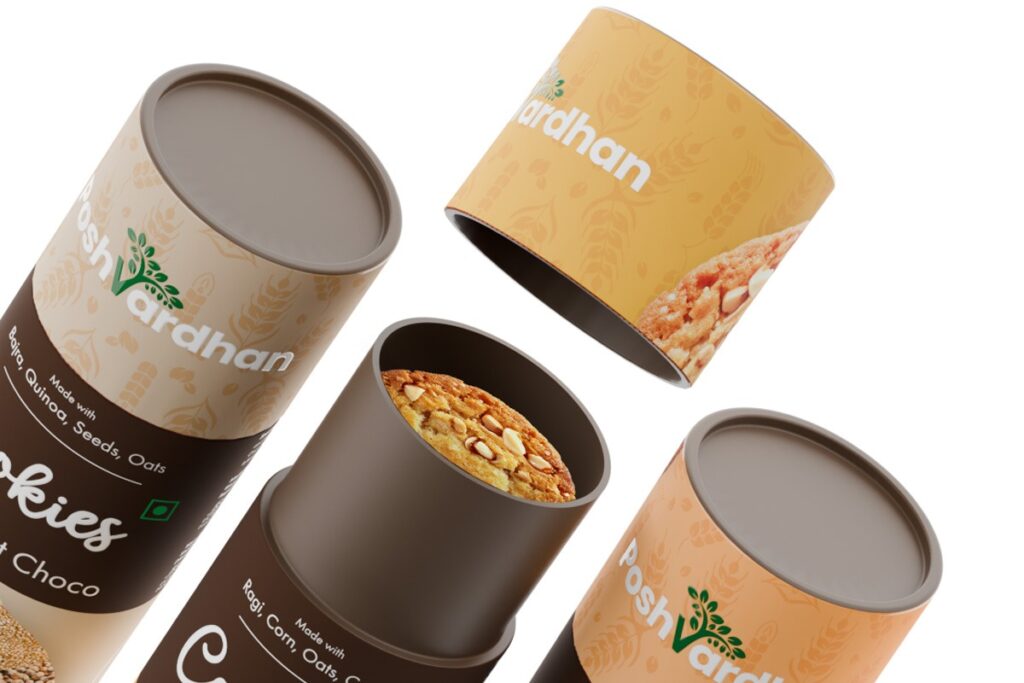
クッキーは派手な通路で競争する。丸い筒は、通常の “平らな箱の壁 ”を破るので目立つ。”
また、デフォルトでギフトのようにも読める。買い物客がラベルを読む前から、この形はこう言っている:
売れる実践的シナリオ
フルラインナップを作るのであれば、サイズファミリー、ラベルシステム、蓋のスタイル、インサートのデザインなど、標準化できるものをスキャンすることから始めましょう。そうすることで、オペレーションをカオスにすることなく、高級感を保つことができる。.
製品スタイルはこちらからご覧いただけます: 紙管包装製品
クッキー・チューブ・キャニスターは、よく閉まるときに最高の働きをする。リシーラブルの蓋は、全体の使用パターンを変えます。.
一度開けてから急ぐ」のではなく、顧客はこうするのだ:
それは些細なことではない。一度だけの購入と習慣の違いなのだ。.
変換するユースケース・アングル:
料理スタイルのクロージャーのリファレンスが必要なら、この構造を見てほしい: 食品用金属ブリキ蓋クラフト紙管箱
クッキーを砕くという醜い部分について話そう。.
DTCを発送したり、マーケットプレイスで販売したりする場合は、すでにそのパターンをご存知だろう:
硬いチューブは、柔らかいパッケージよりも側圧に強いため、助けになる。適切なインサートを加えれば、内部の動きも抑えることができる。ガタつきが少ないということは、潰れにくいということだ。.
これは古典的なパッケージング作戦の数学である:
Eコマース用の梱包材を作るのであれば、基本的な圧縮と落下の期待に応える外装シッパーやインサートとチューブを組み合わせることを検討しよう。.
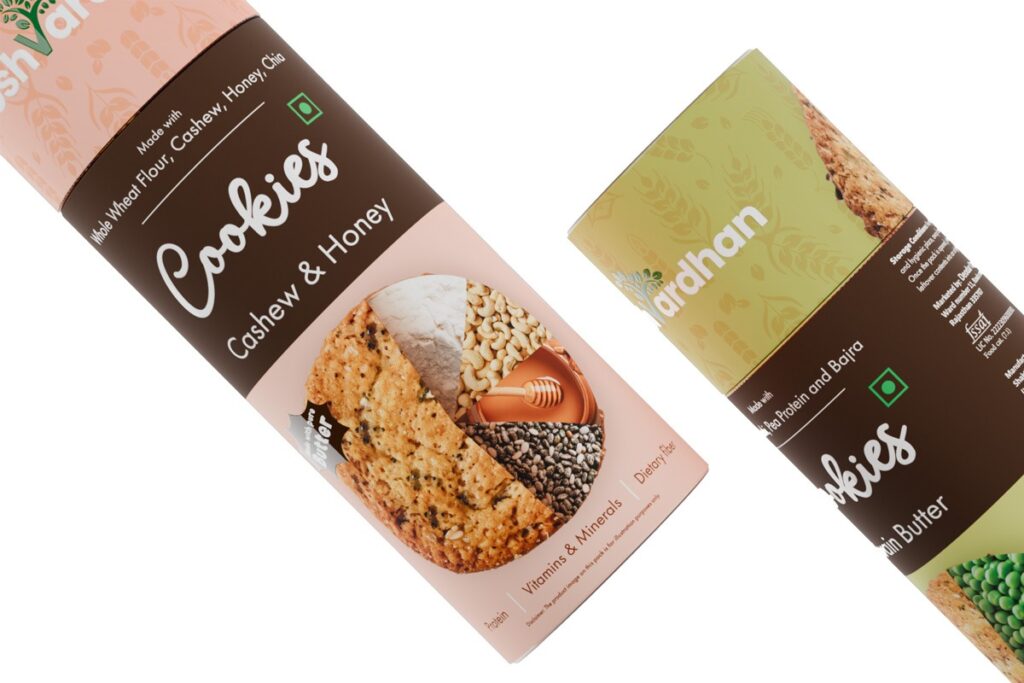
チューブを使えば、ラップ一杯の印刷スペースを確保できます。クッキーのブランドは、混雑した印象を与えずに多くのものを見せる必要があることが多いので、これは便利です:
そして、“美しさ ”と “コンプライアンス ”を分けることができる。ヒーローのビジュアルはフロントアークに。必要な情報はサイド/バックアークに置く。きれいなままだ。.
印刷の多いデザインや大胆なブランディングには、両面美学の例をご覧ください: 両面印刷紙管包装
多くのブランドがマーケティングで省略し、後で後悔する部分がここにある。.
クッキーは “古くなる ”だけではない。クッキーは湿気を吸収する。匂いを吸着する。レシピによっては、油脂が移行することもある。.
だから、本当の問題はこうなる: どのようなバリア性能が必要か, パックを複雑にしすぎないようにするにはどうすればいいのか?
実用的な話し方だ:
バターを多量に使うクッキーや、長期保存が必要なクッキーは、大人らしくライナーやシールについて話しましょう。バイヤーはそれを尊重します。.
乾物包装構造のパラレル?これは論理的に近い: プロテイン粉末包装用段ボール箱
パッケージを開けてクッキーの粉を見つけたことがある人なら、なぜインサートが重要なのか、もうおわかりだろう。.
チューブの場合は、これを使うことができる:
ここで、2つの痛みを一度に解決するのだ:
また、“詰め合わせの経済性 ”も発揮される。良いインサートを使えば、混合した味をぶつかることなく1本のチューブで売ることができる。.
規模を拡大する場合、最も賢明なパッケージングは「デザインを増やす」ことではない。それは プラットフォーム.
プラットフォーム・アプローチとは
これにより、ライン延長がより迅速になり、オペレーションの負担が軽減される。また、ブランドウォールの一貫性が保たれるため、小売店の視認性も向上する。.
これは特に次のような場合に役立つ:
簡単な現実確認:ハイバリア構造の中には多層構造になっているものがある。これは地域によってはリサイクルを複雑にする。地域のシステムを理解せずに「完全にリサイクル可能」と主張すれば、反発を招く危険性がある。.
より安全なアプローチ
持続可能性に関する強いストーリーを語ることはできる。正確さを保てば、バイヤーはあなたをより信頼するだろう。.
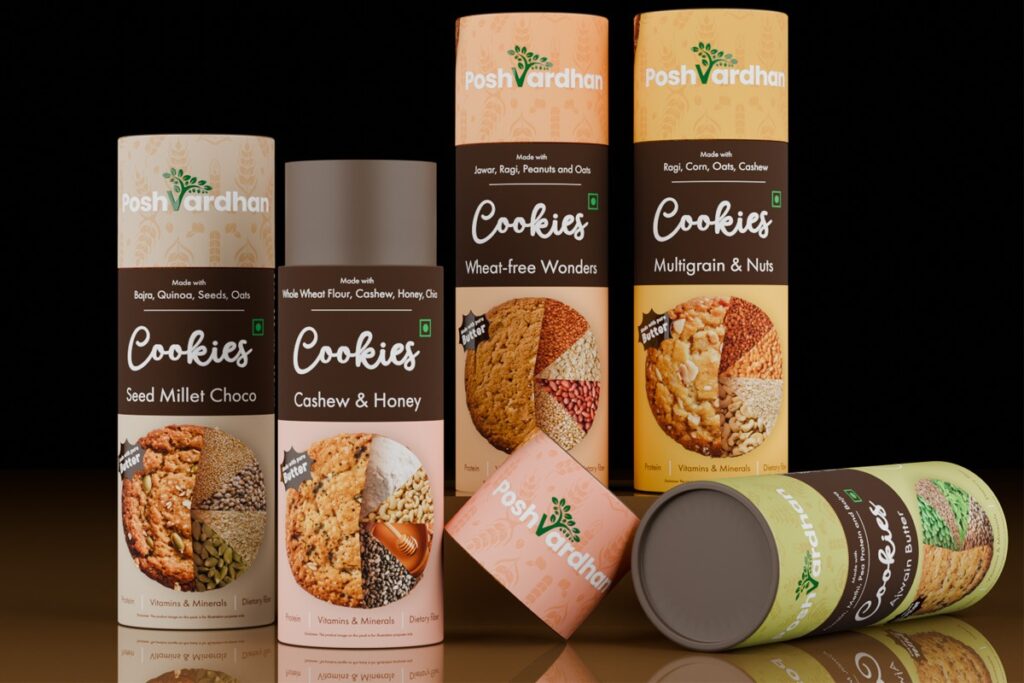
クッキーブランドに必要なのは、素敵なチューブだけではない。彼らが必要としているのは、規模を拡大し、一貫性を保ち、納期を守ることができるサプライヤーなのです。.
卸売バイヤーが通常気にすること
だからこそ、私たちのポジショニングは重要なのだ: カスタム、バルク卸売、OEM / ODM, ブランド、小売業者、流通業者、代理店、プライベートブランド販売業者向けに構築されています。.
プレミアム・ギフトの形式を売り込みたいのであれば、この2つの例は「アップグレード・パス」を構成するのに役立つ:
また、カテゴリの幅を示すクリーンな方法(食品チューブも扱えるという信頼をバイヤーに与える)をお望みなら、このページがそれをサポートする: 化粧用厚紙チューブ
| シナリオキーワード | 最高の構造キーワード | キーワードの挿入 | なぜ売れるのか(商品価値) |
|---|---|---|---|
| DTC発送/マーケットプレイスフルフィルメント | 硬質紙管キャニスター+密閉蓋 | 成形パルプインサート | 損害賠償請求の減少、格付けの保護 |
| 小売店/専門店 | プレミアム紙管キャニスター+360°印刷 | オプショントレイ | より良いシェルフポップ、より強いブランドリコール |
| ギフトセット/ホリデーシーズン発売 | プレミアム・チューブ+デコラティブ・クロージャー | 層セパレータ | 知覚価値が高く、バンドルに適している |
| 定期購入/リピート購入 | 再封可能な蓋 | シンプルなインナートレイ | クッキーをサクサクに保ち、習慣購入をサポート |
| アソート・フレーバー・ワンパック | チューブプラットフォームサイジング | パーティションインサート | SKUの複雑さを軽減し、ミックスパックを可能にする |