まだ適切なパッケージング・ソリューションが見つからない?私たちの上司に相談してください。.
弊社のウェブサイトをご覧になったり、営業担当とお話になったりしても、まだ明確な道筋が見えない場合は、こちらからリクエストをお送りください。あなたのメッセージは、実現可能性、コスト、リードタイムをエグゼクティブレビューするために、私たちのゼネラルマネージャーに直接送られます。明確な次のステップ、つまり何ができるか、何が必要か、お見積もりへの最短ルートをお知らせします。.

ボスと話す

弊社のウェブサイトをご覧になったり、営業担当とお話になったりしても、まだ明確な道筋が見えない場合は、こちらからリクエストをお送りください。あなたのメッセージは、実現可能性、コスト、リードタイムをエグゼクティブレビューするために、私たちのゼネラルマネージャーに直接送られます。明確な次のステップ、つまり何ができるか、何が必要か、お見積もりへの最短ルートをお知らせします。.
パッケージング・マネージャー、調達、パッケージング・エンジニア向け。サイズ、数量、仕上げを指定すると、米国/欧州プログラム向けの要求価格、リードタイム、仕様ガイダンスが表示されます。.
ほとんどのブランドは、パッケージングを箱詰め作業のように扱っている。賢明なブランドは、パッケージングを ブランド資産 マージンを守り、コンバージョンを高め、顧客をリピートさせる。.
バルク販売、OEM/ODM、小売業者や流通業者への供給を行っている場合、あなたはすでに現実を知っている。 何か. .パッケージが一貫性を持ち、高級に見え、輸送に耐え、保管やリサイクルがしやすいと感じられるからだ。.
で トップカスタム紙管ボックスメーカー, を構築する。 カスタム紙管ボックス 卸売および大量生産プログラムブランドオーナー、越境販売業者、工場、パッケージ卸売業者、代理店の大量注文、OEM/ODM、リピート生産をサポートします。.
| パッケージング・レバー | 調査報告 | あなたのブランドにとって |
|---|---|---|
| パッケージデザインは購買決定に影響を与える | 72%が「包装デザインが購買に影響することが多い」、67%が「包装資材が購買に影響する」と回答。 | 棚へのインパクトを高め、商品ページのコンバージョンを向上 |
| 開封体験がリピート購入を後押し | 47%は、箱詰めの失敗から二度と買わないだろう。 | リテンションが向上し、“never again ”レビューが減少 |
| リサイクルしやすい包装で、解約を防ぐ | 45%包装がリサイクルしにくければ、二度と買わない。 | ブランドの信頼向上、苦情の減少 |
| 包装の品質/保護はベースライン | 88%が品質/保護を最優先事項としてランク付け | ダメージ率が低く、リターンが少ない |
| ギフトにふさわしいパッケージでソーシャルシェアが拡大 | 60%は、パッケージがユニークでギフトに適していると感じると、シェアする傾向が高い。 | UGCの増加、有料トラフィックへのプレッシャー軽減 |
| プレミアムなパッケージでプレミアム感が高まる | 44%は、高級感のあるパッケージがブランドをより高級なものにしていると述べている。 | より良い価格の受け入れとポジショニング |
パッケージはあなたのもの 初代販売員. .棚の上では、注目度を競う。商品詳細ページでは、信頼を競う。.
より良いコンバージョンを望むなら、3つのことに集中しよう:
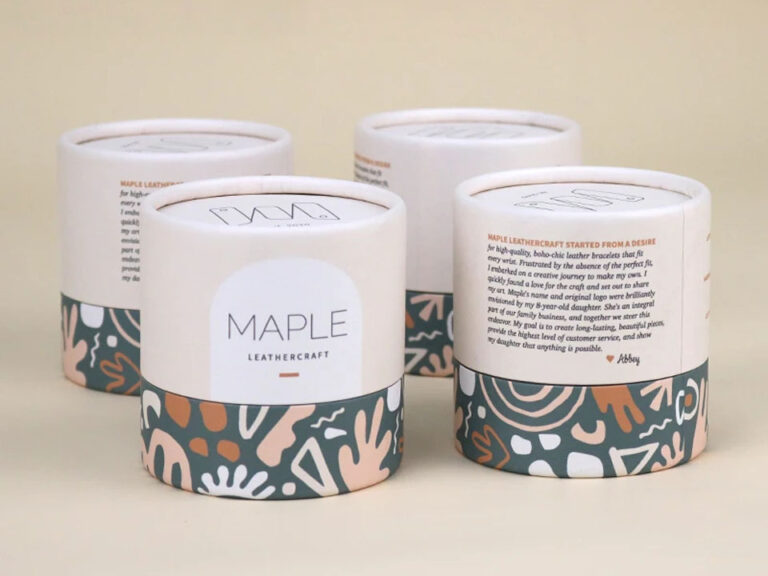
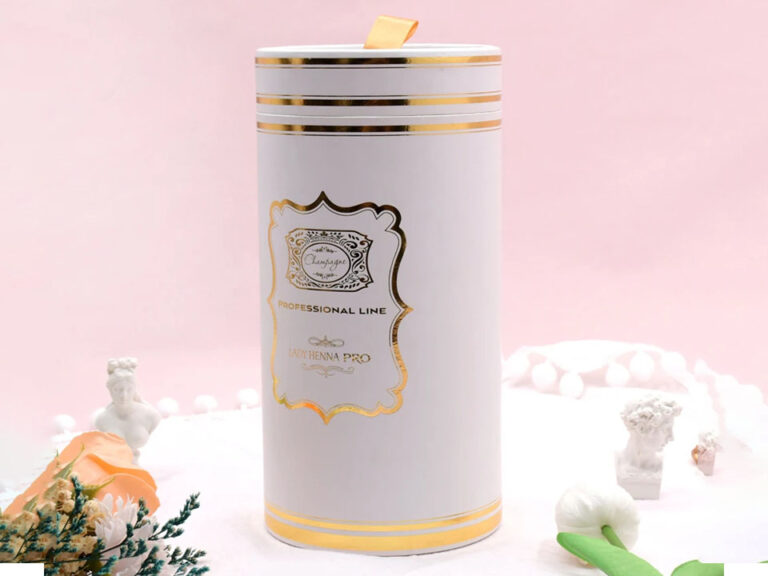
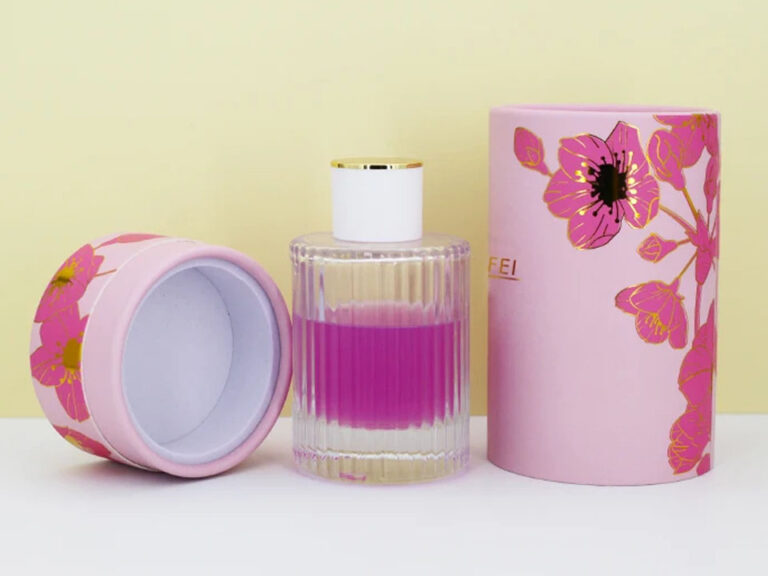
紙管の形式は、形が目立ち、写真によく写るので助かる。化粧品ラインを作るなら、このスタイルが自然にフィットする: 化粧品チューブ包装.
パッケージング・チームが使っている簡単な「PDP現実チェック」を紹介しよう:
それらをうまく使えば、意思決定の摩擦を減らすことができる。こうして、商品を変えることなく、パッケージングが静かにコンバージョンを向上させるのです。.
人々の記憶 感じる, ビジュアルだけではない。.
パッケージは、テクスチャー、ふたのフィット感、開け方、さらには閉めるときの音など、繰り返し使える手がかりを生み出します。そのため、顧客は部屋の向こうからでも特定のブランドを見分けることができるのです。彼らは “特徴 ”を認識するように脳を訓練しているのです。”
大量仕入れや卸売りのバイヤーにとっては、一貫性が勝負のすべてだ:
この一貫性は、小売業者やプライベートブランド・プログラムのブランド・リスクを低減します。また、顧客がオンラインで見たものと違う商品を手に入れたと感じないため、レビューもクリーンなものに保たれます。.
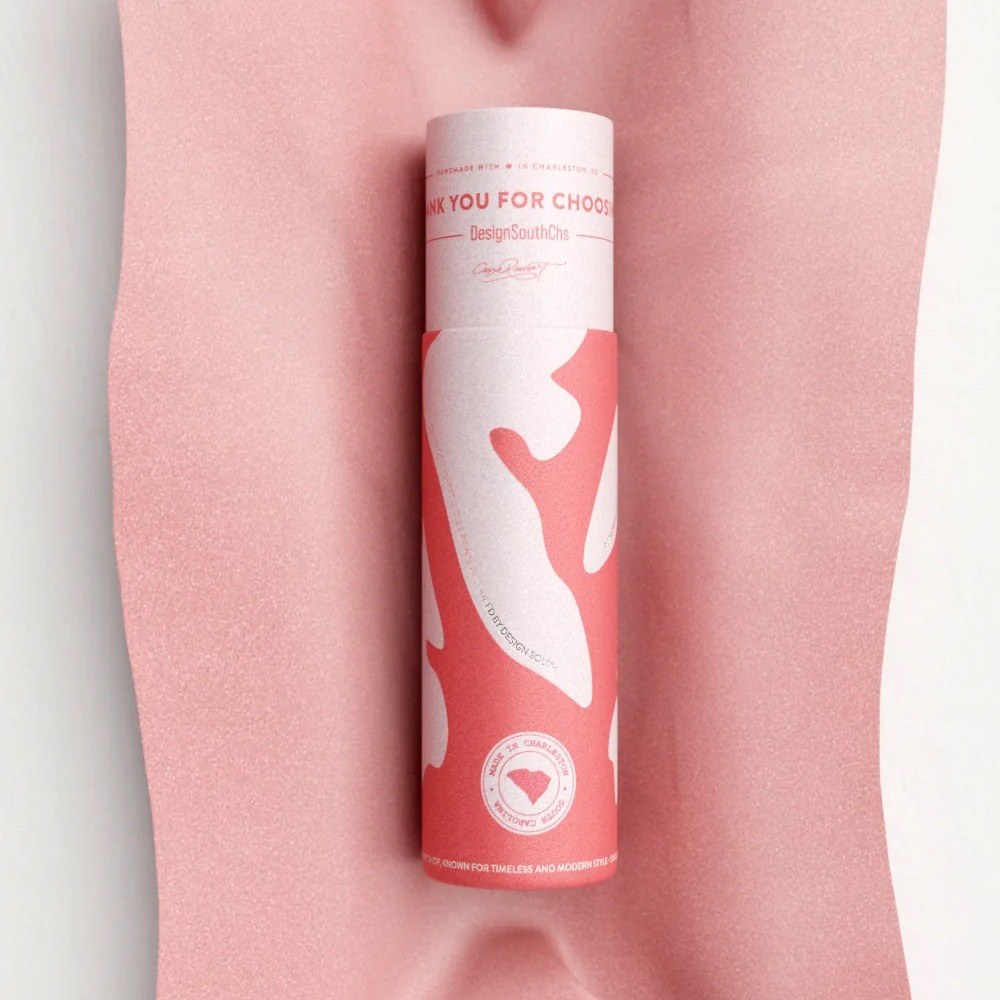
クリエイティビティは購買意欲を高めると売れる 簡単, しかし、それが買い物客をより働かせようとはしない。.
最高の “創造的 ”パッケージは、これらのいずれかを行っている:
良い例としては、ウィンドウやハンドルを追加するときに、次のようにするとうまく出荷できる。 透明窓付き紙管包装.
アクセサリーや美容器具、小さな生活用品を販売する場合、ウィンドウはシンプルな仕事をします。顧客は中身を推測する必要がないため、コンバージョンにつながり、「期待はずれ」の返品を減らすことができる。.
下手なアンボックスは人々をイライラさせるだけではない。勢いを削いでしまうのだ。.
荷物がつぶれていたり、乱雑だったり、開けにくかったりすると、顧客は “製品 ”と “パッケージ ”を分けて考えない。ブランド全体を判断するのだ。.
だからこそ、アンボックスはリテンション・レバーなのだ:
贈答用の商品を売るなら、ブランドがジュエリーや小さな高級品にチューブを使う理由がわかるだろう。その雰囲気の参考になる: ジュエリー・ペーパー・チューブ・ボックス.
アンボックスはUGCの原動力にもなる。カメラ映りが良ければ、顧客はそれをシェアする。そのコンテンツは、他の洗練された広告よりも早く信頼を築く。.
シェアできる」パッケージが欲しいなら、シーンで考えよう:
ダメージをブランドで解決することはできない。.
プロテクションは土台である。それが固定されれば、デザイン、仕上げ、ストーリーテリングなど、他のすべてが実際に着地する。.
クロスボーダー輸送、3PLハンドリング、マーケットプレイスでのフルフィルメントでは、保護機能が低下する:
チューブ包装はもともと剛性が高いため、優れた性能を発揮します。また、製品のサポートが必要な場合は、安定性のためにインサートを指定することもできます。.
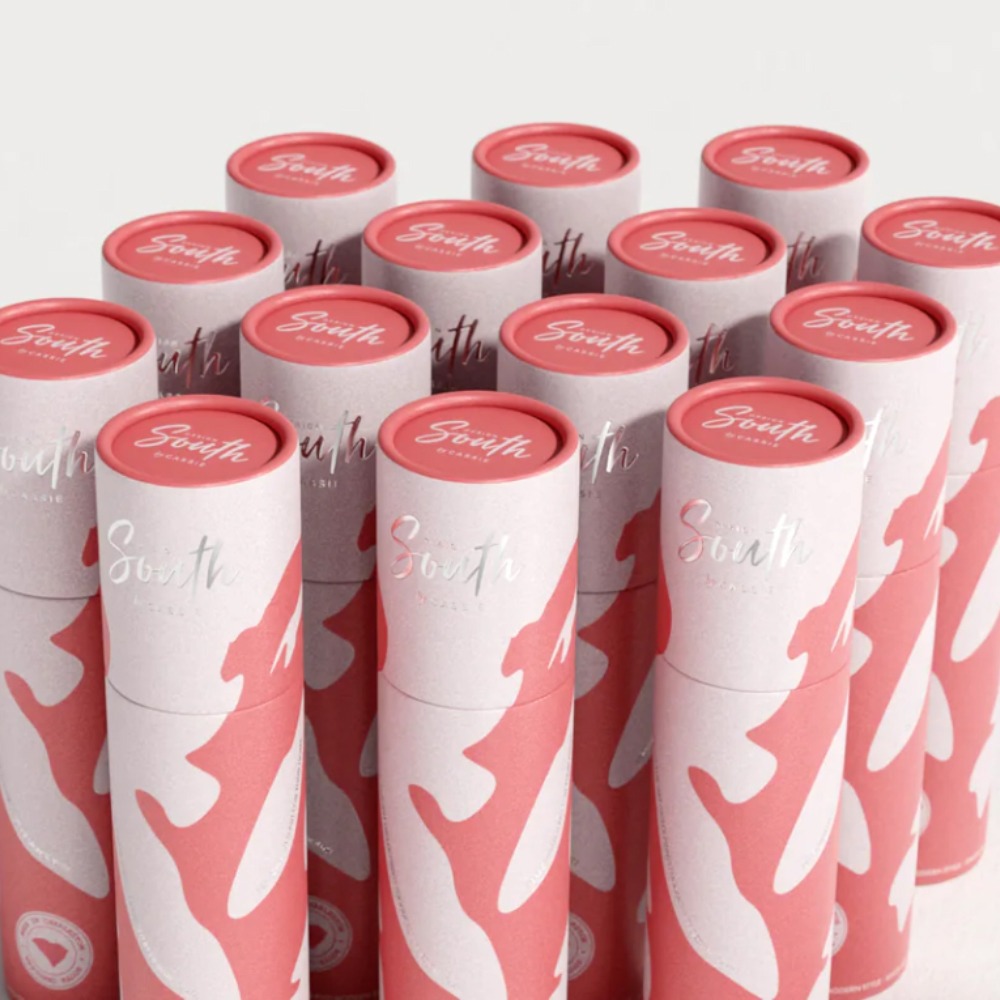
多くのバイヤーにとって、サステナビリティはもはや「嬉しいおまけ」ではない。特に、リサイクル性や責任ある素材を重視する市場に販売するブランドにとっては、サプライヤー評価の一部となっている。.
しかし、ここで重要なのは、持続可能なパッケージングでなければならないということだ。 実用的, 説教臭くない。.
買い手は、明白だと感じられる持続可能性に最もよく反応する:
栄養やウェルネスの分野であれば、チューブ包装はプレミアム+エコフォワードのポジショニングに合致することが多い。便利な例です: プロテインパウダー紙管包装.
顧客は宿題など求めていない。リサイクルが複雑だと感じれば、ブランドのせいにする。.
リサイクルしやすい包装とは、素材だけの問題ではありません。それは パックの分解方法 そして、顧客が次に何をすべきかを理解しているかどうか。.
摩擦を減らすには
これは、スマートな構成の選択が派手なコピーライティングに勝るところである。.
パッケージがギフト用に見えると、顧客はそれをコンテンツに変えます。広告プラットフォームと交渉する必要はありません。.
これは、ブランド・ルックが製品の一部であるカテゴリーで最も重要である:
贈答用の食品を販売するのであれば、このような構造が高級感をサポートする: 紙管.
シンプルなルール:パッケージが贈り物のように見えたら、それは贈り物のように扱われる。そうすることで、顧客のあなたに対する評価も変わってくる。.
ライトサイジングは、さまざまな形で見返りをもたらすパッケージングである:
多くのSKUを扱う場合、チューブの直径を標準化し、高さを変えることができます。これにより、在庫が簡素化され、再注文サイクルが改善され、パッケージング・システムが拡張可能になります。.
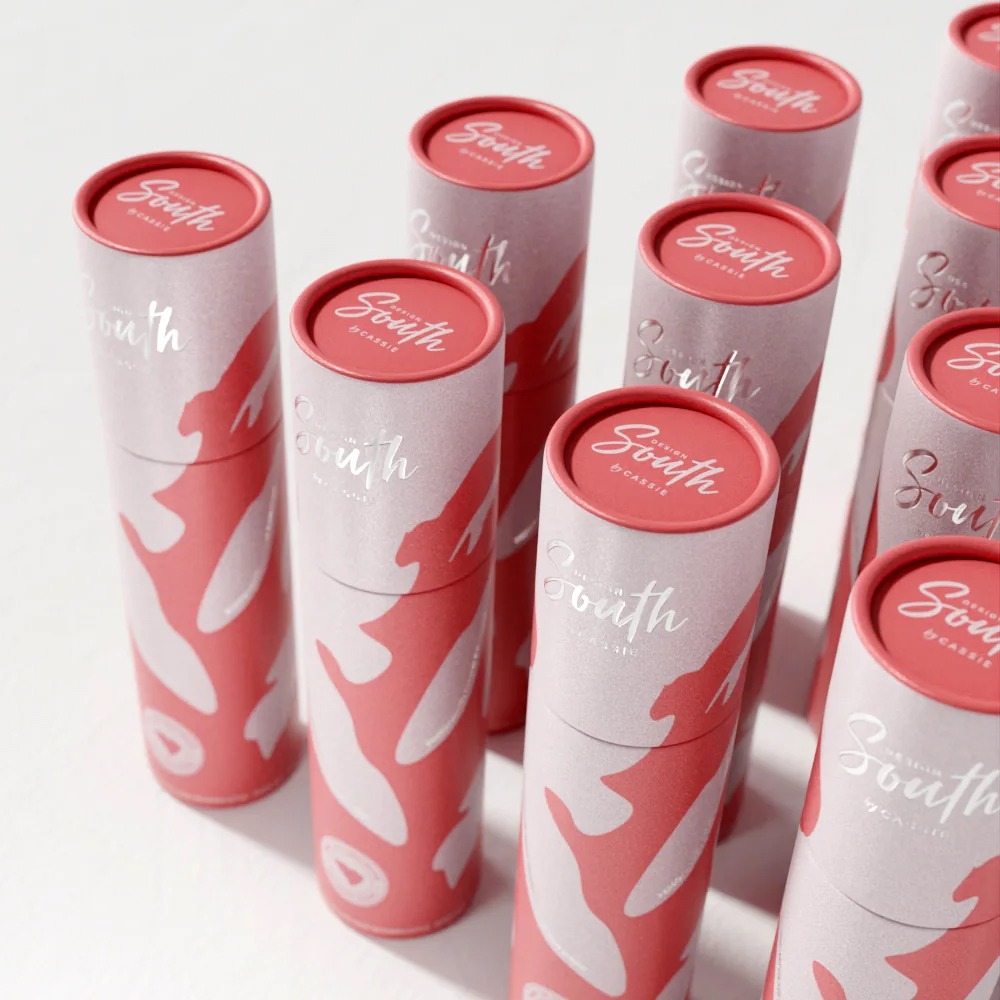
規模を拡大すると、パッケージングはサプライチェーン製品になります。安定した仕様、再現可能な生産量、そして品質のばらつきなしに大量生産に対応できるメーカーが必要です。.
オプションの閲覧やチーム編成を素早く行いたい場合は、ここから始めてください: 紙管包装製品.
また、規制されるカテゴリーには、コンプライアンスと買い手の信頼をサポートする構造の選択肢が必要である:
大量注文をする前に、足並みをそろえよう:
早めにロックすることで、手戻りを防ぎ、ローンチを軌道に乗せることができる。.
ブランドを強化するパッケージが欲しければ、シンプルにすることだ:
基本から始めて、そこからスケールアップしていきましょう。パッケージは製品を保護するだけでなく、ブランドを保護します。.