まだ適切なパッケージング・ソリューションが見つからない?私たちの上司に相談してください。.
弊社のウェブサイトをご覧になったり、営業担当とお話になったりしても、まだ明確な道筋が見えない場合は、こちらからリクエストをお送りください。あなたのメッセージは、実現可能性、コスト、リードタイムをエグゼクティブレビューするために、私たちのゼネラルマネージャーに直接送られます。明確な次のステップ、つまり何ができるか、何が必要か、お見積もりへの最短ルートをお知らせします。.

ボスと話す

弊社のウェブサイトをご覧になったり、営業担当とお話になったりしても、まだ明確な道筋が見えない場合は、こちらからリクエストをお送りください。あなたのメッセージは、実現可能性、コスト、リードタイムをエグゼクティブレビューするために、私たちのゼネラルマネージャーに直接送られます。明確な次のステップ、つまり何ができるか、何が必要か、お見積もりへの最短ルートをお知らせします。.
パッケージング・マネージャー、調達、パッケージング・エンジニア向け。サイズ、数量、仕上げを指定すると、米国/欧州プログラム向けの要求価格、リードタイム、仕様ガイダンスが表示されます。.
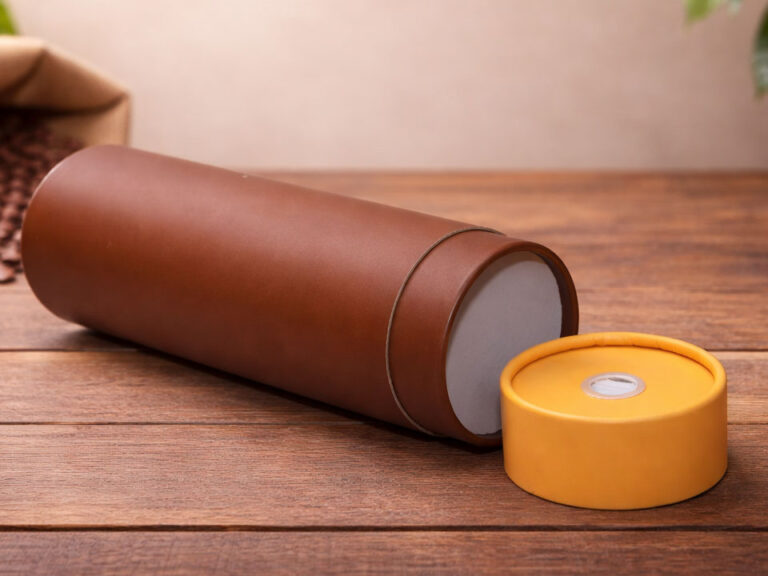
紙缶は今、本当に注目されている。プロテインパウダー、お茶、スキンケア、CBD、そしてアクセサリーに至るまで、紙缶が使われている。ブランドが紙缶を選ぶのは、単に「グリーン」に見えるからではない。選ばれる理由は よく売れる, シップウェル, そして プレミアム感を味わう 郵便物の中でへこんでしまうことなく。.
それでも、“紙缶 ”が自動的に “リサイクルしやすい ”を意味するわけではない。その ライナー, バリアコーティング, 接着剤, そして リッドシステム パックが実世界で紙のようにふるまうかどうかを決める。バルク、OEM/ODM、または卸売流通のために調達している場合、棚やフルフィルメントで機能するデザインが必要です。.
このガイドでは、何が真実で、何が危険なのか、そして製品とマージンを守る紙缶の仕様の決め方について説明する。.
小売店での販売やDTC出荷を行っている人なら、このような質問を聞いたことがあるだろう:
紙製の缶詰は、その甘美なスポットに当たることが多い:
商品ラインを構築するのであれば、バイヤーが自然に閲覧するところから始めよう: カスタム紙管包装製品.
紙の繊維は何度もリサイクルできるが、永遠ではない。繊維はサイクルごとに短くなるため、システムが健全であるためには新鮮な繊維が必要となる。業界のガイダンスでは、再生紙繊維は通常、次のような過程を経ると説明されています。 約5~7回使用 弱りすぎる前に。.
そのディテールが重要なのは、クレームをクリーンに保つためだ。紙の寿命は一度だけではありません。しかし、“無限のリサイクル ”を暗示してはならない。”
ここで、多くのブランドは苦労して学ぶことになる: 紙缶は紙複合体, コピー用紙ではない.
ほとんどの紙缶には、いくつかの混合物が含まれている:
紙以外の断片は、パルプ化でうまく分離されないと、リサイクルを難しくしてしまいます。だからこそ、「リサイクル可能」を 設計結果, 素材ラベルではない。.
バリアは、本当のエンジニアリングが起こる場所だ。あなたの製品はマーケティングには関心がありません。空気、湿気、光、臭いを気にするのです。.
製品の品質を安定させるため、多くの紙缶は薄いライナーやバリアコーティングを使用している。バリア性の高い紙缶のなかには、紙以外の素材がかなりの割合を占めるものもある。だからといって、それが “悪い ”ということにはならない。それは、次のことを意味する。 スペック・スマート そして メッセージ 廃棄指導について.
| 引数キーワード | 安全に請求できるもの | 使えるデータポイント | 信頼性のソースタイプ |
|---|---|---|---|
| 紙のリサイクル・ループ | 紙繊維は分解するまでに何度も循環することができる | 一般的なファイバーの再利用範囲: 5~7サイクル | 製紙業界団体のガイダンス |
| リサイクル性は設計次第 | コーティング、接着剤、ライナーはリサイクル性能を低下させる可能性がある | 非繊維部品は、工場加工に課題をもたらす可能性がある | リサイクル設計ガイダンス |
| バリア層 | バリアは保存安定性を向上させるが、複雑さを増す | ハイバリア紙には、紙以外の注目すべきシェアが含まれる可能性がある。 | バリア紙技術ガイダンス |
| 現実のリサイクル率 | “「紙」は高回収を保証しない | 紙製包装の中には、一般に考えられているよりもはるかにリサイクル率が低いカテゴリーがある | 政府の廃棄物・リサイクル統計 |
| テストと検証 | 証明はオンパック・クレームの仮定に勝る | リサイクル性の評価方法と検証を利用する | 業界のリサイクル可能性ガイドライン |
小売業者、流通業者、プラットフォーム・バイヤーと話すときは、その表をアンカーとして使用する。そうすることで、話がプロフェッショナルになり、ずさんな主張からあなたを守ることができる。.
プロテインパウダーは、紙缶と最も相性が良いもののひとつである。また、適切なチューブはフルフィルメントでも形状を保持するため、「破損して到着した」チケットを受け取ることも少ない。.
実用的なリファレンスはこの形式だ: プロテインパウダー包装紙管.
それが解決するバイヤーのペインポイント: ソフトカートンでは、複数パックの出荷時に荷崩れしてしまいます。紙缶は形状を保持しやすいので、棚の写真やお客様の箱出しが一定に保たれます。.
お茶には湿気と臭いという2つの敵がいます。密閉式の蓋は香りを守り、開封を繰り返しても “新鮮さ ”を保ちます。.
例えば、金属製のカバーが付いた紅茶用のチューブだ: ブリキ蓋付茶包装紙管.
業界の話 アロマロックと水分コントロールです。高級茶を売るのであれば、“味がいい ”か “お客さんがまた来てくれる ”か、その違いです。”
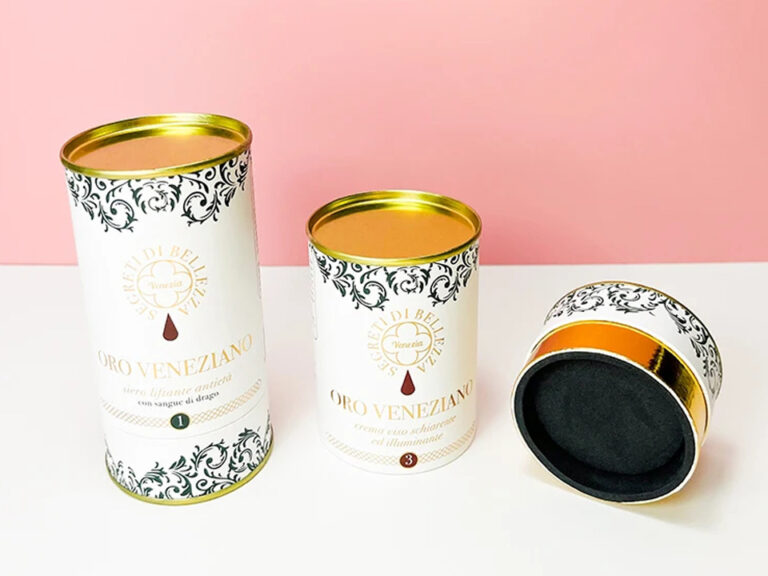
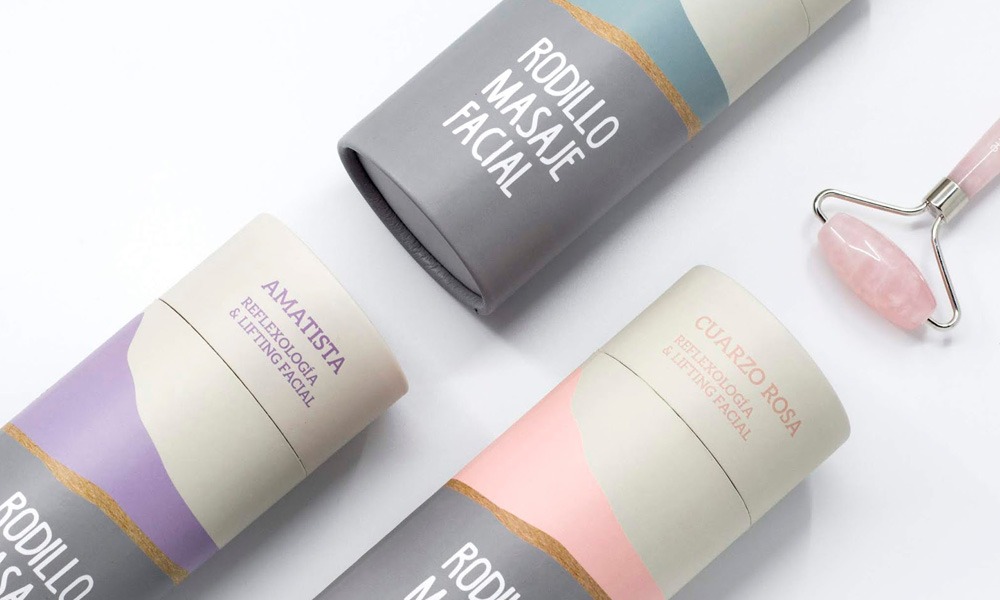
美容のバイヤーは目と手で判断します。紙管は、高級な仕上げのための硬くてきれいな表面を提供し、製品ページや広告のためによく写真を撮ります。.
実際のパッケージングの参考にしてほしい: 化粧品チューブ包装.
それが解決するバイヤーのペインポイント: 薄っぺらなカートンは、小売店の箱の中で折り目がついたり、ハンドバッグの中でつぶれたりします。硬いチューブは、あなたのブランドを意図的に見せ続けます。.
大麻の包装は、より厳しいルールに従わなければならない。耐小児性、陳列価値、輸送保護が同時に必要です。紙管包装は、適切な構造とインサートで対応できます。.
以下は関連文献である: チャイルド・レジスタンス紙管包装.
オペレーション値: インサートはガタつきを抑え、傷を減らし、返品リスクを低減します。これは、混載輸送で何千個ものユニットを出荷する際に大きな威力を発揮します。.

カートリッジは傷がつきやすく、顧客はそれに気づく。フィットチューブとインサートは、ユニットを中央に保ち、ラストマイル配送での衝撃によるダメージを軽減します。.
社内の例を使おう: CBDカートリッジ包装チューブ.
販売額: よりきれいな箱詰め、「傷だらけで届いた」というクレームの減少、より良いレビュー写真。.
紙管は消耗品だけのものではありません。アクセサリーは、「贈答用」の手触りと、薄いカートンよりも優れた耐つぶれ性という利点があります。.
この例は、窓とハンドルが棚のピックアップをいかに高めるかを示している: 透明窓付きヘアバンド包装チューブ.
小売店の角度 買い物客は商品を素早く見ることができる。それが決断の時間を短縮し、コンバージョンを助けます。.
サプリメントやウェルネスパックには、様々なSKUにわたって強力なシェルフ・アイデンティティーが必要とされることが多い。紙管ラインなら、フレーバーや処方を入れ替えても、一貫したブランディングを簡単に保つことができる。.
内部参照: 段ボール箱.
ブランド構築の価値: SKU間で一貫性のある構成にすることで、棚のブロックが引き締まり、より「本物のブランド」に見える。.
ジュエリーの場合、パックは商品の一部である。硬いチューブは記念品のように感じられ、余分な詰め物をすることなく配送中の商品を保護します。.
内部参照: 宝飾紙管包装.
顧客価値: 自分で購入したものでも、プレゼントのように感じる。そうやって、より良いアンボックスコンテンツを獲得するのです。.
最高のデザインであっても、顧客がそれをどう使ったらよいかを知らなければ失敗する。もしあなたのパックが複合製品であるなら、パック上のシンプルなガイダンスが混乱を減らし、実際の成果を向上させるのに役立つ。.
直接的に:
それがブランドを守り、顧客サービスの摩擦を減らすことになる。.
サンプリングを超えると、スケールがゲームの全てになる。一貫した素材、安定した印刷、予測可能な出力が必要です。そのためバイヤーは、大量生産が可能で、長い生産サイクルにわたってQCを安定させることができるメーカーを好むのです。.
サプライヤーの信頼性を高めるのであれば、メインのエントリーページとしてコアカテゴリーのハブを紹介しましょう: トップカスタム紙管ボックスメーカー.
そのページを内部ナビゲーションの「本拠地」として扱えば、バイヤーが文脈を失うことなく、あるシナリオから次のシナリオにジャンプすることもできる。.
このチェックリストを使って、やり取りを減らし、サンプリングをスピードアップさせよう:
サプライヤーにこのような概要を前もって伝えておけば、リビジョン・ループを削減し、大量生産に早く到達することができる。.