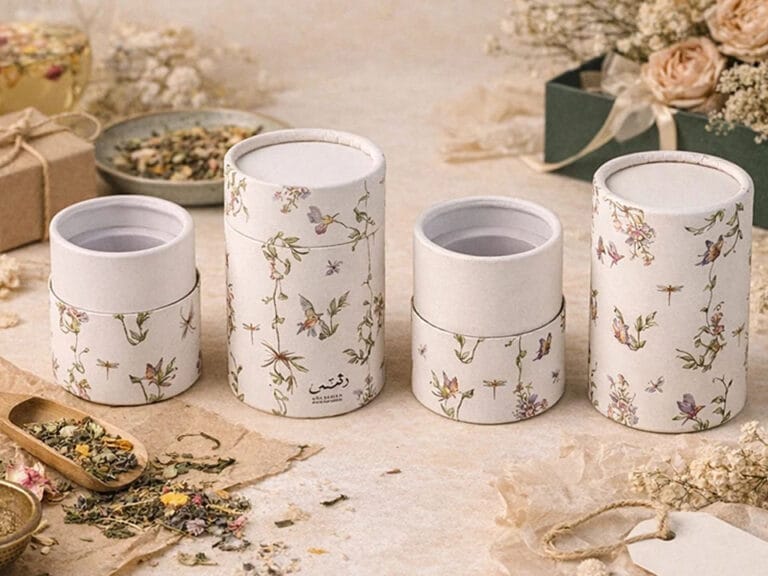
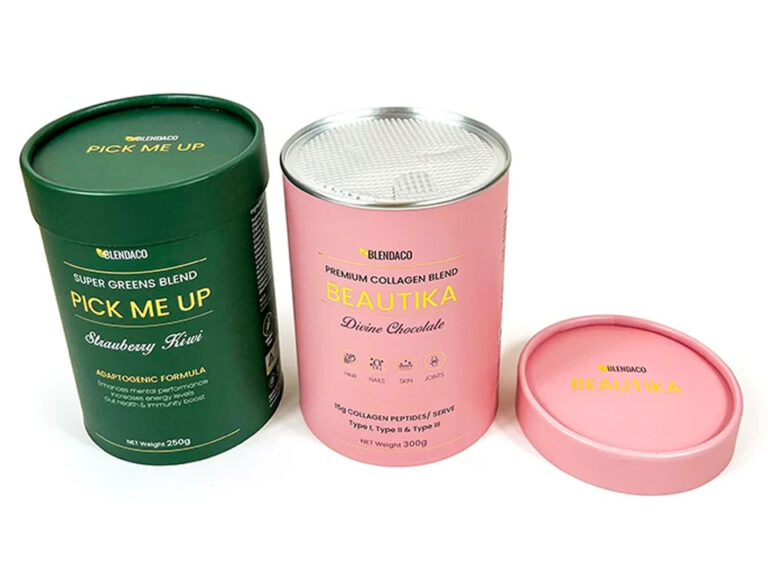
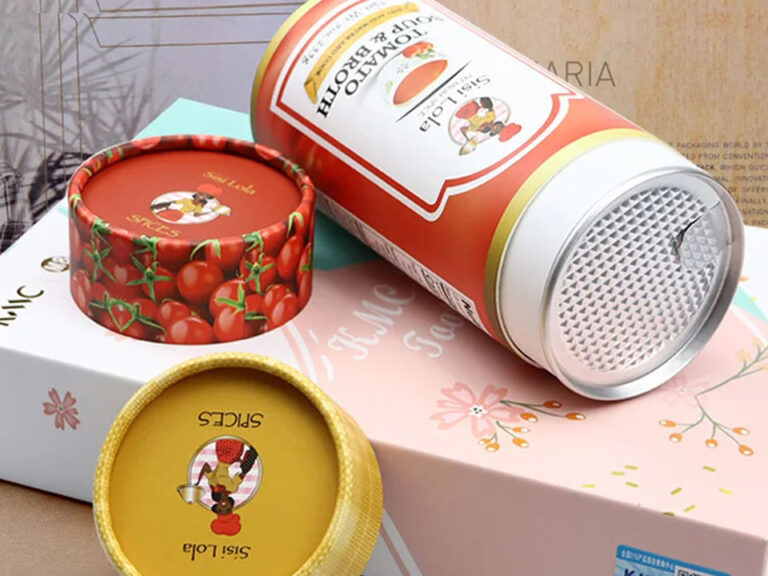
まだ適切なパッケージング・ソリューションが見つからない?私たちの上司に相談してください。.
弊社のウェブサイトをご覧になったり、営業担当とお話になったりしても、まだ明確な道筋が見えない場合は、こちらからリクエストをお送りください。あなたのメッセージは、実現可能性、コスト、リードタイムをエグゼクティブレビューするために、私たちのゼネラルマネージャーに直接送られます。明確な次のステップ、つまり何ができるか、何が必要か、お見積もりへの最短ルートをお知らせします。.

ボスと話す

弊社のウェブサイトをご覧になったり、営業担当とお話になったりしても、まだ明確な道筋が見えない場合は、こちらからリクエストをお送りください。あなたのメッセージは、実現可能性、コスト、リードタイムをエグゼクティブレビューするために、私たちのゼネラルマネージャーに直接送られます。明確な次のステップ、つまり何ができるか、何が必要か、お見積もりへの最短ルートをお知らせします。.
パッケージング・マネージャー、調達、パッケージング・エンジニア向け。サイズ、数量、仕上げを指定すると、米国/欧州プログラム向けの要求価格、リードタイム、仕様ガイダンスが表示されます。.
ほとんどのブランドは、製品が悪いから顧客を失うのではない。パッケージが摩擦を生み、ユニットが破損したり、棚が乱雑になったり、情報が不明瞭になったり、大量生産に耐えられない「素敵なデザイン」だったりするために顧客を失うのだ。.
だからこそ、「革新で賑わう」というアイデアが重要なのだ。それは流行のグラフィックについてではない。一度に3つの仕事をこなす包装システムを構築することなのだ: 持続可能な, 参考になる, そして 視覚に訴える. .この3つのバランスが保たれていれば、棚で売れ、きれいに出荷され、ドラマのないスケールの大きいパッケージができる。.
卸売、OEM/ODM、大量注文のためにカスタム紙管ボックスを調達している場合、この記事は、これらのアイデアをすぐに使用できる実際のシナリオに変えます。.
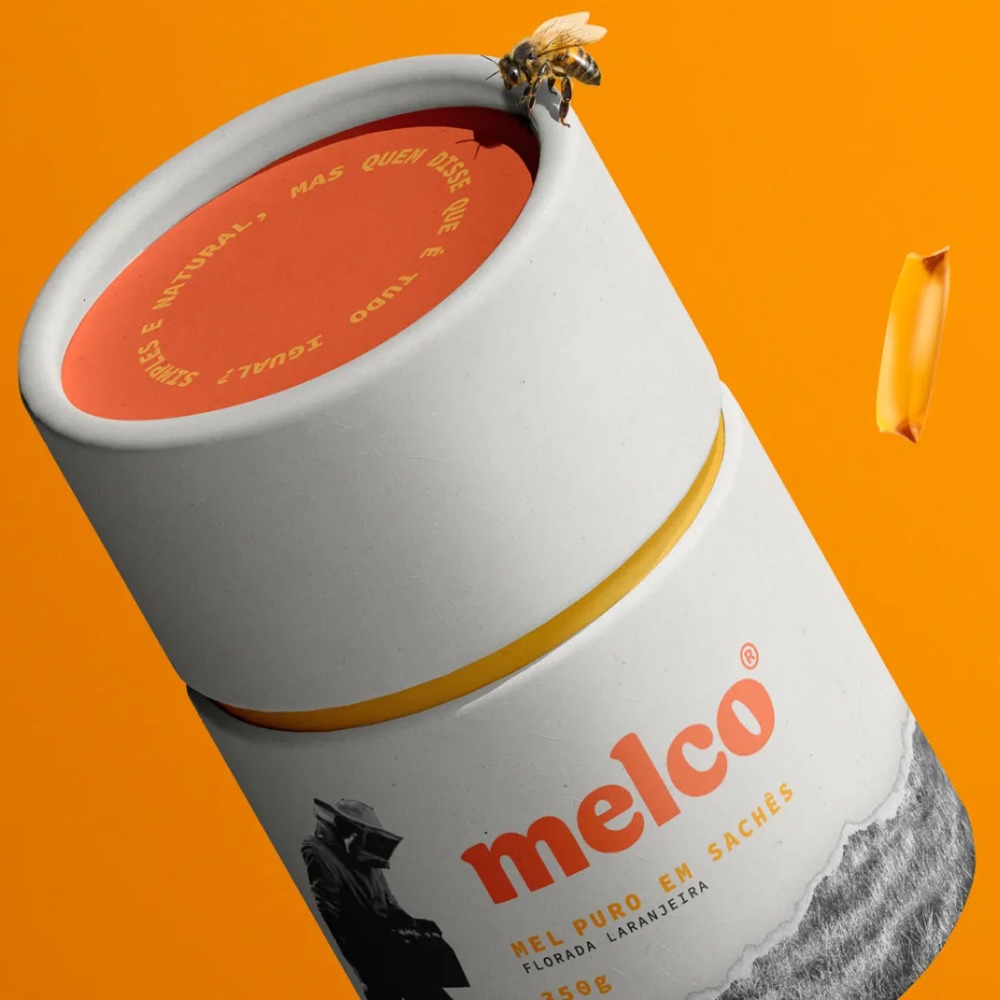
持続可能性は、箱の上の線だけでなく、サプライチェーンで実感できる決断から始まる。.
何千ものユニットを出荷する場合、「持続可能」とはどのようなものだろうか:
これが顕著に現れる場所
大量生産における持続可能性とは、頭痛の種を減らすことを意味する:箱のつぶれ、返品、「なぜパッケージが変わったのか」という苦情を減らすことだ。.
もし顧客が5秒以内に重要な詳細を見つけられなければ、あなたは顧客に過剰な努力を求めていることになる。そのような場合、顧客はためらったり、立ち止まったり、隣の競合他社を買ったりする。.
情報満載のパッケージはレイアウトの問題。階層を修正すれば、製品は買いやすくなる。.
機能するシンプルな情報スタック
実際のシナリオ
情報量が多いということは、“テキストが多い ”ということではない。適切なテキストが適切な場所に表示されるということだ。.
見た目はオプションではない。パッケージは無言の営業マンなのです。.
しかし、「きれい」がゴールではない。あなたが求めるのは 保存性 そして ブランド・リコール:
一貫したスタイルを構築する実用的な方法
どこで成果を上げるか
強力なビジュアル・システムがあれば、広告も簡単になります。商品写真はより一貫性があるように見え、店頭は「ランダムなリスト」よりも「本物のブランド」のように感じられます。“
ミニマルデザインはスタイルのトレンドではない。転換の近道なのだ。.
レイアウトがきれいなままだとね:
“忙しいパッケージング ”を防ぐ簡単なルール”
ミニマリズムはまた、大量生産においてもあなたを守る。忙しいレイアウトの中で、小さなアライメントの問題が顕在化するリスクを減らすことができる。.
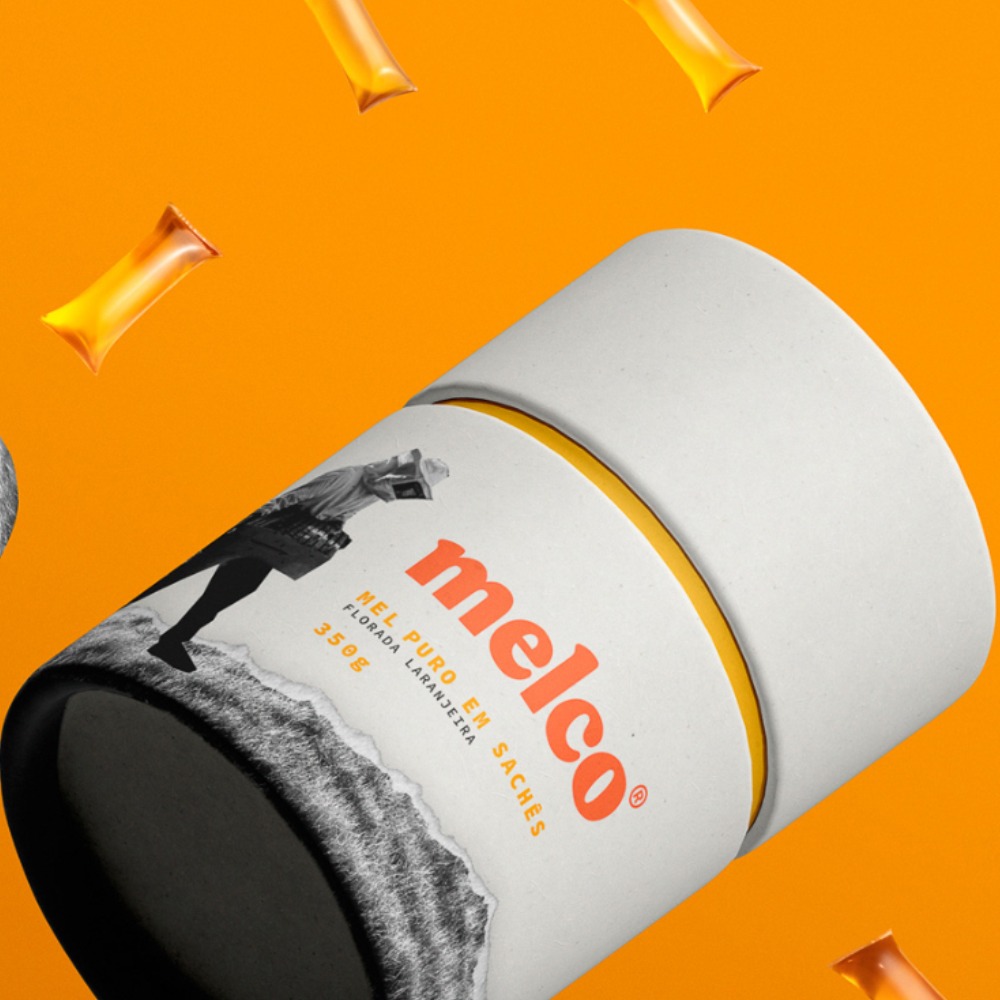
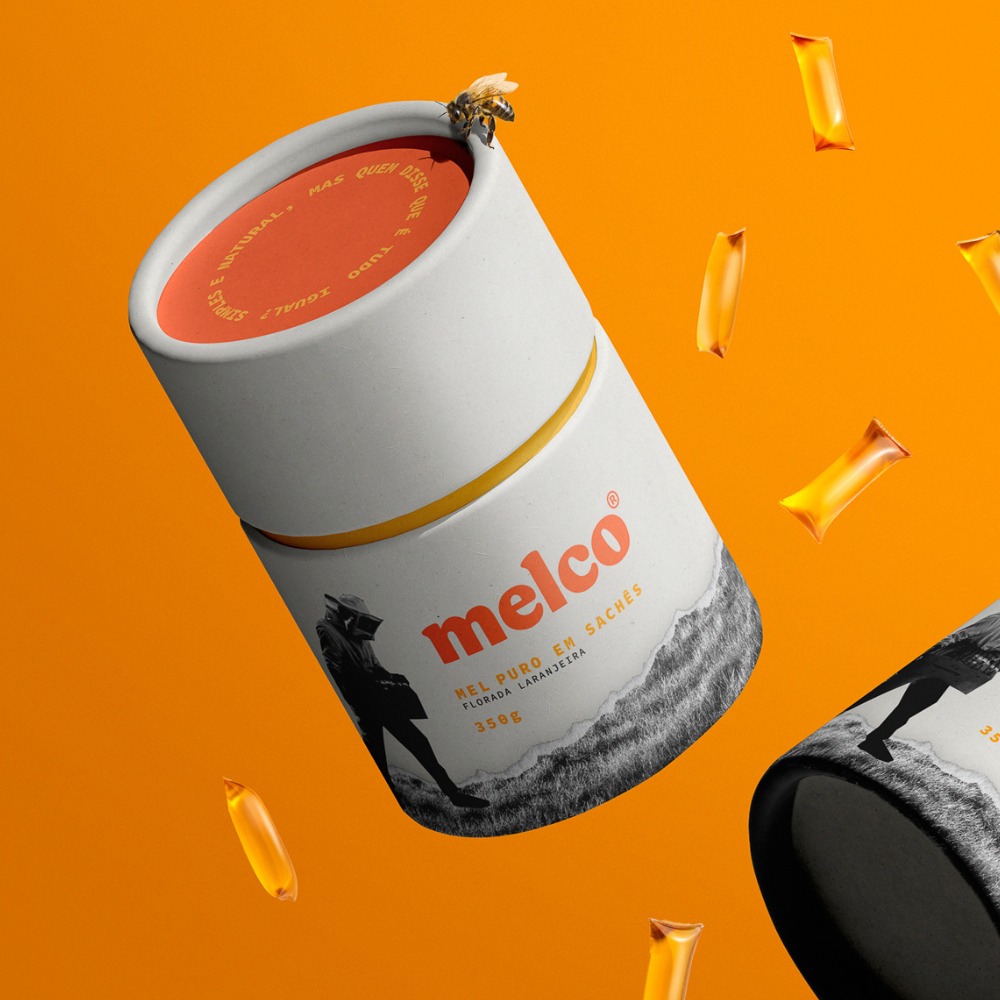
“「切り抜きとコラージュ」は、ごちゃごちゃせずに個性を出したいときの賢いテクニックだ。.
コントロールされたカオスと考えればいい:
ベスト・フィット・カテゴリー
規制されたパッケージング構造については、この2つが実用的なリファレンスとなる:
コラージュはマーケティングにも最適です。商品ページや折込チラシ、ソーシャルで再利用できるアセットを、繰り返しに見えず提供できる。.
環境に優しい素材は重要だが、本当のテストはフルパックアウトが機能するかどうかだ:
紙管が輝くのはこの点だ。紙管は硬く、うまく積み重ねられ、手に取ると意図的な感じがする。構造を正しく作れば、角がつぶれたり、紙パックが曲がったり、箱から出すときに散らかったりといった典型的な難点を避けることができる。.
まとめ買いをするということは、ただ箱を買うということではない。生産の安定性を買っているのだ。.
あなたのサイトは、あなたを トップカスタム紙管ボックスメーカー, 近代的な食品包装の浄化ワークショップと大規模な倉庫のフットプリント、さらに高い毎日の生産能力を持つ。それは必要なバイヤーのための問題です:
OEM/ODMの価値が高まるのもこの点だ。ベンダーの手を煩わせることなく、1つの屋根の下で構造、印刷、仕上げ、梱包の要件を調整することができます。.
カテゴリー別に素早くブラウズするには、チームに 製品カタログ. .そして、もし誰かが大局的な能力の話を必要としているなら、あなたのところに送ってあげればいい。 ホームページ.
ここでは、「持続可能性/有益性/視覚的魅力」のフレームワークが、理論に変わることなく、実際の買い手のニーズにどのように変換されるかを紹介する。.
| 議論の見出し | まず何を決めるか | 解決する典型的なバイヤーのペインポイント | ソース |
|---|---|---|---|
| 持続可能なパッケージング | 構造のサイジング+保護レベル | 破損率、返品、過剰包装の苦情 | プロテインパウダー紙管包装 |
| 情報満載のパッケージ | 情報階層+パネルプラン | 紛らわしいラベル、コンプライアンスの乱雑さ | 紙管包装 |
| 視覚に訴えるパッケージ | ブランドシステム(パレット、タイプ、仕上げ) | 棚での存在感が薄く、想起率が低い | 化粧品段ボールチューブ包装 |
| ミニマルデザイン | フロントパネルの規律 | “「忙しすぎる」パッケージ、決断の遅さ | ブリキ蓋付茶筒包装 |
| カッティングとコラージュ | ビジュアル・スタイル・ルール+再現性 | 同じようなSKU、弱い差別化 | ジュエリー・ブレスレット紙管包装 |
| 環境に優しい素材 | 素材+仕上げの組み合わせ | “安っぽく感じる「エコ」ルック | 製品カタログ |
| 規制包装 | クロージャー+コンプライアンス・レイアウト | 安全要件、読みやすい警告 | チャイルド・レジスタンス紙管包装 / CBDカートリッジ紙管包装 |
この表はあなたの “プロフェッショナル・バックボーン ”だ。ブログ記事、ピッチデッキ、ソーシングメールに落とし込むことができる。また、バイヤーを特定の商品構成に向かわせ、問い合わせの質を向上させる。.
拡張性のあるパッケージングを望むのであれば、1回限りのデザイン作業ではなく、ワークフローのように扱うことだ。.
クリーンなOEM/ODMの流れは、通常このようになる:
そうすることで、ロットや市場にまたがるブランドの一貫性を守ることができる。特に、出荷後の「サプライズ」が許されないクロスボーダーの販売者にとってはそうだ。.
構造物を素早く探検したいのであれば、次のところから始めよう。 ホームページ に飛び込んでください。 製品カタログ をクリックして、あなたのカテゴリーに合うものをリストアップしてください。.