ポップアップ・フォーム

まだ適切なパッケージング・ソリューションが見つからない?私たちの上司に相談してください。.

弊社のウェブサイトをご覧になったり、営業担当とお話になったりしても、まだ明確な道筋が見えない場合は、こちらからリクエストをお送りください。あなたのメッセージは、実現可能性、コスト、リードタイムをエグゼクティブレビューするために、私たちのゼネラルマネージャーに直接送られます。明確な次のステップ、つまり何ができるか、何が必要か、お見積もりへの最短ルートをお知らせします。.

  • 仕様、ユースケース、制約をGMが直接レビュー
  • サイズ+構造チェック:直径、高さ、壁強度、インサート
  • ブランド+予算に合わせた印刷/仕上げの提案
  • コストダウンの選択肢とリードタイム改善の選択肢
  • 見積もりパスの明確化:MOQ、サンプリング計画、次に何をすべきか
リース・ペン
ボスと話す
ポップアップ・フォーム

カスタム紙管包装の迅速な見積もりを得る

パッケージング・マネージャー、調達、パッケージング・エンジニア向け。サイズ、数量、仕上げを指定すると、米国/欧州プログラム向けの要求価格、リードタイム、仕様ガイダンスが表示されます。.

  • 直径、高さ、肉厚、インサート、ライナー、クロージャーのカスタマイズが可能。
  • プレミアム仕上げ:CMYK/パントン、フォイル、エンボス、UV
  • 明確な調達:明確なスペック+QC+DFMガイダンス
  • 持続可能:ご要望に応じてFSC®紙を提供
  • 小児用:ISO 8317 / PPPAに準拠した設計
リース・ペン
パッケージング・エンジニアに聞く

紙管の長さに影響を与える要因とは?

When you say “paper tube length,” you usually mean the finished cut-to-length of the tube body (or the overall height once the lid style is chosen). That one number sounds simple. In real production, it behaves like a moving target.

Here’s why you should care: length controls lid fitinsert clearancelabel alignment, and how the tube looks on shelf. In bulk wholesale, small drift can turn into big headaches—slow packing, higher QC fallout, and annoying rework loops.

If you’re sourcing custom tubes for retail, DTC, or OEM/ODM runs, this guide gives you the practical factors that push length long or short, plus what you can do to keep it stable. Our factory runs high-volume production with a modern food packaging purification workshop, a 12,300m² warehouse, and daily capacity over 300,000 pieces.

For quick reference, you can browse tube styles in our 製品カタログ 

紙管の長さに影響する要因

Paper Tube Length

Before we jump into root causes, make sure you and your supplier mean the same thing:

  • Tube body length: the cardboard cylinder height after cutting.
  • Overall height: tube body + lid structure (plug-in, telescopic, metal cap, etc.).
  • Inspection method: how the factory measures (fixture vs caliper, one-point vs multi-point).

If you don’t lock those down, you’ll get “pass” at the factory and “fail” in your packing line—because you measured different things.

Moisture Content

Moisture is the quiet driver behind length change. Paper absorbs and releases water, and that shifts dimensions.

A company news post explains that different water content can change paper length, and higher water content can lead to more shrinkage after printing.

Moisture Equilibrium

Paper doesn’t “stay put” right after printing or laminating. It wants to reach a new balance with the surrounding environment. If your storage area swings between dry and humid, the tube can slowly creep longer or shorter over time.

Incoming Moisture Inspection

If you want fewer surprises, treat moisture like a spec, not a vibe:

  • Ask the supplier to condition paper before printing.
  • Sample cartons on arrival (IQC) and store them sealed until use.
  • For export shipments, request packaging that limits moisture exchange during transit.

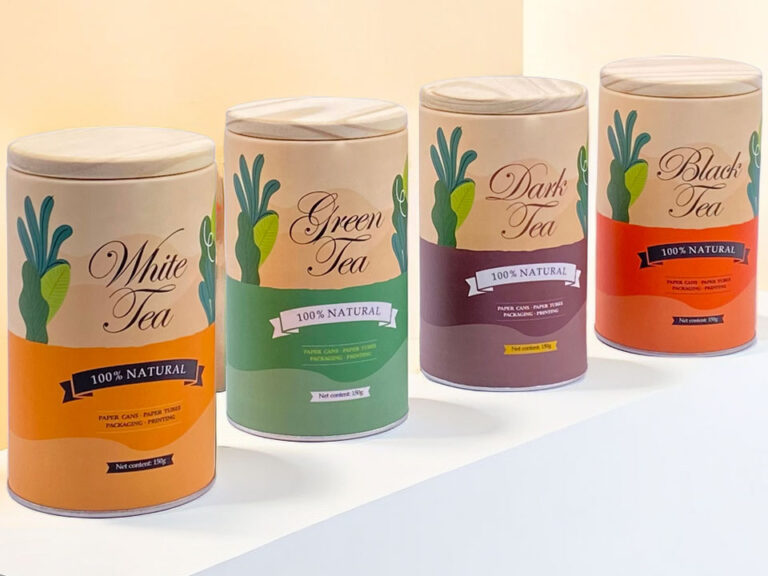
Real-world example: tea packaging often uses a tighter-fitting closure. If you’re using a tinplate cover style like this tea paper tube packaging, moisture swings can show up as a lid that feels “too tight today, too loose next week.”

Paper Thickness

Thicker paper (higher grammage) behaves differently under print and process tension.

Your company’s write-up notes that, under the same tension, thicker paper can show more shrinkage after printing, and moisture in thicker paper also matters.

Paper Quantitative and Shrinkage

In the shop, thick stock often means:

  • more “memory” after being stretched
  • more sensitivity to drying conditions after ink/lamination
  • more stress when it wraps and cures

That doesn’t mean “avoid thick paper.” It means you should match the thickness to your tube diameter, wall build, and closure style, then control the process window.

Practical scenario: for heavier products like supplements, a sturdier structure helps. But if you’re doing a wide-mouth format like this プロテインパウダー紙管包装, thickness choices and process control matter because your filling line needs consistent headspace.

Printing Tension

Printing tension can stretch paper, then it “snaps back” later. That rebound can make the finished length look inconsistent.

The same company news post explains that excessive tension during printing stretches paper, and after tension is removed the paper retracts.

Paper Feeding System Tension

If you’ve ever seen artwork “walk” or a seam line drift, tension is often part of the story. In tubes, tension problems can show up as:

  • length variation between batches
  • seam alignment that shifts
  • labels that don’t land where your design team expected

What you can do:

  • Ask your supplier how they set web tension and how they verify it.
  • Confirm if they print inline with tube forming or in a separate step with curing time.
紙管の長さに影響する要因

Humidity and Temperature

Even if you control moisture in the paper, the room environment still matters. Humidity and temperature change:

  • drying speed after printing
  • adhesive curing behavior
  • how fast paper rebalances after cutting

Storage Conditions

Two simple habits reduce drift:

  • Store tubes in closed cartons until you’re ready to pack.
  • Avoid leaving tubes unsealed near open dock doors or direct HVAC blasts.

This matters most for premium cosmetics where “feel” sells. A clean edge and consistent height make the pack look intentional. If you’re building a skincare line with a snug insert and clean finish like this 化粧品チューブ包装, environmental control helps you avoid lids that sit unevenly on shelf.

Wall Thickness

Wall thickness (number of plies + adhesive layers) changes how the tube behaves during cure and cut. More layers can mean more internal stress, especially if glue carries moisture or if curing happens too fast.

Tube Wall Thickness and Shrinkage

Common shop-floor reality:

  • A thicker wall can hold moisture longer.
  • If you cut before the structure stabilizes, you’ll measure “correct” today and “off” tomorrow.

If your project needs child-resistant performance, wall build and fit become even more sensitive because mechanisms rely on repeatable geometry. For example, in cannabis child resistant paper tube packaging, length consistency helps the closure engage smoothly instead of feeling gritty or misaligned.

Paper Width

Paper width influences how the material wraps, overlaps, and settles. If width drifts or gets slit inconsistently, the wrap angle and seam zone can change, which can subtly affect finished height (especially once you add wrap layers and trim).

Paper Width and Dimensional Stability

If you’re scaling, ask for:

  • slit width controls (supplier SOP)
  • roll change and splice handling rules
  • a clear “what happens when width drifts” decision (hold/rework/scrap)

This is one of those boring details that protects your margin because it keeps you out of repack hell.

Glue Type

Adhesives don’t just “stick.” They introduce moisture, shrink as they cure, and set the tube’s final stiffness. Different glue systems and coat weights can shift how the tube settles after forming.

Adhesive Water Content

What to watch:

  • cure time before cutting
  • glue coat weight consistency
  • seasonal changes (because glue and paper react to the room)

If you ship fragile items like glass cartridges, you don’t want the tube settling later and changing the fit around inserts. Packs like this CBD cartridge paper tube box benefit from stable length so the insert locks the product and prevents rattle.

Cutting Method

Cutting turns a “continuous tube” into your sellable unit. Blade condition, fixture setup, and method all show up in length results.

Saw Cut

Saw cutting can handle high throughput, but it needs tight setup discipline:

  • blade wear control
  • stable feeding and clamping
  • dust management (so tubes seat fully in fixtures)

Blade Cut

Blade cutting can deliver clean edges, but it still needs:

  • sharpness standards
  • consistent pressure
  • a fixture that prevents tube compression during measurement

If your packaging is gift-style (where customers notice everything), cutting quality becomes visible. A clean, even height makes a big difference for premium presentation like this jewelry and bracelet tube packaging.

Packaging and Transportation

Even when production is perfect, shipping can mess with length. Compression loads, loose cartons, and long transit cycles change how paper equilibrates.

Stretch Wrap and Outer-Layer Exposure

If cartons breathe too much, humidity exchange speeds up. If cartons crush, tubes can ovalize and sit differently when measured (which can look like a length problem during incoming QC).

This is especially common for retail-ready packs with windows or handles, where the design adds more cutouts and structural complexity. For example, this hair band paper tube packaging looks great for display, but it deserves stronger shipping protection so the tubes arrive consistent and shelf-ready.

紙管の長さに影響する要因

Factors Checklist Table

Below is a practical “why it happens + what to do” view. The first three items come directly from the company’s published explanation (moisture, paper thickness, tension).The control actions reflect how packaging engineers typically turn ideas into a stable production spec.

Factor keywordWhat it does to lengthWhere you’ll notice it firstControl method you can requestソース
Moisture ContentShrinkage or expansion after printing and over timeLids feel inconsistent; height looks “off” after storagePaper conditioning, sealed storage, humidity-aware packingCompany news explanation
Paper ThicknessThicker paper can shrink more after printing under the same tensionDifferent batches measure differently even with same artworkMatch grammage to structure; lock process window; pre-production trialCompany news explanation
Printing TensionStretch during printing, then retract laterArtwork seam shift + length driftTension SOP, curing time before forming/cuttingCompany news explanation
Humidity and TemperatureChanges drying/cure speed and paper balance“Good in factory, weird on arrival”Carton sealing, controlled storage, avoid dock exposurePackaging engineers guidance
Wall ThicknessMore layers can trap moisture and release stress laterLength changes a day after cuttingStabilization time before cut; fixture measurementPackaging engineers guidance
Glue TypeCure shrink + moisture impactInsert fit changes; seam zone feels harder/softerGlue spec + coat weight control; cure verificationPackaging engineers guidance
Cutting MethodSetup and wear create consistent over/under cutsQC rejects spike; edge quality changesBlade wear rules; go/no-go fixtures; sampling planPackaging engineers guidance
Packaging and TransportationCompression + humidity exchange shifts dimensionsIncoming inspection fails after long transitStrong cartons, pallets, moisture-resistant packingPackaging engineers guidance

OEM and Wholesale Specs That Save You Pain

If you’re a brand owner, retailer, distributor, or a cross-border seller scaling fast, you don’t want to babysit packaging. You want a spec that runs clean.

Here’s what to send your supplier before sampling:

  • Tube body length definition (where measurement starts/ends)
  • Overall height definition (if lids are included)
  • Closure style and fit feel (tight / normal / easy open)
  • Artwork seam position and acceptable drift
  • Pack-out method (insert, pouch, liner, foam)
  • Shipping mode and storage expectations

On our side, you can work directly with packaging engineers on structure, materials, finishes, inserts, and compliance for US/EU markets. That’s how you turn “I want a tube” into a production-ready SKU that your fulfillment team won’t complain about.

If you want to see more tube formats first, start at the トップカスタム紙管箱メーカーホームページ and then jump into the 製品カタログ to shortlist styles for sampling.

コメント
愛を分かち合う