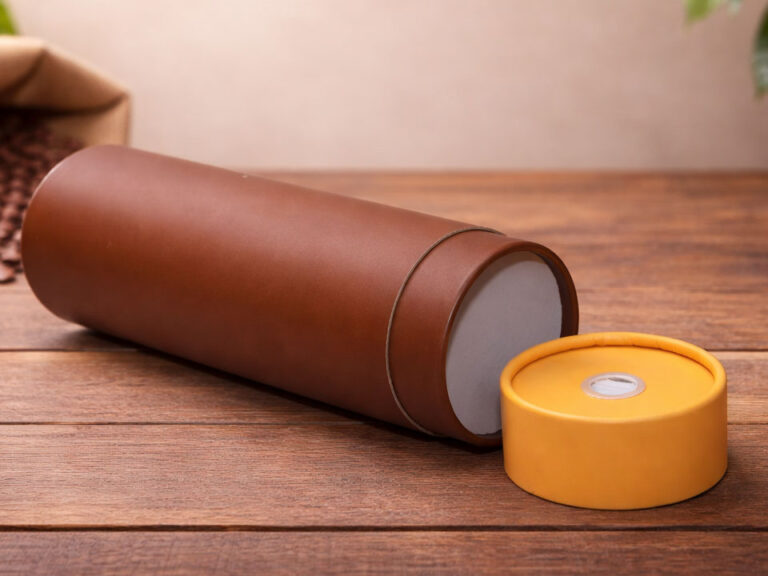
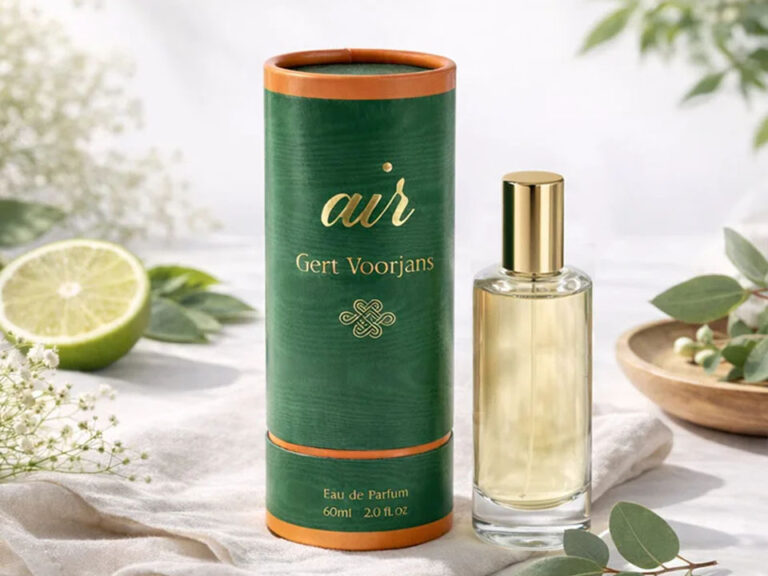
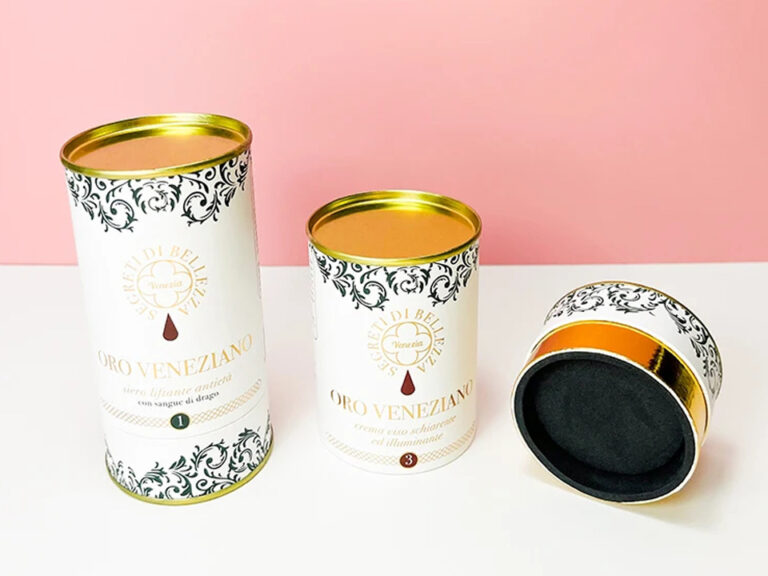
まだ適切なパッケージング・ソリューションが見つからない?私たちの上司に相談してください。.
弊社のウェブサイトをご覧になったり、営業担当とお話になったりしても、まだ明確な道筋が見えない場合は、こちらからリクエストをお送りください。あなたのメッセージは、実現可能性、コスト、リードタイムをエグゼクティブレビューするために、私たちのゼネラルマネージャーに直接送られます。明確な次のステップ、つまり何ができるか、何が必要か、お見積もりへの最短ルートをお知らせします。.

ボスと話す

弊社のウェブサイトをご覧になったり、営業担当とお話になったりしても、まだ明確な道筋が見えない場合は、こちらからリクエストをお送りください。あなたのメッセージは、実現可能性、コスト、リードタイムをエグゼクティブレビューするために、私たちのゼネラルマネージャーに直接送られます。明確な次のステップ、つまり何ができるか、何が必要か、お見積もりへの最短ルートをお知らせします。.
パッケージング・マネージャー、調達、パッケージング・エンジニア向け。サイズ、数量、仕上げを指定すると、米国/欧州プログラム向けの要求価格、リードタイム、仕様ガイダンスが表示されます。.
スパイスは一夜にして「腐る」ことはない。香り、色、そして料理を生き生きとさせるパンチの効いた味。たいていの場合、敵はスパイスではない。保存方法なのだ。.
複合紙缶(ライナーとエンドキャップ付きの板紙缶)は、通常のフレーバーキラーを扱えるように作られているため、スパイスの保管が簡単だ: 光、酸素、湿度の変化、輸送中の乱暴な取り扱い. .また、棚に並べてもシャープに見えるので、クリック数やプラノグラムのスペースを争うときには重要だ。.
スパイス・ラインを構築する場合、または現在のパックをアップグレードする場合は、次のものから始めてください。 カスタム紙管箱ホームページ をスキャンする。 製品カタログ 構造オプションと仕上げの感触をつかむために。.
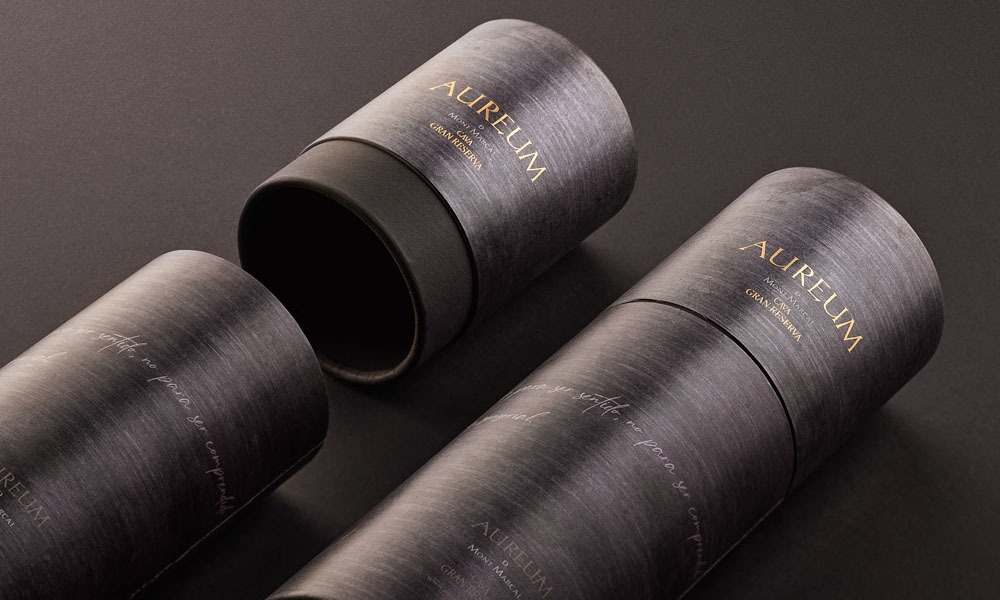
光はスパイスを消耗させる。パプリカやウコンが一日中、小売店の明るいLEDの下に置かれていることを考えてみてほしい。キャップを閉めたままでも、製品は光にさらされる。.
複合紙缶はシンプルな利点をもたらす: 不透明体. .板紙は自然に光を遮るので、家庭ですべてを完璧に保管する顧客に頼る必要はありません。そのため、商品が棚に置かれている間、色や香りをより安定させることができます。.
小売業者は、何週間も “対面 ”した後でも高級感のあるパッケージを求めている。硬くて不透明な缶は、その助けとなる:
もし、棚に大胆なインパクトを与えるような強力なカバー印刷をお望みなら、以下のレイアウトスタイルをお勧めします。 両面印刷紙管包装 は、特にギフトセットやプレミアムブレンドなどのスパイスのブランディングに適している。.
スパイスは酸素が出入りすると風味が落ちる。湿度の変化もまた、固まりや容器の上部の厄介な “硬い皮 ”の引き金となる。包装の用語で言えば、次のような管理をしていることになる。 酸素透過率 (酸素透過)と WVTR (水蒸気透過率)。.
複合紙缶は通常、板紙製のシェルに ライナー バリア性能を向上させる。シェルが形やプリントの質、プロテクションを提供する一方で、ライナーが力仕事をする。.
強いオイルを使ったブレンドを販売する場合、香りのドリフトが本当に問題になる。クミンの隣に置かれたニンニク調味料と同じ香りがすることを望む人はいない。より良いバリア構造は、その軽減に役立つ:
パウダースタイルの製品については、以下のようなフォーマットもある。 プロテインパウダー用紙管包装. .用途は異なるが、バリアと構造のロジックは近い:乾燥した製品を湿気から守り、流通においてパックを安定させる。.
人々は「気密性」を雰囲気のように言う。実際の包装では、気密性はクロージャーシステムと輸送後の耐性をどれだけ保持できるかにかかっている。.
コンポジット紙缶は複数のクロージャーのセットアップに対応しているので、パックをチャンネルに合わせることができる:
スパイスの使い方は簡単だ。振ったり、つまんだり、すくったりしたら、あとは閉めるだけだ。フタが薄っぺらく感じられたり、フィット感が緩かったりすると、顧客はこぼしたり、商品が古くなったり、不満を感じたりする。蓋の閉まり具合が良ければ、“散らかる瞬間 ”が減り、評価やリピート注文につながる。.
プレミアムな蓋のルックス(メタルキャップ・スタイル)を探求しているのであれば、次のページで構造上のアイデアをチェックしてほしい。 金属カバー付き食品用紙管包装. .紅茶とスパイスは同じ期待を持っている。.
スパイスの包装は現実の世界で打撃を受ける。マスターカートンに積み重ねられ、ピッキングボックスに放り込まれ、重い商品と一緒に出荷される。硬質複合缶はフレキシブル・パックよりも形状を保持しやすいため、2つの重要な場所で役立ちます:
オンラインで販売する場合、破損率は無言の税金となる。パックがへこむたびに、サポートチケットや返品が発生する。リジッド缶は、特に取り扱いが荒くなるDTC、サブスクリプション・ボックス、マーケットプレイス・フルフィルメントにおいて、そのリスクを下げることができる。.
小口径フォーマット(スパイスショット、サンプラーパック)の場合、以下のような構造になります。 紙管包装 は、ミニSKU生産やタイトなケースパック・レイアウトをイメージするのに役立つ。.
コンポジット紙缶は、「オールメタル」の重量がなく、腐食の心配もなく、剛性を保ちます。これは、大量に出荷する場合や、製品が湿度の高い環境を通過する場合に重要です。.
また、薄いペットボトルよりも手触りが良い。多くの買い物客は、紙を前面に押し出したパッケージから、より高級なパントリーの雰囲気を連想する。.
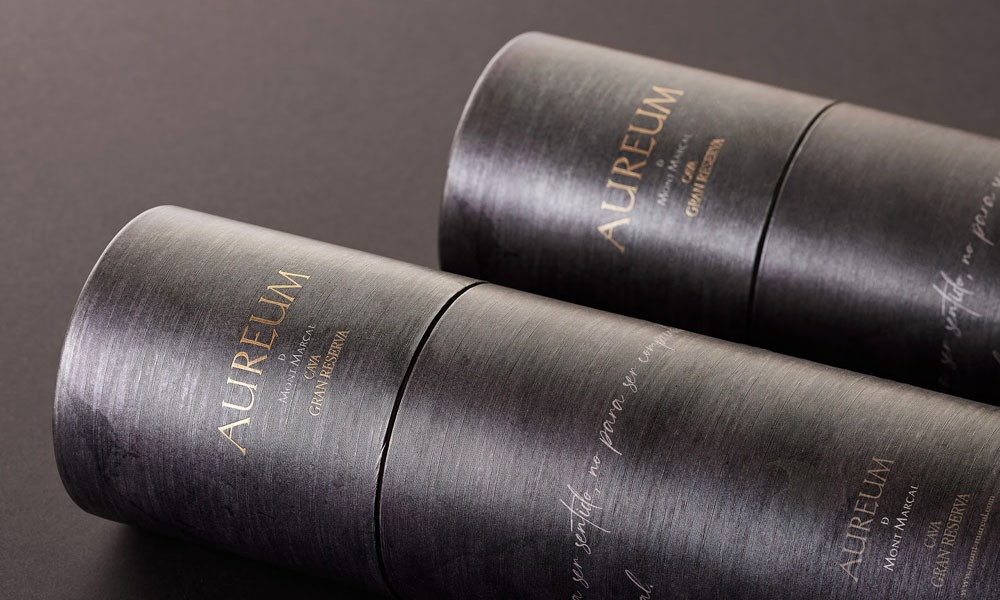
スパイスは混雑したカテゴリーにあります。顧客は素早くスキャンするので、一瞬で伝わるパッケージが必要だ:
シリンダーは、ブランディングやコンプライアンスに必要なテキストを縦にきれいに配置できる。また、丈夫な仕上げとの相性も抜群です。.
クリーンで高級感のある外観をお望みなら、この仕上げの方向性で。 マットホワイト紙管包装 は、シンプルな表面が、派手でなくともいかに高級感を演出できるかを示している。.
フィルムにしわが寄ったり、ボトルが湾曲したりすると、バーコードの読み取り性が損なわれます。リジッド缶はラベルの面積を一定に保つので、レジや倉庫での受け取りの際のスキャンの失敗を減らすことができる。これは小さなことですが、チェーン全体の摩擦を減らすことができます。.
スパイスのバイヤーの多くは、紙を前面に押し出したパッケージが好きだ。コンポジット缶は、本体が板紙を使っているため、そのストーリーをサポートすることができる。しかし、正直に言ってください: リサイクル可能かどうかは、ライナー、キャップの材質、地域のリサイクル規則によって異なる。.
最良の方法は、販売先に合わせて素材を選択し、裏付けとなる主張を書くことだ。そうすることで、ブランドを保護し、メッセージングをクリーンに保つことができる。.
コンポジット紙缶は、製品保護と棚陳列の両方に対応できるため、スパイスに適している。複合紙缶が輝く実際のシナリオをいくつかご紹介しましょう。.
小売業では、あなたはそれを望んでいる:
不透明で硬い缶は、品質保護に役立つと同時に、棚割れを防ぎ、商品陳列をすっきりさせる。.
定期購入者は箱を開ける瞬間を気にする。硬い缶は意図的に見え、輸送中のダメージを軽減します。また、キットの中でうまく積み重ねられるので、キッティングがより速く、よりきれいになります。.
ギフト・エネルギー」を付加するパック・スタイルを望むなら、サンプラーセットにはウィンドウ構造が有効だ。のフォーマットは 透明窓と取っ手の付いた紙管包装 は、完全な透明容器に切り替えることなく、窓を設けることで製品を素早く見えるようにする方法を示している。.
厨房ではスピードが勝負です。スタッフは、読みやすいラベル、安定した容器、素早いリシールを必要としています。コンポジット缶はよく積み重ねられ、一定の取り扱いの後でも形状を保つので、整理整頓に役立ち、取り違えを減らすことができます。.
| 論題 | 何を防ぐか | 改善点 | エビデンス |
|---|---|---|---|
| スパイスの遮光 | 光による退色と風味の低下 | より強い色、より長い「新鮮さ」の知覚 | 光に敏感なドライ商品の包装のベストプラクティス+不透明板紙構造 |
| スパイスの酸素と水分バリア | 酸化、凝集、アロマ損失 | 産地間でより安定した味と香り | バリアスペックロジック(OTR/WVTR)、ライナー選択、市場別湿度リスクマッピング |
| 密閉シールと密閉蓋 | 密封、流出、改ざんの懸念 | より清潔なキッチンでの使用、棚での高い信頼性 | クロージャーフィットテスト、落下テストフィードバック、顧客クレームトラッキング |
| 耐久性のある多層構造とスタッキング強度 | 潰れたパック、擦れたラベル | 棚の存在感が増し、損害賠償請求が減少 | トランジットハンドリングの現実、ケースパックのパフォーマンス、倉庫での荷受けに関する注意事項 |
| 軽量パッケージングと耐食性 | 重い感触、錆の心配 | より簡単な配送処理、より良いユーザーエクスペリエンス | 湿度の高い物流における材料の挙動 + パック・ハンドリング・フィードバック |
| ブランドスペースとラベルの見やすさ | 弱棚コミュニケーション | より迅速な意思決定、より明確なコンプライアンス・テキスト | プラノグラムの挙動、スキャニングの一貫性、印刷面の安定性 |
| リサイクル性と繊維ベースのパッケージング | 紛らわしい持続可能性の主張 | よりクリーンなメッセージング、ペーパーフォワード感覚 | 材料法案の見直し+市場ごとの廃棄ガイダンス |
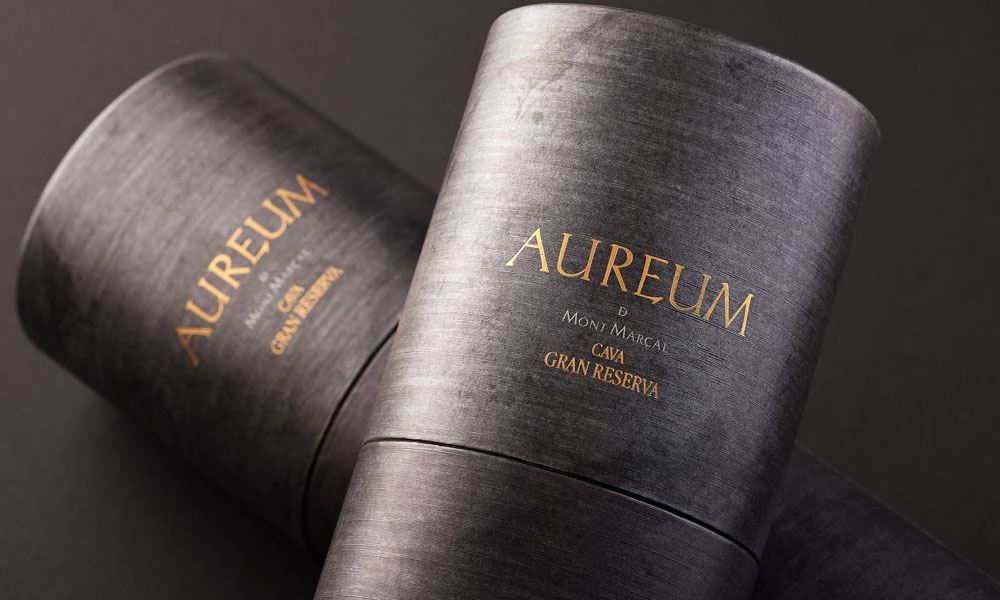
ブランドオーナー、プライベートブランド販売者、ディストリビューター、越境EC事業者としてスパイスを販売する場合、通常3つのことを気にする:
そこで重要になるのが、OEM/ODMサポートとバルク卸売りです。単なる容器の購入ではありません。買うのです:
商品群(スパイス、ラブ、調味料、ギフトセットなど)が異なる場合は、次のような隣接するプレミアムカテゴリーから構成アイデアを借りることもできます。 カスタム段ボールチューブ包装. .製品は同じではないが、パッケージの目標は、高い印刷品質、強固な構造、一貫した高級感である。.
見積もりやサンプリングの際には、これを概要書として使用する:
複合紙缶がスパイスに適しているのは、品質を守りつつ、小売店での陳列やeコマースでのタフさをサポートできるからです。適切なライナーとクロージャーの仕様を構築すれば、陳腐化した製品によるクレームが減り、破損した納品物が減り、よりクリーンで高級感のある外観が売れるようになります。.