まだ適切なパッケージング・ソリューションが見つからない?私たちの上司に相談してください。.
弊社のウェブサイトをご覧になったり、営業担当とお話になったりしても、まだ明確な道筋が見えない場合は、こちらからリクエストをお送りください。あなたのメッセージは、実現可能性、コスト、リードタイムをエグゼクティブレビューするために、私たちのゼネラルマネージャーに直接送られます。明確な次のステップ、つまり何ができるか、何が必要か、お見積もりへの最短ルートをお知らせします。.

ボスと話す

弊社のウェブサイトをご覧になったり、営業担当とお話になったりしても、まだ明確な道筋が見えない場合は、こちらからリクエストをお送りください。あなたのメッセージは、実現可能性、コスト、リードタイムをエグゼクティブレビューするために、私たちのゼネラルマネージャーに直接送られます。明確な次のステップ、つまり何ができるか、何が必要か、お見積もりへの最短ルートをお知らせします。.
パッケージング・マネージャー、調達、パッケージング・エンジニア向け。サイズ、数量、仕上げを指定すると、米国/欧州プログラム向けの要求価格、リードタイム、仕様ガイダンスが表示されます。.
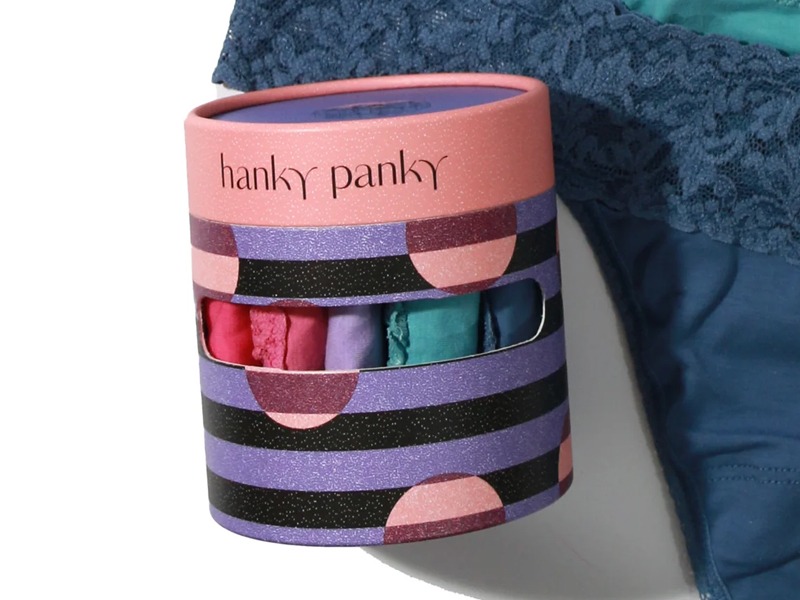
シャツや下着を販売している人なら、同じような問題が何度も出てくるのを見たことがあるだろう。強く折りたたんで折り目がついたり、カメラで見ると「格安」に見える梱包、輸送中に箱がつぶれたり、梱包工程が多すぎてフルフィルメント・ラインが遅くなったり。.
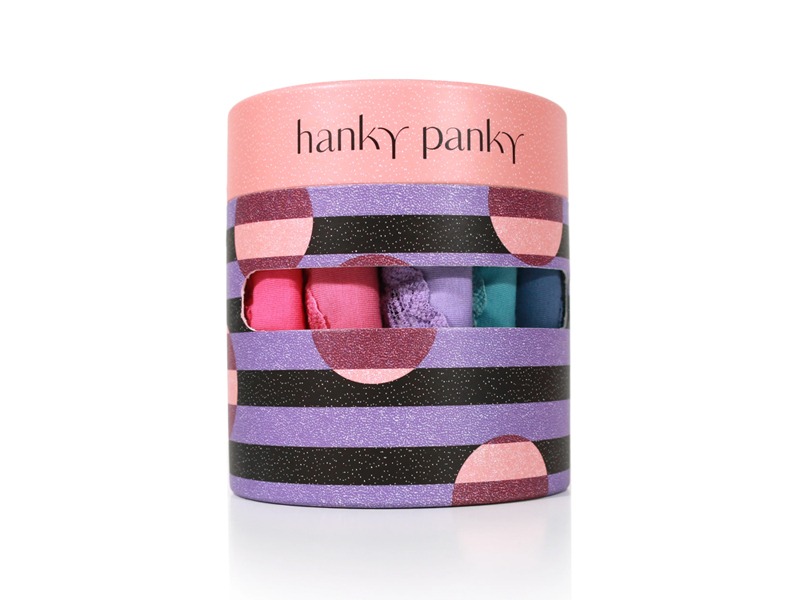
だからこそ、より多くのアパレル・ブランドが紙管包装に切り替えているのです。紙管包装は、棚に並べやすく、出荷しやすく、卸売や大量注文、OEM/ODMにも簡単に対応できます。.
でスタイルを調べることができます。 トップカスタム紙管ボックスメーカー ホームページに飛び込む。 製品カタログ をご覧ください。.
| 購入目標 | 紙管包装が支えるもの | 実社会で重要な理由 |
|---|---|---|
| クリーンなプレゼンテーション | ロール状の衣服は、硬い折り目よりも形状を保持する。 | 開梱時のシワ」を減らし、よりきれいな商品写真に |
| より迅速な履行 | シンプルな開閉ワークフロー | よりスムーズなピック&パックと梱包ミスの減少 |
| より良い棚へのインパクト | チューブが自立し、ギフトにも最適 | プラノグラムの配置が容易になり、ディスプレイの存在感が増す |
| 輸送保護 | 圧力に耐えるシリンダー構造 | 角のつぶれが少なく、「破損して到着しました」というメッセージも少ない。 |
| ブランドストーリー | 印刷面がチューブ全体を包み込む | 強力なブランド・リコールと容易な差別化 |
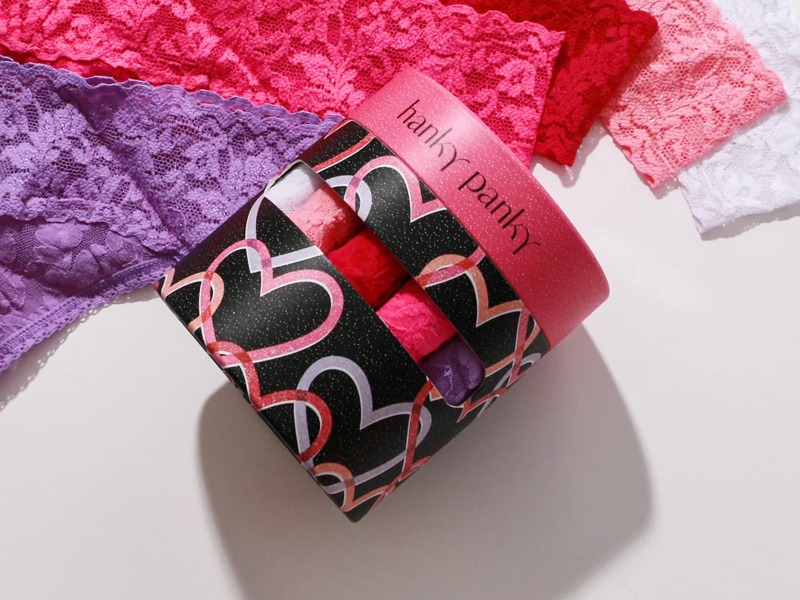
たたんだTシャツは、スタジオでは素敵に見えるのに、1週間ダンボール箱の中に置かれた途端、固い折り目がつくことがある。下着のセットは、レースやトリムが平らにプレスされると、さらにひどい状態になる。.
紙管は、次のような利点がある。 ロール 鋭利な折り目を無理につけるのではなく、衣服に沿わせる。派手なトリックは必要ない。ソフトな商品にマッチするパックスタイルが必要なだけだ。.
写真映えするクリーンでミニマルな外観がお好みなら、次のような仕上げがいいだろう。 マットな白い紙管箱の包装 は、その「シンプルだが意図的」な雰囲気にマッチする。.
多くのSKUを出荷すると、倉庫のスペースはすぐになくなってしまう。かさばる箱はデッドスペースを生み、カートン詰めが雑になり、ラインを遅らせる。.
紙管は通常、巻いたシャツや下着にフィットし、無駄な容積が少ない。そのため、保管箱をより清潔に保ち、マスターカートンをより安定させることができます。.
より頑丈なチューブビルドを見るには、次のようなフォーマットをチェックしよう。 環境にやさしい紙管ボックス これは、シリンダー・デザインがいかに剛性を保ち、小売に対応できるかを示している。.
アパレルのパッケージの多くはすぐに捨てられてしまいます。なぜなら、パッケージは販売後も機能し続けるからです。.
紙管は当然再利用可能である。丈夫で棚に置いても見栄えが良いので、顧客はそれを保管します。その “第二の人生 ”は、広告費をかけなくても、ブランディングを顧客のスペースで維持し続ける。.
これは、定期購入ブランドにとっても賢い方法だ。パッケージが保存する価値があると感じられれば、箱開けは単なる配送ステップではなく、日課の一部になる。.
紙管は紙を原料としており、紙のリサイクルシステムは多くの市場で広く利用されている。.
また、明確なデータ表でそのメッセージをサポートすることもできます。以下は、紙と板紙のリサイクルに関して広く引用されている米国の資材管理報告書に基づいたシンプルなバージョンです。.
| カテゴリー | 例 | 報告されたリサイクル率(四捨五入) | 記事で使用するソースラベル |
|---|---|---|---|
| 紙・板紙 | 混合紙製品 | ~68% | 米国の素材管理報告(2018年表) |
| 段ボール箱 | 輸送用カートン | ~96% | 米国の素材管理報告(2018年表) |
もうひとつ、持続可能性の主張は、選ぶ素材によって異なります。コーティングとライナーは重要です。.
アパレルはビジュアルです。商品写真がプレミアムに見えれば、コンバージョンは上がる。パッケージはリスティング画像、開封動画、カスタマーレビューに表示されるため、多くのブランドが予想する以上に大きな役割を果たす。.
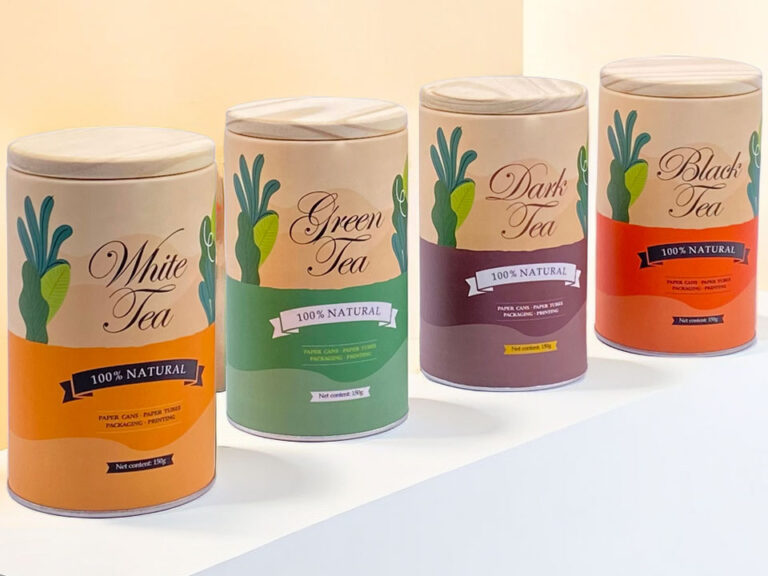
紙管は、ブランディングのための完全なラップ面を提供します:
商品を開封する前に、顧客にもっと商品を見せたい場合、次のような構造が考えられる。 透明窓とハンドル付きカスタマイズ紙管包装 は、“視認性+高級感 ”という点で良い参考になる。”
ソフトな商品は “安全 ”と感じるが、梱包のダメージはやはり売り上げに響く。潰れた箱は見た目が悪いだけではない。返品やサポートチケット、悪いレビューの引き金になる。.
円筒形は、平らなパネルとは異なる圧力の扱い方をするため、役立っている。平たく言えば、角の大きな薄肉のカートンよりも筒の方が潰れにくいのだ。.
リジッドクロージャーとプロテクションビルドの例なら、次のようなスタイルがある。 茶包装用クラフト紙管箱. .製品カテゴリーは異なるが、チューブを手にしたときのしっかりとした感触を示す構造になっている。.
そこでブランドは、うっかり過剰な約束をしてしまうことがある。.
重いラミネートやプラスチックフィルム、特殊なライナーを追加すると、地域の施設によってはリサイクルがより複雑になる可能性がある。これらのアップグレードは、まだ正しい選択である可能性があります。ただ、お客様の実際のニーズに合わせて、素材作りを行いたいものです。.
そうすることで、誠実なメッセージングが保たれ、顧客からの反発を避けることができる。.
ピック&パックを大量に行うチームでは、迅速で再現性の高いパッケージングが求められます。チューブはワークフローをシンプルにします。また、間違ったインサートを梱包したり、折りたたみ時に衣類を傷つけたりする可能性も低くなります。.
さまざまな印刷と構造のオプションを示すために、次のような例を参照することができます。 両面印刷紙管包装.
チューブは直立し、顧客が手に取った後も整然とした状態を保つ。棚のメンテナンスには時間がかかります。安定した陳列形式は、より少ないスタッフの労力でプラノグラムを「新鮮」に保つのに役立ちます。.
定期購入ブランドは一貫性で勝つ。チューブは、配達を、一般的なメーラーのような瞬間ではなく、計画された経験のように感じさせる。また、異なるSKU間で一貫した外観を保つのも簡単だ。.
卸売り、プライベートブランド、OEM/ODMで購入する場合、安定した印刷、一貫したサイズ、予測可能なリードタイムなど、再現性を重視します。また、新色や新SKUを追加する際にも、問題なく拡張できるパッケージが必要です。.
リサイクル可能」というポジショニングの例としては、次のような製品フォーマットを挙げることができる。 リサイクル可能なカスタム段ボール包装チューブ. .より広範なカテゴリのインスピレーションと構造の多様性を得るには、次のページに戻ってください。 製品カタログ.
| 論題 | 解決策 | 証拠として何を強調するか |
|---|---|---|
| シャツの包装や下着の包装のしわを減らす | 硬い折り目によるシワ | ロール仕上げで、生地をよりきれいに見せる |
| アパレル・フルフィルメント用省スペース・パッケージ | 無駄な保管スペースとカートンスペース | より良いスタッキングとスムーズなパックアウト |
| 繰り返し使用可能な紙管包装 | パッケージはすぐに捨てられる | 顧客は保管や旅行用にチューブを再利用する |
| リサイクル可能な包装と紙管包装 | エコの主張が弱い、または曖昧 | シンプルなデータ表と明確な表現を使う |
| ブランディングと棚での存在感を高める印刷紙管パッケージング | 棚のインパクトが弱く、写真も弱い | 360°の印刷範囲と高級仕上げ |
| 輸送を保護する耐久性のあるパッケージ | 輸送中の破損および返品 | 潰れにくいシリンダー構造 |
| 紙管包装のコーティング、ライニング、リサイクル | リサイクル性の過大な約束 | 素材の選択はリサイクルの結果に影響する |
シャツや下着の包装を紙管に変えるなら、まず3つのことに集中しよう: チューブサイズ, プリント仕上げ, そして 履行フロー. .それを押さえれば、あとは本番さながらの会話になる。.
スタート トップカスタム紙管ボックスメーカー を使用してください。 製品カタログ あなたのブランドとチャンネルに合った構造をいくつかリストアップしてください。.