팝업 양식

아직 적합한 포장 솔루션을 찾지 못하셨나요? 상사와 상담하세요.

웹사이트를 검토했거나 영업팀과 상담했지만 여전히 명확한 경로가 보이지 않는다면 여기에서 요청을 보내주세요. 요청이 접수되면 총괄 관리자에게 직접 전달되어 실현 가능성, 비용, 소요 시간 등을 검토합니다. 다음 단계, 즉 저희가 할 수 있는 일과 필요한 사항, 가장 빠른 견적 경로에 대한 명확한 답변을 받으실 수 있습니다.

  • 사양, 사용 사례 및 제약 조건에 대한 GM의 직접 검토
  • 크기 + 구조 확인: 직경, 높이, 벽 강도, 인서트
  • 브랜드 + 예산에 맞는 권장 사항 인쇄/완료
  • 비용 절감 대안 및 리드타임 개선 옵션
  • 견적 경로 명확성: MOQ, 샘플링 계획 및 다음 단계
리즈 펭
상사와 대화하기
팝업 양식

맞춤형 종이 튜브 포장에 대한 빠른 견적 받기

포장 관리자, 조달 및 포장 엔지니어를 위해 제작되었습니다. 크기, 수량, 마감을 지정하여 미국/유럽 프로그램에 대한 주문량, 리드 타임, 사양 안내를 받을 수 있습니다.

  • 견적 가능한 사용자 지정: 직경, 높이, 벽 두께, 인서트, 라이너 및 마감재
  • 프리미엄 마감: CMYK/팬톤, 포일, 엠보싱, UV
  • 소싱의 명확성: 명확한 사양 + QC + DFM 안내
  • 지속 가능: 요청 시 FSC® 용지 제공
  • 어린이 보호: ISO 8317/PPA에 따라 설계됨
리즈 펭
패키징 엔지니어와 상담하기

6 Step to How to Select the Perfect Product Packaging

Picking packaging feels simple until you’re the one dealing with dented boxes, messy shelves, and returns that eat your margin. The fix isn’t “prettier packaging.” It’s a clean 6-step process that matches product size + shipping abuse + brand vibe + production reality.

If you’re sourcing 맞춤형 종이 튜브 상자 in bulk (OEM/ODM, wholesale, private label, kitting), this guide will help you lock the spec fast and avoid the usual back-and-forth.

You’ll also see a few real-world scenarios and a practical table so you can brief your designer, your ops team, and your supplier with the same notes.

Quick navigation (internal):

Product Packaging

The 6-step packaging selection table

Use this table as your “spec checklist.” It turns vague requests into decisions your supplier can actually produce.

StepDecision keywordBuyer pain it preventsBest-fit outcome출처
1Product dimensionsLoose fit, shake damage, ugly void fillA snug packout with controlled tolerancePackaging selection framework
2Box structureCrush in transit, weak stacking, slow packing lineStructure that matches shelf + ship + unboxingPackaging selection framework
3Material and thicknessScuffs, dents, cheap hand-feelRight paper tube wall + wrap + finishPackaging selection framework
4Size specificationFreight “air shipping,” carton waste, SKU chaosRationalized sizes for fewer headachesPackaging selection framework
5Target audiencePackaging looks “off-brand,” low repeat buysDesign choices that fit your buyersPackaging selection framework
6Packaging testSurprise failures after mass productionSampling + transit test + QC planPackaging selection framework

Step 1: Measure Product Dimensions

Start here. A perfect design still fails if the product rattles inside.

Length, diameter, and height

Get the real numbers, not the “website size.” Measure:

  • the widest point
  • the tallest point
  • any caps, pumps, droppers, or protrusions

If your product goes into an insert, measure the insert footprint too. Inserts change everything.

Buffer space for inserts and protection

You need breathing room for:

  • inserts (EVA, paperboard, molded pulp, foam—depending on your market rules)
  • inner bags
  • tamper seals
  • instruction cards
  • accessories (scoop, brush, cables, refills)

A simple rule: design for packout, not for a bare product on a desk.

Scenario: A skincare brand ships a glass dropper bottle. The bottle survives… until the dropper head taps the lid during courier handling. A small buffer plus a simple insert stops that “micro-impact” damage that causes leakage complaints.

Step 2: Choose the Right Box Style and Structure

This is where you match “how you sell” to “how the packaging behaves.”

Paper tube packaging gives you strong vertical compression and a premium unboxing feel, but you still have structure choices:

  • lid style (friction fit, metal lid, plug, telescopic)
  • inner tray or insert
  • window cutout
  • pull tab, ribbon, or handle

E-commerce shipping vs retail shelf display

Ask one blunt question: Does it need to survive parcel shipping or just look good on a shelf?

  • For DTC/e-commerce: prioritize closure security, scuff resistance, and fast packing.
  • For retail: prioritize shelf blocking, color consistency, and barcode/label real estate.

If you want ideas, scan the All products catalog to see structure variations you can borrow.

Child-resistant and compliance-driven structure

If you sell regulated products, structure is not optional. It’s part of risk control.

Example: for regulated items, you may need a child-resistant mechanism. This type of structure shows up in products like 재활용 가능한 대마초 어린이 보호용 종이 튜브 포장재. It’s a good reference point when you’re building a compliance-first spec.

Product Packaging

Step 3: Select Material and Thickness

Buyers feel material before they read your logo. Material also decides whether your packaging stays clean after warehouses, pallets, and courier conveyors.

Paper tube board, wrap paper, and surface finish

You’re usually deciding across three layers:

  • the tube body (strength + stiffness)
  • the wrap paper (print quality + texture)
  • the finish (scratch resistance + glare control)

Pick the finish based on how your product lives:

  • matte look: calmer, premium, fingerprint-friendly
  • gloss look: punchy color, loud on shelf
  • spot treatment: highlights a logo or pattern without coating everything

Food-grade and barrier-friendly use cases

Food and supplements live in a different world. You care about cleanliness, odor control, and lining choices.

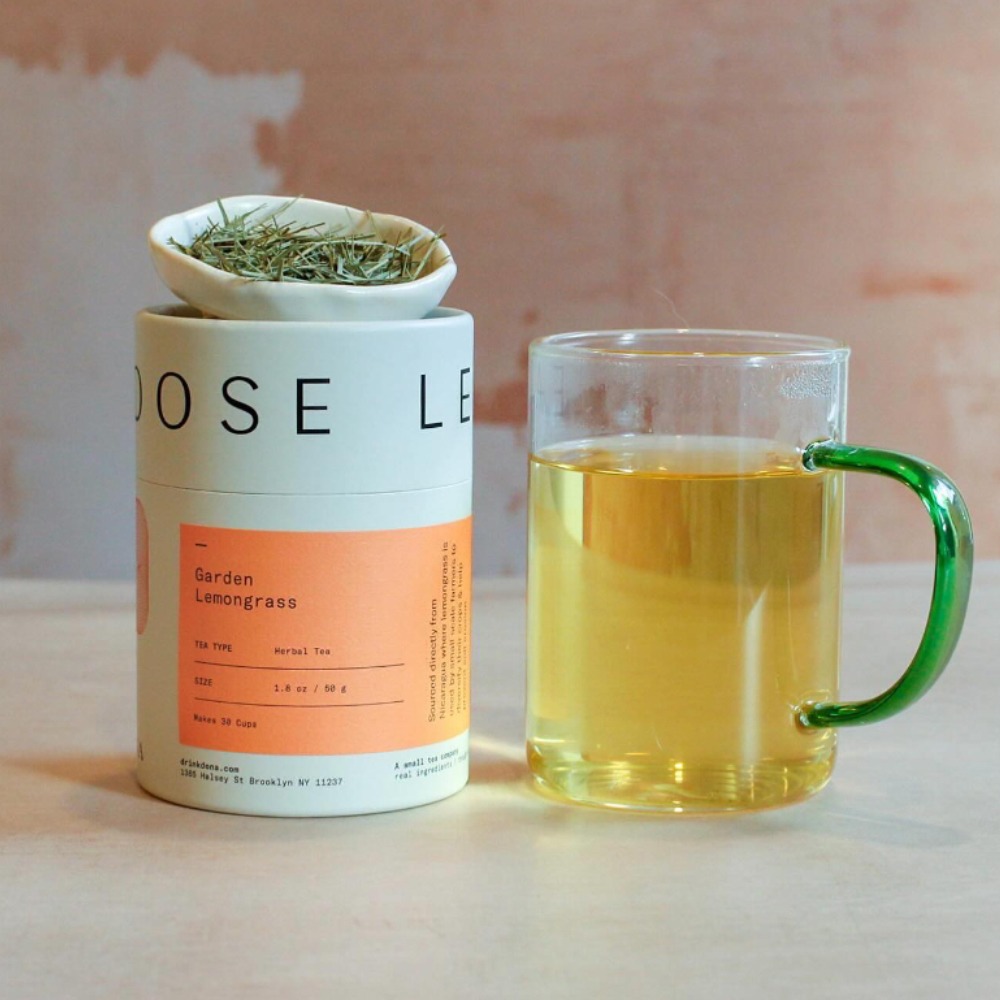
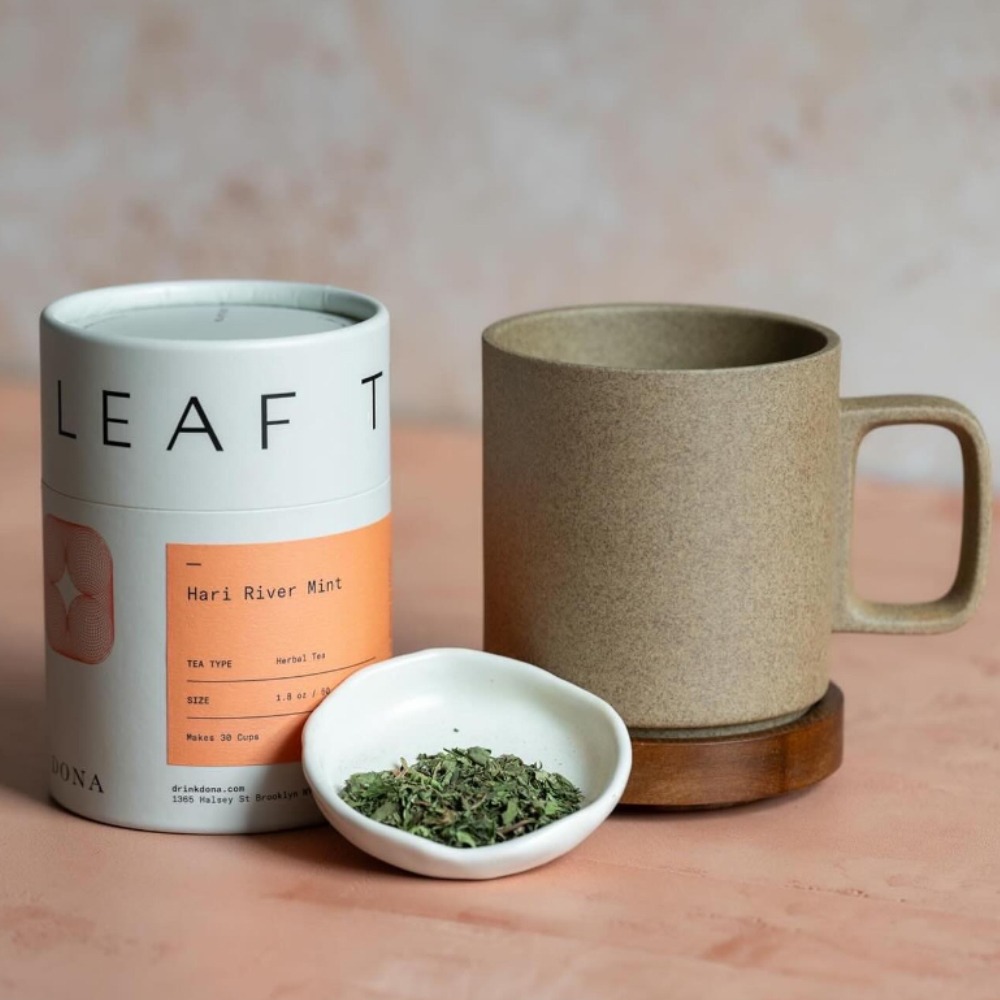
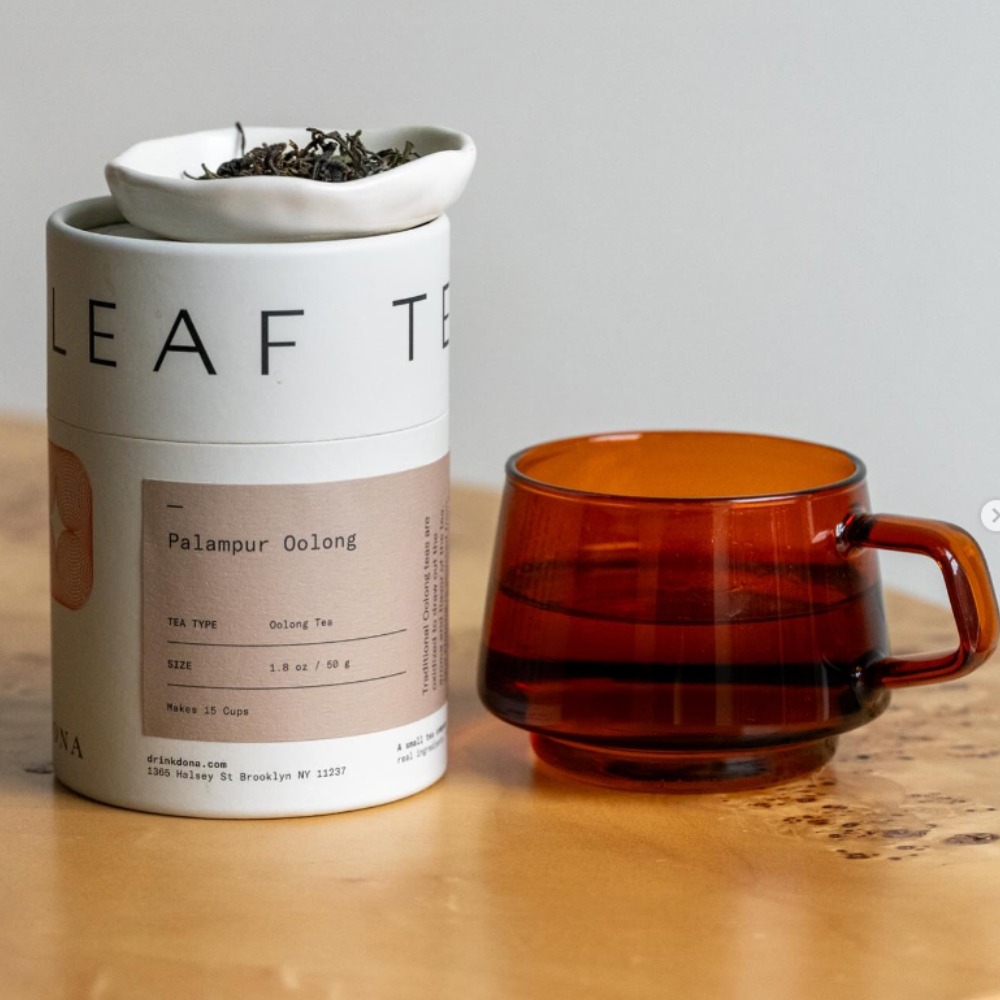
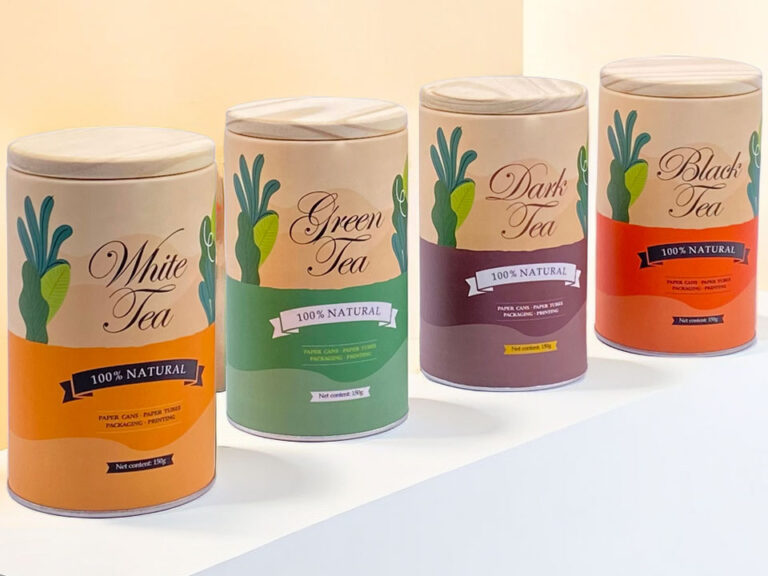
A reference product format is food grade metal tinplate cover kraft paper tube boxes for tea packaging. The closure style and material pairing show what “giftable + functional” can look like.

Scenario: A tea brand sells in humid climates. A better closure and liner reduces aroma loss and keeps the product “fresh feel” longer. Customers might not say “nice barrier,” but they’ll notice the experience.

Step 4: Confirm Size Specification

This step sounds boring. It quietly saves your ops team.

SKU standardization for product lines

If you’re running multiple SKUs, don’t create a unique tube for every single item unless you must. Too many sizes create:

  • messy carton optimization
  • slow kitting
  • higher risk of packing the wrong SKU
  • more QC points to manage

A smarter move is “size families.” For example:

  • one tube size for a range of cosmetics
  • one tube size for multiple supplement flavors
  • one tube size for seasonal gift sets

This approach plays well with bulk wholesale and OEM/ODM workflows.

Subscription boxes and bundled sets

Bundles break packaging if you don’t simulate packout early.

If you ship bundles (like “3-pack,” “starter kit,” or “refill + tool”), build a packing mock-up and confirm:

  • product-to-product contact points
  • closure pressure
  • insert retention

You can see bundle-friendly styles in product formats like eco-friendly paper tube box for protein powder packaging, where the cylinder profile and closure can support a “premium tub” experience.

Step 5: Match the Packaging to the Target Audience

This is where you stop designing for yourself and start designing for the buyer’s expectations.

Branding, unboxing, and perceived value

Your packaging works like silent sales staff. It signals:

  • price tier
  • ingredient quality
  • gifting suitability
  • whether the brand feels modern or outdated

DTC buyers love photo-ready unboxing. That’s where details like windows, textures, and clean typography matter. A product like 투명 창과 실크 손잡이가 있는 헤어 밴드용 맞춤형 종이 튜브 포장 shows how a window and handle can push it into “gift mode.”

Retail buyers care about shelf scan and brand blocks. Make sure your front panel, side panel, and top view all communicate the brand fast.

Segment-specific packaging cues

Different markets read packaging differently:

Product Packaging

Step 6: Sample, Test, and Lock the Packaging Specification

This is where pros avoid “mass production surprises.”

Sampling and dieline approval

Don’t approve from a flat artwork file alone. Ask for:

  • a physical sample (or a tight prototype)
  • dieline confirmation (dimensions + bleed + safe zones)
  • closure fit check
  • insert fit check

If you’re working with design agencies, give them the dieline early. It prevents last-minute typography compromises.

Transit testing and quality control checkpoints

If your product ships, your packaging must handle real-world abuse:

  • drops
  • vibration
  • compression from stacking
  • temperature swings in trucks and containers

Run a simple transit test plan. Then lock QC checkpoints:

  • print color consistency
  • lid fit
  • glue integrity (if applicable)
  • scratch resistance
  • odor control for sensitive products

This is also where supplier capacity matters. If you’re scaling, you want a manufacturer that can keep output stable. Your factory profile highlights a modern food packaging purification workshop, a 12,300 m² warehouse, and high daily capacity, which supports bulk orders without turning production into a bottleneck.

Quick spec sheet for custom paper tube packaging

This table helps you write a clean RFQ and get faster quotes.

KeywordWhat you decideTypical optionsBest for
Tube structureHow it opens/closesfriction lid, telescopic, metal lid, pluggifting, e-commerce, regulated products
삽입How it holds the itempaperboard insert, EVA insert, molded pulpglass, cartridges, delicate items
WindowVisibilityno window, clear windowretail shelf, “show the product”
완료Surface performancematte, gloss, spot treatmentpremium feel, scuff resistance
PrintColor systemCMYK, Pantone matchingbrand consistency across batches
PackoutHow it shipsindividual, master carton, kittingwholesalers, subscription, bundles

A practical close: what to send your supplier today

If you want a smooth OEM/ODM workflow, send these in one message:

  1. product dimensions (and what can’t be compressed)
  2. sales channel (retail, Amazon-style fulfillment, DTC shipping, wholesale)
  3. target audience and brand mood (premium, playful, minimal, bold)
  4. structure references (link 1–2 samples you like from the catalog)
  5. insert needs and any compliance constraints
  6. sample request + test plan expectations

When you’re ready to map your idea to a real, manufacturable tube, start at the homepage: 최고의 맞춤형 종이 튜브 상자 제조업체.

댓글
당신의 사랑을 공유하세요