팝업 양식

아직 적합한 포장 솔루션을 찾지 못하셨나요? 상사와 상담하세요.

웹사이트를 검토했거나 영업팀과 상담했지만 여전히 명확한 경로가 보이지 않는다면 여기에서 요청을 보내주세요. 요청이 접수되면 총괄 관리자에게 직접 전달되어 실현 가능성, 비용, 소요 시간 등을 검토합니다. 다음 단계, 즉 저희가 할 수 있는 일과 필요한 사항, 가장 빠른 견적 경로에 대한 명확한 답변을 받으실 수 있습니다.

  • 사양, 사용 사례 및 제약 조건에 대한 GM의 직접 검토
  • 크기 + 구조 확인: 직경, 높이, 벽 강도, 인서트
  • 브랜드 + 예산에 맞는 권장 사항 인쇄/완료
  • 비용 절감 대안 및 리드타임 개선 옵션
  • 견적 경로 명확성: MOQ, 샘플링 계획 및 다음 단계
리즈 펭
상사와 대화하기
팝업 양식

맞춤형 종이 튜브 포장에 대한 빠른 견적 받기

포장 관리자, 조달 및 포장 엔지니어를 위해 제작되었습니다. 크기, 수량, 마감을 지정하여 미국/유럽 프로그램에 대한 주문량, 리드 타임, 사양 안내를 받을 수 있습니다.

  • 견적 가능한 사용자 지정: 직경, 높이, 벽 두께, 인서트, 라이너 및 마감재
  • 프리미엄 마감: CMYK/팬톤, 포일, 엠보싱, UV
  • 소싱의 명확성: 명확한 사양 + QC + DFM 안내
  • 지속 가능: 요청 시 FSC® 용지 제공
  • 어린이 보호: ISO 8317/PPA에 따라 설계됨
리즈 펭
패키징 엔지니어와 상담하기

종이 튜브 포장의 친환경성을 평가하는 방법

Eco-friendly packaging sounds simple until you have to prove it. Buyers don’t just ask “Is it paper?” They ask if it recycles in real life, if the materials list hides plastic, and whether the “green” claim survives a compliance review.

If you sell on marketplaces, run a retail brand, distribute to stores, or source OEM/ODM in bulk, you need a fast way to screen paper tube packaging before you lock in artwork, MOQ, and production slots. This guide walks you through the same core checks packaging teams use—then turns them into practical questions you can ask a factory and verify with documents.

For product examples, you can browse the paper tube packaging catalog and compare common structures like 화장품 튜브 포장 또는 어린이 보호용 종이 튜브 포장 .

종이 튜브 포장의 친환경성

Recyclability

Most brands win or lose the “eco” story at the recycling stage. A paper tube can still end up as trash if it’s built like a sandwich: paper + film + heavy coating + messy glue.

What procurement teams usually want is recycling compatibility, not just “paper on the outside.”

Design for Recycling checklist

Use this quick screen before sampling:

  • Go as mono-material as possible. Paper-only tubes usually play nicer with paper recycling streams.
  • Keep add-ons removable. If you must use a window, handle, or ribbon, make sure people can peel it off fast.
  • Watch the label footprint. A full-wrap label can behave like another layer. Smaller labels reduce sorting and pulping friction.
  • Choose adhesives that don’t turn into “stickies.” Poor glue choices show up later as yield loss in recycling.

Common recyclability pitfalls in paper tube packaging

Here are issues that trigger buyer pushback during vendor qualification:

  • Clear windows that can’t separate cleanly
  • Metal components that aren’t designed for easy separation (metal can recycle, but “mixed and glued” slows things down)
  • Overbuilt laminations that look premium but block fiber recovery
  • Heavy dark coverage that complicates recovery in some systems

If you’re shipping high-volume retail, recyclability also protects your damage rate and returns. Tubes resist crush better than many folding cartons, so you can reduce “arrived dented” complaints without jumping into plastic clamshell territory.

Biodegradability

Biodegradability sounds great in marketing copy, but buyers often misunderstand it. A paper tube can biodegrade, yet a single barrier layer or plastic liner can change the whole outcome.

Think in layers, not in slogans.

Material layers and barrier coatings

Ask for a simple materials breakdown (a BOM-style list). You want to know:

  • What’s the main paperboard? (kraft, white, recycled blend, etc.)
  • Is there a liner? (often used for oils, powders, or aroma control)
  • Any barrier coating? (moisture/grease resistance)
  • What ink system is used?
  • What glue is used for the seam and label?

In real sourcing conversations, biodegradability becomes a trade-off with barrier performance. For tea, supplements, and cosmetics, the tube must protect the product first. Otherwise you’ll see shelf-life issues, leakage, odor loss, or “clumpy powder” complaints. A smart spec balances both: it uses only the barrier you need, no extra layers that create recycling headaches.

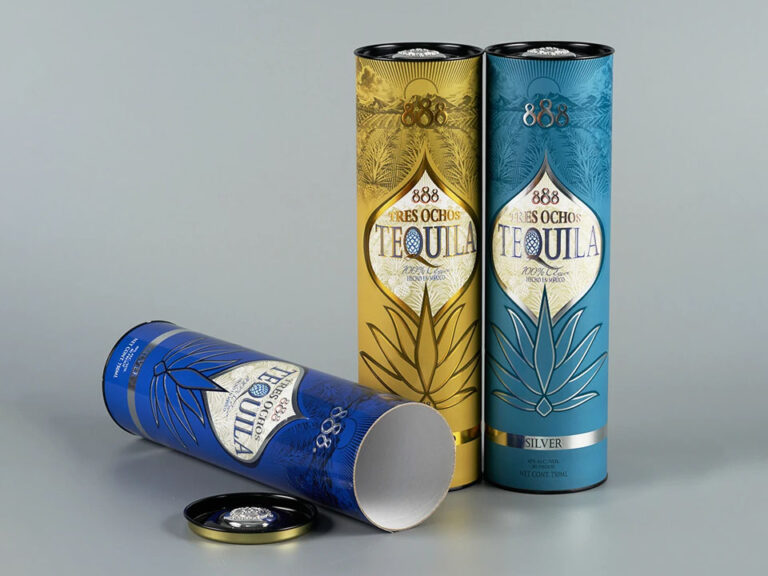
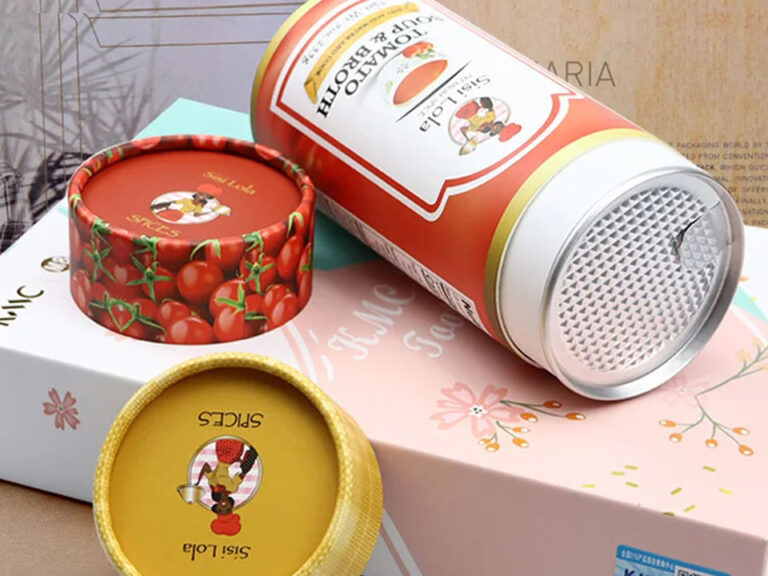
If you’re packaging food-adjacent products, look at structures like a kraft tube with a more robust closure (for example, a tube with a metal lid for tea). You can see a common format on this tea packaging paper tube .

Compostability

Here’s the part many brands miss: biodegradable doesn’t automatically mean compostable.

Compostability usually needs a specific environment, time window, and test method. If you plan to print “compostable” on-pack, buyers and regulators often expect proof, not a guess.

Industrial composting vs home composting

Keep your claim clean and specific:

  • Industrial composting: controlled heat, moisture, and processing
  • Home composting: less consistent, often slower, and harder to guarantee

If a tube uses a compostable liner or coating, ask for:

  • the applicable standard name (commonly cited: ASTM D6400 or EN 13432, depending on market)
  • a current test report or certificate tied to that exact material system
  • a clear statement about industrial vs home composting

Practical tip: many brands don’t need “compostable.” They need recyclable + low-plastic content + documented sourcing. That combo usually sells better to retailers because it matches existing disposal habits.

Inks & printing

Printing choices can quietly undermine your eco goals. Some inks and finishes create compliance questions or recycling issues, especially when you flood-coat the tube for a premium look.

Low-VOC inks and coverage

A packaging team typically looks for:

  • Lower-VOC ink options when the design allows (many buyers ask about soy-based or water-based systems)
  • Reasonable ink coverage instead of heavy full-saturation designs
  • Avoiding unnecessary special finishes that introduce extra layers (some tactile finishes feel nice but add complexity)

This isn’t just “green talk.” It’s also an ops issue. Cleaner ink/finish decisions often mean smoother production, fewer print defects, and less rework during QC. That helps keep lead time stable when you scale.

종이 튜브 포장의 친환경성

Life cycle assessment (LCA)

If you’re comparing two formats—tube vs folding carton vs tin—LCA gives you a structured way to talk about impact without cherry-picking.

You don’t need a massive report to use LCA thinking. You just need consistent rules.

LCA scope and functional unit

When you evaluate options, align on:

  • Functional unit: compare packaging that does the same job (same product size, same protection level)
  • System boundary: include raw materials, converting, printing, packing, transport, and end-of-life
  • End-of-life scenario: where do your customers actually dispose of it?

This approach reduces internal arguing. It also helps you defend decisions to retail buyers who ask for “evidence-based packaging choices,” especially in regulated or high-scrutiny categories.

Sourcing & traceability

Sourcing is where you turn eco intent into proof. Buyers trust documentation more than adjectives.

If you sell to retailers, distributors, or large brands, expect requests for:

  • material declarations
  • traceability documents (for fiber sourcing)
  • compliance packets (especially for food contact or child-resistant categories)

Supplier documentation pack

A solid “audit-ready” pack usually includes:

  • Fiber sourcing evidence (for example, FSC claims if used)
  • Material composition statement (paper, coatings, liners, glue, inks)
  • Ink and adhesive safety documents (COA/MSDS style paperwork)
  • Process controls: QC checkpoints, incoming inspection, in-line checks, and final AQL plan

Traceability also protects your commercial side. When you can show consistent sourcing and stable specs, you reduce the risk of sudden material substitutions that lead to color drift, fit issues, or closure failures. That matters for bulk orders and repeat runs.

Eco-Friendliness Assessment Matrix

Use this table when you review a new tube structure with your supplier. It keeps the conversation technical and prevents vague promises.

Assessment itemWhat to checkWhat to request as proofRisk if you skip itWhat “good” looks like
RecyclabilityCan parts separate fast? Any film layers?Component list + assembly notes + sample teardown photosGreenwashing claims, retailer rejectionSimple construction, removable add-ons
BiodegradabilityHidden liners, barrier coatings, heavy finishesFull materials breakdown (paper/coating/liner/ink/glue)You market “paper” but ship compositesMinimal barrier, only where needed
CompostabilityIs “compostable” actually test-backed?Certificate/test report + claim scope (industrial vs home)Compliance and labeling riskClaim matches documented standard
Inks & printingInk system, finish layers, coverageInk/finish spec sheet + compliance docs if neededOdor transfer, recycling issues, QC headachesLow-VOC options where feasible, controlled coverage
Life cycle assessment (LCA)Compare like-for-like performanceLCA summary or at least consistent comparison scopeBiased decisions, weak buyer narrativeSame functional unit + clear boundaries
Sourcing & traceabilityFiber source and chain controlTraceability documents + supplier declarationsBrand trust risk, supply instabilityDocumented sourcing + stable spec control

Real-world packaging scenarios

Eco choices aren’t one-size-fits-all. A tube that’s perfect for jewelry may fail for tea. Here’s a practical mapping you can use in development.

Product scenarioWhat the tube must doEco-leaning structure choicesNotes for bulk OEM/ODM orders
화장품Protect from scuffs, look premium on shelfPaper-first tube with controlled finishSee a common format in 화장품 튜브 포장
TeaHold aroma, resist moistureKraft tube + robust closureExample: tea packaging paper tube
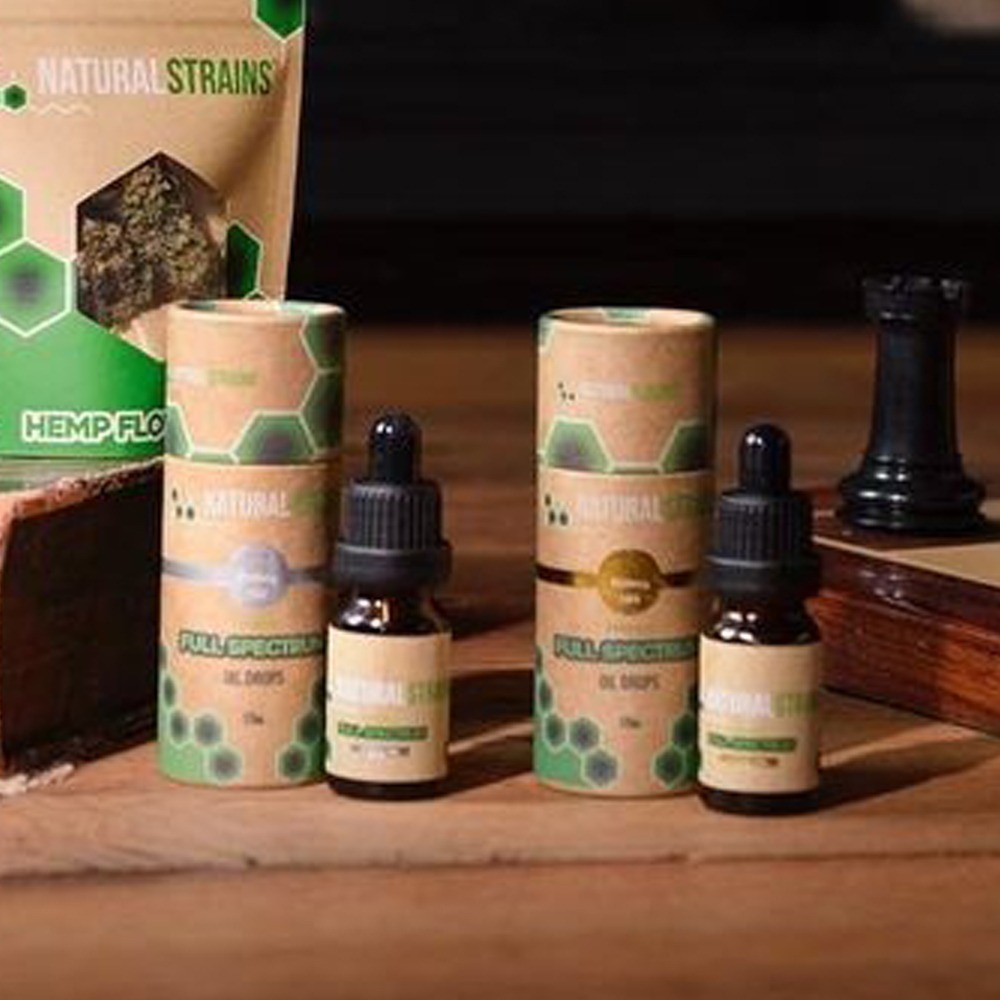
Protein powder / supplementsBarrier control, handling durabilityTube with the right liner (not overbuilt)Example: protein powder paper tube
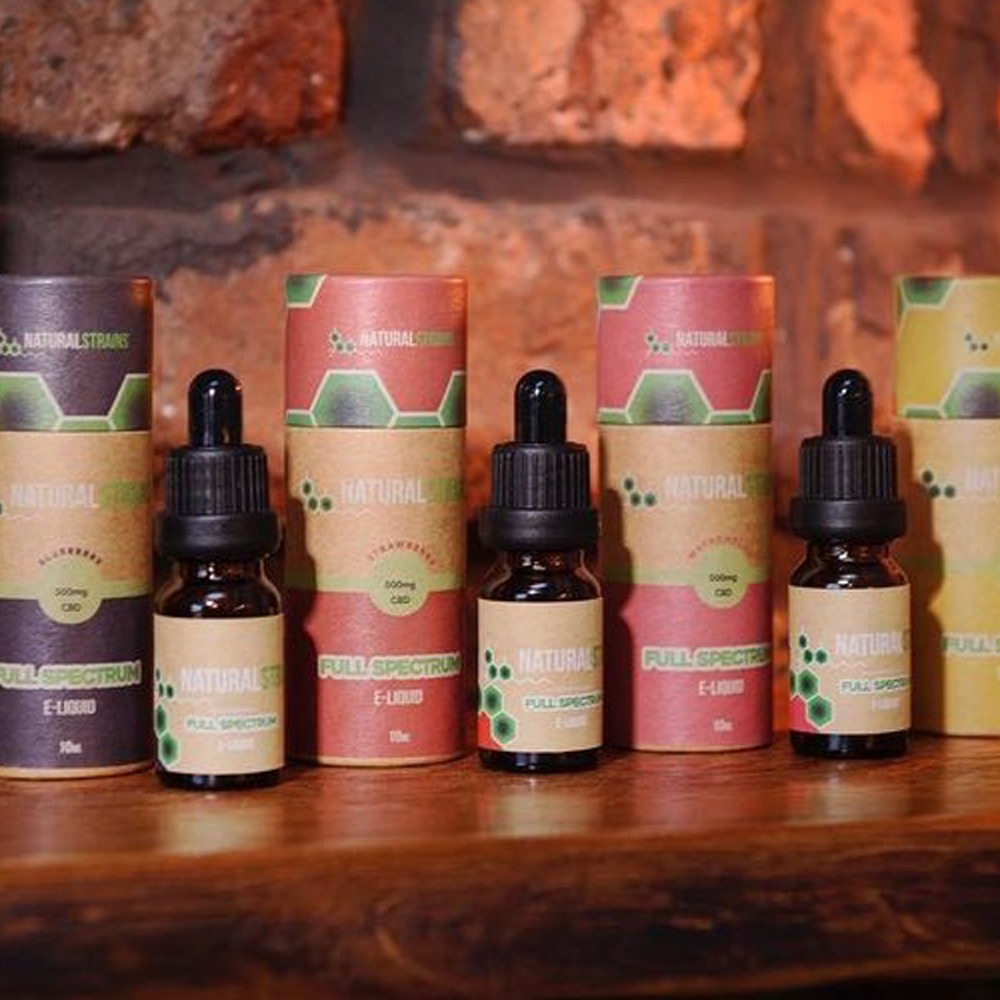
CBD cartridgeTamper cues, fit stabilityTube built for consistent tolerancesExample: CBD cartridge paper tube
Cannabis (child resistant)Child-resistant function + compliance expectationsChild-resistant tube with documented spec controlExample: 어린이 보호용 종이 튜브 포장
JewelryPresentation + crush resistance for shippingPaper tube + clean inserts, minimal mixed materialsExample: paper tube boxes for jewelry
종이 튜브 포장의 친환경성

Turning eco checks into commercial wins

Eco-friendly packaging sells better when it also solves business pain:

  • Lower returns: tubes ship well and protect corners better than many cartons.
  • Cleaner compliance story: documented materials and traceability speed up buyer approvals.
  • More repeat orders: stable specs reduce batch-to-batch surprises, which matters when you scale wholesale.
  • Better shelf presence: a tube’s shape stands out without needing extra plastic blisters.

If you’re sourcing at scale, a supplier’s production discipline matters as much as the design. A modern food packaging purification workshop, a large warehouse footprint, and high daily output usually translate into smoother batching, better in-line QC, and fewer “we ran out of stock” moments when a campaign hits.

To explore structures fast, start at the site homepage: 최고의 맞춤형 종이 튜브 상자 제조업체.

댓글
당신의 사랑을 공유하세요