팝업 양식

아직 적합한 포장 솔루션을 찾지 못하셨나요? 상사와 상담하세요.

웹사이트를 검토했거나 영업팀과 상담했지만 여전히 명확한 경로가 보이지 않는다면 여기에서 요청을 보내주세요. 요청이 접수되면 총괄 관리자에게 직접 전달되어 실현 가능성, 비용, 소요 시간 등을 검토합니다. 다음 단계, 즉 저희가 할 수 있는 일과 필요한 사항, 가장 빠른 견적 경로에 대한 명확한 답변을 받으실 수 있습니다.

  • 사양, 사용 사례 및 제약 조건에 대한 GM의 직접 검토
  • 크기 + 구조 확인: 직경, 높이, 벽 강도, 인서트
  • 브랜드 + 예산에 맞는 권장 사항 인쇄/완료
  • 비용 절감 대안 및 리드타임 개선 옵션
  • 견적 경로 명확성: MOQ, 샘플링 계획 및 다음 단계
리즈 펭
상사와 대화하기
팝업 양식

맞춤형 종이 튜브 포장에 대한 빠른 견적 받기

포장 관리자, 조달 및 포장 엔지니어를 위해 제작되었습니다. 크기, 수량, 마감을 지정하여 미국/유럽 프로그램에 대한 주문량, 리드 타임, 사양 안내를 받을 수 있습니다.

  • 견적 가능한 사용자 지정: 직경, 높이, 벽 두께, 인서트, 라이너 및 마감재
  • 프리미엄 마감: CMYK/팬톤, 포일, 엠보싱, UV
  • 소싱의 명확성: 명확한 사양 + QC + DFM 안내
  • 지속 가능: 요청 시 FSC® 용지 제공
  • 어린이 보호: ISO 8317/PPA에 따라 설계됨
리즈 펭
패키징 엔지니어와 상담하기

종이 튜브의 종류와 용도는 무엇인가요?

Paper tubes show up in more places than most people notice. You’ll see them as retail-ready paper tube boxes on a shelf, as shipping tubes that protect posters, and as industrial paper cores that keep roll materials running smoothly on a line. The tricky part isn’t “Do I need a paper tube?” It’s which build type and which spec will stop dents, reduce damage claims, and still look sharp in photos.

If you’re sourcing for bulk, OEM/ODM, or wholesale, it also helps to work with a manufacturer that can scale. At 맞춤형 종이 튜브 박스, we run a modern food packaging purification workshop and a 12,300m² warehouse, with average daily output above 300,000 pieces—so you can go from sample to mass production without chaos.

종이 튜브의 종류와 용도

Paper tube types: spiral wound vs convolute (parallel wound)

The two main build types: spiral wound and convolute/parallel wound

Most paper tubes fall into two structures:

  • Spiral wound paper tubes: layers wrap around the tube at an angle, creating a visible spiral seam.
  • Convolute (parallel wound) paper tubes: layers wrap more “straight,” often producing a cleaner, more uniform wall and a seam that runs lengthwise.

These aren’t just factory choices. They change how the tube behaves under pressure, how clean the edge cuts, and how well the tube holds its shape in transit.

Spiral wound paper tubes for everyday packaging and shipping

Spiral wound tubes are the “workhorse” option. They do well when you need a consistent tube for general packaging and shipping.

Real-world scenarios:

  • Poster, artwork, and document shipping where crush resistance matters more than perfect inner-wall smoothness
  • Retail paper tube boxes for medium-weight products that need shelf presence and sturdy walls
  • Gift-style tube packaging where printing and finishes do the heavy lifting

If you sell multiple SKUs, spiral wound also makes it easier to standardize sizes and keep packaging consistent across your product line.

Convolute (parallel wound) paper tubes for heavy-duty performance

When brands talk about “premium feel” or “industrial strength,” they usually want what convolute/parallel winding does well: tighter structure and stronger resistance to load.

Real-world scenarios:

  • Heavier fills (dense powders, hardware kits, or multi-piece sets) where the pack must stay round and tight
  • High-stress logistics (long-distance shipping, high stacking, rough handling) where a weak tube turns into returns
  • Precision-fit packaging where you can’t tolerate wobble, rattling, or oval-shaped tubes

If you’ve ever seen a tube arrive slightly “egg-shaped,” you already know why structure matters.

Paper tubes vs paper cores: don’t mix them up

Paper tube vs paper core: wall thickness and load goals

People say “paper tube” for everything. In manufacturing, paper cores usually mean thicker, load-bearing tubes used to wind materials—think films, labels, textiles, and more. Paper tubes often lean toward packaging, where the tube needs to protect and present the product.

Here’s the simple way to think about it:

  • 선택 종이 튜브 포장 when you care about branding, unboxing, and retail fit.
  • 선택 paper cores when you care about line speed, tension control, and repeatable mechanical performance.

If your product rides inside a tube and sells at retail, you’re usually in packaging territory. If your material wraps around a tube on a machine, you’re in core territory.

종이 튜브의 종류와 용도

Visual identification: spiral seam vs straight seam

You don’t need lab tools to spot the basics:

  • Spiral wound tubes usually show a spiral line around the body.
  • Convolute tubes often show a straight seam along the length (sometimes hidden under wrap paper).

This helps during supplier audits, incoming inspection, and sample reviews. It also makes conversations faster—no one wants a 20-email thread just to confirm the structure.

Applications of paper tubes across industries

Industrial winding and converting: the “quiet backbone” use case

Industrial cores don’t get Instagram posts, but they keep production moving. If the core fails, you’ll see:

  • edge damage on the roll
  • telescoping
  • tension issues
  • line stops and waste

That’s why industrial buyers focus on ID tolerance, crush strength, and edge quality more than surface finishes.

Textile and yarn winding: tight tolerance and clean cuts

Textile and yarn operations tend to care about:

  • tight ID/OD control
  • clean cut edges (no fuzz, no burr feel)
  • stable walls that don’t collapse under winding pressure

If your customer is in yarn, thread, or fabric supply, don’t treat it like a simple “tube.” Treat it like a performance part.

Retail packaging that sells: cosmetics, tea, protein powder, and more

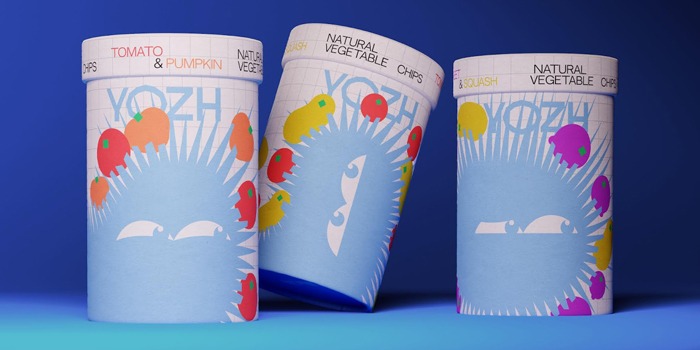
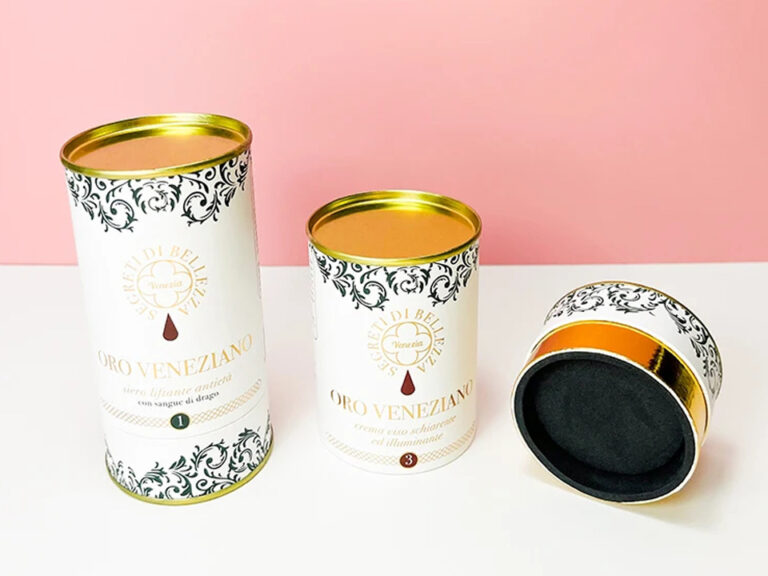
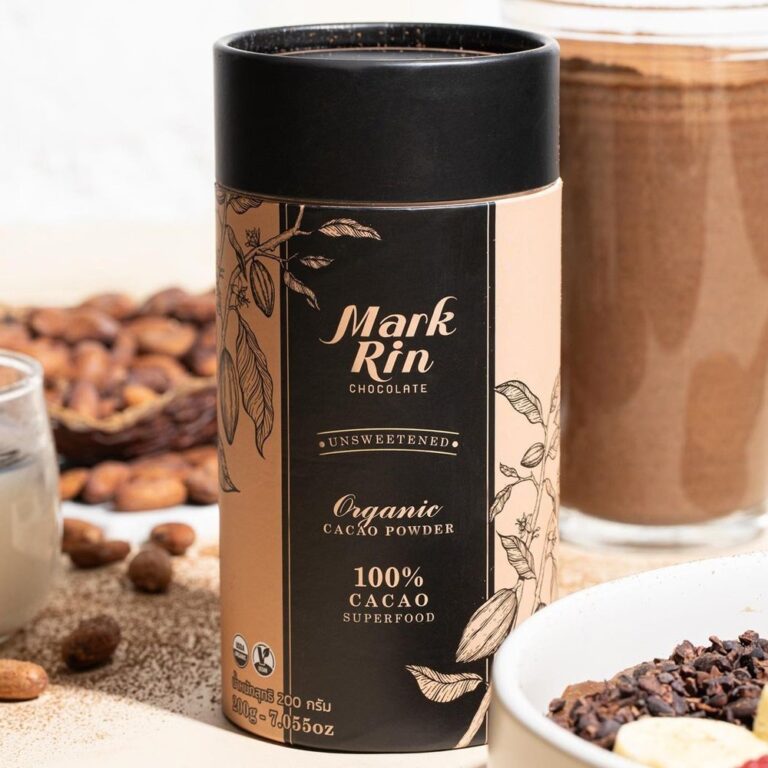
This is where paper tubes really shine for brands: they’re sturdy, they look premium, and they can be built for clean shelf display.

Here are common packaging scenarios (with internal examples):

If you want to browse more formats fast, start with the 제품 카탈로그. It’s a quick way to align on structure, style, and category direction.

종이 튜브의 종류와 용도

End caps and closures: they prevent damage and boost reuse

End caps reduce transit damage and keep tubes looking new

A paper tube often fails at the ends first. That’s where impacts happen, and that’s where customers judge quality in two seconds.

End caps help you:

  • reduce edge crush and dents
  • keep dust out
  • prevent “rolling” during transport
  • create a cleaner unboxing moment

For shipping tubes, end caps are almost mandatory. For retail tube boxes, the closure style also becomes part of the brand look.

VCI paper tubes for rust prevention and metal parts protection

VCI paper tube packaging for metal parts storage and shipping

If you ship metal components, rust risk can turn into returns fast—especially with ocean freight or long storage. VCI paper can release corrosion inhibitors that protect metal surfaces in enclosed space.

Typical use cases:

  • spare parts kits
  • fasteners and tool accessories
  • precision components that can’t tolerate surface oxidation

If you’re in this category, you’ll usually spec the tube as a system: tube + inner wrap/liner + closure.

Customization is the norm: size, print, inserts, and finishes

Custom paper tube boxes for OEM/ODM and bulk wholesale

Most brands don’t want “a tube.” They want their tube:

  • exact height to match product fit
  • tight inner diameter to reduce rattle
  • inserts that lock the product in place
  • print finishes that pop under store lighting
  • barcodes and batch info that scan cleanly

This is where a one-stop workflow matters. On the Custom Paper Tube Boxes homepage, you can see the manufacturer positioning and production scale. For wholesalers, distributors, and private-label sellers, the goal is simple: keep packaging consistent across lots, reduce QC headaches, and stay on schedule.

Manufacturing process and quality control: where reliability comes from

Manufacturing steps: winding, gluing, cutting, curing, finishing

A good tube is boring in the best way. It stays round. It cuts clean. It doesn’t smell weird. It doesn’t show glue stains. Getting that consistency takes process control, not luck.

Most manufacturing flows like this:

  1. select paper grades and adhesives
  2. wind layers to the target wall thickness
  3. cure and stabilize
  4. cut to length with clean edges
  5. add wrap paper, print, coatings, inserts, and closures
  6. run final checks before packing

Quality control metrics: compression, dimensions, and edge finish

If you’re buying in bulk, you should care about:

  • compression resistance (helps with stacking and transport)
  • ID/OD consistency (helps with fit and inserts)
  • 엣지 품질 (helps with safety and perceived quality)
  • surface finish stability (helps avoid scuffs and color shifts)

If you’ve dealt with “same artwork, different batch, different color,” you already know why QC checkpoints matter.

Quick comparison table: types, strengths, and best-fit scenarios

Paper tube typeWhat it’s good atWhere it fits bestWhat buyers usually watch
Spiral wound paper tubedependable structure, flexible sizing, strong for general useretail tube boxes, poster/mail tubes, many consumer goodsoverall crush resistance, clean wrap, print alignment
Convolute (parallel wound) paper tubehigher load performance, stable wall, stronger under stressheavy products, precision fit packaging, tougher logisticstighter diameter control, wall uniformity, stronger stacking performance
Paper core (industrial)roll stability, line performance, repeatable windingfilm/label/textile winding and convertingID tolerance, edge finish, compression, run-out

Sources used for these points: industry reference materials on paper tube construction (spiral vs convolute/parallel), plus manufacturing-side QC practices commonly used in tube production.

종이 튜브의 종류와 용도

How to choose the right paper tube for your product

If you want a fast decision path, ask these questions:

  • Is this retail packaging or industrial winding? That decides “tube” vs “core.”
  • What’s your failure mode today? Dents, loose fit, scuffs, or returns from breakage each point to different specs.
  • Do you need compliance features? Tamper evidence, child-resistant structure, or regulated labeling changes the build.
  • Where will the product sell? E-commerce needs damage resistance. Retail needs shelf impact. Many brands need both.

If you’re building a packaging line for multiple channels, the smartest move is to align on a tube structure first, then tune the details—paper grade, wall thickness, closure, inserts, and print finishes—so your packaging performs and still looks premium.

If you’re ready to map your SKU to a tube spec, start by browsing the 종이 튜브 포장 제품 and pick the closest category. That usually gets you to the right structure in minutes, not weeks.

댓글
당신의 사랑을 공유하세요