팝업 양식

아직 적합한 포장 솔루션을 찾지 못하셨나요? 상사와 상담하세요.

웹사이트를 검토했거나 영업팀과 상담했지만 여전히 명확한 경로가 보이지 않는다면 여기에서 요청을 보내주세요. 요청이 접수되면 총괄 관리자에게 직접 전달되어 실현 가능성, 비용, 소요 시간 등을 검토합니다. 다음 단계, 즉 저희가 할 수 있는 일과 필요한 사항, 가장 빠른 견적 경로에 대한 명확한 답변을 받으실 수 있습니다.

  • 사양, 사용 사례 및 제약 조건에 대한 GM의 직접 검토
  • 크기 + 구조 확인: 직경, 높이, 벽 강도, 인서트
  • 브랜드 + 예산에 맞는 권장 사항 인쇄/완료
  • 비용 절감 대안 및 리드타임 개선 옵션
  • 견적 경로 명확성: MOQ, 샘플링 계획 및 다음 단계
리즈 펭
상사와 대화하기
팝업 양식

맞춤형 종이 튜브 포장에 대한 빠른 견적 받기

포장 관리자, 조달 및 포장 엔지니어를 위해 제작되었습니다. 크기, 수량, 마감을 지정하여 미국/유럽 프로그램에 대한 주문량, 리드 타임, 사양 안내를 받을 수 있습니다.

  • 견적 가능한 사용자 지정: 직경, 높이, 벽 두께, 인서트, 라이너 및 마감재
  • 프리미엄 마감: CMYK/팬톤, 포일, 엠보싱, UV
  • 소싱의 명확성: 명확한 사양 + QC + DFM 안내
  • 지속 가능: 요청 시 FSC® 용지 제공
  • 어린이 보호: ISO 8317/PPA에 따라 설계됨
리즈 펭
패키징 엔지니어와 상담하기

종이 튜브 포장은 재활용이 가능한가요?

You’ve seen paper tubes everywhere—tea, skincare, supplements, even jewelry. They look clean, feel premium, and they photograph well. Then a customer asks the question that can make your inbox spicy: “Is paper tube packaging recyclable?”

Here’s the real answer: often, yes. But not always. Recycling isn’t only about what a package is made of. It’s about how that package behaves in the real recycling stream: collection bins, sorting lines, and paper mills.

If you want paper tube packaging that customers trust (and that won’t trigger “greenwashing” comments), you need to design for how recycling actually works—and how people actually throw stuff away.

If you’re sourcing wholesale or building an OEM/ODM packaging line, start with the basics on the 맞춤형 종이 튜브 박스 site and then drill into the styles that match your product and your market.

종이 튜브 포장 재활용 가능

Paper Tube Packaging Recyclable: Quick Answer

Most paper tube packaging is recyclable when it’s clean, dry, and mostly paper. That usually means a paperboard body, paper label, and no tricky layers.

Paper tubes often fail recycling when they’re mixed-material. Think foil liners, plastic films, heavy lamination, permanent metal parts, or thick glue coverage. Those features can block pulping, confuse sorting, or get flagged as contamination.

So the shape isn’t the issue. The 구조 is.

Paper Tube Recycling Rules by Material and Structure

Paperboard Tube (single-material paper tube)

A plain paperboard tube is the best-case scenario. It behaves like paperboard in recycling systems, and it’s easy for customers to understand.

빛나는 곳:

  • Dry goods that don’t leak
  • Gift sets with inner protection
  • Retail items that need “premium without fragile”

If you want to see a wide range of formats fast, scan the 종이 튜브 포장 제품 list and note which builds stay paper-first.

Mixed Material Paper Tube (foil liner, plastic film, metal ends)

This is where brands get burned. A tube can look like paper and still get rejected.

Common “recycling killers”:

  • Foil barrier liners
  • Plastic lamination that doesn’t separate
  • Plastic shrink sleeves that cover the whole tube
  • Permanent metal ends or rings
  • Overbuilt adhesives (great for strength, bad for pulping)

If your tube needs barrier performance, don’t automatically “wrap the tube in plastic.” You can usually shift barrier needs to the inner pack and keep the outer tube cleaner.

Paper Tube with Window / Handle (clear window, ribbon, insert)

Windows and fancy add-ons sell product. They also make disposal confusing.

If you use a window or handle, make it easy to separate. Don’t trap plastic under glued paper layers. Don’t hide mixed materials where customers can’t find them.

This style can work well for display-driven items—see a real example of paper tube packaging with clear window and handle and think about how you’d make the non-paper pieces quick to remove.

Paper Tube Contamination: Empty, Clean, Dry

Recycling programs don’t only reject “bad materials.” They reject dirty packaging.

Food residue and moisture

If your tube holds food, powders, or anything that can smear, customers may toss it with residue inside. That residue can contaminate paper bales and downgrade the output.

A simple rule that keeps you honest: If it’s sticky, oily, soaked, or smelly, recycling gets harder.

Oils, wax, and “it leaked a little”

This hits cosmetics and personal care packaging all the time. A tube can be perfect on paper, but if oil soaks into the fibers, mills may treat it like trash.

If your product can leak, treat the tube as 2차 포장. Keep the mess inside a stable primary container. That’s why many brands pair tubes with jars, bottles, or sealed inner bags.

For beauty and skincare formats built around that idea, look at 화장품 골판지 튜브 포장.

How to Recycle Paper Tube Packaging

Your customers won’t read a long disposal guide. Give them a short checklist they’ll actually follow.

  1. Empty it No product left inside. No soaked inserts.
  2. Keep it clean and dry If it’s wet or greasy, it may get rejected.
  3. Remove non-paper parts you can see Pull off windows, ribbons, foam, metal lids, and plastic wraps when possible.
  4. Don’t overthink it If your local rules reject mixed materials, the “best” design is the one that avoids mixed materials in the first place.

This isn’t just customer service. It’s brand protection. When disposal feels simple, your reviews stay cleaner too.

Paper Tube Packaging Design for Recyclability

If you’re serious about scaling, recyclability belongs in your spec sheet—right next to print quality, drop resistance, and packing speed.

Single-material design (paper-first)

This is the cleanest approach:

  • Paperboard tube body
  • Paper label or direct print
  • Minimal glue coverage (use only what you need)
  • Avoid full-body plastic sleeves

This design also helps your operations team. Fewer parts means fewer failure points in production, fewer supplier headaches, and smoother QC.

Removable components (easy separation)

Sometimes you need extras: a premium lid, an insert, a seal. That’s fine. Just make them easy to remove.

Good options:

  • Friction-fit lids instead of permanent bonds
  • Pull tabs or tear strips that clearly show where to separate
  • Inserts that lift out cleanly (no glue traps)

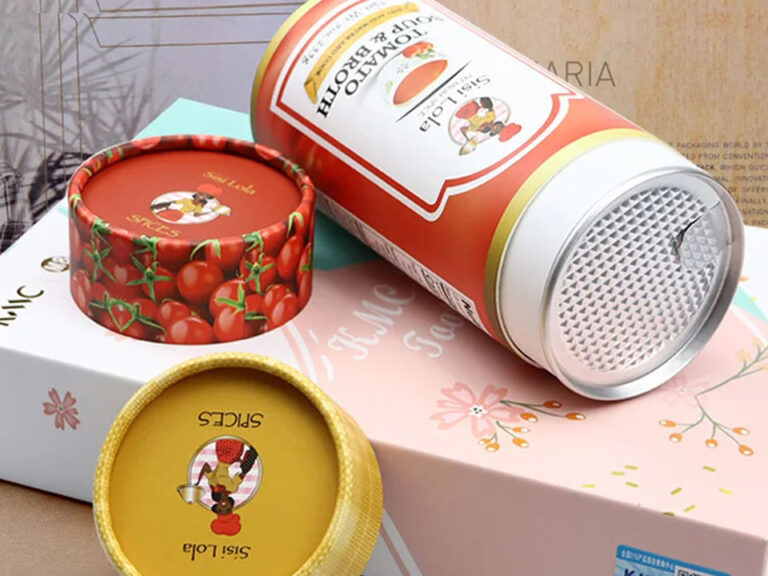
If you want a “premium lid” look, you can do it without turning the whole pack into a recycling problem. A good example category is tea—see tea paper tube packaging with a metal cover and think “removeable parts, clear structure.”

Barrier needs vs recyclability (real trade-offs)

Some products need moisture control, oxygen protection, or aroma lock. That’s real life. But you don’t have to build the barrier into the tube wall every time.

A practical pattern that works well:

  • Use the tube for structure, branding, and shelf impact
  • Put barrier performance in the inner pack
  • Keep the outer tube mostly paper so it’s easier to sort and pulp

This strategy also helps with compliance labeling and fast SKU changes, especially for marketplaces and cross-border sellers.

종이 튜브 포장 재활용 가능

Recyclability Claims and Reality: Collection, Sorting, Reprocessing, End Markets

A package isn’t “recyclable” just because it contains paper.

In real recycling systems, your tube has to survive the full chain:

  • Collection: Can customers put it in a bin without guessing?
  • Sorting: Can a facility separate it without slowing the line?
  • Reprocessing: Can paper mills pulp it without leaving junk behind?
  • End markets: Can someone actually use and buy the recycled output?

That’s why mixed materials cause trouble. Each layer might be recyclable alone, but the combo can still fail in practice.

If you sell B2B, this matters even more. Retailers and large buyers don’t just want “eco vibes.” They want claims that won’t backfire.

Paper Tube Packaging Use Cases: Cosmetics, Tea, Protein Powder, CBD

Let’s get out of theory and into real packaging work.

Cosmetics paper tube packaging

Cosmetics buyers judge fast. Tubes give you a premium feel without glass fragility, plus more surface for design.

What wins in cosmetics:

  • Clean unboxing
  • Crisp printing and finish
  • A stable inner pack so nothing leaks into the paper

If you’re building a beauty line, start with proven structures like 화장품 튜브 포장 and tune the details for your SKUs.

Tea paper tube packaging

Tea is a shelf game. You want freshness, but you also want strong branding.

Tubes help because they:

  • Stand tall for merchandising
  • Protect against crush damage in shipping
  • Feel giftable without extra overpack

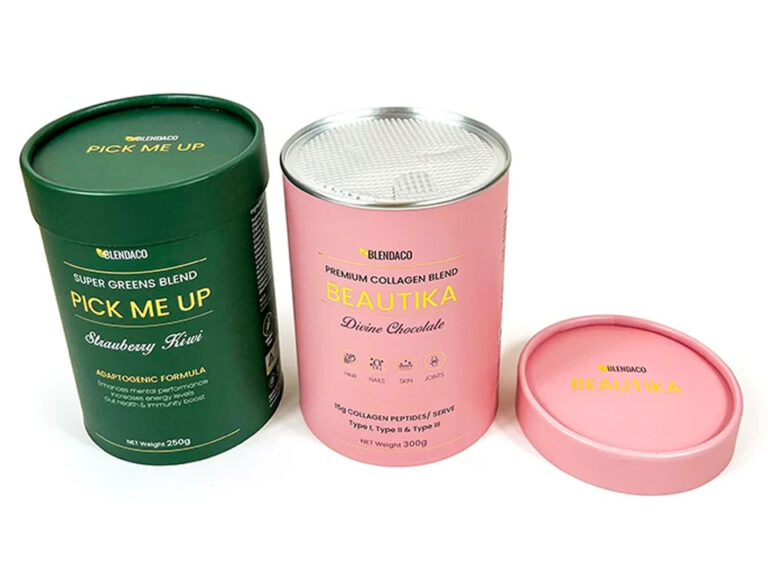
A common premium format is a tube with a metal cover, like this tea packaging tube style. Keep the lid removable, keep the body paper-forward, and keep the message simple for customers.

Protein powder paper tube packaging

Supplements take a beating in logistics. Tubes can reduce dents and corner crush compared to light cartons, especially when you ship through fulfillment networks.

What matters here:

  • Strong tube walls
  • Tight fit closures
  • Print that stays sharp even with warehouse handling

A solid category example is 단백질 파우더 종이 튜브 포장.

CBD paper tube packaging and child resistant paper tube packaging

Regulated categories come with extra pressure: compliance labeling, tamper cues, and customer trust.

If you sell CBD cartridges, tubes can help with:

  • Premium shelf feel
  • Better protection for fragile items
  • More room for required text and brand story

See an example of CBD 카트리지 종이 튜브 포장 and, for safety-focused lines, 어린이 보호용 종이 튜브 포장.

Jewelry paper tube packaging

Jewelry doesn’t need barrier protection, so it’s a great match for paper-first tubes. You get a premium reveal without overbuilding.

A clean reference style is jewelry and bracelet paper tube packaging. If you want this to recycle better, keep inserts removable and avoid plastic-heavy decorations.

Recyclability Decision Table for Paper Tube Packaging

Use this table when you’re choosing specs for wholesale runs, private label launches, or OEM/ODM projects.

Paper tube typeCommon featuresRecycling outcome (typical)Spec move that helps
Paperboard tube (all paper)Paper body + paper labelOften accepted when cleanKeep it paper-first, limit glue coverage
Mixed material paper tubeFoil liner / plastic laminationOften rejectedShift barrier to inner pack, avoid permanent laminates
Paper tube with metal lidMetal cap + paper bodyMixed resultsMake lid removable, keep bonds light
Paper tube with plastic windowClear window + paper shellMixed resultsUse easy-peel window, reduce plastic area
Paper tube with foam insertFoam + paper bodyOften rejected unless removedMake insert lift-out, consider paper-based trays

OEM/ODM Wholesale: Custom Paper Tube Boxes Manufacturer

If you’re buying at scale, you’re not shopping for “a cute package.” You’re building a system.

You care about:

  • Consistent print and finish across batches
  • Stable QC and repeatability
  • Packaging that packs fast and survives shipping
  • Clear specs that don’t drift between production runs

As a 최고의 맞춤형 종이 튜브 상자 제조업체, we support custom builds, bulk wholesale, and OEM/ODM for retailers, cross-border sellers, distributors, brand owners, agencies, and growing teams. We’ve built production and warehousing for volume work, so you can scale without sacrificing fit, finish, or reliability.

If you want to compare structures and choose a direction quickly, start at the 제품 카탈로그 and match the tube build to your product’s real needs—barrier, compliance, unboxing, and recycling behavior.

종이 튜브 포장 재활용 가능

Bottom Line: Make “Recyclable” Easy for Real People

If you want fewer customer questions and fewer headaches, don’t design a tube that needs perfect behavior to recycle. Design one that fits real-life disposal.

  • Keep the tube mostly paper
  • Avoid permanent mixed layers when you can
  • Make non-paper parts easy to remove
  • Put barrier performance in the inner pack when needed

That’s how paper tube packaging stays premium on the shelf, stable in shipping, and easier to recycle in the real world.

댓글
당신의 사랑을 공유하세요