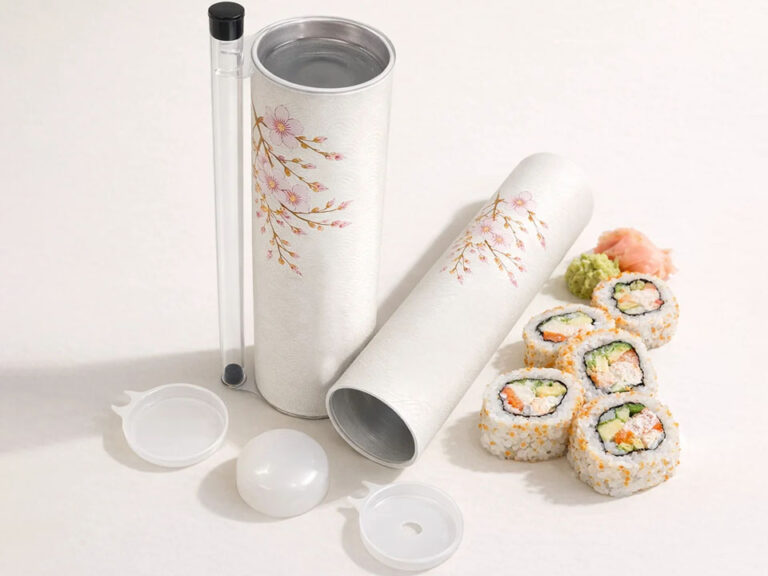
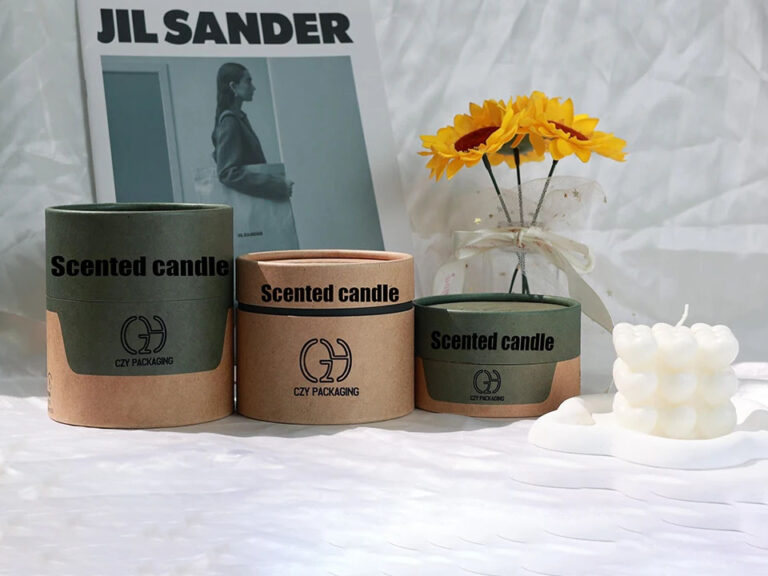
Ainda não está a ver a solução de embalagem certa? Fale com o nosso chefe.
Se consultou o nosso sítio Web ou falou com o departamento de vendas e ainda não vê um caminho claro, envie o seu pedido aqui. A sua mensagem vai diretamente para o nosso Diretor Geral para uma análise executiva da viabilidade, custo e prazo de entrega. Obterá um próximo passo claro - o que podemos fazer, o que precisamos de si e o caminho mais rápido para uma cotação.
Revisão direta pela GM das suas especificações, casos de utilização e restrições
Verificação do tamanho + estrutura: diâmetro, altura, resistência da parede, inserções
Recomendações de impressão/acabamento para corresponder à marca + orçamento
Alternativas de redução de custos e opções de melhoria do prazo de entrega
Clareza no processo de cotação: MOQ, plano de amostragem e o que fazer a seguir
Falar com o nosso chefe
Obter um orçamento rápido para embalagens de tubos de papel personalizadas
Criado para gestores de embalagens, aprovisionamento e engenheiros de embalagens. Especifique o tamanho, a quantidade e o acabamento para receber orientações sobre o orçamento, o prazo de entrega e as especificações para os programas dos EUA e da UE.
Personalização pronta para orçamento: diâmetro, altura, espessura da parede, inserções, revestimentos e fechos
Acabamentos de qualidade superior: CMYK/Pantone, folha de alumínio, relevo, UV
Clareza de abastecimento: especificações claras + CQ + orientação DFM
Sustentável: Papel FSC® disponível a pedido
Resistente às crianças: concebido de acordo com a norma ISO 8317 / PPPA
6 passos para saber como selecionar a embalagem perfeita para o produto
Índice
Escolher a embalagem parece simples até sermos nós a lidar com caixas amolgadas, prateleiras desarrumadas e devoluções que consomem a nossa margem. A solução não é uma “embalagem mais bonita”. É um processo simples de 6 passos que combina tamanho do produto + abuso no transporte + vibração da marca + realidade da produção.
Se estiver a adquirir caixas de tubos de papel personalizadas a granel (OEM/ODM, grossista, marca própria, kits), este guia ajudá-lo-á a definir rapidamente as especificações e a evitar as habituais idas e vindas.
Verá também alguns cenários do mundo real e uma tabela prática para que possa informar o seu designer, a sua equipa de operações e o seu fornecedor com as mesmas notas.
Utilize esta tabela como a sua “lista de verificação de especificações”. Transforma pedidos vagos em decisões que o seu fornecedor pode efetivamente produzir.
Etapa
Palavra-chave de decisão
Dor do comprador que previne
Resultado mais adequado
Fonte
1
Dimensões do produto
Encaixe solto, danos provocados por abanões, enchimento de espaços vazios feio
Um packout confortável com tolerância controlada
Quadro de seleção de embalagens
2
Estrutura da caixa
Esmagamento em trânsito, empilhamento deficiente, linha de embalagem lenta
Estrutura que combina prateleira + envio + desembalagem
Quadro de seleção de embalagens
3
Material e espessura
Arranhões, amolgadelas, sensação de mão barata
Tubo de papel direito parede + revestimento + acabamento
Quadro de seleção de embalagens
4
Especificação do tamanho
Transporte aéreo de mercadorias, resíduos de caixas de cartão, caos na SKU
Tamanhos racionalizados para menos dores de cabeça
Quadro de seleção de embalagens
5
Público-alvo
A embalagem parece “fora da marca”, poucas compras repetidas
Escolhas de design que se adaptam aos seus compradores
Quadro de seleção de embalagens
6
Ensaio de embalagem
Falhas surpreendentes após a produção em massa
Amostragem + ensaio em trânsito + plano de controlo de qualidade
Quadro de seleção de embalagens
Passo 1: Medir as dimensões do produto
Comece por aqui. Um design perfeito continua a falhar se o produto chocalhar no interior.
Comprimento, diâmetro e altura
Obtenha os números reais, não o “tamanho do sítio Web”. Medir:
a ponto mais largo
a ponto mais alto
qualquer tampas, bombas, conta-gotas ou saliências
Se o seu produto for colocado numa inserção, meça também a pegada da inserção. As inserções mudam tudo.
Espaço tampão para inserções e proteção
É preciso ter espaço para respirar:
inserções (EVA, cartão, pasta moldada, espuma - em função das regras do seu mercado)
sacos interiores
selos de segurança
cartões de instruções
acessórios (colher, escova, cabos, recargas)
Uma regra simples: conceção para packout, não para um produto simples numa secretária.
Cenário: Uma marca de produtos para a pele envia um frasco de vidro com conta-gotas. O frasco sobrevive... até que a cabeça do conta-gotas bate na tampa durante o manuseamento do correio. Um pequeno amortecedor e uma simples inserção impedem esse dano de “micro-impacto” que causa queixas de fugas.
Passo 2: Escolher o estilo e a estrutura corretos da caixa
É aqui que se faz corresponder “a forma como se vende” à “forma como a embalagem se comporta”.”
A embalagem em tubo de papel proporciona-lhe uma forte compressão vertical e uma sensação de desembalagem de qualidade superior, mas continua a ter opções de estrutura:
tipo de tampa (de fricção, metálica, de encaixe, telescópica)
tabuleiro interior ou encaixe
recorte de janela
aba de puxar, fita ou pega
Expedição de comércio eletrónico vs exposição em prateleiras de retalho
Fazer uma pergunta direta: Tem de sobreviver ao transporte de encomendas ou apenas ficar bem numa prateleira?
Para DTC/e-commerce: privilegiam a segurança do fecho, a resistência ao desgaste e a rapidez de acondicionamento.
Para retalho: dar prioridade ao bloqueio das prateleiras, à coerência das cores e ao espaço do código de barras/rótulo.
Se quiser ter ideias, consulte o Todos os produtos catálogo para ver variações de estrutura que podem ser emprestadas.
Estrutura resistente às crianças e orientada para a conformidade
Se vende produtos regulamentados, a estrutura não é opcional. Faz parte do controlo do risco.
Exemplo: para artigos regulamentados, pode ser necessário um mecanismo de segurança para crianças. Este tipo de estrutura aparece em produtos como embalagem em tubo de papel reciclável de cannabis resistente às crianças. É um bom ponto de referência quando se está a criar uma especificação que dá prioridade à conformidade.
Passo 3: Selecionar o material e a espessura
Os compradores sentem o material antes de lerem o seu logótipo. O material também decide se a sua embalagem se mantém limpa após os armazéns, as paletes e os transportadores de correio.
Cartão de tubo de papel, papel de embrulho e acabamento de superfície
Normalmente, a decisão é tomada em três camadas:
o corpo do tubo (resistência + rigidez)
o papel de embrulho (qualidade de impressão + textura)
o acabamento (resistência aos riscos + controlo do brilho)
Escolha o acabamento com base no modo de vida do seu produto:
aspeto mate: mais calmo, premium, amigo das impressões digitais
aspeto brilhante: cor viva, forte na prateleira
tratamento de manchas: realça um logótipo ou padrão sem revestir tudo
Casos de utilização de grau alimentar e de barreira
Os alimentos e os suplementos vivem num mundo diferente. Preocupa-se com a limpeza, o controlo de odores e as opções de revestimento.
Cenário: Uma marca de chá é vendida em climas húmidos. Um fecho e um revestimento melhores reduzem a perda de aroma e mantêm o produto “fresco” durante mais tempo. Os clientes podem não dizer “boa barreira”, mas notarão a experiência.
Etapa 4: Confirmar a especificação do tamanho
Este passo parece aborrecido. Mas salva discretamente a sua equipa de operações.
Normalização de SKU para linhas de produtos
Se tiver várias unidades de manutenção de estoque, não crie um tubo exclusivo para cada item, a menos que seja necessário. Demasiados tamanhos criam:
otimização de caixas de cartão desarrumadas
montagem lenta de kits
maior risco de embalar a SKU errada
mais pontos de CQ para gerir
Uma jogada mais inteligente é “famílias de tamanho”. Por exemplo:
um tamanho de tubo para uma gama de cosméticos
um tamanho de tubo para vários sabores de suplementos
tamanho único para conjuntos de oferta sazonais
Esta abordagem é adequada para os fluxos de trabalho grossistas e OEM/ODM.
Caixas de subscrição e pacotes de produtos
Os pacotes quebram a embalagem se não se simular o empacotamento antecipadamente.
Se enviar pacotes (como “pacote de 3”, “kit inicial” ou “recarga + ferramenta”), crie um modelo de embalagem e confirme:
Compradores retalhistas preocupar-se com a leitura da prateleira e com os blocos da marca. Certifique-se de que o painel frontal, o painel lateral e a vista superior comunicam rapidamente a marca.
Sinais de embalagem específicos do segmento
Os diferentes mercados lêem as embalagens de forma diferente:
Etapa 6: Amostrar, testar e bloquear a especificação da embalagem
É aqui que os profissionais evitam as “surpresas da produção em massa”.”
Amostragem e aprovação da linha de base
Não aprove apenas um ficheiro de arte-final simples. Pergunte por:
uma amostra física (ou um protótipo apertado)
Confirmação da linha de dia (dimensões + sangria + zonas de segurança)
controlo do fecho
verificação do ajuste da inserção
Se estiver a trabalhar com agências de design, forneça-lhes a linha de dielimitação antecipadamente. Evita compromissos tipográficos de última hora.
Testes de trânsito e pontos de controlo de qualidade
Se o seu produto for enviado, a sua embalagem tem de suportar os abusos do mundo real:
gotas
vibração
compressão por empilhamento
oscilações de temperatura nos camiões e contentores
Executar um plano de teste de trânsito simples. Em seguida, bloquear os pontos de controlo QC:
consistência da cor de impressão
encaixe da tampa
integridade da cola (se aplicável)
resistência aos riscos
controlo de odores para produtos sensíveis
É também aqui que a capacidade do fornecedor é importante. Se está a aumentar a escala, quer um fabricante que consiga manter a produção estável. O perfil da sua fábrica destaca uma moderna oficina de purificação de embalagens alimentares, um armazém de 12.300 m² e uma elevada capacidade diária, que suporta encomendas em massa sem transformar a produção num estrangulamento.
Folha de especificações rápida para embalagens de tubos de papel personalizadas
Esta tabela ajuda-o a escrever um RFQ limpo e a obter cotações mais rapidamente.
Palavra-chave
O que decidir
Opções típicas
Melhor para
Estrutura do tubo
Como abre/fecha
tampa de fricção, telescópica, tampa metálica, ficha