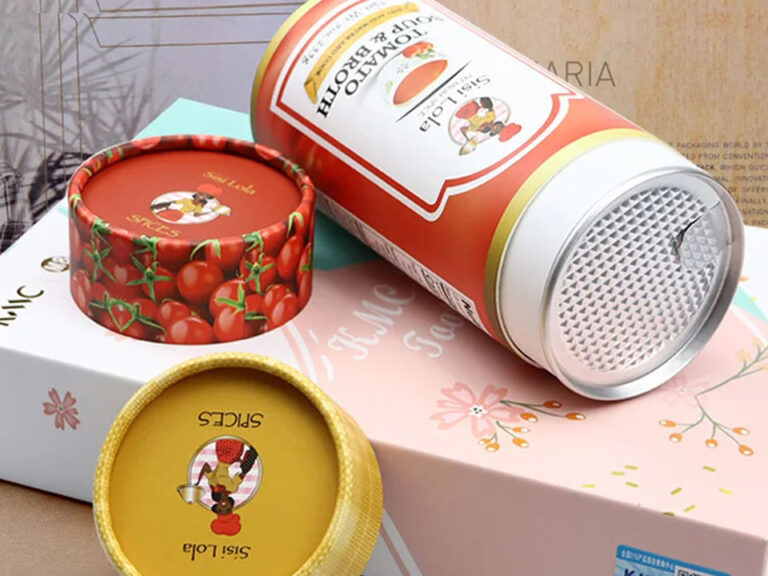
Ainda não está a ver a solução de embalagem certa? Fale com o nosso chefe.
Se consultou o nosso sítio Web ou falou com o departamento de vendas e ainda não vê um caminho claro, envie o seu pedido aqui. A sua mensagem vai diretamente para o nosso Diretor Geral para uma análise executiva da viabilidade, custo e prazo de entrega. Obterá um próximo passo claro - o que podemos fazer, o que precisamos de si e o caminho mais rápido para uma cotação.
Obter um orçamento rápido para embalagens de tubos de papel personalizadas
Criado para gestores de embalagens, aprovisionamento e engenheiros de embalagens. Especifique o tamanho, a quantidade e o acabamento para receber orientações sobre o orçamento, o prazo de entrega e as especificações para os programas dos EUA e da UE.
Personalização pronta para orçamento: diâmetro, altura, espessura da parede, inserções, revestimentos e fechos
Acabamentos de qualidade superior: CMYK/Pantone, folha de alumínio, relevo, UV
Clareza de abastecimento: especificações claras + CQ + orientação DFM
Sustentável: Papel FSC® disponível a pedido
Resistente às crianças: concebido de acordo com a norma ISO 8317 / PPPA
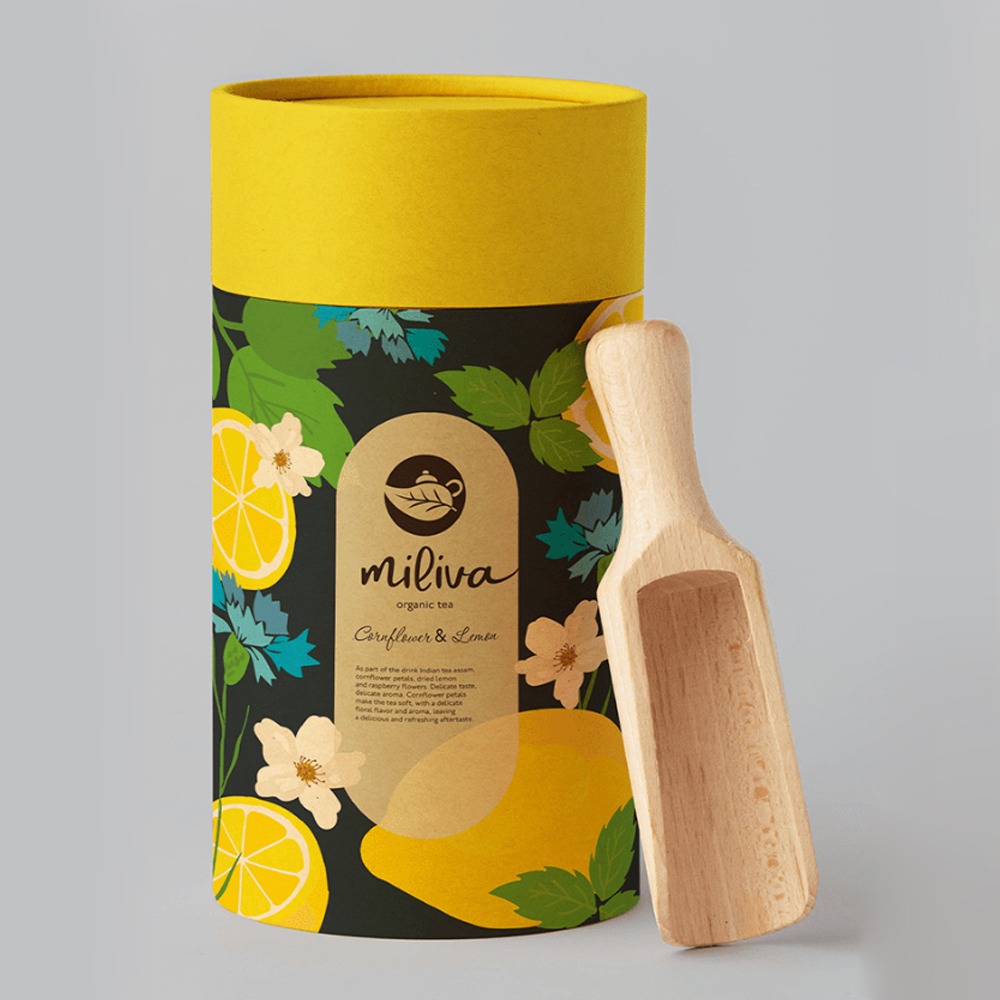
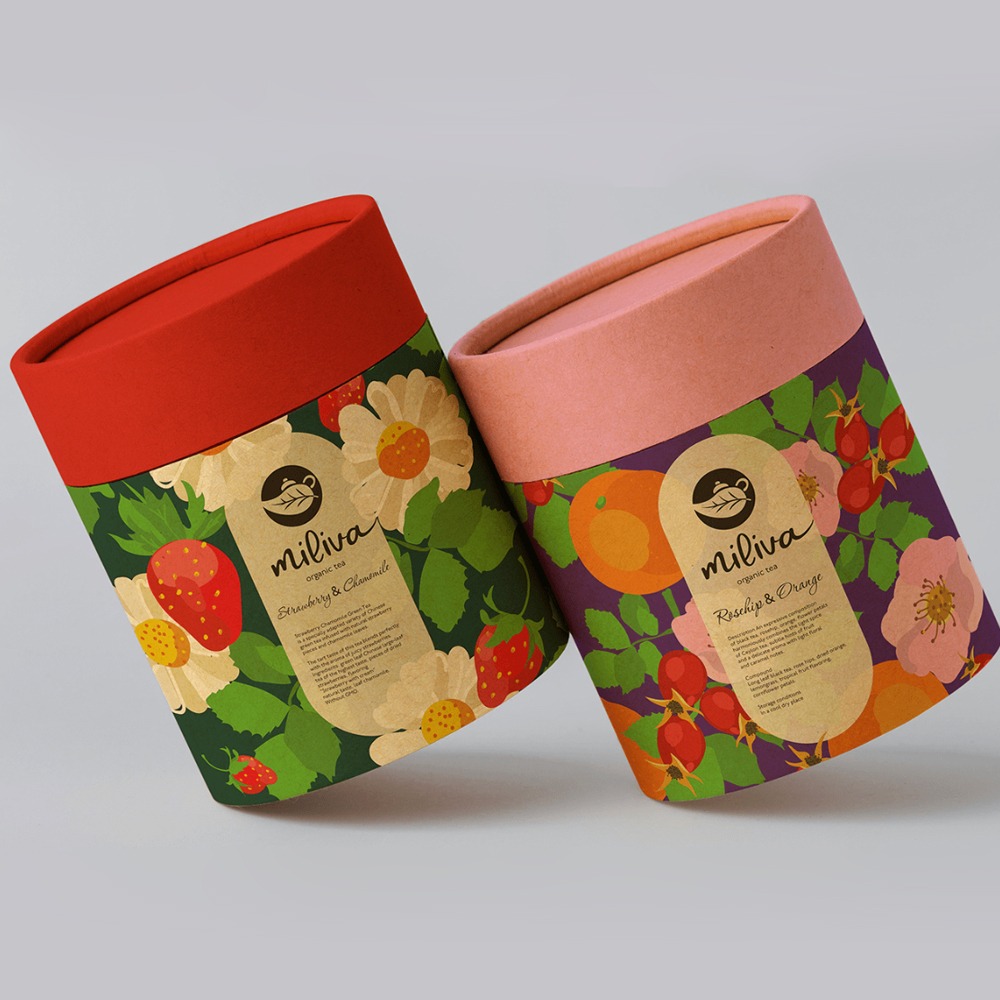
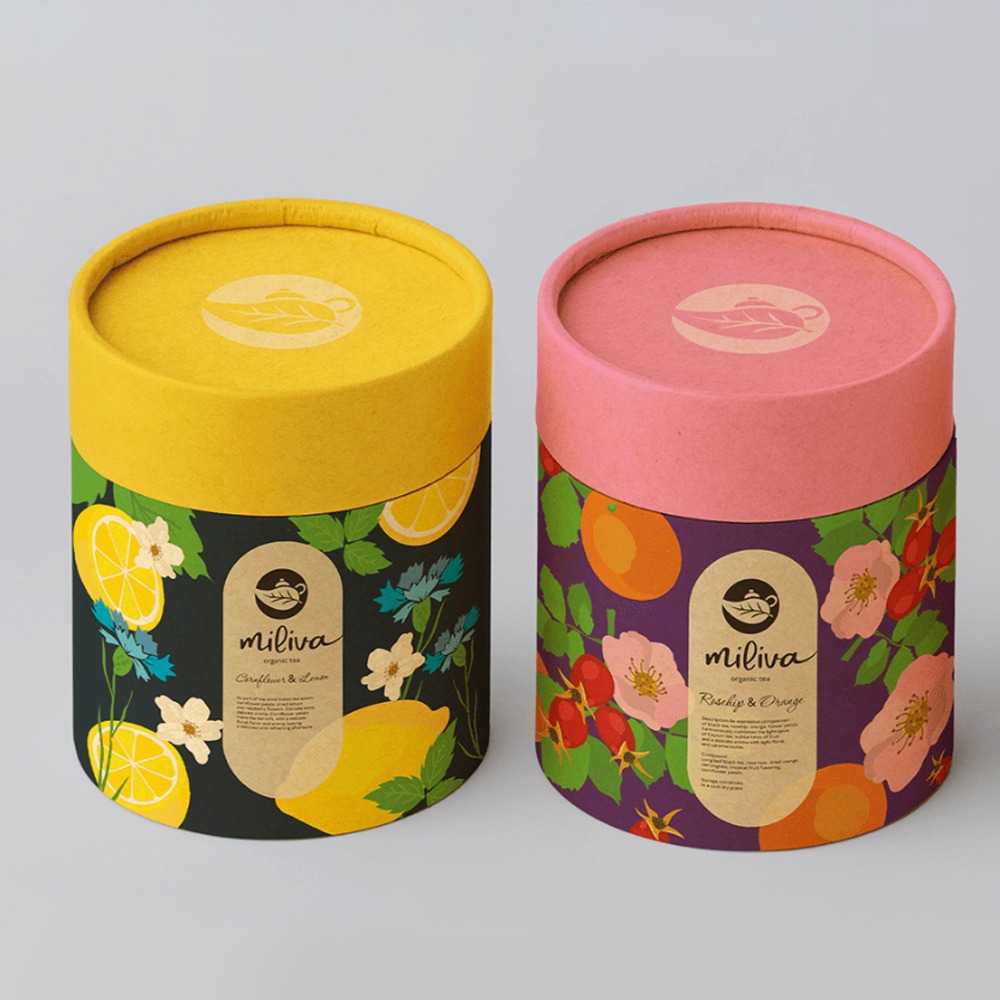
Bebendo de forma sustentável: Chá orgânico em embalagem de tubo de papel
O chá biológico vende uma promessa. Ingredientes limpos, origem cuidadosa, menos atalhos. Mas os clientes não param de julgar quando carregam em “Adicionar ao carrinho”. Voltam a julgar quando a caixa chega à porta de casa e quando a abrem pela décima vez.
É por isso que a embalagem é mais importante do que a maioria das marcas de chá espera. Se o seu chá tiver um aspeto de primeira qualidade, mas se estragar após algumas aberturas, perde encomendas repetidas. Se o chá chegar rasgado ou esmagado, recebe devoluções e críticas de uma estrela. Se parecer “ecológico” mas parecer frágil, as pessoas hesitam na prateleira.
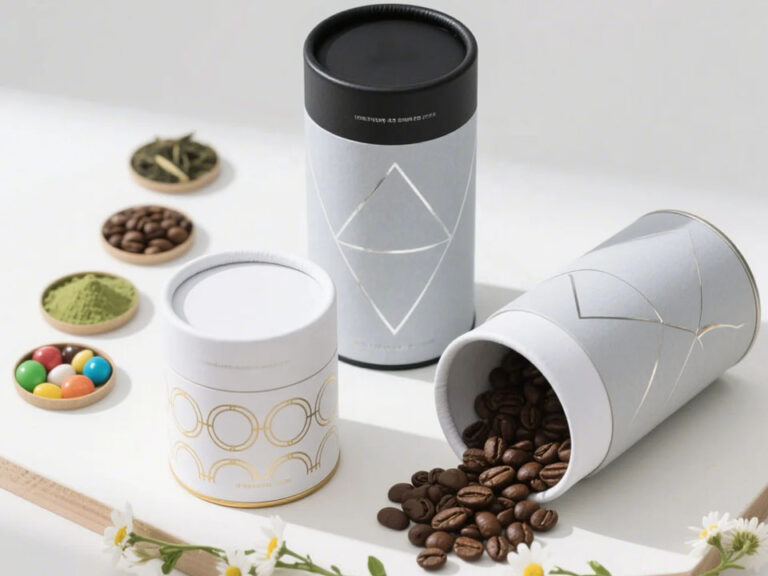
As embalagens em tubo de papel resolvem muito disso numa só jogada. É robusta, pode ser presenteada e tem papel. Também lhe dá espaço real para construir um sistema de marca: cores consistentes, acabamentos tácteis e um fecho que parece um ritual diário.
Argumentos para embalagens de tubos de papel para chá biológico
Título do argumento (palavra-chave)
O que resolve realmente
Alavanca de embalagem que pode especificar
Tipo de fonte (sem ligações externas)
Barreira à humidade para embalagens de chá
O chá absorve a humidade e fica com um sabor “fino” rapidamente
Revestimento interior / camada de barreira + ajuste apertado da tampa
Práticas de embalagem de alimentos (controlo da humidade)
Proteção aromática para chá de folhas soltas
O aroma escapa-se sempre que a embalagem é reaberta
Design da vedação + materiais de baixo odor + estabilidade do fecho
Engenharia de embalagens (retenção de voláteis)
Proteção contra a luz para o chá biológico
A luz pode esbater a cor e alterar o sabor ao longo do tempo
Parede do tubo opaca + cobertura total da etiqueta
Melhores práticas de armazenamento (gestão da luz)
Impacto de topo nas prateleiras para marcas de chá
Os compradores compram primeiro com os olhos
Rigidez do tubo + layout limpo + escolha de acabamento
Realidade do merchandising retalhista (pistas nas prateleiras)
Perceção das embalagens em papel
Os compradores de produtos biológicos querem embalagens com “aspeto natural
Texturas Kraft, acabamentos mate, aspeto de papel de primeira qualidade
Lógica de posicionamento da marca (sinais ecológicos)
Experiência de unboxing para o chá DTC
As subscrições precisam de ser repetidas
Abertura e fecho suaves, sem rasgar, fecho limpo
Manual de crescimento DTC (alavancas de retenção)
Consistência da embalagem por grosso a granel
A variação mata a velocidade à escala
Controlo de cor, tolerâncias de ajuste, pontos de controlo de CQ
Operações de fabrico (repetibilidade)
Fluxo de trabalho de embalagens prontas para exportação
O comércio transfronteiriço necessita de um abastecimento estável
Processo OEM/ODM + amostragem + produção em massa
Execução da cadeia de abastecimento (execuções previsíveis)
Embalagem de chá biológico e confiança na marca
As pessoas que compram produtos biológicos não estão apenas a comprar chá. Estão a comprar confiança.
Querem sentir que o produto é cuidado de ponta a ponta. A embalagem é a primeira prova física. Um tubo rígido faz isso melhor do que uma bolsa macia porque tem um aspeto estável, empilha-se de forma limpa e aguenta o manuseamento.
Isto é importante para toda a gama de clientes:
Marcas de retalho precisam de presença nas prateleiras e de “blocos de marca” limpos.”
Vendedores transfronteiriços precisam de embalagens que sobrevivam ao transporte de longa distância sem parecerem cansadas.
Grossistas e distribuidores precisam de especificações consistentes para que cada lote seja igual ao anterior.
Novas marcas precisa de uma presença premium sem uma explosão de SKU.
E sim, também é importante para o seu fluxo de trabalho interno. Uma boa embalagem reduz o ruído do serviço de apoio ao cliente. Menos bilhetes “chegou danificado”. Menos reclamações do tipo “cheira a cartão”. Menos devoluções.
Materiais de embalagem de tubos de papel para chá
Um “tubo de papel” não é uma coisa só. É um sistema: corpo do tubo, tampa, barreira interior opcional e acabamento de impressão. Para o chá, duas peças fazem a maior parte do trabalho:
O encerramento (a sua capacidade de vedação)
A estratégia de barreira (a sua capacidade de proteção do aroma e da secura)
Manuseamento de embalagens de qualidade alimentar para chá
O chá é um produto alimentar. Mesmo que seja vendido como “estilo de vida”, continua a necessitar de um manuseamento limpo e de disciplina material.
O que é que as marcas normalmente querem saber aqui:
Materiais de baixo odor que não adicionam “cheiro a papel”
Superfícies interiores limpas para colher e verter
Controlos de produção estáveis para grandes séries
Se estiver a fazer OEM/ODM e vendas por grosso a granel, é aqui que a configuração da fábrica de um fornecedor começa a ser importante. Uma oficina de embalagem moderna e um fluxo de trabalho de armazém estruturado ajudam a manter os lotes consistentes e os prazos de entrega previsíveis. O posicionamento do seu sítio Web como Fabricante de caixas de tubo de papel personalizadas de topo adapta-se a esta realidade: a capacidade em grande escala permite encomendas repetidas e não apenas uma amostragem pontual.
Planeamento de tamanhos personalizados para chá de folhas soltas e saquetas de chá
Os erros de dimensionamento parecem pequenos no papel e enormes na vida real.
Demasiado espaço para a cabeça faz com que o produto pareça “vazio”.”
Demasiado apertado torna o enchimento lento e confuso.
O diâmetro incorreto esmaga as saquetas de chá ou complica as inserções.
A altura incorrecta obriga a uma disposição incorrecta das etiquetas e a um fraco bloqueio das prateleiras.
Uma especificação limpa começa com o formato do chá: folha solta, saquetas de chá, pó de matcha ou conjuntos de amostras. Em seguida, define-se o tamanho do tubo em função das necessidades reais de embalagem e não de suposições.
Barreira de proteção para embalagens de chá: humidade, oxigénio e luz
O chá é sensível. Não é frágil como o vidro, mas é sensível como o perfume. Uma pequena exposição faz-se sentir.
Aqui está o padrão que arruína as compras repetidas:
O cliente abre a embalagem.
Fecham-no “suficientemente bom”.”
Fica no balcão durante duas semanas.
As últimas chávenas têm um sabor mais fraco do que as primeiras.
Isso não é um problema de chá. É um problema de fecho + barreira.
Tampa com fecho hermético para manter o chá fresco depois de aberto
Os tubos de papel ganham porque o fecho é simples. Não há lutas com fechos de correr. Sem clipes. Sem bordos rasgados.
É nesse ciclo diário de abrir e fechar que os clientes criam hábitos. Se o tubo for macio e sólido, o produto parece de primeira qualidade todas as manhãs. Este é o valor da marca que não precisa de voltar a publicitar.
Sinais de embalagem inviolável para expedição de comércio eletrónico
O comércio eletrónico é duro. Os pacotes são atirados, empilhados e espremidos.
Os tubos rígidos reduzem o esmagamento dos cantos e os arranhões na superfície. Também lhe dão espaço para as pistas de segurança, se o seu canal precisar delas. Não é necessário copiar as embalagens de outras indústrias, mas é possível utilizar o pensamento estrutural. Por exemplo, os conceitos de “fecho seguro” aparecem em embalagem em tubo de papel reciclável resistente às crianças onde o objetivo é o controlo claro do fecho. As marcas de chá podem adaptar esta mentalidade sem alterar a sua linguagem de design.
Sinais de sustentabilidade das embalagens em tubo de papel kraft
Os clientes não efectuam auditorias de materiais na prateleira. Eles lêem sinais.
Um tubo kraft com um acabamento mate é normalmente mais “natural” do que uma película brilhante. Também corresponde ao que os compradores de produtos biológicos já esperam: cores calmas, tipografia limpa, narrativa orientada para os ingredientes.
A mensagem inteligente sobre sustentabilidade não é barulhenta. É consistente.
Primeiro olhar sobre o papel
Vibração plástica mínima“
Acabamentos de qualidade superior, não chamativos
Se quiser aumentar o nível de qualidade sem perder o tom orgânico, pode pedir emprestadas sugestões de acabamento de construções de estilo presente como caixas de tubo de papel branco mate com laço de seda. Utilize a ideia (toque suave, estrutura limpa, pormenores elevados) e, em seguida, mantenha os visuais adequados ao chá.
Casos de utilização de embalagens em tubo de papel para chá biológico por canal de vendas
É aqui que os tubos compensam: não na teoria, mas nas operações diárias.
Embalagem de chá para assinatura DTC
Os clientes das assinaturas vêem a sua embalagem vezes sem conta. Se o seu tubo se tornar o recipiente de armazenamento, a sua marca mantém-se no balcão. Isto é retenção sem gastos adicionais com publicidade.
O que funciona bem em DTC:
Fácil de abrir e fechar que não se solta
Espaço suficiente no rótulo para o guia da cerveja e notas de degustação
Um interior limpo para escavar
Se estiver a fazer gotas limitadas ou sabores sazonais, os tubos também ajudam a uma rápida diferenciação visual. A impressão e a disposição fazem o trabalho pesado. Um exemplo de impressão que mostra o quanto se pode comunicar na superfície é embalagem em tubo de papel impresso de dupla face. Não vai copiar esse estilo exato para o chá, mas a capacidade é importante quando precisa de sistemas de marca fortes em todas as unidades de manutenção de stock.
Embalagens de chá prontas para venda a retalho
O retalho é implacável. A luz ofuscante, o desgaste das prateleiras, os reabastecimentos rápidos, o manuseamento brusco dos clientes.
Os tubos ajudam porque:
Ficar na vertical com os bordos limpos
Mantêm a sua forma depois de serem recolhidos pelos clientes
Manter os revestimentos arrumados mesmo quando o stock é tocado
Conselhos práticos para o retalho:
Os acabamentos mate reduzem o brilho sob as luzes da loja
O controlo estável da cor mantém o bloco da sua marca consistente
A colocação dos códigos de barras deve ser legível e não deve ficar em costuras incómodas
Embalagem para chá para oferta
A oferta de chá é constante: férias, ofertas de empresas, casamentos, momentos de “pequeno luxo”. Os tubos parecem prontos a oferecer sem embrulhos extra.
Se estiver a criar sortidos de prendas, vai interessar-se por:
Opções de inserção para conjuntos de vários sabores
Tampa de qualidade superior
Acabamentos que não se desgastam facilmente
Pretende um estilo de oferta mais “espreitar o interior” para conjuntos de amostras? Um conceito de janela como embalagem em tubo de papel com janela transparente e pega de seda mostra como a estrutura pode acrescentar valor à exposição. No caso do chá, isso pode traduzir-se em saquetas visíveis, cartões de origem visíveis ou embalagens interiores com códigos de cores visíveis.
Extensões de linha: chá + pós + misturas de bem-estar
Muitas marcas de chá expandem-se para pós funcionais ou misturas de bebidas. Os tubos permitem-lhe manter uma linguagem de embalagem em todas as categorias.
Um exemplo de estrutura adjacente a um alimento é embalagem em tubo de papel para proteínas em pó. O objetivo não é “o chá transforma-se em proteína”. A questão é: uma plataforma de tubo pode suportar várias famílias de SKU sem que a sua prateleira pareça confusa.
Embalagem de tubo de papel personalizada OEM/ODM para venda por grosso a granel
À escala, o design não é a parte mais difícil. A repetibilidade é que é.
Os compradores grossistas não querem surpresas. Querem que o próximo envio seja igual ao anterior. Isso significa que:
Ajuste consistente da tampa
Cor de impressão consistente
Embalagem consistente da caixa de cartão
Limpar pontos de controlo QC
É aqui que o OEM/ODM e a capacidade de produção se tornam uma vantagem comercial. Se conseguir recolher amostras rapidamente, bloquear as especificações e produzir lotes estáveis, torna-se mais fácil comprar-lhe. É com isso que os distribuidores e os vendedores de marcas privadas mais se preocupam.
Se a sua base de clientes abrange o chá e outras categorias (beleza, presentes, bem-estar), manter as embalagens sob a alçada de um único fornecedor também ajuda o sistema da sua marca a manter-se unificado. Um exemplo de categoria é tubos de cartão para cosméticos. Mais uma vez, não se trata de chá - mas mostra como um fabricante pode apoiar carteiras de marcas de várias categorias com uma qualidade de tubo consistente.
Lista de verificação das especificações da embalagem em tubo de papel para chá biológico
Utilize esta lista de verificação para manter o seu projeto apertado e evitar atrasos.
Formato do chá
Risco principal
Foco na embalagem
O que deve ser confirmado antes da produção em massa
Chá de folhas soltas
Perda de aroma + captação de humidade
Tampa selável + plano de barreira
Tolerância de ajuste da tampa, materiais com pouco odor, opção de barreira
Saquinhos de chá
Danos por esmagamento + disposição desordenada
Rigidez do tubo + empilhamento
Dimensões interiores, opção de inserção/tabuleiro, disposição das etiquetas
Matcha em pó
Maior sensibilidade
Expectativa de barreira mais forte
Estratégia do revestimento interior, estanquicidade do fecho, manuseamento limpo
Conjuntos de amostras
Baixo valor percebido
Aspeto de qualidade superior, tamanho compacto
Controlo da cor, durabilidade do acabamento, plano de embalagem
Sortido de prendas
Desembalagem + proteção
Inserção + acabamento elevado
Engenharia de inserções, resistência ao desgaste, fluxo de trabalho de embalagem
Conclusão: manter a promessa biológica até à última colherada
O chá biológico é suposto ter uma sensação intencional. A embalagem em tubo de papel ajuda-o a transmitir essa sensação sempre que o cliente abre a tampa.
Apoia o impacto nas prateleiras, a durabilidade do transporte, o comportamento de voltar a fechar diariamente e uma história de marca mais limpa. Também se adequa à forma como os compradores a granel pensam: especificações estáveis, qualidade repetível, prontidão para OEM/ODM e produção escalável.