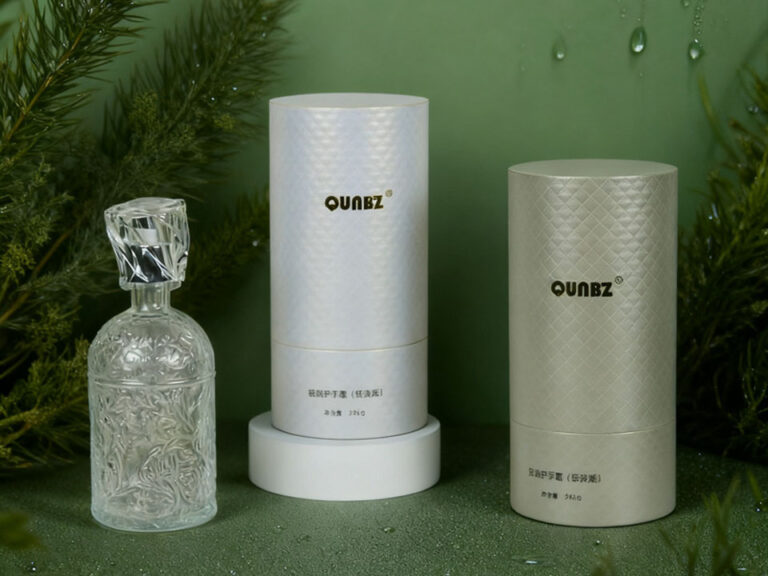
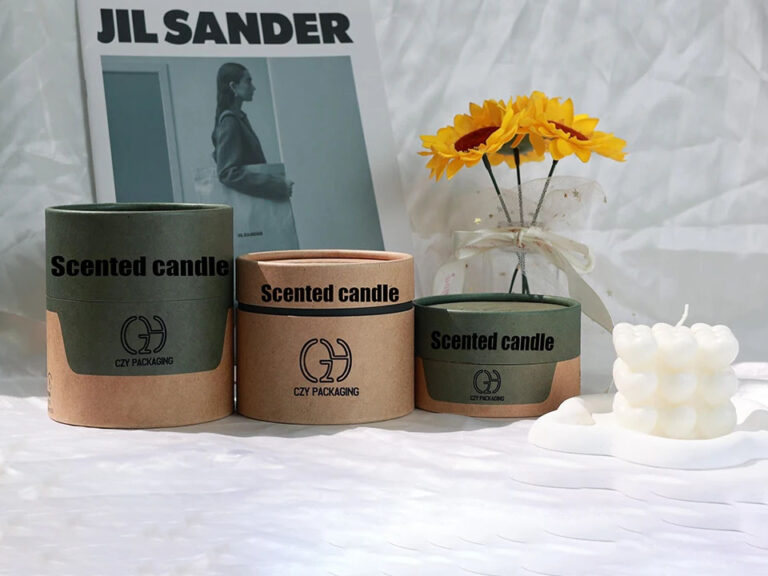
Ainda não está a ver a solução de embalagem certa? Fale com o nosso chefe.
Se consultou o nosso sítio Web ou falou com o departamento de vendas e ainda não vê um caminho claro, envie o seu pedido aqui. A sua mensagem vai diretamente para o nosso Diretor Geral para uma análise executiva da viabilidade, custo e prazo de entrega. Obterá um próximo passo claro - o que podemos fazer, o que precisamos de si e o caminho mais rápido para uma cotação.
Obter um orçamento rápido para embalagens de tubos de papel personalizadas
Criado para gestores de embalagens, aprovisionamento e engenheiros de embalagens. Especifique o tamanho, a quantidade e o acabamento para receber orientações sobre o orçamento, o prazo de entrega e as especificações para os programas dos EUA e da UE.
Personalização pronta para orçamento: diâmetro, altura, espessura da parede, inserções, revestimentos e fechos
Acabamentos de qualidade superior: CMYK/Pantone, folha de alumínio, relevo, UV
Clareza de abastecimento: especificações claras + CQ + orientação DFM
Sustentável: Papel FSC® disponível a pedido
Resistente às crianças: concebido de acordo com a norma ISO 8317 / PPPA
Guia completo para personalizar embalagens de tubos de papel para cosméticos
A embalagem em tubo de papel para cosméticos pode desempenhar duas funções ao mesmo tempo. Protege o seu produto durante o transporte e o manuseamento no retalho. Também vende a sua marca antes de alguém torcer uma tampa ou abrir um selo.
Mas aqui está a parte que a maioria dos compradores aprende da maneira mais difícil: um tubo com “bom aspeto” nem sempre é um tubo com “bom desempenho”. O diâmetro errado cria choques e amolgadelas. Uma parede fraca esmaga-se nas embalagens de cartão. Um controlo de impressão deficiente faz com que as cores se desloquem entre as encomendas e a sua prateleira fique desarrumada.
No Fabricante de caixas de tubo de papel personalizadas de topo No nosso site, verá formatos de tubos de papel criados para vendas por grosso a granel, projectos OEM/ODM e escalonamento de marcas. O objetivo é simples: manter as suas embalagens consistentes, fáceis de produzir e fáceis de reencomendar, mesmo quando o número de SKU aumenta.
Identidade da marca e impacto na prateleira
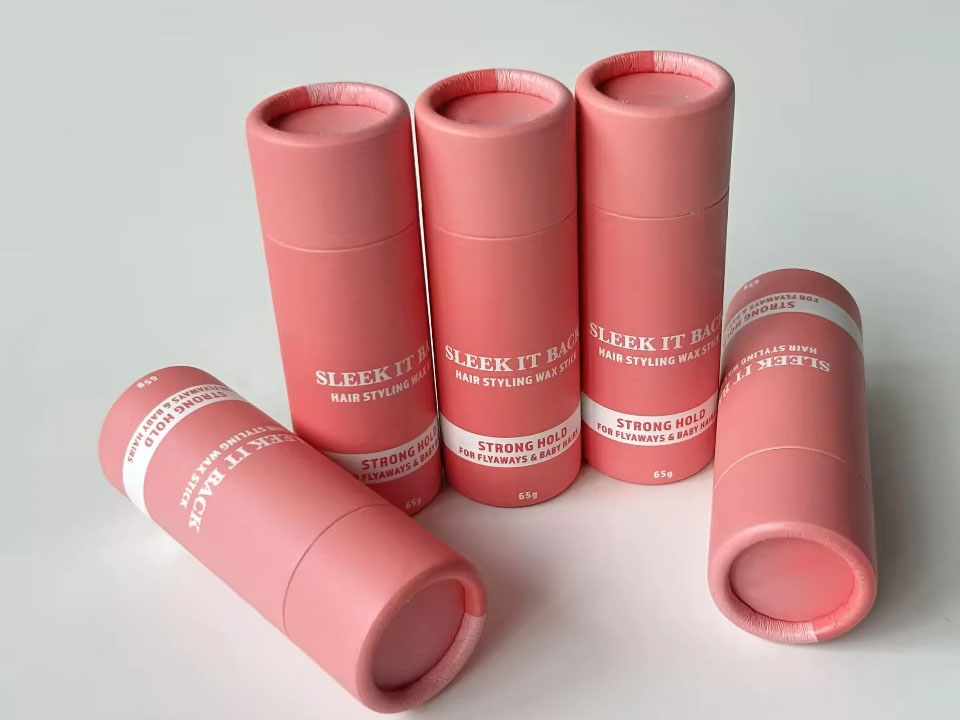
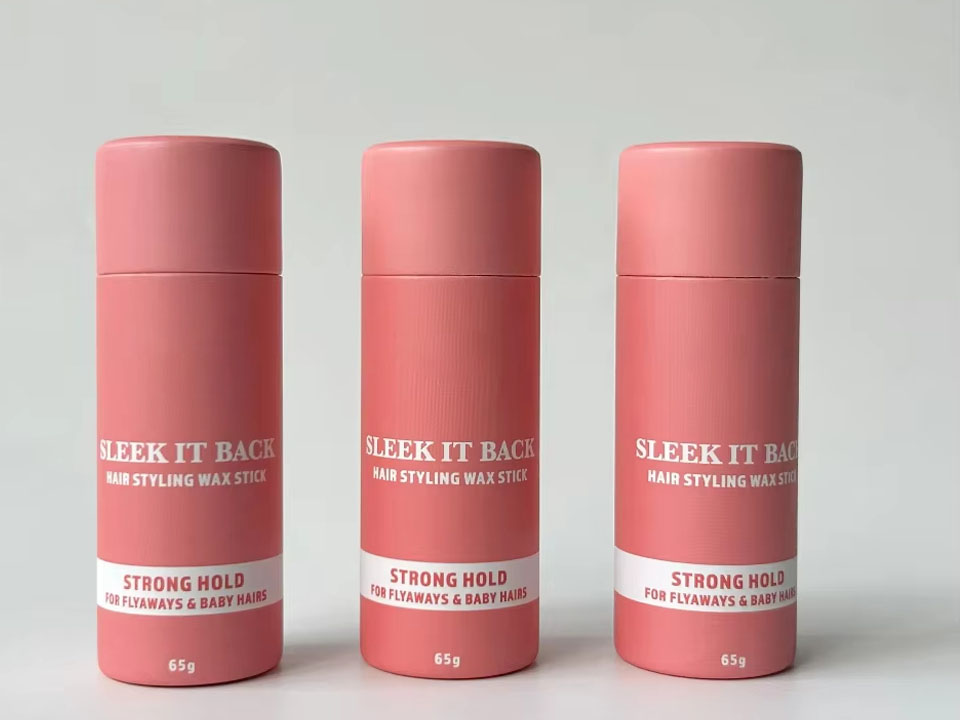
Um tubo de cosméticos é um sinal de prateleira. Os compradores não vão ler o seu texto primeiro. Vão reparar primeiro na cor, no acabamento e na forma. É por isso que a personalização deve começar com uma pergunta: o que é que quer que as pessoas sintam num segundo?
Direcções de marcas comuns que funcionam bem em tubos:
Prémio: revestimentos profundos em cores sólidas, registo apertado, detalhes em folha de alumínio, toque mais pesado
Na moda: faixas brilhantes para as variantes, ícones divertidos, tipografia arrojada
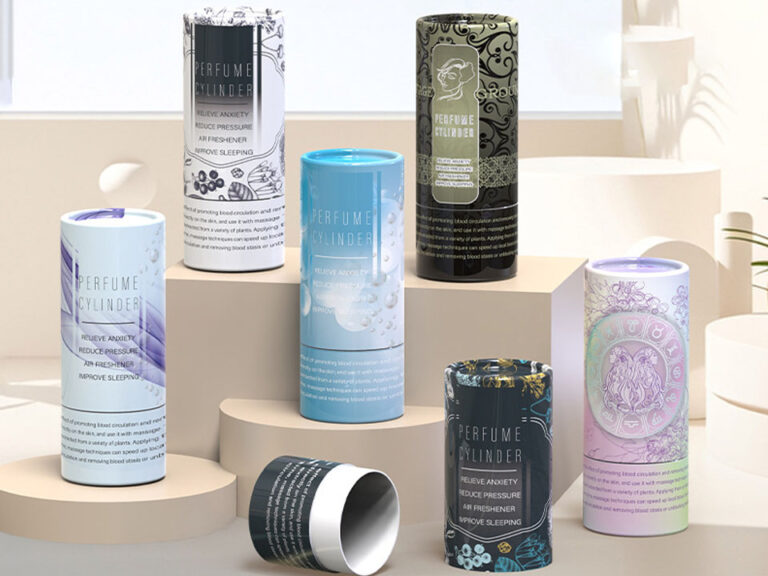
Se tiver várias linhas (bálsamo labial, bálsamo desodorizante, sticks de cuidados da pele), crie um “sistema visual” repetível. Mantenha a mesma disposição e colocação do logótipo e, em seguida, altere apenas o que ajuda os compradores a escolher: aroma, tonalidade ou função. É assim que se evita uma parede de SKU que parece uma mistura aleatória.
Se precisar de uma visão rápida dos diferentes estilos de tubos para alinhar o visual da sua marca, comece com a catálogo de produtos.
Controlo do trabalho artístico e consistência das cores
Quando se escala, o desvio de cor torna-se um verdadeiro problema. A sua primeira tiragem parece perfeita, mas na tiragem seguinte o seu “rosa de assinatura” fica ligeiramente apagado. Os clientes apercebem-se. Os compradores retalhistas reparam mais depressa.
Feche-os cedo:
cores da marca (utilizar um padrão de cores fixo e mantê-lo consistente)
colocação crítica do logótipo (evitar zonas de junção e arestas curvas para marcas-chave)
colocação do código de barras (suficientemente plano para ser digitalizado, não enterrado perto de uma sobreposição de invólucro)
Ajuste e inserções de tamanho correto
A maioria dos danos causados pelo trânsito começa com um problema: espaço vazio. Se o produto se deslocar no interior do tubo, este sofre golpes nos sítios errados. Vêem-se amolgadelas, arranhões e ombros esmagados.
Seleção do diâmetro e da altura do tubo
Escolha o tamanho como se estivesse a otimizar a sua linha de embalagem, e não apenas a fazer corresponder o produto:
o ajuste apertado reduz o ruído e torna as embalagens de cartão mais estáveis
a altura consistente ajuda os planogramas de retalho a parecerem limpos
as tampas que abrem suavemente melhoram a sensação de desembalagem e reduzem a frustração do cliente
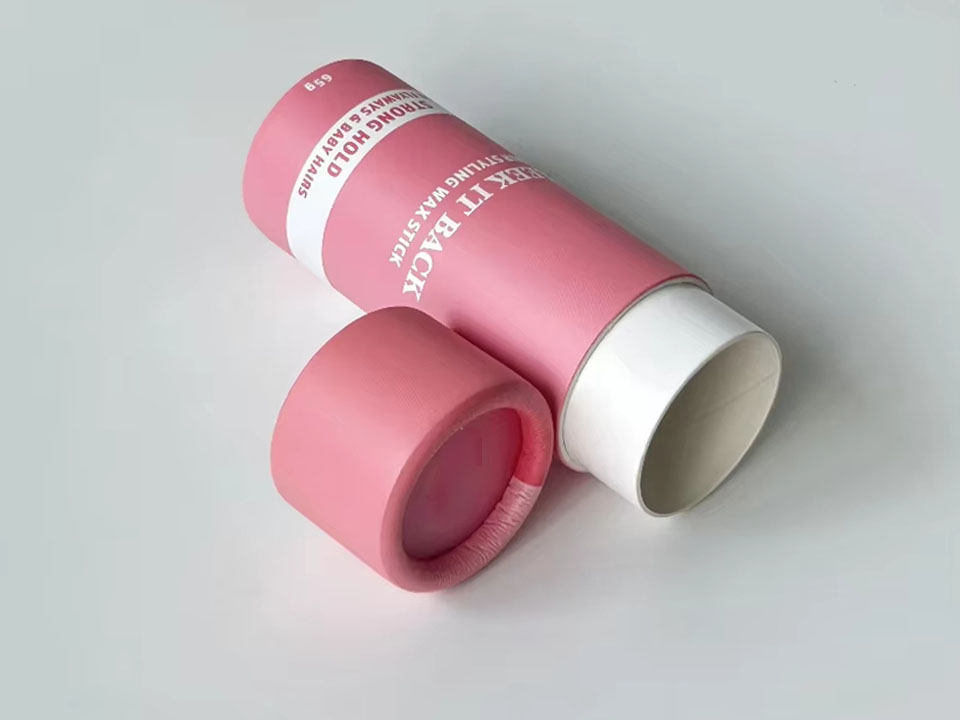
Se o seu produto for fino, de vidro ou propenso a riscos, adicione uma inserção. As inserções mantêm o produto centrado e protegem as extremidades. Trata-se de uma atualização silenciosa que reduz as reclamações de danos e evita críticas negativas que prejudicam a conversão.
Alegações de embalagens sustentáveis que pode defender
A sustentabilidade vende, mas só quando é específica. Uma linguagem vaga e “amiga do ambiente” já não gera confiança.
Em vez disso, construa afirmações que possa explicar em palavras simples:
estrutura em papel (corpo em tubo + invólucro de papel)
dimensionamento correto para reduzir o desperdício de espaço
menos materiais mistos, sempre que possível
apresentação reutilizável “keep on the vanity” que prolonga a vida para além de um unboxing
Se pretender um visual que se destaque no papel e que assinale “responsável” sem o gritar, pode fazer referência à estrutura e à abordagem de estilo utilizadas neste embalagens de tubos de papel ecológicas página e adaptar a especificação para cosméticos.
Transporte marítimo transfronteiriço e sustentabilidade
Se vende além-fronteiras (vendedores de plataforma e DTC), a sustentabilidade e a força do transporte podem trabalhar em conjunto. Tubos de tamanho correto reduzem o preenchimento de espaços vazios. Paredes mais resistentes reduzem as devoluções. Menos danos significam menos desperdício. Esta é uma vitória que a sua equipa de operações vai sentir.
Tinta à base de soja e segurança de impressão
Os compradores de produtos cosméticos preocupam-se com os sinais de segurança. Mesmo quando a embalagem não toca diretamente na fórmula, a qualidade da impressão continua a afetar a perceção de segurança.
Os maus sinais são imediatamente detectados pelos clientes:
cheiro forte a tinta
manchas nas mãos
gráficos riscados após um envio
pretos irregulares e cores turvas
Apresentar estas especificações com antecedência:
tipo de tinta e controlo de odores
resistência à fricção (para que o invólucro não pareça “usado” durante o transporte)
consistência da cor em todas as encomendas
texto pequeno e nítido para rotulagem de ingredientes e de conformidade
Se vender para canais mais rigorosos, mantenha os pormenores de conformidade bloqueados desde o início. Por exemplo, se precisar de encerramentos controlados, faça referência a embalagem em tubo de papel resistente às crianças para a direção do fecho e a disciplina estrutural.
Tubos em branco + etiquetas autocolantes para pequenas tiragens
As bisnagas com impressão integral são óptimas quando já se sabe o que vende. Mas se ainda estiver a testar variantes, as bisnagas em branco e as etiquetas podem poupar-lhe inventário morto.
Esta abordagem funciona bem para:
novas marcas que validam a adequação produto-mercado
campanhas sazonais e mailers de influenciadores
muitos aromas/tonalidades com ciclos de produção curtos
alterações rápidas nas reivindicações, na linguagem ou no texto de conformidade
Continua a ter um aspeto limpo. Também se mantém flexível enquanto aprende. Assim que os seus dados lhe disserem quais as SKUs que se movem, pode actualizá-las para tubos de impressão integral para uma eficiência de reordenamento.
Menu de personalização
Quando os compradores dizem “personalizado”, podem estar a referir-se à estrutura, material, impressão, acabamento ou complementos. Se não os separar, obtém orçamentos errados, ciclos de revisão e atrasos que queimam as janelas de lançamento.
Utilize-o como um menu de personalização claro:
Item de personalização
O que muda
Problema do comprador que o produto resolve
Tamanho do tubo (diâmetro/altura)
ajuste, estabilidade de transporte, presença na prateleira
mossas, chocalhos, planogramas desarrumados
Espessura da parede e placa
resistência ao esmagamento, sensação de toque
danos de trânsito, “toque barato”
Impressão (exterior / dupla face)
espaço para contar histórias, sistema de marcas
marca fraca, pouca visibilidade nas prateleiras
Acabamento (mate / brilhante / toque suave)
tato e valor percebido
toque premium, menos impressões digitais
Complementos (inserção / janela / pega)
proteção e visualização
quebra, má visibilidade, necessidades de presentear
Se vende produtos que precisam de visibilidade ou de ser oferecidos, um formato como embalagem em tubo com janela transparente e pega mostra como os complementos podem aumentar a clareza da prateleira e o valor percebido.
Seleção de materiais: segurança, durabilidade e opções de design
Não escolha os materiais como se estivesse a escolher um “papel bonito”. Escolha-os como se estivesse a proteger a sua margem e as suas críticas.
Utilizar cinco filtros:
Segurança dos materiais: cheiro limpo, estrutura estável, manuseamento seguro
Durabilidade: resiste a amolgadelas, mantém a forma, sobrevive à compressão da caixa de cartão
Opções de conceção: imprime de forma limpa, apoia as suas escolhas de acabamento
Opções de tamanho e forma: adapta o seu produto sem desperdício
Reordenar a estabilidade: oferta consistente e resultados consistentes
Se o seu produto contiver óleos ou for colocado em casas de banho húmidas, fale sobre a tolerância à humidade desde o início. Um tubo que se deforma numa casa de banho transforma-se rapidamente num mau feedback.
Canais especializados e expectativas de encerramento
Alguns segmentos preocupam-se mais com o fecho do que com a aparência. Pense em bem-estar, categorias regulamentadas ou produtos vendidos através de retalho controlado. Se estiver nessa zona, vai querer um controlo mais apertado da estrutura e dos mecanismos de fecho.
Não é necessário construir tudo em excesso no primeiro dia. Mas precisa de um plano que corresponda à forma como as marcas são realmente dimensionadas.
Eis um lançamento que funciona para compradores grossistas, projectos OEM/ODM e marcas em crescimento:
estrutura da fechadura primeiro (tamanho, resistência da parede, encaixe da tampa)
bloquear o sistema de marca a seguir (cores, disposição, colocação do logótipo)
variantes de teste com etiquetas ou impressão simplificada
os vencedores de escala única em encomendas de impressão integral para uma produção mais fácil e uma melhor consistência das unidades
Esta abordagem reduz os ciclos de revisão, protege o seu calendário de lançamento e mantém o seu processo de encomenda limpo.
Quadro de provas: principais argumentos e fontes internas
Utilize esta tabela como a sua “camada de prova” para um blogue, apresentação de propostas ou documento de sourcing. Todas as fontes estão ligadas a páginas do seu próprio sítio.
Título do argumento
O que pode afirmar com confiança
Fonte interna
Identidade da marca e impacto na prateleira
Os tubos suportam sistemas de marca consistentes em várias linhas de produtos.