Ainda não está a ver a solução de embalagem certa? Fale com o nosso chefe.
Se consultou o nosso sítio Web ou falou com o departamento de vendas e ainda não vê um caminho claro, envie o seu pedido aqui. A sua mensagem vai diretamente para o nosso Diretor Geral para uma análise executiva da viabilidade, custo e prazo de entrega. Obterá um próximo passo claro - o que podemos fazer, o que precisamos de si e o caminho mais rápido para uma cotação.
Obter um orçamento rápido para embalagens de tubos de papel personalizadas
Criado para gestores de embalagens, aprovisionamento e engenheiros de embalagens. Especifique o tamanho, a quantidade e o acabamento para receber orientações sobre o orçamento, o prazo de entrega e as especificações para os programas dos EUA e da UE.
Personalização pronta para orçamento: diâmetro, altura, espessura da parede, inserções, revestimentos e fechos
Acabamentos de qualidade superior: CMYK/Pantone, folha de alumínio, relevo, UV
Clareza de abastecimento: especificações claras + CQ + orientação DFM
Sustentável: Papel FSC® disponível a pedido
Resistente às crianças: concebido de acordo com a norma ISO 8317 / PPPA
Quais são os tipos e aplicações dos tubos de papel?
Os tubos de papel estão presentes em mais sítios do que a maioria das pessoas imagina. Vê-los-á como caixas de tubos de papel prontas para venda a retalho numa prateleira, como tubos de transporte que protegem os cartazes, e como núcleos de papel industrial que mantêm os materiais em rolo a funcionar sem problemas numa linha. A parte complicada não é “Preciso de um tubo de papel?” É que tipo de construção e que especificações impedirá a ocorrência de amolgadelas, reduzirá os pedidos de indemnização por danos e continuará a ter um aspeto nítido nas fotografias.
Se estiver a adquirir produtos a granel, OEM/ODM ou por grosso, também é útil trabalhar com um fabricante com capacidade de expansão. Em Caixas de tubos de papel personalizadas, Na nossa empresa, temos uma moderna oficina de purificação de embalagens alimentares e um armazém de 12.300m², com uma produção média diária superior a 300.000 peças - para que possa passar da amostra à produção em massa sem caos.
Tipos de tubo de papel: enrolado em espiral vs enrolado em paralelo
Os dois principais tipos de construção: enrolamento em espiral e enrolamento convoluto/paralelo
A maior parte dos tubos de papel enquadra-se em duas estruturas:
Tubos de papel enrolados em espiralAs camadas envolvem o tubo num ângulo, criando uma costura em espiral visível.
Tubos de papel convoluto (enrolamento paralelo)As camadas são mais “direitas”, produzindo frequentemente uma parede mais limpa e uniforme e uma costura que corre longitudinalmente.
Estas não são apenas escolhas de fábrica. Alteram a forma como o tubo se comporta sob pressão, a limpeza do corte da extremidade e a forma como o tubo mantém a sua forma durante o transporte.
Tubos de papel enrolados em espiral para embalagem e envio diário
Os tubos enrolados em espiral são a opção “mais económica”. São bons quando é necessário um tubo consistente para embalagem e expedição em geral.
Cenários do mundo real:
Envio de cartazes, obras de arte e documentos onde a resistência ao esmagamento é mais importante do que a perfeita suavidade da parede interior
Caixas de tubos de papel para venda a retalho para produtos de peso médio que necessitam de presença nas prateleiras e paredes robustas
Embalagem em tubo tipo presente onde a impressão e os acabamentos fazem o trabalho pesado
Se vender várias unidades de manutenção de stock, o enrolamento em espiral também facilita a normalização dos tamanhos e a manutenção da consistência da embalagem em toda a sua linha de produtos.
Tubos de papel convolutos (enrolados paralelamente) para um desempenho de serviço pesado
Quando as marcas falam de “sensação de qualidade superior” ou “força industrial”, normalmente querem aquilo que o enrolamento convoluto/paralelo faz bem: estrutura mais apertada e maior resistência à carga.
Cenários do mundo real:
Enchimentos mais pesados (pós densos, kits de ferragens ou conjuntos de várias peças) em que a embalagem deve permanecer redonda e apertada
Logística de alta tensão (transporte de longa distância, empilhamento elevado, manuseamento brusco) em que um tubo fraco se transforma em devoluções
Embalagem de precisão onde não se toleram oscilações, chocalhos ou tubos de forma oval
Se alguma vez viu um tubo chegar ligeiramente “em forma de ovo”, já sabe porque é que a estrutura é importante.
Tubos de papel vs. núcleos de papel: não os misture
Tubo de papel vs núcleo de papel: espessura da parede e objectivos de carga
As pessoas dizem “tubo de papel” para tudo. No fabrico, núcleos de papel normalmente significa tubos mais espessos e portadores de carga utilizado para enrolar materiais - filmes, etiquetas, têxteis, etc. Tubos de papel inclinam-se frequentemente para embalagem, onde o tubo tem de proteger e apresentar o produto.
Eis a forma mais simples de pensar sobre o assunto:
Escolher embalagem em tubo de papel quando se preocupa com a marca, a desembalagem e a adaptação ao retalho.
Escolher núcleos de papel quando se preocupa com a velocidade da linha, o controlo da tensão e o desempenho mecânico repetível.
Se o seu produto se encontra dentro de um tubo e é vendido a retalho, está normalmente no território da embalagem. Se o seu material se enrola num tubo numa máquina, está no território do núcleo.
Identificação visual: costura em espiral vs costura reta
Não são necessárias ferramentas de laboratório para detetar o básico:
Os tubos enrolados em espiral apresentam normalmente uma linha em espiral à volta do corpo.
Os tubos convolutos apresentam frequentemente uma costura reta ao longo do comprimento (por vezes escondido sob o papel de embrulho).
Isto ajuda durante as auditorias a fornecedores, inspeção de entrada e análises de amostras. Também torna as conversas mais rápidas - ninguém quer um fio de 20 e-mails só para confirmar a estrutura.
Aplicações dos tubos de papel em todos os sectores
Bobinagem e transformação industrial: o caso de utilização da “espinha dorsal silenciosa
Os núcleos industriais não são objeto de publicações no Instagram, mas mantêm a produção em movimento. Se o núcleo falhar, verá:
danos nos bordos do rolo
telescópico
problemas de tensão
paragens de linha e resíduos
É por isso que os compradores industriais se concentram em Tolerância de ID, resistência ao esmagamento e qualidade dos bordos mais do que acabamentos de superfície.
Bobinagem de têxteis e de fios: tolerância apertada e cortes limpos
As operações têxteis e de fios tendem a preocupar-se com:
controlo rigoroso de ID/OD
arestas de corte limpas (sem fuzz, sem sensação de rebarba)
paredes estáveis que não se desmoronam sob pressão do vento
Se o seu cliente se dedica ao fornecimento de fios, linhas ou tecidos, não o trate como um simples “tubo”. Trate-o como uma peça de desempenho.
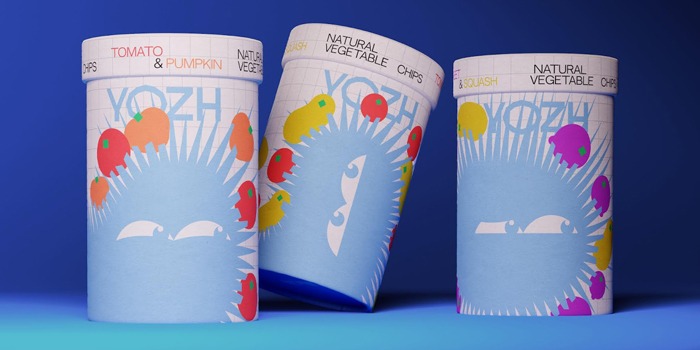
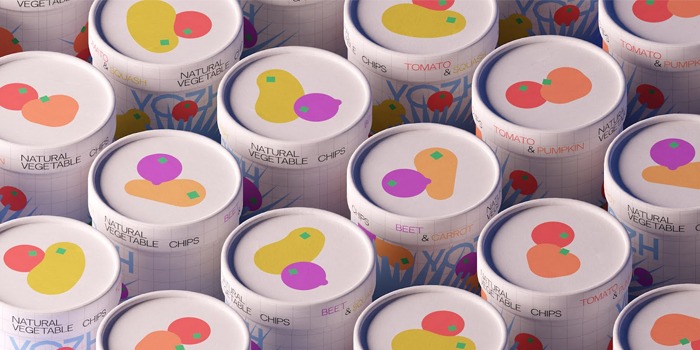
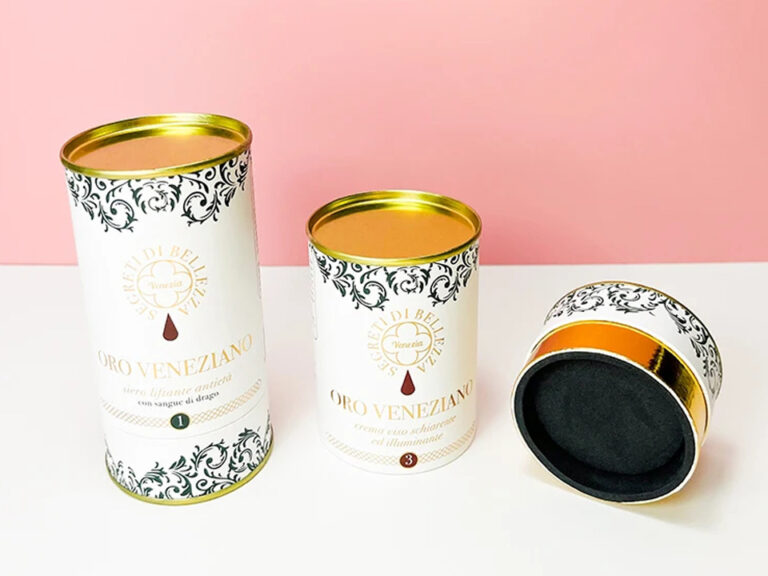
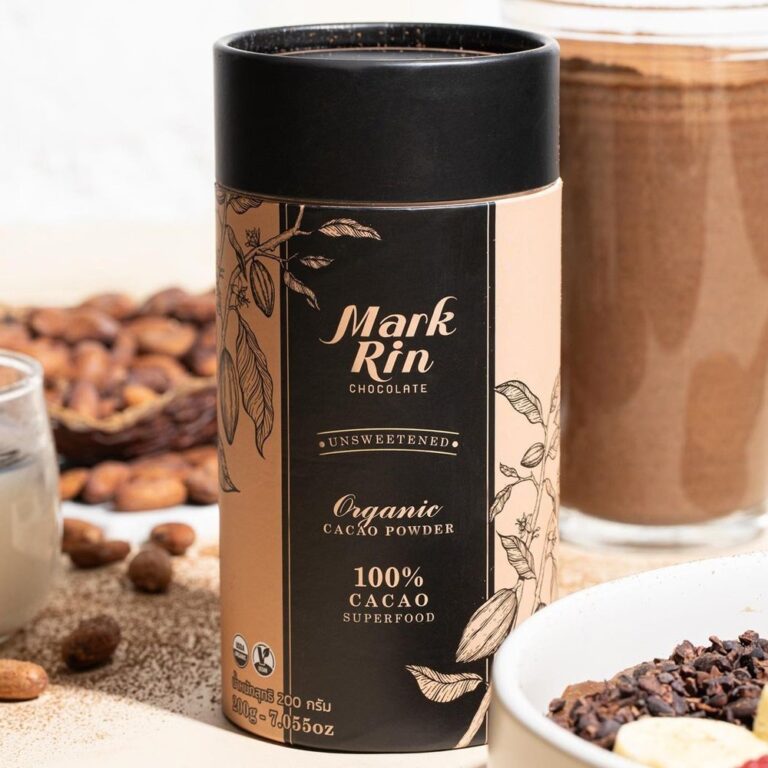
Embalagens para venda a retalho: cosméticos, chá, proteínas em pó, etc.
É aqui que os tubos de papel brilham realmente para as marcas: são resistentes, têm um aspeto de primeira qualidade e podem ser construídos para uma exposição limpa nas prateleiras.
Eis alguns cenários comuns de embalagem (com exemplos internos):
Se quiser navegar rapidamente por mais formatos, comece com o Catálogo de produtos. É uma forma rápida de alinhar a estrutura, o estilo e a direção da categoria.
Tampas e fechos: evitam danos e favorecem a reutilização
As tampas das extremidades reduzem os danos causados pelo transporte e mantêm os tubos com um aspeto novo
Um tubo de papel falha frequentemente primeiro nas extremidades. É aí que ocorrem os impactos e é aí que os clientes avaliam a qualidade em dois segundos.
As tampas das extremidades ajudam-no:
reduzir o esmagamento dos bordos e as mossas
manter o pó afastado
evitar “rolar” durante o transporte
criar um momento de unboxing mais limpo
Para os tubos de transporte, as tampas são quase obrigatórias. Nas caixas de tubos para venda a retalho, o estilo de fecho também se torna parte do visual da marca.
Tubos de papel VCI para prevenção da ferrugem e proteção de peças metálicas
Embalagem de tubos de papel VCI para armazenamento e expedição de peças metálicas
Se enviar componentes metálicos, o risco de ferrugem pode transformar-se rapidamente em devoluções - especialmente com o transporte marítimo ou o armazenamento prolongado. Papel VCI podem libertar inibidores de corrosão que protegem as superfícies metálicas em espaços fechados.
Casos de utilização típicos:
kits de peças sobressalentes
fixadores e acessórios de ferramentas
componentes de precisão que não toleram a oxidação da superfície
Se estiver nesta categoria, normalmente especifica o tubo como um sistema: tubo + invólucro interior/forro + fecho.
A personalização é a norma: tamanho, impressão, inserções e acabamentos
Caixas de tubos de papel personalizadas para OEM/ODM e venda por grosso a granel
A maioria das marcas não quer “um tubo”. Elas querem o seu tubo:
altura exacta para corresponder ao encaixe do produto
diâmetro interior apertado para reduzir o ruído
inserções que fixam o produto no lugar
acabamentos estampados que se destacam sob a iluminação da loja
códigos de barras e informações de lote que são digitalizados de forma limpa
É aqui que um fluxo de trabalho único é importante. No Página inicial das caixas de tubos de papel personalizadas, No caso de uma embalagem de marca própria, é possível ver o posicionamento do fabricante e a escala de produção. Para grossistas, distribuidores e vendedores de marcas privadas, o objetivo é simples: manter a consistência da embalagem em todos os lotes, reduzir as dores de cabeça do CQ e cumprir os prazos.
Processo de fabrico e controlo de qualidade: de onde vem a fiabilidade
Etapas de fabrico: enrolamento, colagem, corte, cura, acabamento
Um bom tubo é aborrecido da melhor maneira. Mantém-se redondo. Corta bem. Não tem um cheiro estranho. Não apresenta manchas de cola. Para obter essa consistência é necessário controlo do processo, não sorte.
A maior parte da produção flui desta forma:
selecionar tipos de papel e adesivos
camadas de vento até à espessura de parede pretendida
curar e estabilizar
corte à medida com arestas limpas
adicionar papel de embrulho, impressão, revestimentos, inserções e fechos
efetuar os últimos controlos antes de embalar
Métricas de controlo de qualidade: compressão, dimensões e acabamento dos bordos
Se está a comprar a granel, deve preocupar-se com isso:
resistência à compressão (ajuda no empilhamento e no transporte)
Coerência ID/OD (ajuda no ajuste e nas inserções)
qualidade dos bordos (contribui para a segurança e a qualidade percepcionada)
estabilidade do acabamento da superfície (ajuda a evitar arranhões e mudanças de cor)
Se já lidou com “o mesmo trabalho artístico, lote diferente, cor diferente”, já sabe porque é que os pontos de controlo de CQ são importantes.
Tabela de comparação rápida: tipos, pontos fortes e cenários mais adequados
Tipo de tubo de papel
O que é bom
Onde se encaixa melhor
O que os compradores costumam ver
Tubo de papel enrolado em espiral
estrutura fiável, tamanho flexível, resistente para utilização geral
caixas de tubos para venda a retalho, tubos para cartazes/correio, muitos bens de consumo
resistência global ao esmagamento, revestimento limpo, alinhamento da impressão
Tubo de papel convoluto (enrolado em paralelo)
desempenho de carga mais elevado, parede estável, mais forte sob tensão
produtos pesados, embalagens de precisão, logística mais exigente
controlo mais rigoroso do diâmetro, uniformidade da parede, melhor desempenho de empilhamento
Núcleo de papel (industrial)
estabilidade do rolo, desempenho da linha, enrolamento repetível
enrolamento e transformação de películas/rótulos/têxteis
Tolerância ID, acabamento de arestas, compressão, excentricidade
Fontes utilizadas para estes pontos: materiais de referência da indústria sobre a construção de tubos de papel (espiral vs convoluto/paralelo), além de práticas de CQ do lado do fabrico habitualmente utilizadas na produção de tubos.
Como escolher o tubo de papel certo para o seu produto
Se quiser tomar uma decisão rápida, faça estas perguntas:
Trata-se de embalagens de retalho ou de enrolamento industrial? Isso decide “tubo” vs “núcleo”.”
Qual é o seu modo de fracasso hoje? As amolgadelas, os encaixes soltos, os arranhões ou as devoluções de avarias apontam para especificações diferentes.
Necessita de funcionalidades de conformidade? A evidência de adulteração, a estrutura resistente a crianças ou a rotulagem regulamentada alteram a construção.
Onde é que o produto será vendido? O comércio eletrónico precisa de resistência aos danos. O retalho precisa de impacto nas prateleiras. Muitas marcas precisam de ambos.
Se estiver a construir uma linha de embalagens para vários canais, a melhor opção é alinhar primeiro uma estrutura de tubo e, em seguida, afinar os detalhes - tipo de papel, espessura da parede, fecho, inserções e acabamentos de impressão - para que a sua embalagem tenha um desempenho e um aspeto de excelência.
Se estiver pronto para mapear a sua SKU para uma especificação de tubo, comece por navegar na produtos de embalagem em tubo de papel e escolher a categoria mais próxima. Normalmente, isto leva-o à estrutura correta em minutos e não em semanas.