Ainda não está a ver a solução de embalagem certa? Fale com o nosso chefe.
Se consultou o nosso sítio Web ou falou com o departamento de vendas e ainda não vê um caminho claro, envie o seu pedido aqui. A sua mensagem vai diretamente para o nosso Diretor Geral para uma análise executiva da viabilidade, custo e prazo de entrega. Obterá um próximo passo claro - o que podemos fazer, o que precisamos de si e o caminho mais rápido para uma cotação.
Revisão direta pela GM das suas especificações, casos de utilização e restrições
Verificação do tamanho + estrutura: diâmetro, altura, resistência da parede, inserções
Recomendações de impressão/acabamento para corresponder à marca + orçamento
Alternativas de redução de custos e opções de melhoria do prazo de entrega
Clareza no processo de cotação: MOQ, plano de amostragem e o que fazer a seguir
Falar com o nosso chefe
Obter um orçamento rápido para embalagens de tubos de papel personalizadas
Criado para gestores de embalagens, aprovisionamento e engenheiros de embalagens. Especifique o tamanho, a quantidade e o acabamento para receber orientações sobre o orçamento, o prazo de entrega e as especificações para os programas dos EUA e da UE.
Personalização pronta para orçamento: diâmetro, altura, espessura da parede, inserções, revestimentos e fechos
Acabamentos de qualidade superior: CMYK/Pantone, folha de alumínio, relevo, UV
Clareza de abastecimento: especificações claras + CQ + orientação DFM
Sustentável: Papel FSC® disponível a pedido
Resistente às crianças: concebido de acordo com a norma ISO 8317 / PPPA
Obtenção de resultados comerciais eficientes através de embalagens de cartão cilíndrico
Índice
A maioria das marcas não perde dinheiro porque o seu produto é mau. Perdem-no na confusão do meio - danos na expedição, bilhetes de devolução, “tratamento especial” do armazém e embalagens que parecem baratas numa prateleira. É aí que embalagens cilíndricas de cartão (caixas de tubos de papel) ganha o seu sustento.
Um tubo de papel não é uma engenharia sofisticada. É um formato prático que protege os produtos sensíveis aos cantos, mantém-se rígido sob pressão e proporciona uma superfície limpa para a marca e a etiquetagem. Quando está a vender a granel, a fazer OEM/ODM ou a fornecer distribuidores, estes detalhes transformam-se em resultados comerciais reais.
Mapa de resultados comerciais para embalagens cilíndricas de cartão
Título do argumento (utilize-os como cabeçalhos de secção)
O que melhora
O que resolve no mundo real
Fonte de credibilidade (sem ligações externas)
Conformidade da expedição e disciplina dimensional
Menos excepções de envio, cumprimento mais fácil
Menos caos “não é possível digitalizar / não é possível selecionar / precisa de ser reembalado
Regras da transportadora + seu SOP de atendimento + verificações de QA de saída
Proteção para produtos enroláveis e sensíveis aos cantos
Menos pedidos de indemnização, menos reembolsos
Sem cantos esmagados, menos produtos dobrados, menos mensagens de “chegou estragado”
Física do produto + feedback do cliente + categorias de dados de devoluções
Tampas de plástico e opções invioláveis
Maior confiança na segurança, menos litígios
Reduz a abertura acidental, suporta a necessidade de voltar a fechar
Realidades do manuseamento a retalho + requisitos de distribuição
Tubos quadrados de papel e embalagens sem rolo
Armazenamento mais limpo, empilhamento mais fácil
Menos rolamento, melhor estabilidade da palete
Fluxo de trabalho do armazém + eficiência de recolha/embalagem
Estrutura leve mas resistente
Melhor eficiência de expedição sem risco “frágil”
Paredes resistentes com peso manejável
Comportamento do material de embalagem + práticas de ensaio de queda/compressão
Valor de reutilização e armazenamento
Maior valor percebido, melhor recordação da marca
Os clientes guardam-na, reutilizam-na e falam dela
Comportamento pós-compra + experiência de unboxing
História da reciclagem e da sustentabilidade
Conversas mais fáceis com os retalhistas
Mensagem “em papel” mais clara quando construída corretamente
Repartição dos materiais + orientações locais de reciclagem
Conformidade da expedição e disciplina dimensional
Os problemas de expedição normalmente não aparecem numa reunião de produto. Aparecem numa segunda-feira de manhã quando o armazém diz: “Este lote não vai passar na linha”.”
Embalagem cilíndrica de cartão ajuda-o a normalizar as coisas que mantêm a realização calma:
Geometria consistente: um tubo mantém a sua forma melhor do que uma caixa de cartão mole quando as encomendas são espremidas durante o transporte.
Colocação de etiquetas mais limpamenos etiquetas de códigos de barras amassadas, menos falhas de leitura, menos erros de encaminhamento.
Embalagem repetível: a sua equipa pode fazer as malas rapidamente porque o formato se comporta sempre da mesma forma.
Se vender em sectores regulamentados ou de elevada conformidade, também vai querer embalagens que suportem requisitos de segurança e fechos limpos. Um bom exemplo é embalagem em tubo de papel reciclável de cannabis resistente às crianças, onde a estrutura e a estratégia de fecho são tão importantes como os gráficos.
Proteção para produtos enroláveis e sensíveis aos cantos
Os cantos falham primeiro. É por isso que os tubos vencem para produtos que detestam arestas vivas e pontos de pressão planos.
Um tubo protege por conceção:
tem sem cantos para esmagar
distribui a força pela curva
resiste melhor às mossas do que as caixas de cartão de paredes finas
Tubos de envio de cartazes
Se envia posters, impressões, certificados, plantas ou obras de arte, já conhece a dor: uma aresta dobrada pode transformar um artigo perfeito num reembolso.
Os tubos permitem-lhe enrolar o produto e mantê-lo limpo. Isto reduz a mensagem “chegou dobrado” e o tempo que perde a discutir se os danos ocorreram antes ou depois da entrega.
Artigos de beleza, de cuidados pessoais e de uso diário
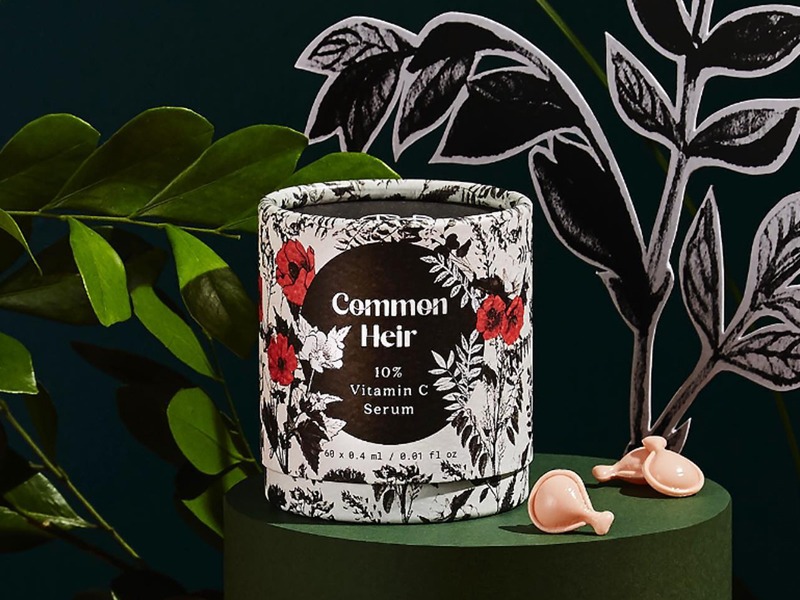
Os tubos também funcionam bem para categorias em que os clientes se preocupam com a apresentação e a arrumação. Pense em cosméticos, produtos de higiene pessoal e kits de viagem. Um formato como caixa de embalagem para tubos de cosméticos protege o artigo ao mesmo tempo que lhe dá um aspeto de prateleira de primeira qualidade.
Produtos em pó, nutrição e funcionais
Para pós e artigos funcionais, pretende-se proteção e uma sensação de robustez na mão. Um tubo pode proporcionar isso sem transformar a mochila num tijolo volumoso. Veja o estilo utilizado para embalagem de proteínas em pó.
Tampas de plástico e opções invioláveis
Em muitos mercados, os clientes não se limitam a abrir a embalagem uma única vez. Abrem-na, fecham-na, viajam com ela, guardam-na e esperam que se mantenha limpa.
É por isso que tampas e opções de fecho matéria:
Voltar a fechar a conveniência: os clientes não têm de destruir a embalagem para utilizar o produto.
Estabilidade do trânsito: melhor resistência à abertura acidental durante o transporte.
Sinais de confiança: as etapas opcionais de adulteração ajudam a reduzir as contestações do tipo “isto parece aberto”.
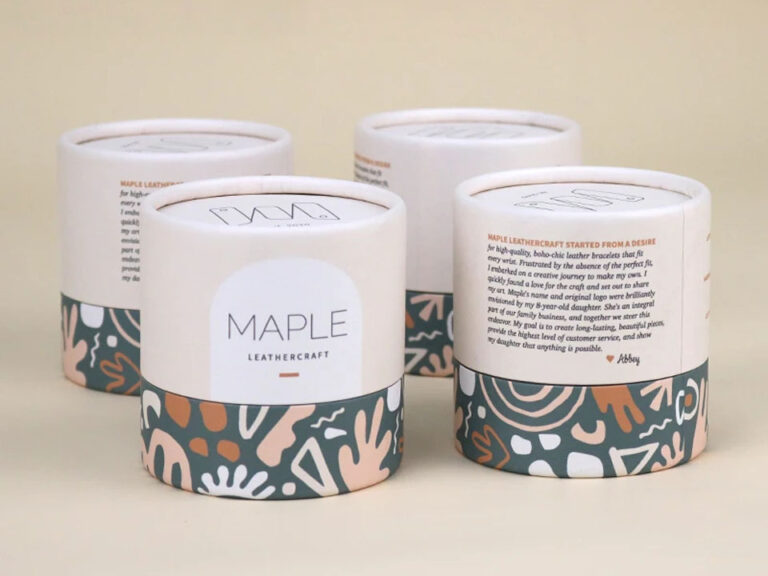
No caso de brindes premium, os fechos e o acabamento são ainda mais importantes porque a embalagem torna-se parte do produto. Um ótimo formato de referência é embalagem em tubo de papel para jóias e pulseiras, que se inclina para a apresentação e o estilo digno de ser guardado.
Tubos quadrados de papel e embalagens sem rolo
Sejamos honestos: os cilindros podem rolar. Em ambientes de armazém rápidos, as embalagens que rolam podem provocar pequenos aborrecimentos que se transformam em lentidão - especialmente quando está a empilhar, a digitalizar e a embalar.
É aí que tubos quadrados de papel (ou outros formatos anti-rolamento):
Melhor empilhamento
Comportamento mais limpo das paletes
Menos “perseguição da encomenda”.
Muitas marcas utilizam uma estratégia mista: cilindros para SKUs de heróis da venda a retalho e formatos sem rolos para corredores a granel ou rotas de distribuição pesada. Isto não é indecisão. Trata-se de maturidade operacional.
Estrutura leve mas resistente
Não se pretende uma embalagem que pareça frágil. Também não quer uma embalagem que dê a sensação de estar a enviar um haltere.
Os tubos de papel situam-se numa zona intermédia útil:
as paredes rígidas protegem contra a compressão
o formato mantém-se prático para o transporte
o unboxing parece premium sem complexidade extra
Este facto é importante para os vendedores transfronteiriços e para os operadores de mercados, uma vez que os pedidos de indemnização o afectam duas vezes - uma vez através de reembolsos e outra vez através da pressão sobre a classificação das lojas.
Valor de reutilização e armazenamento
Um tubo não é descartável. As pessoas guardam-no.
Trata-se de uma vitória silenciosa para a recordação da marca, porque a sua embalagem permanece no espaço do cliente. Torna-se uma peça de armazenamento para cabos, ferramentas de maquilhagem, acessórios ou artigos de secretária. Não precisa de forçar uma “história de reutilização”. A forma convida-a.
Muitos compradores fazem primeiro uma pergunta: “É reciclável?”.”
Com um tubo de papel, a sua história de sustentabilidade torna-se mais fácil porque o corpo principal é baseado em papel. Mas é necessário manter a exatidão:
os revestimentos e as laminações podem alterar a reciclabilidade
os insertos e as tampas podem necessitar de separação
as regras locais de reciclagem variam
Mantenha a mensagem simples e honesta. Os compradores confiam mais na clareza do que em grandes afirmações.
Cenários do mundo real em que as caixas de tubos de papel funcionam
Eis algumas áreas comuns em que as embalagens cilíndricas de cartão resolvem as dores de cabeça:
Comércio eletrónico transfronteiriçomenos bilhetes de danos, menos fotografias “chegou esmagado”.
Prateleiras de retalho: melhor forma de destaque, sensação de qualidade superior sem estruturas complicadas.
Comércio grossista e distribuição: a repetição da embalagem torna as encomendas em massa mais fáceis.
Caixas de subscrição: os tubos protegem os artigos frágeis ou de primeira qualidade no interior de pacotes mistos.
OEM/ODM e lista de verificação por atacado para caixas de tubo de papel personalizadas
Se está a comprar a granel, não comece por “fazer bonito”. Comece pelo que quebra a sua cadeia de abastecimento.
Utilize esta lista de verificação para manter o seu projeto apertado:
Ajuste e tolerância: diâmetro interior, altura, ajuste da inserção, aperto da tampa
Nível de proteção: resistência da parede, resistência à compressão, comportamento vibratório em trânsito
Estratégia de encerramento: tampa de fricção, tampas de extremidade, fechos especiais, etapas de adulteração opcionais
Execução da marca: consistência da impressão, durabilidade do acabamento, resistência ao desgaste
Realidade do armazém: comportamento de empilhamento, superfície de leitura de códigos de barras, velocidade de embalagem
Necessidades de conformidade: requisitos de segurança para crianças ou requisitos específicos da categoria, se for caso disso
Consistência da escala: estabilidade de lote para lote, pontos de controlo de CQ, compatibilidade de linhas
Se pretender ver as opções de formato antes de especificar os detalhes, a opção catálogo de caixas de tubos de papel é a forma mais rápida de comparar estilos entre sectores.
Conclusão: porque é que as embalagens cilíndricas de cartão conduzem a resultados eficientes
A embalagem cilíndrica de cartão funciona porque elimina os pontos fracos - literalmente e operacionalmente. Protege os produtos sensíveis aos cantos, mantém o cumprimento previsível, apoia a marca de qualidade superior e adapta-se aos fluxos de trabalho de fabrico a granel.
Se os seus objectivos incluem menos queixas de danos, envios mais fáceis, melhor presença nas prateleiras e embalagens que os clientes não deitam fora instantaneamente, as caixas de tubos de papel são uma medida prática - não uma tendência.
Quando estiveres pronto, começa a partir do página inicial e mapear o seu tipo de produto para a estrutura mais próxima e, em seguida, bloquear o ajuste, o fecho e o acabamento com base na sua rota de expedição e canal de vendas.